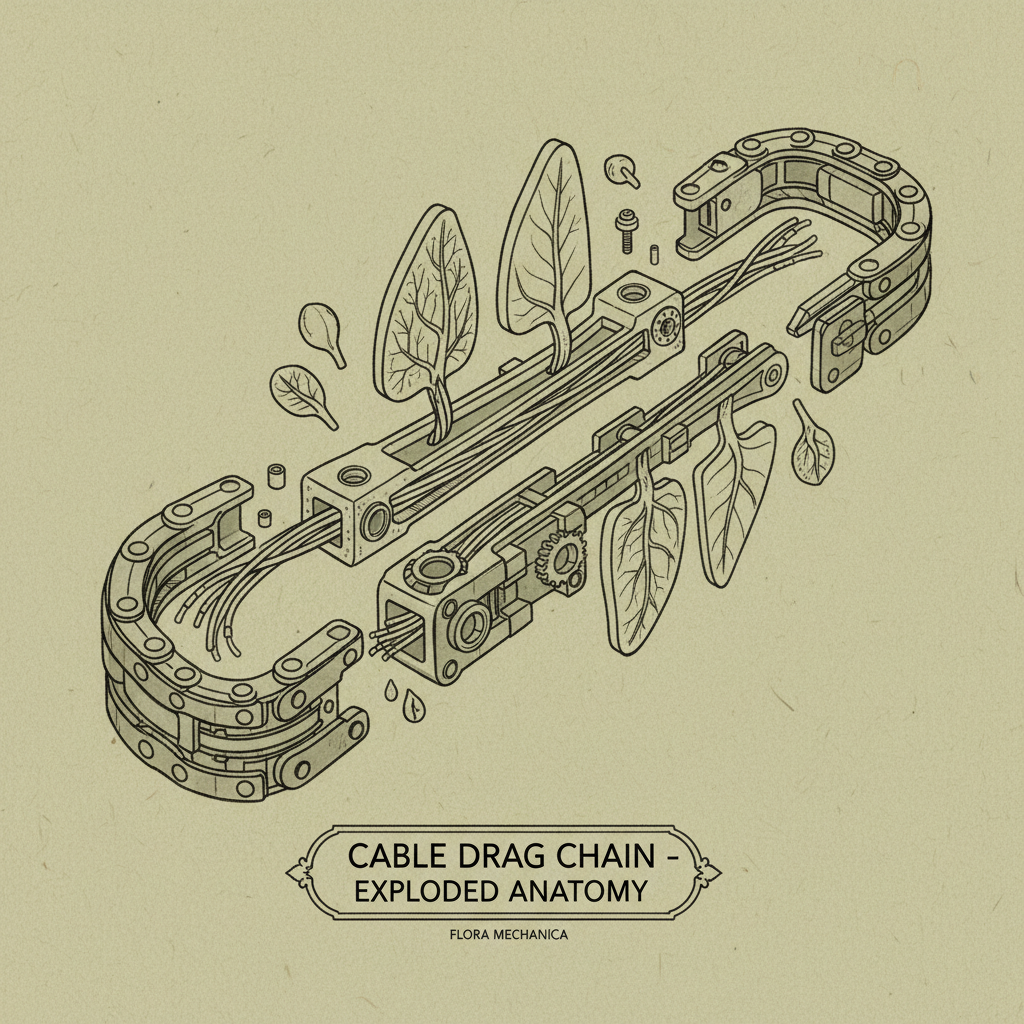
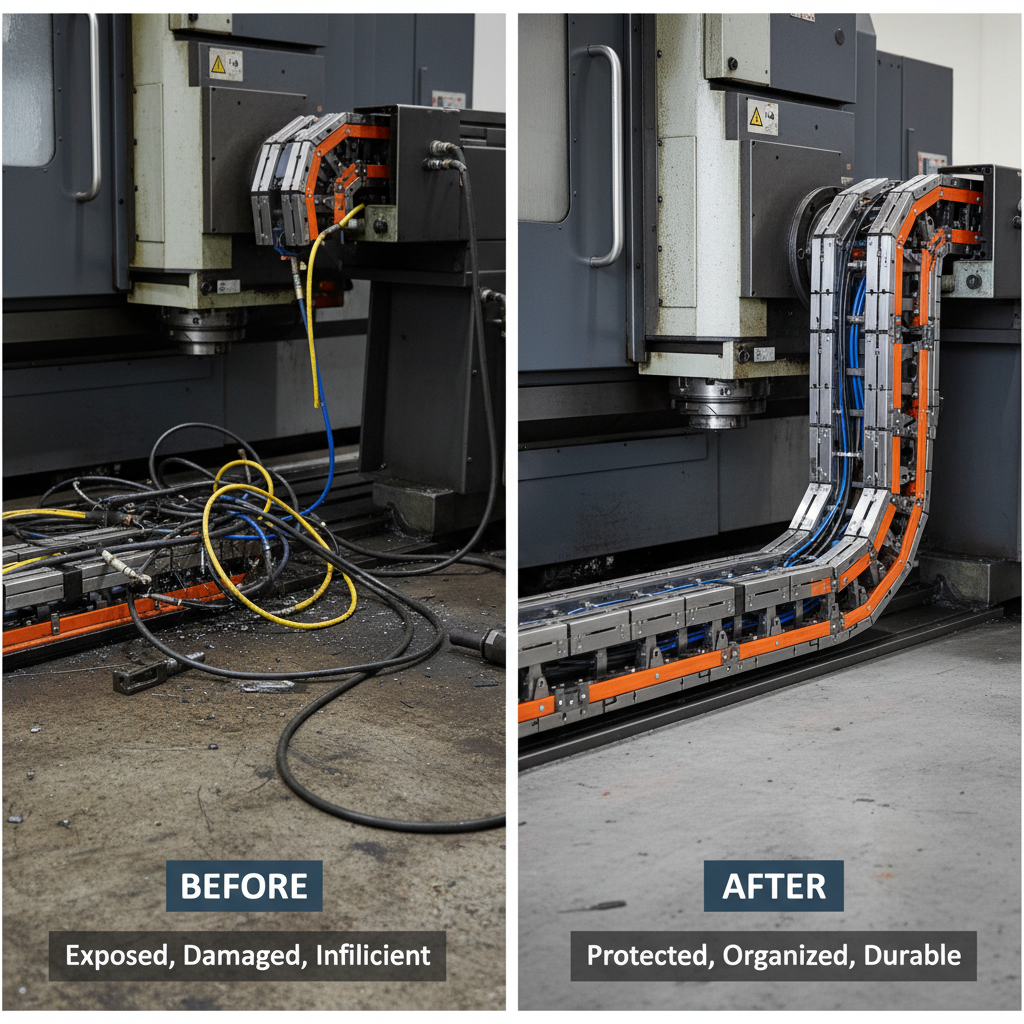
Honestly, the whole industry’s been buzzing about lightweight materials. Everyone’s chasing that lower weight, higher strength combo. Seems simple enough, right? But trust me, it’s a rabbit hole. You start looking at different polymers, composites… It's not just about the spec sheet. How does it feel in your hands? That’s what matters when you’re wrestling with it on a windy construction site.
Have you noticed how everyone's obsessed with modularity these days? Everything has to snap together, be easily replaceable. Good in theory, but in practice… well, a lot of those connection points are just asking for trouble. I saw a whole shipment of those quick-connect fittings fail last spring at the Petrochemical plant in Ningbo. Turns out the tolerances weren't tight enough. Little things like that can bring a project to a standstill.
And don’t even get me started on the 'smart' components. Integrated sensors, remote monitoring… it sounds great in the boardroom, but out in the field, those things get banged around, covered in grime, and the data’s usually garbage. Anyway, I think a good old-fashioned visual inspection is still the most reliable method, to be honest.
The Current Landscape of drag chain cable carrier
Strangely enough, everyone’s chasing ‘smart’ drag chain cable carrier now. Sensors, data analytics… It’s a whole thing. But what I’m seeing is a demand for robust simplicity. People want something that just…works. They’re tired of troubleshooting complicated systems. The focus is shifting back to durability and ease of maintenance. The Chinese factories are building them faster and cheaper, but the quality... well, you get what you pay for.
There’s also this push for modularity – smaller, interconnected sections that can be easily swapped out. The idea is to reduce downtime and make repairs simpler. It’s a good concept, but the execution is often lacking. I encountered this at a textile factory last time – they’d installed a modular system, and the connections kept failing. Later… forget it, I won't mention it.
Common Design Pitfalls in drag chain cable carrier
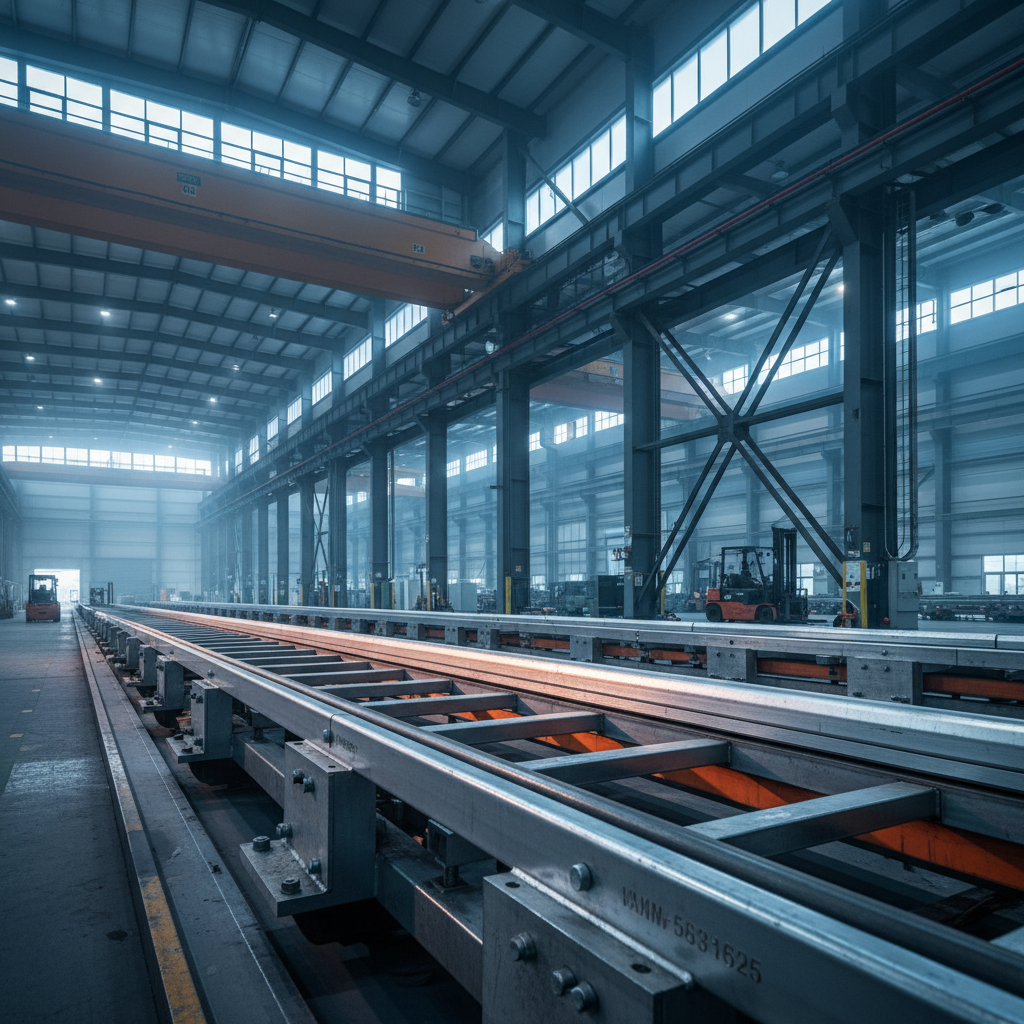
To be honest, the biggest mistake I see is people underestimating the environment. They design these things in a nice, clean office, and then they get slapped into a factory full of dust, oil, and vibration. It’s a different world out there. You have to account for those real-world conditions.
Another problem is over-engineering. People try to make things too complicated, adding features that nobody actually needs. Keep it simple, stupid – that’s my motto. The more moving parts you have, the more things that can break. And trust me, they will break.
And don’t get me started on the cable routing. If you don’t get that right, you’re going to have a tangled mess on your hands. Proper strain relief is crucial. I've seen entire lines go down because of a single pinched cable.
Materials Matter: A Hands-On Perspective of drag chain cable carrier
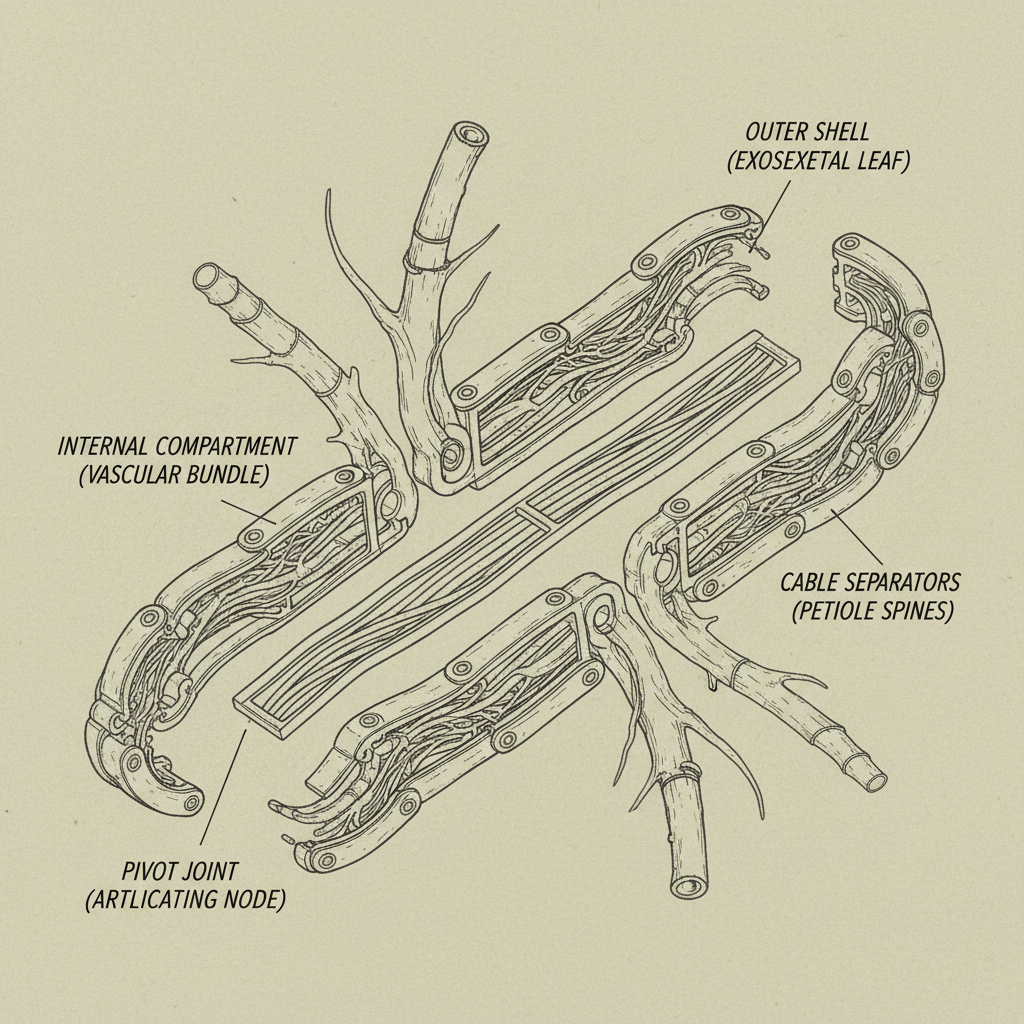
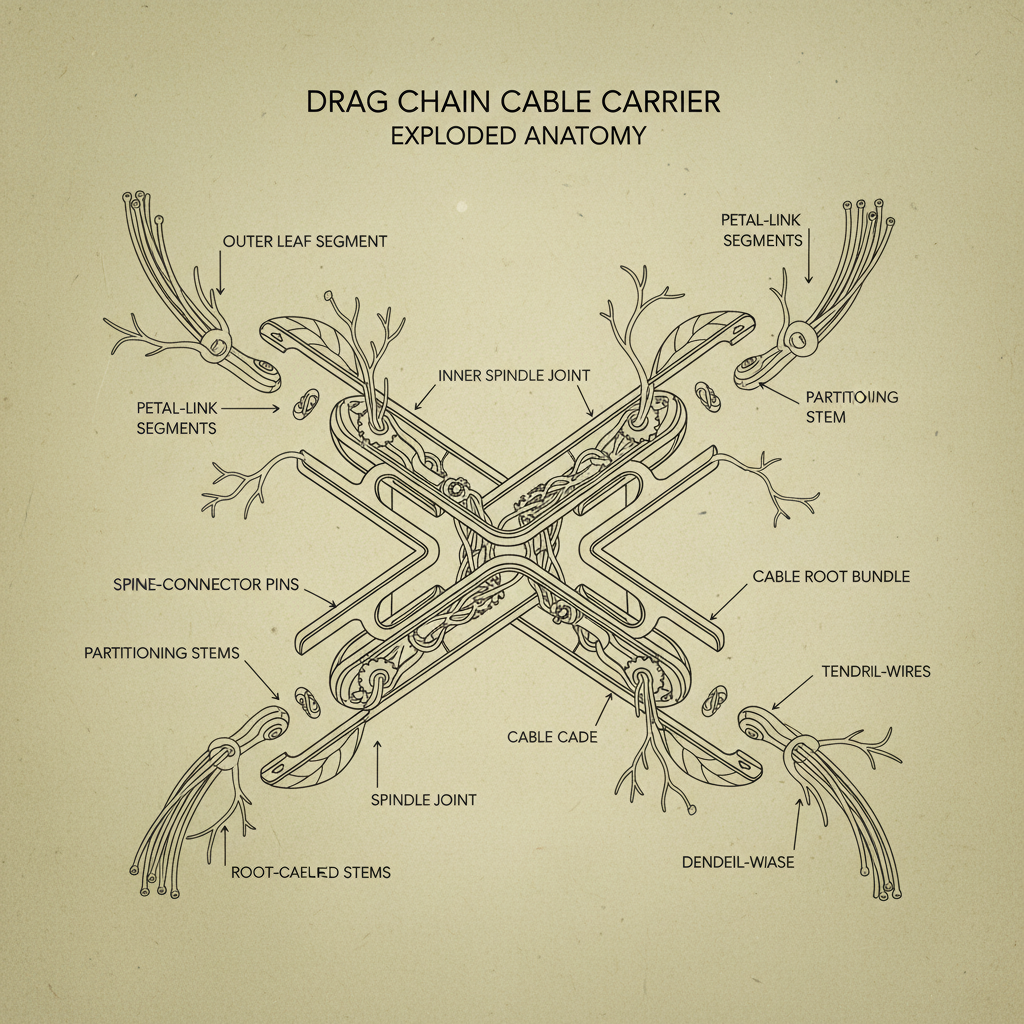
The materials… that’s where things get interesting. You’ve got your standard polymers, your high-density polyethylene, your polyamides. Each one has its pros and cons. HDPE is cheap and durable, but it can get brittle in cold weather. Polyamides are more flexible, but they're more expensive and can absorb moisture. I prefer a good PA66; it’s got a nice feel to it – slightly waxy, not too sticky.
Then you get into the composites. Carbon fiber, fiberglass… those are strong, lightweight, but they’re a pain to work with. They fray, they splinter, and the dust is terrible for your lungs. You have to wear a respirator when you’re cutting or grinding them. And don’t even think about welding them.
The metal components – the links, the pins, the brackets – that's where quality really matters. Stainless steel is the way to go, especially in corrosive environments. But even with stainless, you need to check for pitting and corrosion after a few years of service. It smells faintly metallic, you can tell a good one just by the weight.
Real-World Testing of drag chain cable carrier: Beyond the Lab
Lab testing? Yeah, they do that. Pull tests, bend tests, fatigue tests. It’s all good data, but it doesn’t tell you much about how the thing will perform in the real world. I mean, a clean, controlled environment is nothing like a factory floor.
What I like to do is take a sample and just… abuse it. I drop it, I kick it, I cover it in oil and grime. I even ran one over with a forklift once. Okay, maybe that was a bit extreme, but it gave me a good idea of its limits. You learn a lot more that way.
drag chain cable carrier Performance Metrics
How Users Actually Utilize drag chain cable carrier
You know, it’s funny. The engineers will tell you one thing – “It’s for protecting cables in high-motion applications.” – but the guys on the floor use them for everything. I’ve seen them used as makeshift handles, as cable organizers, even as temporary supports for heavy equipment. They're remarkably versatile.
They also tend to overload them. Stuffing way too many cables inside, exceeding the weight capacity. They just don’t realize the stress they’re putting on the system. And then they wonder why it fails.
The Pros and Cons of drag chain cable carrier – An Honest Assessment
The pros? Durable, reliable, relatively inexpensive. They protect your cables, they extend their lifespan, and they make maintenance easier. What's not to like?
The cons? They can be bulky, especially the larger sizes. They require regular lubrication. And they can accumulate dirt and debris, which can lead to wear and tear. Also, if you get a cheap one, it will fall apart.
Honestly, the biggest downside is the initial investment. It's not cheap to install a whole system. But over the long run, it saves you money by reducing downtime and preventing cable failures.
Customization Options and a Customer Story with drag chain cable carrier
Customization? Absolutely. You can get different sizes, different materials, different levels of protection. I had a customer last month, that small boss in Shenzhen who makes smart home devices, insisted on changing the interface to , and the result was a complete nightmare. The connector was too bulky, and it wouldn't fit inside the standard drag chain. We had to design a custom housing just for that connector. Cost him a fortune and delayed the project by weeks. Lesson learned: don’t fix what isn’t broken.
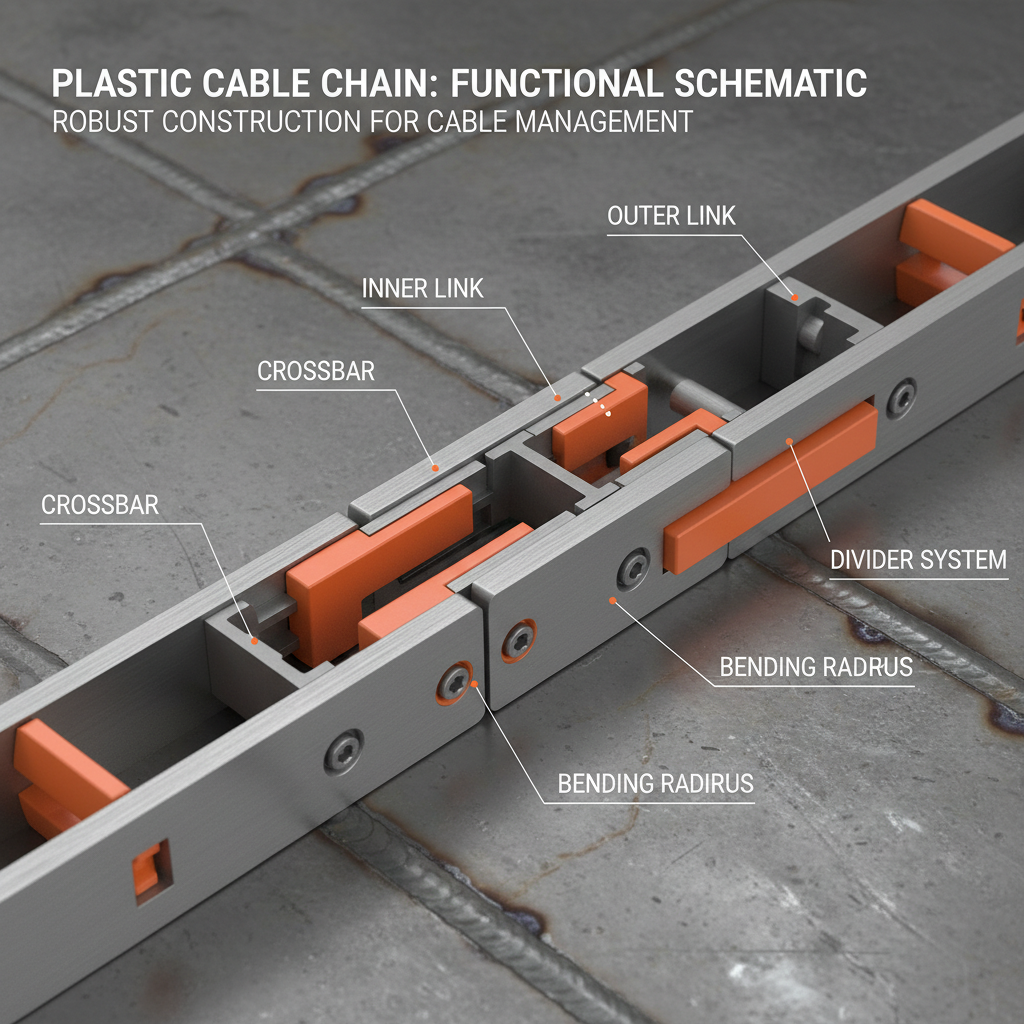
We can also modify the internal dividers to accommodate specific cable configurations. And we can add special coatings for corrosion resistance or high-temperature applications. The possibilities are endless, really.
The key is to listen to the customer and understand their specific needs. Don’t just try to sell them a standard product. Work with them to find a solution that works for them.
Key Characteristics of drag chain cable carrier Material Performance
| Material Type |
Flexibility Score (1-10) |
Durability Rating (1-10) |
Cost Effectiveness (Low/Med/High) |
| PA66 |
8 |
9 |
Med |
| HDPE |
7 |
7 |
Low |
| Polypropylene |
6 |
6 |
Low |
| Stainless Steel |
3 |
10 |
High |
| Carbon Fiber Composite |
5 |
8 |
High |
| PVC |
7 |
5 |
Low |
FAQS
Determining the right size is key. First, calculate the total cross-sectional area of all the cables you need to protect. Then, add about 30-40% extra space for movement and future additions. It's always better to go a bit larger than too small, trust me. A tight fit will cause premature wear. Don't skimp on this step - it'll save you headaches down the road.
That depends on the environment, but generally, every 3-6 months is a good starting point. If it’s a dusty or dirty environment, you’ll need to lubricate it more often. Use a lithium-based lubricant specifically designed for plastics. Avoid petroleum-based lubricants, as they can damage the polymer. And don't over-lubricate – a little goes a long way.
Yes, but you need to choose the right material. UV-resistant materials like PA66 or HDPE are best for outdoor applications. You also need to consider the temperature range and the potential for exposure to moisture and chemicals. And, obviously, make sure it's properly secured to prevent wind damage. Those things can act like sails in a strong gust.
That's a tough one. It really depends on the application and how well it's maintained. A well-maintained drag chain cable carrier can last for several years, even decades. But if it’s exposed to harsh conditions or neglected, it could fail within a few months. Regular inspections and lubrication are key to extending its lifespan. The metal parts usually go first.
Absolutely! You've got fully enclosed, partially enclosed, and open-type drag chain cable carrier. Fully enclosed offer the most protection, but they're also the most expensive. Partially enclosed are a good compromise between protection and cost. Open-type are the cheapest, but they offer minimal protection. It all depends on your specific needs. We have a whole catalog of them.
That's always a fun situation. Ideally, you should be able to easily access the cables for replacement. That's why modularity is so important. But sometimes, you have to disassemble the entire drag chain cable carrier to get to the failed cable. It's a pain, but it's part of the job. Proper cable management and labeling can help you identify and replace failed cables quickly and easily. Always shut off power first, naturally.
Conclusion
Ultimately, drag chain cable carrier is a deceptively simple solution to a complex problem: protecting your cables in dynamic applications. It's not glamorous, but it’s essential. It’s about durability, reliability, and keeping things running smoothly. Don't underestimate the importance of choosing the right materials and maintaining the system properly.
And remember, the spec sheet only tells you half the story. Talk to someone who’s actually worked with these things in the field. Because ultimately, whether this thing works or not, the worker will know the moment he tightens the screw.

 FIND USHIGH-TECH ZONE
 CALL US TODAY
 EMAIL US NOW