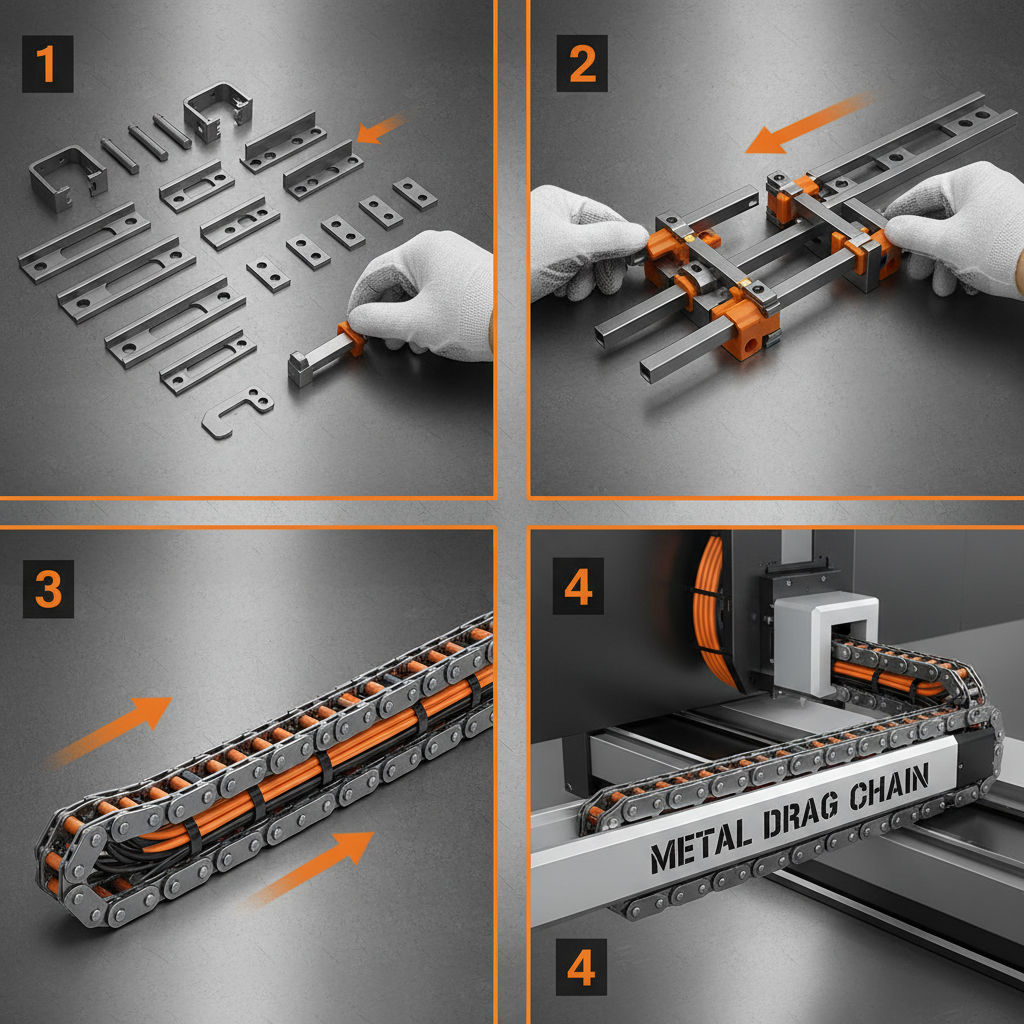
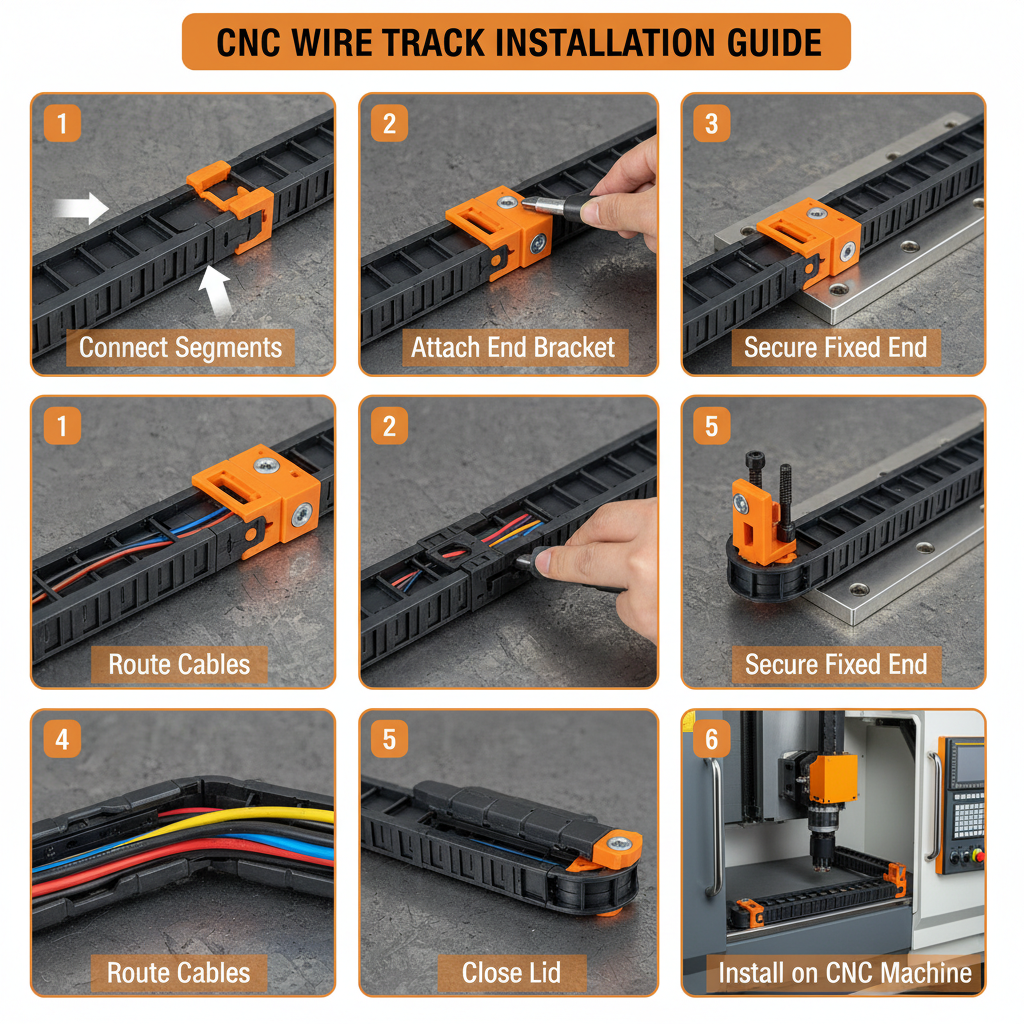
Metal cable track systems are becoming increasingly vital for modern infrastructure and efficient cable management globally. From powering smart cities to supporting renewable energy projects, these systems provide a secure, organized, and scalable solution for handling electrical, data, and telecommunication cables. Understanding their applications and benefits is critical for professionals in construction, engineering, and facility management, as well as for those involved in humanitarian efforts requiring rapid deployment of essential services. The versatility and reliability of metal cable track ensure long-term performance and reduced maintenance costs.
The global demand for effective cable management solutions is rising rapidly, driven by increasing urbanization, the expansion of data centers, and the growth of industries requiring complex wiring systems. According to industry reports, the cable management market is projected to reach billions of dollars in the coming years, with metal cable track representing a significant and growing segment. Addressing challenges related to cable protection, accessibility for maintenance, and scalability is paramount in ensuring the smooth operation of critical infrastructure.
Metal cable track offers a comprehensive solution to these challenges, providing a robust and adaptable framework for managing cables in diverse environments. Its advantages over traditional cable trays and conduits include enhanced flexibility, improved accessibility, and increased protection against damage and environmental factors. This makes it an essential component in projects ranging from commercial buildings and industrial facilities to transportation networks and renewable energy installations.
Introduction to Metal Cable Track
Metal cable track represents a significant advancement in cable management technology. Unlike traditional methods, it offers a modular and highly adaptable system designed to accommodate changing needs and complex cabling layouts. Its robust construction and secure closure mechanisms ensure long-term reliability and protection for valuable cabling assets.
The design philosophy behind metal cable track emphasizes ease of installation, maintenance, and future expansion. This results in reduced downtime, lower labor costs, and increased operational efficiency for businesses and organizations relying on dependable communication and power networks. This makes it a practical solution across a wide spectrum of applications.
Defining Metal Cable Track
Metal cable track, also known as wireway or cable trunking, is a protective enclosure system used to house and support electrical cables, data cables, and telecommunication wiring. Typically constructed from steel or aluminum, it provides a rigid and durable pathway for cables, protecting them from physical damage, environmental factors, and electromagnetic interference.
Unlike traditional conduit systems which are often fixed, metal cable track offers greater flexibility and accessibility. Its modular design allows for easy additions, modifications, and maintenance of cables without disrupting the entire system. This adaptability is crucial in dynamic environments where cabling requirements frequently evolve.
The connection to modern industry and humanitarian needs is profound. In industrial settings, metal cable track ensures the reliable operation of automated systems and machinery. In disaster relief, it enables the swift deployment of communication and power infrastructure to affected areas, aiding in rescue and recovery efforts.
Core Components & Characteristics
Metal cable track systems are comprised of several key components working in unison. These include straight sections, bends (90-degree, 45-degree), tees, crosses, and various fittings for mounting and connecting sections. The track itself is typically available in a range of sizes and profiles to accommodate different cable capacities and installation requirements. Proper grounding and bonding are essential characteristics for safety and electromagnetic compatibility.
The materials used in metal cable track construction are chosen for their durability, corrosion resistance, and electrical conductivity. Steel offers high strength and impact resistance, while aluminum provides a lightweight and corrosion-resistant alternative. Surface treatments, such as galvanization or powder coating, further enhance protection against environmental factors. The quality of these materials significantly impacts the longevity of the system.
Furthermore, the design of the track ensures secure cable retention and prevents stress on the cables themselves. Features like cable clamps, dividers, and adjustable supports help maintain cable organization and protect against bending and chafing. A well-designed metal cable track system contributes to the overall reliability and longevity of the cabling infrastructure.
Key Factors Influencing Metal Cable Track Selection
Selecting the right metal cable track system involves considering several key factors. Durability is paramount, particularly in harsh environments. The material and construction quality should withstand corrosion, impact, and temperature fluctuations. Scalability is also critical, ensuring the system can accommodate future cabling additions or modifications.
Cost efficiency is another important consideration. While initial costs may vary, a well-chosen system can minimize long-term maintenance and replacement expenses. Accessibility for maintenance and upgrades is crucial, as it reduces downtime and simplifies cable management. Finally, compliance with relevant industry standards and safety regulations is non-negotiable.
Metal Cable Track Performance Metrics
Global Applications and Real-World Use Cases
Metal cable track finds application in a wide array of industries and environments worldwide. In commercial buildings, it provides a neat and organized solution for managing power and data cables, ensuring a safe and efficient working environment. In industrial facilities, it protects cables from harsh conditions and heavy machinery, minimizing downtime and maintenance costs.
In transportation infrastructure, such as airports and railways, metal cable track supports critical signaling and communication systems. It's also vital in renewable energy projects, including solar farms and wind turbines, where it safeguards cables exposed to the elements. In remote industrial zones, it provides a reliable cabling infrastructure where accessibility is limited.
Advantages and Long-Term Value Proposition
The advantages of metal cable track are substantial. Tangible benefits include reduced installation time and labor costs, minimized cable damage, and simplified maintenance procedures. Its scalability ensures long-term adaptability to changing needs, reducing the need for costly system replacements.
Beyond the practical benefits, metal cable track offers a compelling long-term value proposition. It enhances safety by protecting cables from damage and preventing electrical hazards. It promotes operational efficiency by enabling quick and easy access for maintenance and upgrades. It builds trust and reliability with stakeholders by ensuring a dependable cabling infrastructure.
Future Trends and Innovation in Metal Cable Track
The future of metal cable track is intertwined with emerging trends in sustainability, digital transformation, and automation. Increasingly, manufacturers are exploring the use of recycled materials and eco-friendly coatings to reduce the environmental impact of their products. Integration with Building Information Modeling (BIM) software is streamlining design and installation processes.
Smart cable track systems, incorporating sensors and monitoring capabilities, are also gaining traction. These systems provide real-time data on cable load, temperature, and environmental conditions, enabling proactive maintenance and preventing potential failures. The development of more flexible and adaptable track designs will further enhance their versatility and applicability in diverse environments.
Furthermore, advancements in materials science are leading to the creation of lighter-weight and stronger metal alloys, improving the overall performance and durability of metal cable track systems. These innovations will contribute to a more sustainable and efficient cabling infrastructure for the future.
Summarizing Key Considerations for Metal Cable Track Solutions
| Material Type |
Environmental Resistance |
Scalability Index (1-5) |
Cost-Effectiveness Rating (1-5) |
| Steel |
High |
4 |
3 |
| Aluminum |
Very High |
4 |
4 |
| Galvanized Steel |
Excellent |
5 |
3 |
| Stainless Steel |
Exceptional |
3 |
2 |
| Powder-Coated Steel |
Good |
4 |
4 |
| Aluminum Alloy |
Outstanding |
5 |
3 |
FAQS
Metal cable track offers several advantages. It’s more adaptable to changes in cable routing, offers better protection against physical damage, is often easier to install and modify, and provides superior accessibility for maintenance. The enclosed nature of metal cable track also enhances safety and reduces the risk of electromagnetic interference, making it preferable in critical applications.
While the initial investment may be slightly higher than some alternatives, metal cable track saves costs long-term through reduced installation time, minimized cable damage (preventing costly repairs or replacements), and simplified maintenance. Its scalability reduces the need for complete system overhauls when cabling requirements change, further lowering lifecycle costs.
Yes, metal cable track is suitable for outdoor applications, particularly when constructed from corrosion-resistant materials like aluminum or galvanized steel. Important considerations include selecting track with appropriate environmental protection ratings (IP ratings), ensuring proper grounding to prevent lightning damage, and utilizing UV-resistant coatings to prevent degradation from sunlight exposure.
Several industry standards govern metal cable track systems. These include UL (Underwriters Laboratories) standards for safety, IEC (International Electrotechnical Commission) standards for electrical installations, and NEMA (National Electrical Manufacturers Association) standards for enclosure types. Ensuring compliance with these standards guarantees product quality, safety, and performance.
Determining the correct size involves calculating the total cross-sectional area of all cables to be accommodated, factoring in future expansion needs. Manufacturers typically provide load capacity charts and guidance based on cable diameter and number. Consulting with a qualified electrical engineer is recommended for complex installations.
Proper installation involves ensuring secure mounting, correct grounding, and proper cable support. Regular inspections should be conducted to check for corrosion, damage, or loose connections. Avoid overfilling the track, as this can restrict airflow and increase cable temperatures. Always follow manufacturer's recommendations and relevant safety guidelines.
Conclusion
Metal cable track stands as a critical component in modern infrastructure, offering a robust, adaptable, and cost-effective solution for cable management. From enhancing safety and reliability to promoting scalability and sustainability, its benefits are far-reaching. As industries continue to evolve and cabling needs become increasingly complex, the demand for metal cable track will only continue to grow.
Investing in high-quality metal cable track systems is a strategic decision that yields long-term value. By embracing innovation and adopting best practices, organizations can ensure a dependable and efficient cabling infrastructure that supports their operational success. To learn more about our comprehensive range of metal cable track solutions and how we can help you optimize your cabling infrastructure, visit our website: www.agilechains.com

 FIND USHIGH-TECH ZONE
 CALL US TODAY
 EMAIL US NOW