-
 FIND USHIGH-TECH ZONE
 -
 CALL US TODAY
 -
 EMAIL US NOW
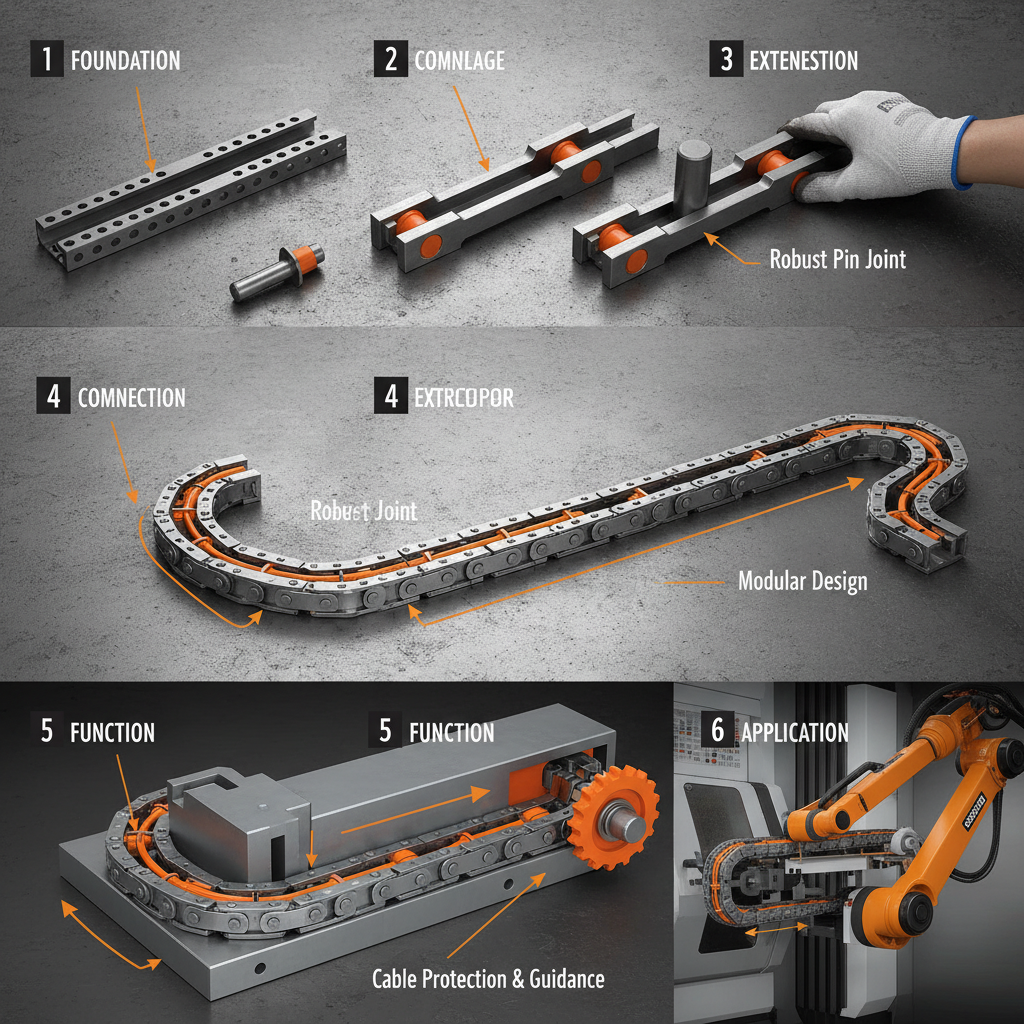
Stainless steel cable carriers are vital components in modern industrial automation, ensuring the safe and efficient management of cables and hoses within moving machinery. Their robust construction and corrosion resistance make them essential across diverse sectors, including robotics, material handling, and renewable energy. Understanding the nuances of these systems is crucial for optimizing performance, minimizing downtime, and extending the lifespan of valuable equipment. The demand for reliable and durable cable management solutions continues to grow globally, positioning stainless steel cable carriers as a cornerstone of efficient industrial operation.
The increasing complexity of automated systems necessitates advanced cable management techniques. Traditional methods often fall short in demanding environments, leading to cable wear, damage, and potential system failures. Stainless steel cable carriers address these challenges by providing a protective enclosure for cables, shielding them from external stresses, debris, and harsh conditions. This translates to reduced maintenance costs, increased productivity, and improved overall safety.
Furthermore, the growing emphasis on Industry 4.0 and smart manufacturing is driving the adoption of sophisticated cable carrier systems. These systems often integrate sensors and monitoring capabilities to provide real-time data on cable health and performance, enabling predictive maintenance and preventing costly disruptions. The versatility and adaptability of stainless steel cable carriers make them an ideal solution for these evolving industrial landscapes.
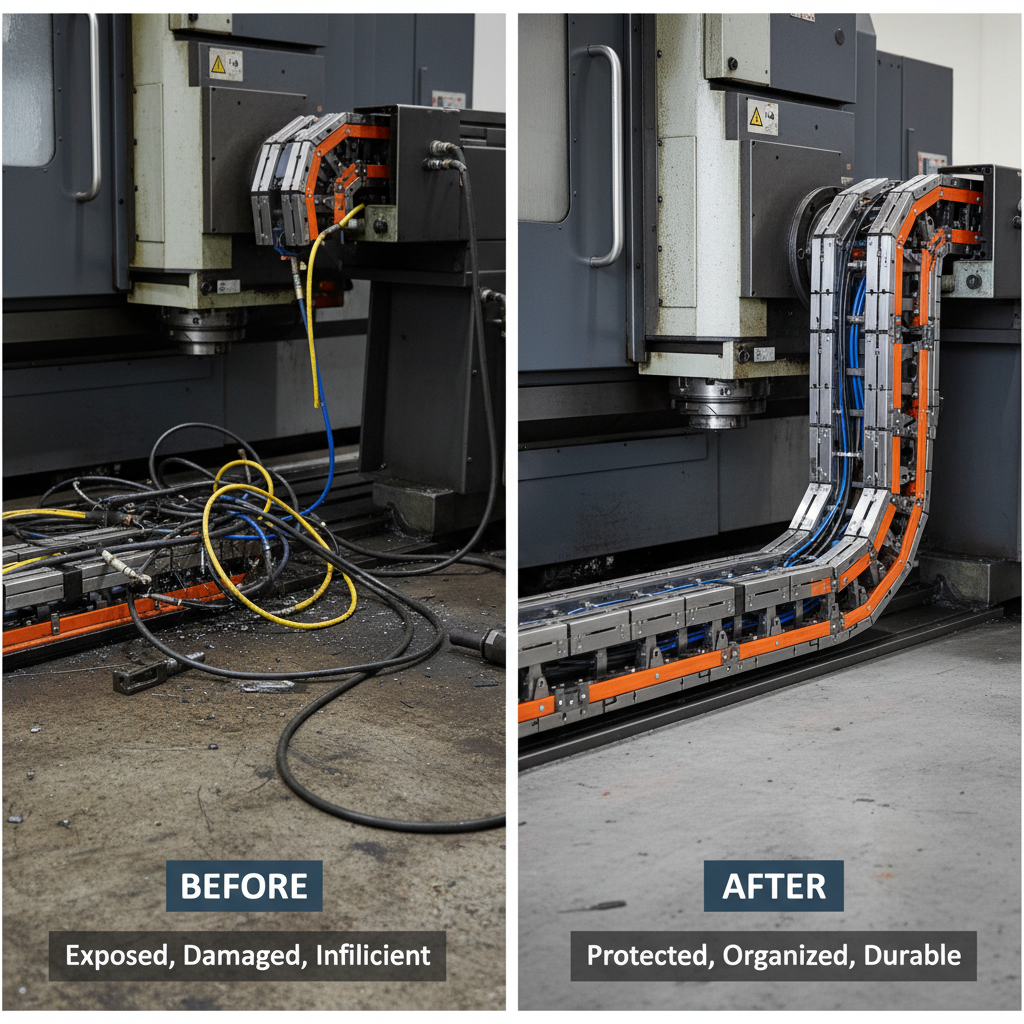
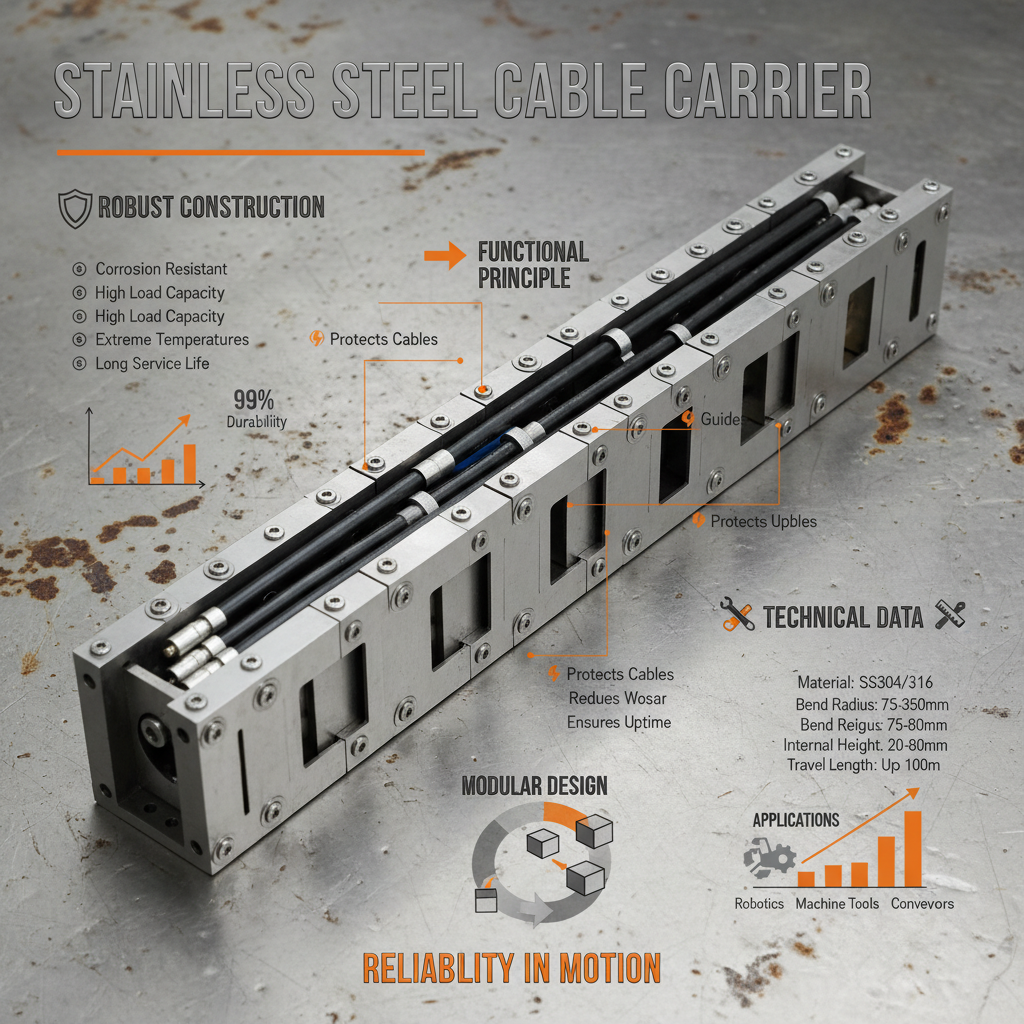
Stainless steel cable carriers, also known as energy chains, are fundamental to the operation of countless automated systems. They protect sensitive cables and hoses from mechanical stress, environmental factors, and wear, contributing significantly to the reliability and longevity of machinery. The use of stainless steel specifically offers exceptional corrosion resistance, making them ideal for harsh operating conditions.
These systems aren't simply passive protectors; they actively enhance the efficiency of movement within automated processes. By guiding and supporting cables, they reduce friction and prevent tangling, minimizing energy loss and downtime. This ultimately leads to increased productivity and cost savings for businesses across numerous industries.
A common challenge with stainless steel cable carriers is initial cost – they are typically more expensive than plastic alternatives. However, the long-term benefits of durability and reduced maintenance often outweigh this initial investment. Another challenge can be selecting the appropriate carrier size and type for a specific application.
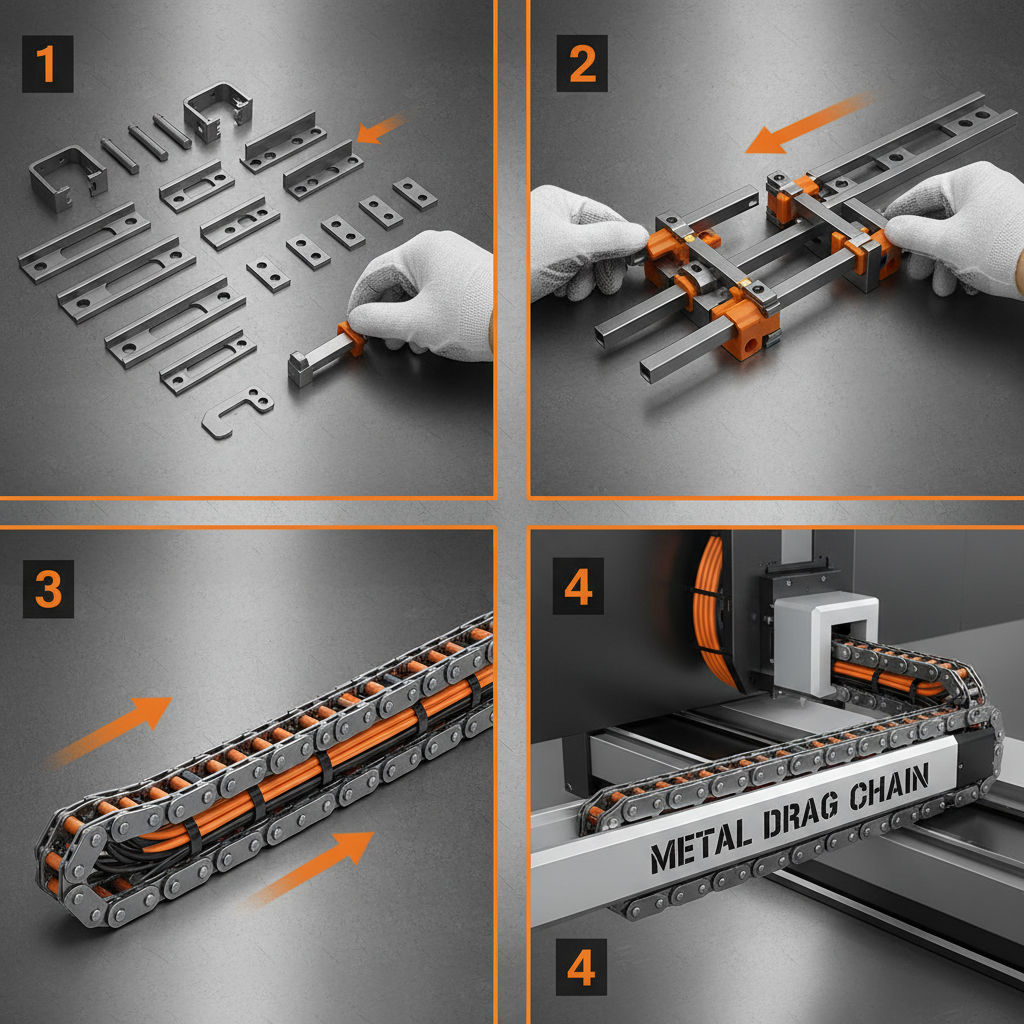
Expert consultation and detailed system analysis are crucial for overcoming this. Innovative solutions include modular designs that allow for easy customization and expansion, as well as the development of specialized carriers for specific industries and applications. Improved manufacturing techniques are also reducing costs and increasing accessibility.
Furthermore, optimizing cable routing and utilizing appropriate cable glands and strain relief mechanisms can further enhance the performance and longevity of stainless steel cable carrier systems.
| Carrier Type | Corrosion Resistance (1-10) | Load Capacity (kg) | Installation Complexity (1-10) |
|---|---|---|---|
| Standard Stainless Steel | 9 | 150 | 6 |
| High-Grade Stainless Steel | 10 | 250 | 7 |
| Lightweight Stainless Steel | 8 | 100 | 5 |
| Fully Enclosed Stainless Steel | 9 | 200 | 8 |
| Modular Stainless Steel | 7 | 120 | 4 |
| Compact Stainless Steel | 8 | 80 | 5 |
Stainless steel cable carriers offer superior durability, corrosion resistance, and temperature tolerance compared to plastic alternatives. While plastic carriers may be more cost-effective upfront, stainless steel provides a longer service life and reduced maintenance, especially in harsh industrial environments. This translates to lower total cost of ownership and increased system reliability. Their ability to withstand heavier loads and higher speeds also makes them ideal for demanding applications.
Determining the appropriate size requires considering several factors, including the number, diameter, and bend radius of the cables and hoses to be enclosed. You also need to account for future cable additions and the dynamic movement of the system. Manufacturers typically provide sizing charts and calculators to assist in this process. It's generally recommended to leave some extra space within the carrier to prevent stress on the cables and allow for easy access.
Stainless steel cable carriers generally require minimal maintenance. Regular visual inspections for signs of wear or damage are recommended. Periodic cleaning to remove debris and contaminants can also help prolong their lifespan. Lubrication of the chain links may be necessary in some applications to ensure smooth operation. Proper cable routing and strain relief are crucial to prevent premature failure.
Yes, stainless steel's excellent corrosion resistance makes it ideal for outdoor applications. However, it’s important to select a grade of stainless steel that is appropriate for the specific environmental conditions, such as exposure to salt water or harsh chemicals. Additional protective coatings may also be considered for extreme environments. Proper drainage and ventilation are also essential to prevent moisture buildup.
The lifespan of a stainless steel cable carrier varies depending on the application and environmental conditions. However, with proper maintenance, they can typically last for 5-10 years or even longer. Factors that can affect lifespan include load, speed, temperature, and exposure to corrosive substances. Investing in a high-quality carrier and adhering to recommended maintenance procedures will maximize its longevity.
Yes, many manufacturers offer custom design services to meet specific application requirements. This can include variations in size, shape, material, and mounting options. Custom designs are often necessary for complex systems or when standard carriers do not provide adequate protection or support. Providing detailed specifications and drawings is essential for obtaining an accurate quote and ensuring a successful outcome.
Stainless steel cable carriers are indispensable components in modern industrial automation, providing reliable protection, enhancing efficiency, and extending the lifespan of critical equipment. Their durability, corrosion resistance, and scalability make them a valuable investment for a wide range of applications. From robotics and material handling to renewable energy and aerospace, these systems are enabling businesses to operate more safely, productively, and sustainably.
Looking ahead, continued innovation in materials science and sensor technology will further enhance the capabilities of stainless steel cable carriers. Embracing these advancements and prioritizing proper maintenance practices will ensure that these systems remain at the forefront of cable management technology. To learn more about our comprehensive range of stainless steel cable carrier solutions, visit our website at www.agilechains.com.