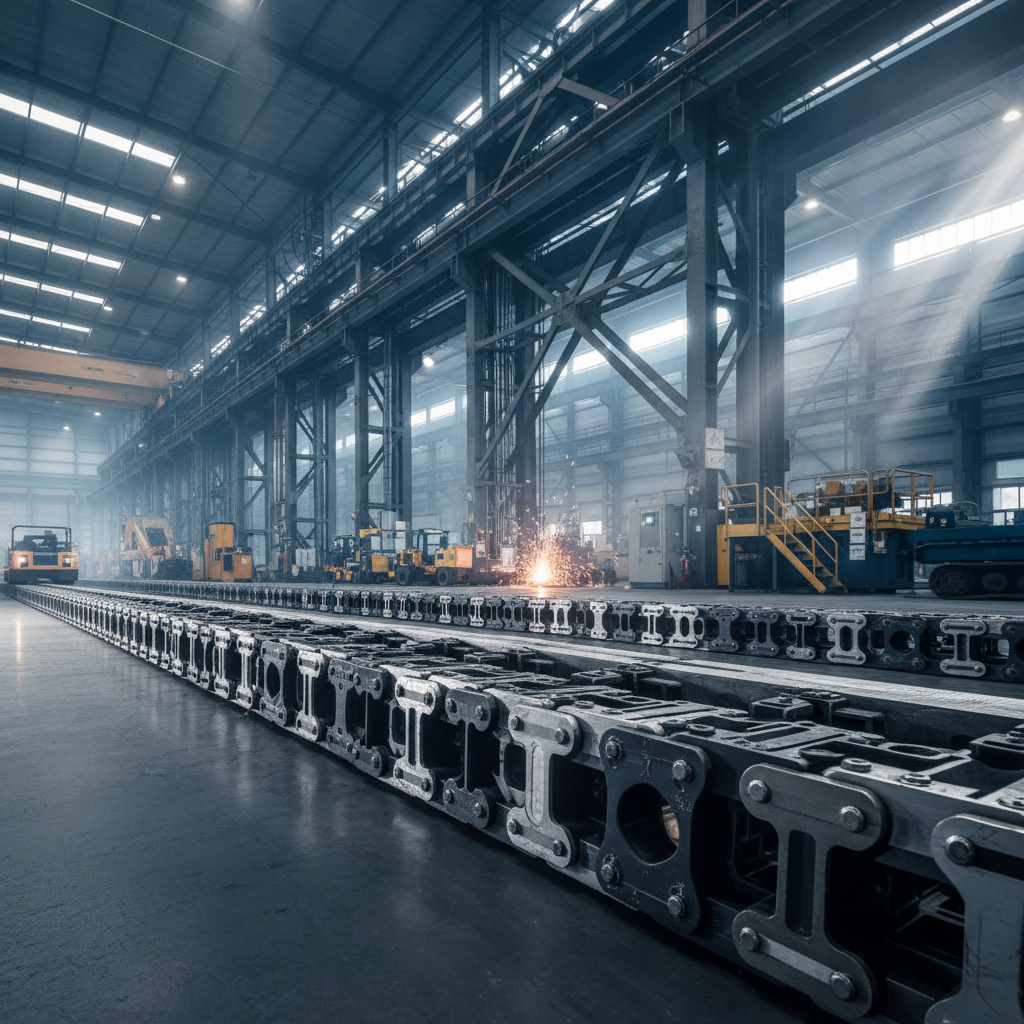
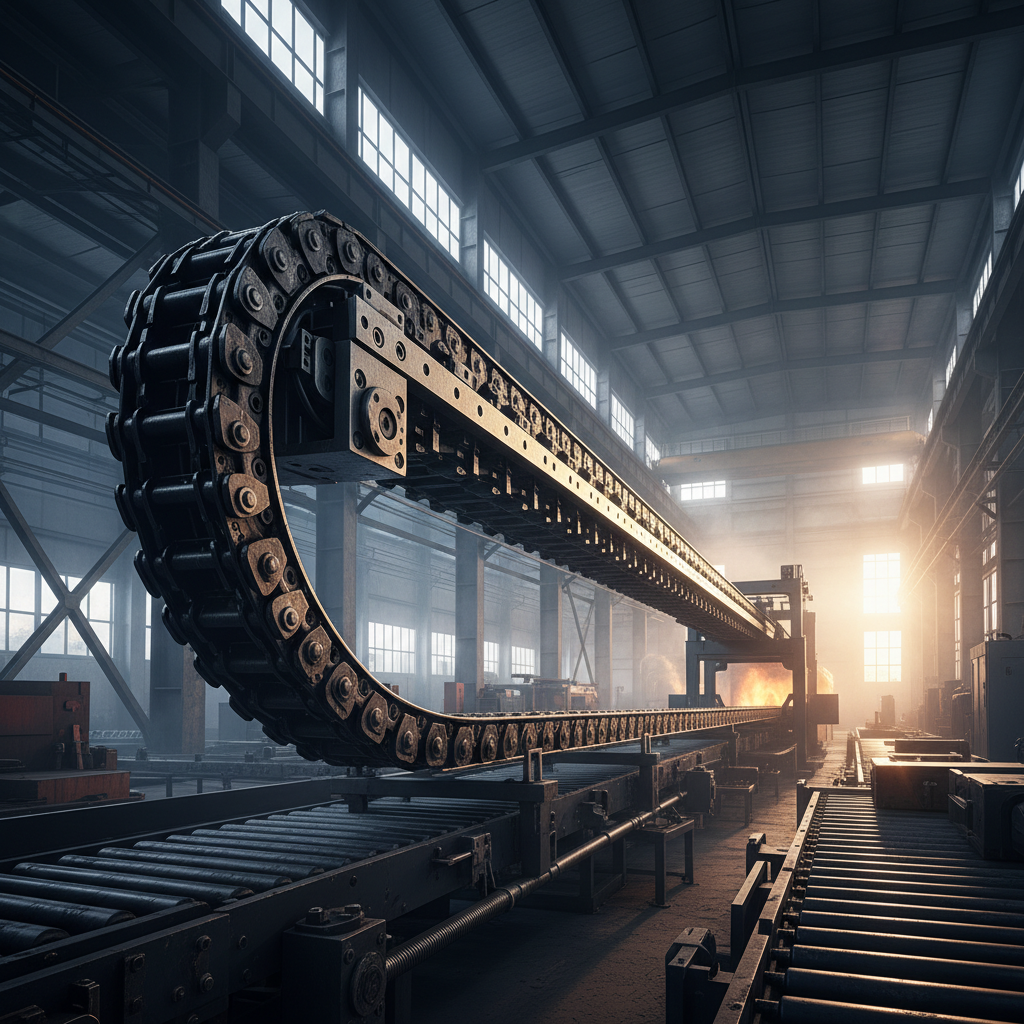
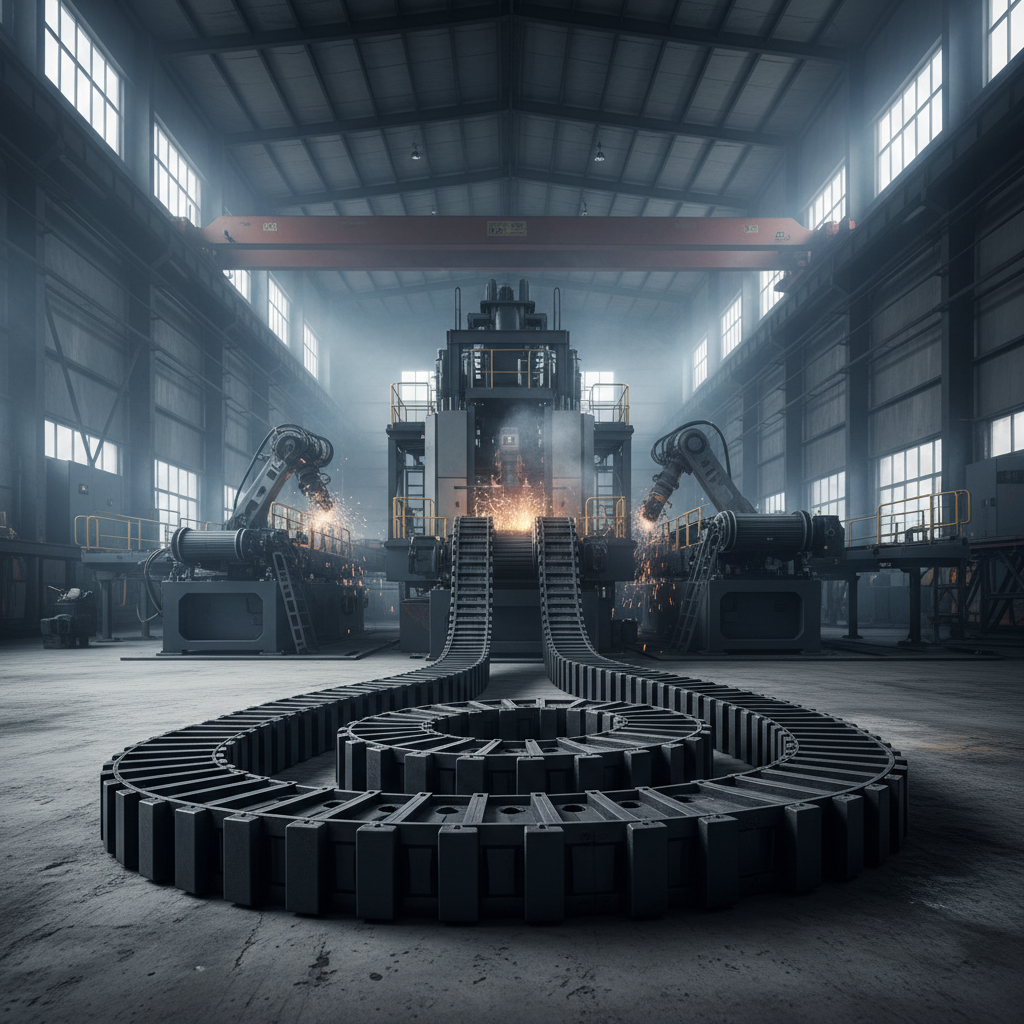
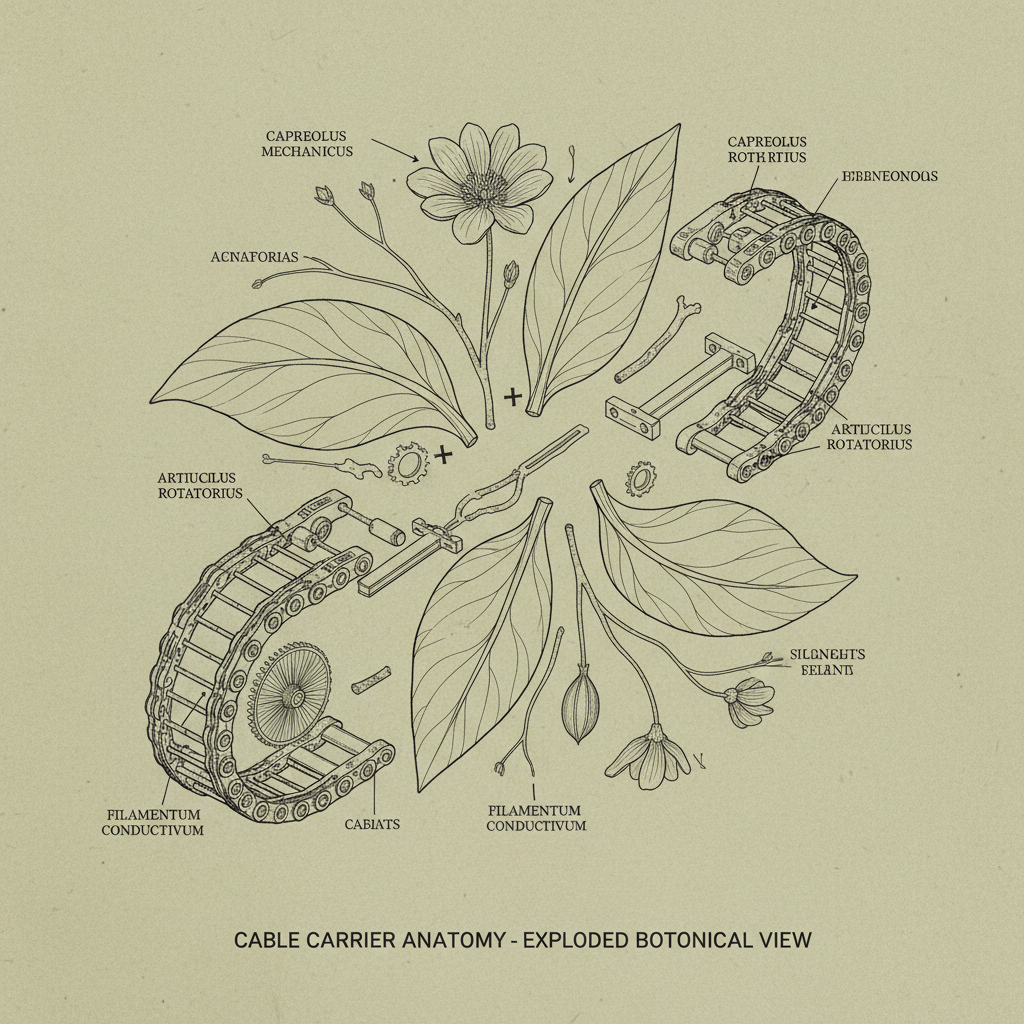
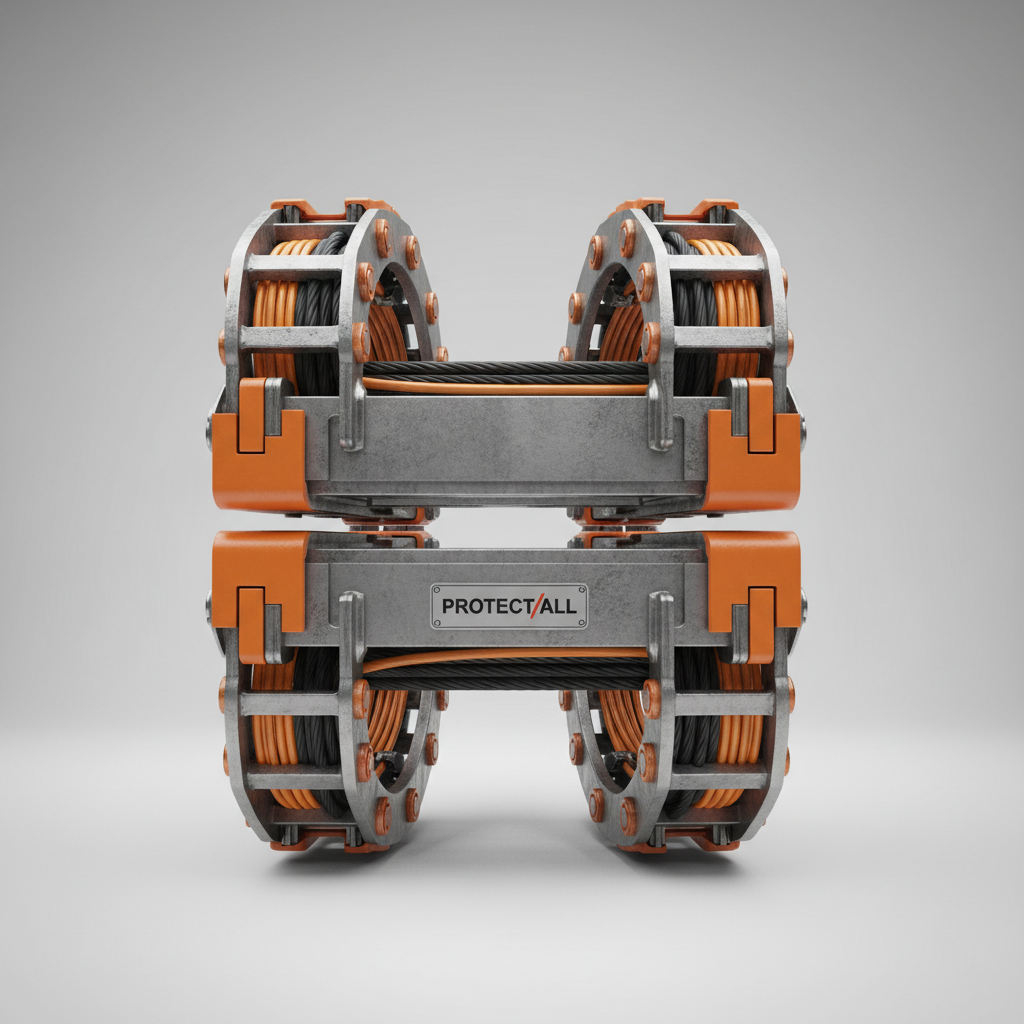
The world of industrial automation relies heavily on efficient and reliable cable management solutions. The e chain cable carrier stands as a cornerstone of this efficiency, safeguarding cables and hoses within dynamic applications. Its impact spans diverse sectors, from robotics and machine tools to material handling and renewable energy. Understanding its principles, applications, and future trends is critical for engineers, technicians, and anyone involved in maintaining and optimizing automated systems.
Globally, the demand for robust cable management is escalating, driven by the increasing complexity of machinery and the growing need for enhanced operational uptime. According to a report by Market Research Future, the global cable management market is projected to reach \$14.3 billion by 2028, exhibiting a CAGR of 6.8% during the forecast period. This growth underscores the critical role of solutions like the e chain cable carrier in mitigating downtime, reducing maintenance costs, and improving overall system performance.
The e chain cable carrier addresses the persistent challenge of protecting sensitive cables and hoses from wear, tear, and environmental hazards within moving machinery. Traditional methods like loose cabling or simple conduits are often inadequate, leading to frequent failures, costly repairs, and potential safety risks. The e chain provides a controlled, protected pathway, ensuring the longevity and reliability of essential components in automated systems.
Introduction to e chain Cable Carrier
The e chain cable carrier represents a sophisticated solution to a fundamental problem in industrial automation: protecting and guiding moving cables and hoses. These carriers, often constructed from high-strength polymers, provide a robust and flexible enclosure that prevents wear, reduces noise, and extends the lifespan of critical components. The design minimizes friction and allows for smooth, unrestricted movement, improving system efficiency and reducing maintenance requirements.
Beyond simply protecting cables, the e chain cable carrier contributes to a safer working environment. By containing cables within a defined pathway, it eliminates tripping hazards and minimizes the risk of damage caused by accidental contact. Furthermore, the enclosed design shields cables from exposure to harsh environmental factors such as oils, chemicals, and extreme temperatures, enhancing overall system reliability.
Defining the e chain Cable Carrier
An e chain cable carrier, also known as an energy chain, is a system designed to enclose, guide, and protect cables and hoses as they move during operation. Unlike traditional static cable trays, the e chain is engineered for dynamic applications, allowing for continuous bending, twisting, and flexing without compromising cable integrity. It’s fundamentally a modular system, composed of interconnected links that create a robust, yet flexible, pathway.
The concept is deeply intertwined with the evolution of modern industry. As automation became more prevalent, the need for reliable cable management solutions grew exponentially. The e chain cable carrier emerged as a key enabler of this automation, allowing for increasingly complex and dynamic movements in robotics, CNC machines, and other automated systems. Its adoption signifies a shift towards proactive maintenance and enhanced system uptime.
While seemingly straightforward, the e chain cable carrier’s connection to humanitarian needs is emerging. In disaster relief scenarios, rapidly deployable equipment often requires robust cable management, particularly for power and data transmission. Their durability and ease of installation make them invaluable in establishing critical infrastructure in challenging environments.
Key Factors of e chain Cable Carrier Performance
Several key factors contribute to the overall performance and suitability of an e chain cable carrier. Durability is paramount, as the carrier must withstand repeated flexing, exposure to environmental factors, and potential impacts. The materials used in construction – typically high-strength polymers like polyamide or polypropylene – directly influence its lifespan and resistance to wear and tear.
Scalability is another crucial factor. The e chain cable carrier must be adaptable to various cable diameters and quantities. Modular designs allow for easy expansion or contraction, accommodating changing system requirements without necessitating a complete replacement. This flexibility ensures a cost-effective solution over the long term.
Cost efficiency extends beyond the initial purchase price. While higher-quality carriers may have a higher upfront cost, their increased durability and reduced maintenance requirements often translate to significant savings over the system's lifecycle. Furthermore, minimizing downtime through reliable cable protection directly impacts productivity and profitability. Finally, ease of installation and maintenance contribute to reduced labor costs.
Global Applications of e chain Cable Carrier
The e chain cable carrier finds widespread application across a diverse range of industries. In the robotics sector, they are essential for guiding cables to robotic arms and end-effectors, enabling complex movements and maintaining signal integrity. Similarly, in CNC machine tools, they protect cables from the vibrations and debris generated during machining processes.
Material handling systems, such as automated storage and retrieval systems (AS/RS), heavily rely on e chain cable carrier to ensure the reliable operation of conveyors, stackers, and other automated equipment. The renewable energy sector also utilizes them extensively in wind turbines and solar tracking systems, protecting cables from exposure to the elements. In remote industrial zones, their durability and low maintenance requirements make them particularly valuable.
e chain Cable Carrier Application Rating
Advantages and Long-Term Value
The advantages of implementing an e chain cable carrier extend far beyond simple cable protection. Tangible benefits include significantly reduced downtime, as the robust design minimizes cable failures and associated interruptions. This directly translates into increased productivity and revenue. Furthermore, the system's modularity simplifies maintenance, allowing for quick and easy replacement of individual links without requiring a complete system overhaul.
From a sustainability perspective, the e chain cable carrier contributes to a longer lifespan for cables, reducing the need for frequent replacements and minimizing waste. The emotional benefits lie in the peace of mind that comes with knowing critical systems are protected and reliable, fostering trust in the overall operation. Investing in a high-quality e chain is an investment in long-term operational integrity and reduced risk.
Future Trends in e chain Cable Carrier Technology
The future of e chain cable carrier technology is intimately linked to the broader trends of automation, digitalization, and sustainability. We are seeing a growing demand for intelligent e chains equipped with sensors that monitor cable stress, temperature, and wear, providing predictive maintenance capabilities. These smart e chains can alert operators to potential issues before they escalate, further minimizing downtime.
Another emerging trend is the development of e chains constructed from bio-based and recyclable materials, aligning with the growing emphasis on circular economy principles. Integration with Industry 4.0 platforms is also gaining traction, allowing for seamless data exchange and remote monitoring of e chain performance. These advancements will drive increased efficiency, reliability, and sustainability in industrial applications.
Challenges and Solutions
Despite their numerous advantages, implementing e chain cable carrier systems can present certain challenges. Selecting the appropriate carrier for a specific application – considering factors like cable diameter, bending radius, and environmental conditions – requires careful engineering analysis. Incorrect selection can lead to premature wear or reduced performance.
Another challenge is ensuring proper cable fill capacity. Overfilling the e chain can restrict cable movement and increase stress, while underfilling can lead to rattling and potential damage. Solutions include utilizing specialized software tools for e chain selection and utilizing cable management accessories to optimize cable routing and fill capacity. Furthermore, partnering with experienced e chain suppliers can provide valuable expertise and support throughout the implementation process.
Addressing the increasing demand for miniaturization in robotics and other applications is also a key challenge. Manufacturers are responding by developing increasingly compact and lightweight e chain cable carrier designs, utilizing advanced materials and innovative construction techniques.
Key Performance Indicators of e chain Cable Carrier Solutions
| Application Area |
Durability Score (1-10) |
Maintenance Frequency |
Cost Effectiveness (1-10) |
| Robotics |
9 |
Low |
8 |
| CNC Machining |
8 |
Medium |
7 |
| Wind Turbines |
7 |
High |
6 |
| Automated Storage |
8 |
Low |
9 |
| Medical Devices |
10 |
Very Low |
7 |
| Solar Tracking Systems |
6 |
Medium |
8 |
FAQS
E chains offer superior flexibility and protection for dynamic applications where cables are constantly moving. Unlike rigid conduits, they allow for unrestricted bending and twisting, reducing stress on cables and extending their lifespan. Furthermore, e chains are modular, making installation and maintenance significantly easier, and providing better access to individual cables for repairs or replacements. This also minimizes downtime compared to replacing entire conduit runs.
Selecting the right e chain requires considering several factors, including the cable diameter, bending radius, travel speed, and environmental conditions. You’ll need to determine the internal width and height of the e chain to comfortably accommodate all cables and hoses, allowing for some free space for movement. Material selection is also crucial; consider whether you need resistance to chemicals, UV radiation, or extreme temperatures. Consulting with an e chain specialist is recommended.
The lifespan of an e chain cable carrier varies depending on the application, operating conditions, and quality of the materials. However, with proper selection and maintenance, a well-maintained e chain can last for several years, often exceeding five years or more. Factors that can impact lifespan include excessive stress, exposure to harsh chemicals, and improper cable fill. Regular inspection and lubrication can significantly extend its service life.
Yes, specialized e chains are available that are designed for use in cleanroom environments. These e chains are typically made from materials that do not generate particles and are designed to minimize outgassing. They often feature closed designs to prevent contamination. It’s crucial to choose an e chain specifically certified for cleanroom applications to ensure compliance with relevant standards.
Regular maintenance is crucial for maximizing the lifespan and performance of an e chain. This includes visual inspection for wear and tear, lubrication of the chain links, and ensuring proper cable fill. Periodically check for loose connections and replace any damaged links. Cleaning the e chain to remove dust and debris is also important, especially in harsh environments. Following the manufacturer's recommendations for maintenance intervals is key.
Yes, noise reduction is often a concern, especially in applications where noise levels must be minimized. E chain manufacturers offer several solutions, including sound-dampening materials incorporated into the chain links, and the use of internal separators to prevent cable rattling. Selecting an e chain with a tighter pitch can also reduce noise. Proper cable fill and lubrication contribute to quieter operation.
Conclusion
The e chain cable carrier is more than just a cable management solution; it’s a critical component in modern industrial automation, enabling increased efficiency, reduced downtime, and improved safety. Its adaptability to diverse applications, coupled with ongoing innovations in materials and technology, solidify its position as a cornerstone of reliable and sustainable operations. Understanding its principles and proper implementation is essential for maximizing system performance and minimizing long-term costs.
Looking ahead, the integration of smart technologies and sustainable materials will further enhance the value of e chain cable carrier systems. By embracing these advancements, industries can unlock new levels of efficiency, reliability, and environmental responsibility. To learn more about how an e chain cable carrier can benefit your specific application, visit our website: www.agilechains.com.

 FIND USHIGH-TECH ZONE
 CALL US TODAY
 EMAIL US NOW