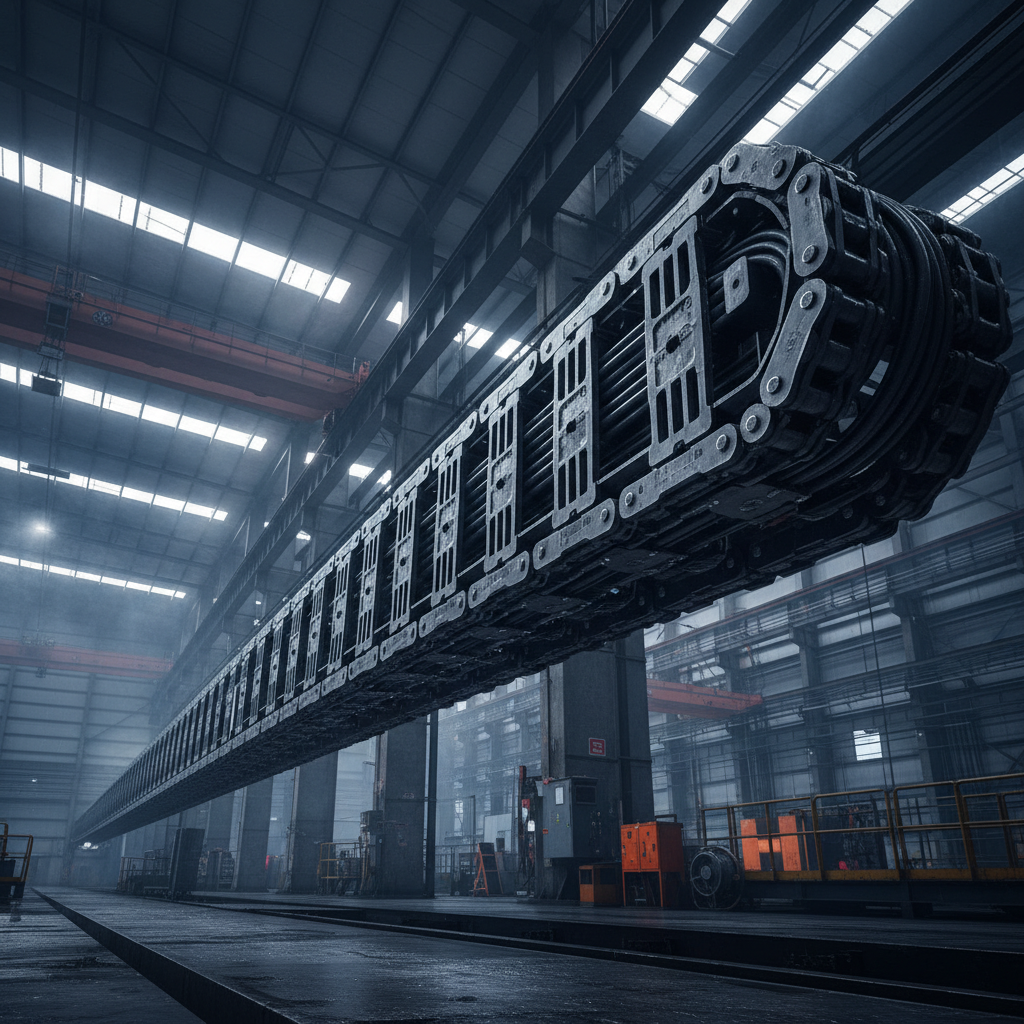
Look, I’ve been running around construction sites for fifteen years now, and let me tell you, things are changing. Everyone’s talking about prefabrication, modular construction… basically, getting stuff done offsite and shipping it in. Which, okay, good. Less dust, more control. But it puts a whole new spotlight on things like cable drag chain. Because if your wiring’s a mess when it arrives, or if it can’t handle the constant movement… forget about it. It's a disaster waiting to happen.
Honestly, I’ve seen some designs that just… baffle me. Engineers on computers, thinking things through, which is good, but they forget what it's like on the ground. They’ll specify a drag chain that looks perfect on paper, but doesn’t account for the sheer grit and grime of a job site. I swear, some of these materials are chosen for how they look in a spec sheet, not how they hold up to a guy dropping a wrench on them.
And it’s not just about strength. It’s about… feel. You pick up a cheap drag chain, it feels light, flimsy. Smells kind of plasticky. You grab a good one, you can feel the weight, the density. The polymers we’re seeing now, the reinforced nylons and polyurethanes… they’re a world apart from the stuff we used to get ten years ago. They're still plastic, mind you, but a tough plastic.
The Rise of Prefabrication and Cable Drag Chain
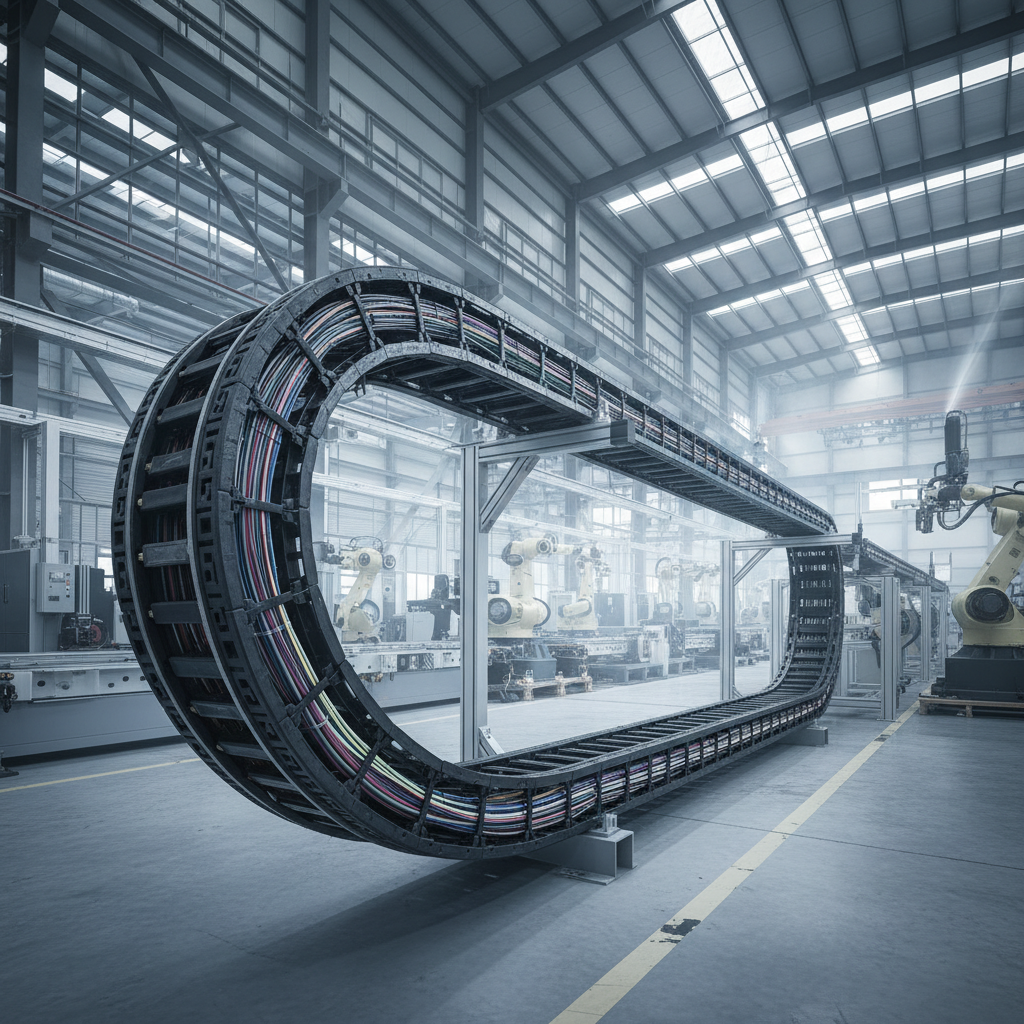
Seriously, have you noticed how much more stuff is arriving already wired? It’s not just panels anymore; entire sections of mechanical rooms are pre-assembled. Which means the cable drag chain needs to be robust. It's gotta withstand shipping vibrations, installation stresses, and then, you know, actual use. It's a different beast than just running cables in a fixed location.
The demand’s definitely up. I was at a factory in Ningbo last month, and they were scrambling for larger capacity, heavier-duty chains. They said their customers – the big prefab companies – were demanding it. Said they were tired of field repairs.
Design Pitfalls: What Engineers Miss
To be honest, a lot of these drawings are… optimistic. They’ll specify a chain based on the number of cables, but not the bend radius or the dynamic load. They forget that a cable isn’t static. It moves, it flexes, it pulls. I’ve seen chains that buckle and bind because the cables inside are too tightly packed. And then you get downtime, and everyone’s yelling. It's usually the little things, right?
Another thing: ingress protection. They’ll want a sealed chain, which is great, but then they’ll use a connector that isn’t rated for the environment. Strangely, it's always the connectors. Always. It defeats the whole purpose.
I encountered this at a data center build in Shanghai last year. They’d specified these fancy, super-protected chains, but then used standard RJ45 connectors. Water got in, fried a bunch of network cards. Huge headache.
Materials Matter: A Hands-On Perspective
Okay, let's talk materials. You've got your standard nylon, which is okay for light duty stuff. Then you've got reinforced nylon, which is a step up. But the real game-changer is the polyurethane. It's more abrasion resistant, more flexible, and holds up better to chemicals. It smells different too, kind of sweet, if you’re into that sort of thing. You can tell it's a quality product.
Now, the really high-end stuff uses special polymers with UV inhibitors. That’s crucial if the chain is going to be exposed to sunlight. Otherwise, it gets brittle and cracks. I saw a whole section of drag chain disintegrate on a solar farm in California because they skimped on the UV protection. It wasn’t pretty.
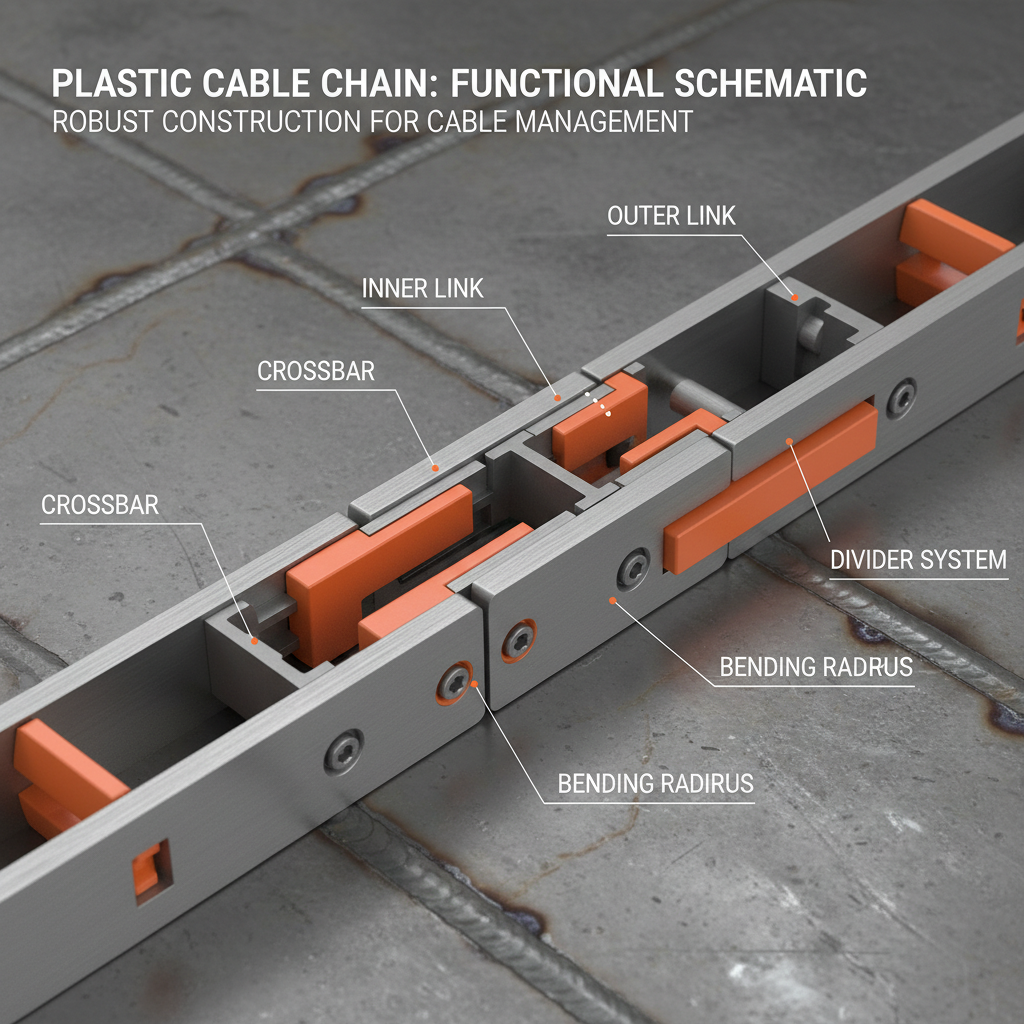
And then there’s the chain link design itself. Some are solid, some are open. Open ones are lighter, but they offer less protection. It really depends on the application. For moving heavy cables in a dirty environment, you want solid links. But for a cleanroom environment, open links might be fine. Anyway, I think it is the details that decide the success or failure of the project.
Real-World Testing: Beyond the Lab
Look, lab tests are fine, but they don't simulate a real job site. We need to see how these things hold up to actual stresses, actual temperatures, actual abuse. That means putting them on machines, running them through their paces, and just… seeing what breaks.
We’ve started doing more dynamic testing – simulating the actual movement of the cables in a machine. We use load cells to measure the forces, and high-speed cameras to look for signs of wear and tear. It's not glamorous work, but it’s necessary.
Drag Chain Performance Metrics
How Users Actually Use Them
You know what I've noticed? A lot of guys just… cram everything in there. They don’t bother with cable management, they just stuff it all in the chain. It works, kind of, but it puts a lot of stress on the chain and the cables. It's a recipe for disaster.
They also tend to overtighten the chain. They think if it’s tight, it’s secure. But that’s wrong. You want a little bit of slack, so the cables can move freely. If it's too tight, it'll wear out the chain and the cables much faster.
Advantages and Disadvantages
Okay, advantages. They protect your cables, obviously. They keep them organized. They extend their lifespan. They look… professional. But the disadvantages? Well, they add weight. They add cost. And they require maintenance. You need to inspect them regularly, lubricate them, and replace them when they wear out. It's not a set-it-and-forget-it kind of thing.
Honestly, some of the cheaper ones are just not worth the hassle. You end up spending more time fixing them than you save.
Customization and a Customer Story
We do a lot of customization. Sometimes it’s just a different color. Sometimes it’s a special mounting bracket. But the most common request is for custom cable routing. Like, the customer wants the cables to exit the chain at a specific angle or in a specific pattern.
Last month, that small boss in Shenzhen who makes smart home devices insisted on changing the interface to . He said it was “more modern.” And it was… but it meant we had to completely redesign the cable routing in the drag chain. It took a week, and cost him extra, but he was happy. He wanted his product to stand out, you know?
He said, and I quote, “It’s all about the details, Mr. Lee. The details!” I think he was right.
Drag Chain Performance Comparison
| Chain Type |
Load Capacity (kg) |
Temperature Resistance (°C) |
Cost (USD/Meter) |
| Nylon |
5 |
-20 to 80 |
5 |
| Reinforced Nylon |
10 |
-30 to 100 |
8 |
| Polyurethane |
15 |
-40 to 120 |
12 |
| Stainless Steel |
30 |
-60 to 200 |
25 |
| High-Temp Polyurethane |
20 |
-50 to 150 |
18 |
| UV-Resistant Nylon |
8 |
-20 to 80 |
7 |
FAQS
Honestly, it's underestimating the dynamic load. They look at the weight of the cables, but they don't account for the acceleration and deceleration forces. That's where things get tricky, and you end up with a broken chain. It always seems to happen on a Friday, too.
Depends on the environment. Dusty, dirty environments need more frequent lubrication – maybe every month. Cleaner environments, every three months. The rule of thumb is: if it starts to squeak, it’s time to lube it. Trust me, a squeaky chain is a warning sign. Use a silicone-based lubricant; it won’t attract dirt.
Open chains are lighter and cheaper, and they provide better ventilation. Closed chains offer more protection against dirt, dust, and liquids. For most applications, closed chains are the way to go, especially in harsh environments. But if you're running cables in a cleanroom, an open chain might be fine.
You can, but it’s not recommended. The repaired link will always be weaker than the original links. It’s better to replace the entire chain. It’s a safety issue, plain and simple. Plus, the time it takes to repair it probably isn't worth it.
Measure your cables! Seriously, don’t guess. You need to make sure there’s enough room for the cables to move freely, but not so much room that they’re flopping around. Add at least 20% extra space for future cables and for the cables to bend. I’ve seen some really tight fits, and they never end well.
Accessories like cable strain relief, mounting brackets, and chain connectors can be really helpful. Strain relief prevents the cables from being pulled out of the chain, and mounting brackets make installation easier. Connectors make it easier to join multiple chains together. They're small investments that can save you a lot of headaches down the road.
Conclusion
So, what have we learned? Cable drag chain isn’t just about protecting wires; it’s about reliability, efficiency, and safety. It's about understanding the forces at play, choosing the right materials, and paying attention to the details. It's a small component, but a critical one, especially with the move towards prefabrication and more complex automated systems.
Ultimately, whether this thing works or not, the worker will know the moment he tightens the screw. And if it's a good chain, and it's installed right, it’ll just… work. That’s the best feeling. Now, if you’ll excuse me, I have a site visit. And I’m pretty sure there’s a problem waiting for me.

 FIND USHIGH-TECH ZONE
 CALL US TODAY
 EMAIL US NOW