0%

Table of Contents

The world relies on efficient and safe cable management across countless industries, from manufacturing and robotics to energy and data transmission. Plastic cable chain systems have emerged as a critical solution, offering a robust and versatile method for organizing and protecting electrical and mechanical cables. Understanding the principles, applications, and future trends of plastic cable chain is essential for engineers, technicians, and anyone involved in designing or maintaining complex systems.

Globally, the demand for reliable cable management solutions is driven by the growth of automation, the expansion of renewable energy infrastructure, and the increasing complexity of industrial machinery. According to a report by Grand View Research, the global cable management market size was valued at USD 14.25 billion in 2022 and is expected to grow at a compound annual growth rate (CAGR) of 6.8% from 2023 to 2030. This growth is fueled by the need to improve safety, reduce downtime, and enhance the efficiency of operations.

Plastic cable chain addresses the challenges of cable wear, tangling, and potential damage, ensuring the longevity and reliability of critical systems. By providing a protective enclosure and facilitating smooth cable movement, these systems contribute to safer work environments and reduce maintenance costs, making them a vital component of modern infrastructure.
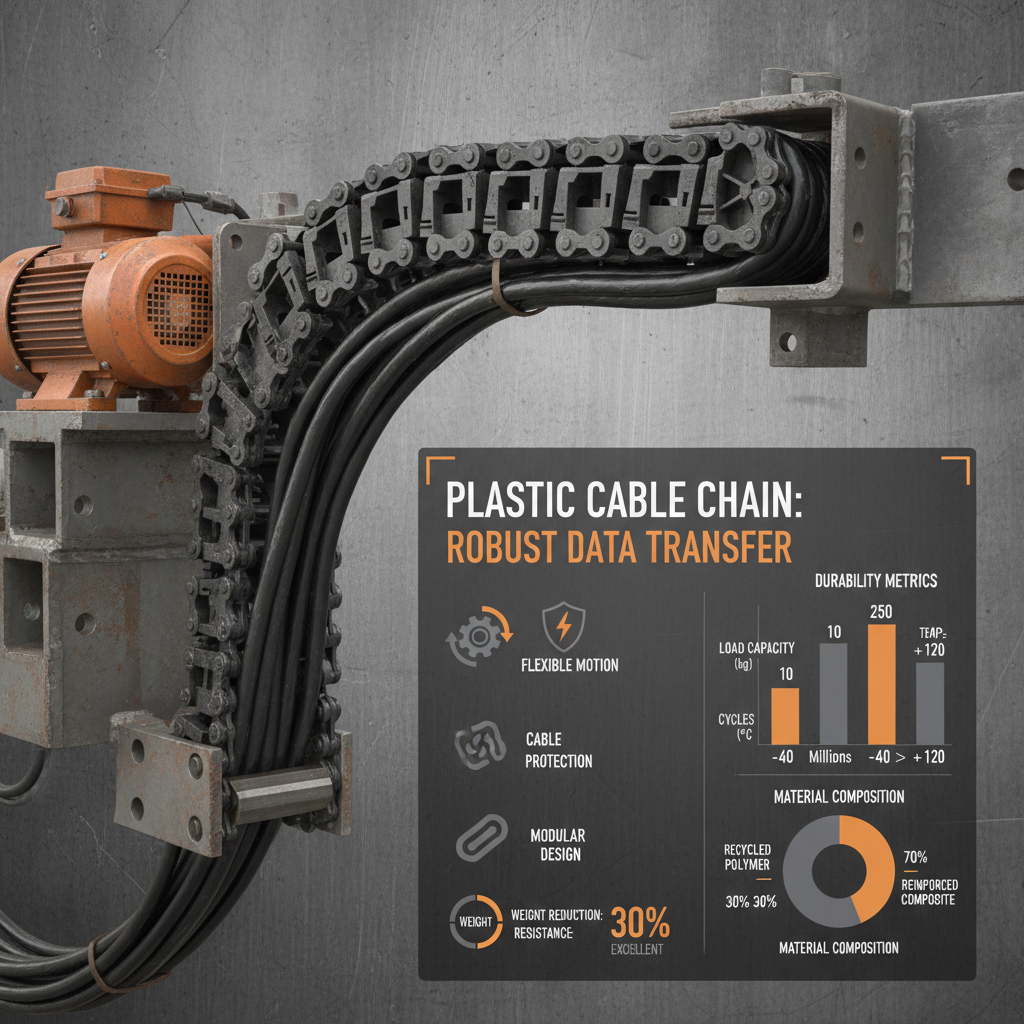
Optimizing Industrial Systems with Durable Plastic Cable Chain Solutions

Introduction to plastic cable chain

Optimizing Industrial Systems with Durable Plastic Cable Chain Solutions

Plastic cable chain, also known as energy chain or cable carrier, is a highly engineered system designed to guide and protect electrical, pneumatic, and hydraulic cables and hoses in moving machinery. These chains are essential components in a variety of industrial applications, ensuring the continuous and reliable operation of automated systems. They provide a flexible conduit, preventing cables from becoming tangled, snagged, or damaged due to repeated bending and stress.

The development of plastic cable chain has been instrumental in advancing automation and robotics. By providing a durable and reliable cable management solution, these systems have enabled the creation of more complex and efficient machines. Modern plastic cable chain solutions are available in a diverse range of materials, sizes, and configurations, catering to specific application requirements and environmental conditions.

Defining Plastic Cable Chain

A plastic cable chain is fundamentally a flexible enclosure consisting of interconnected links, typically made from high-performance polymers such as polyethylene (PE), polypropylene (PP), or polyamide (PA, commonly known as nylon). These links form a continuous chain that travels alongside moving machinery, safely housing and guiding cables and hoses. The open design allows for easy access to cables for maintenance or replacement.

The connection to modern industry is profound. In automated manufacturing, robotics, and material handling systems, plastic cable chains are vital for ensuring uninterrupted power and signal transmission to moving components. Their ability to accommodate a variety of cable types and sizes makes them a versatile solution for complex applications.

In humanitarian contexts, rapid deployment solutions like temporary medical facilities or disaster relief shelters can benefit from the ease of installation and flexibility provided by plastic cable chain systems for electrical distribution and communication networks.

Core Components of a Plastic Cable Chain System

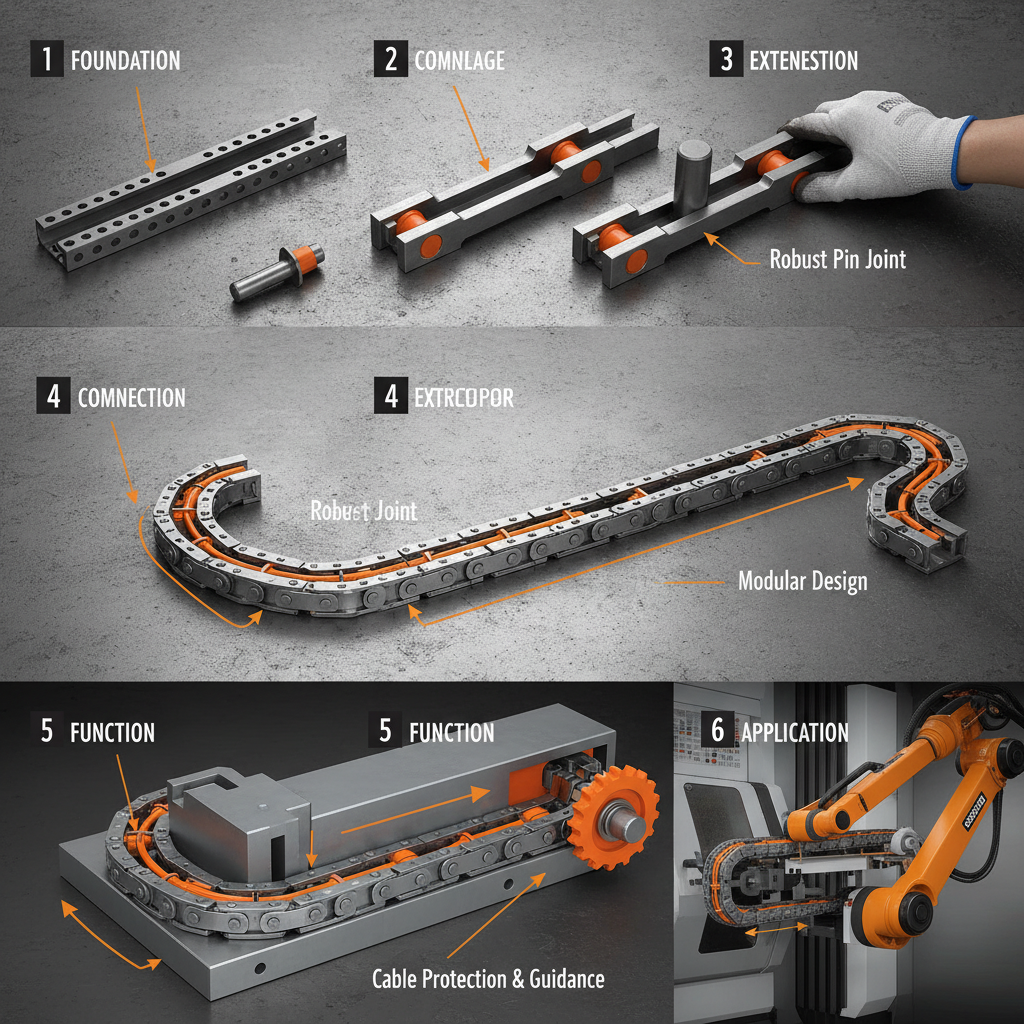
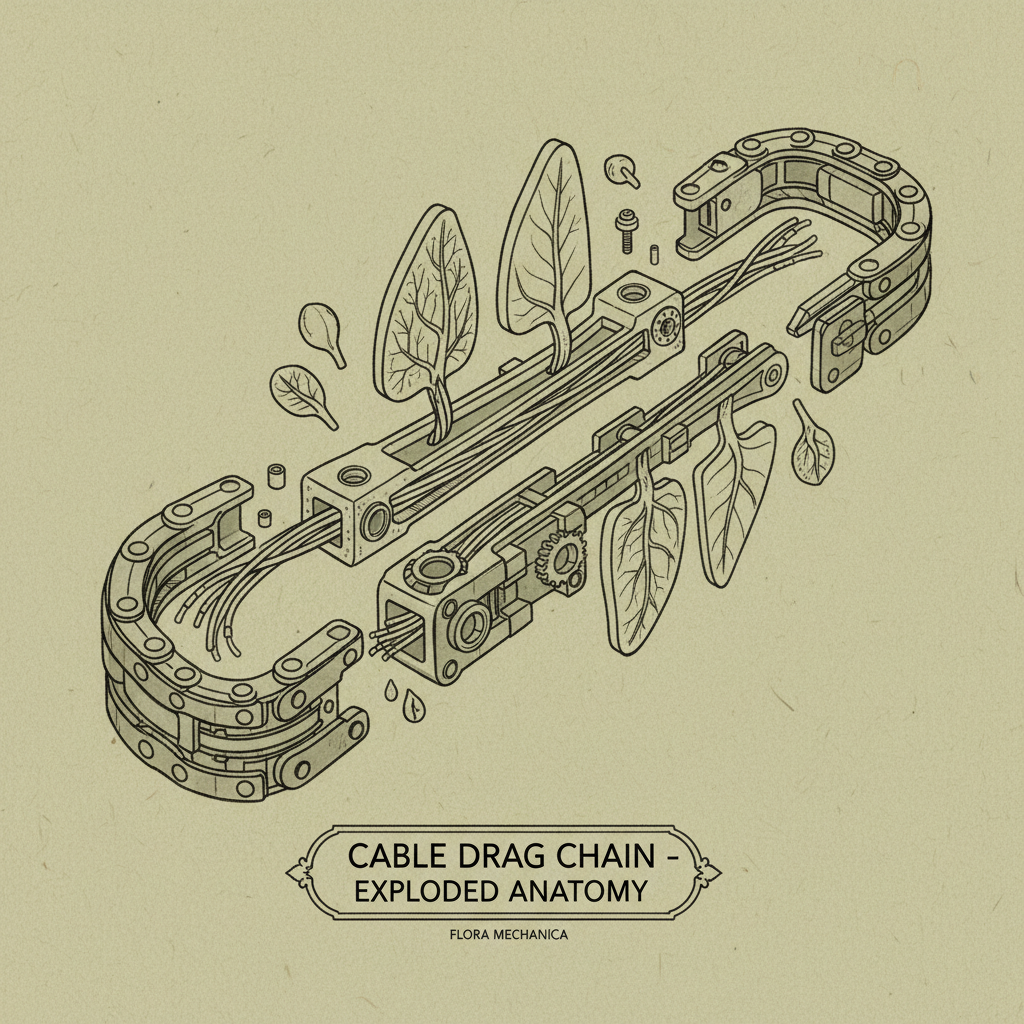
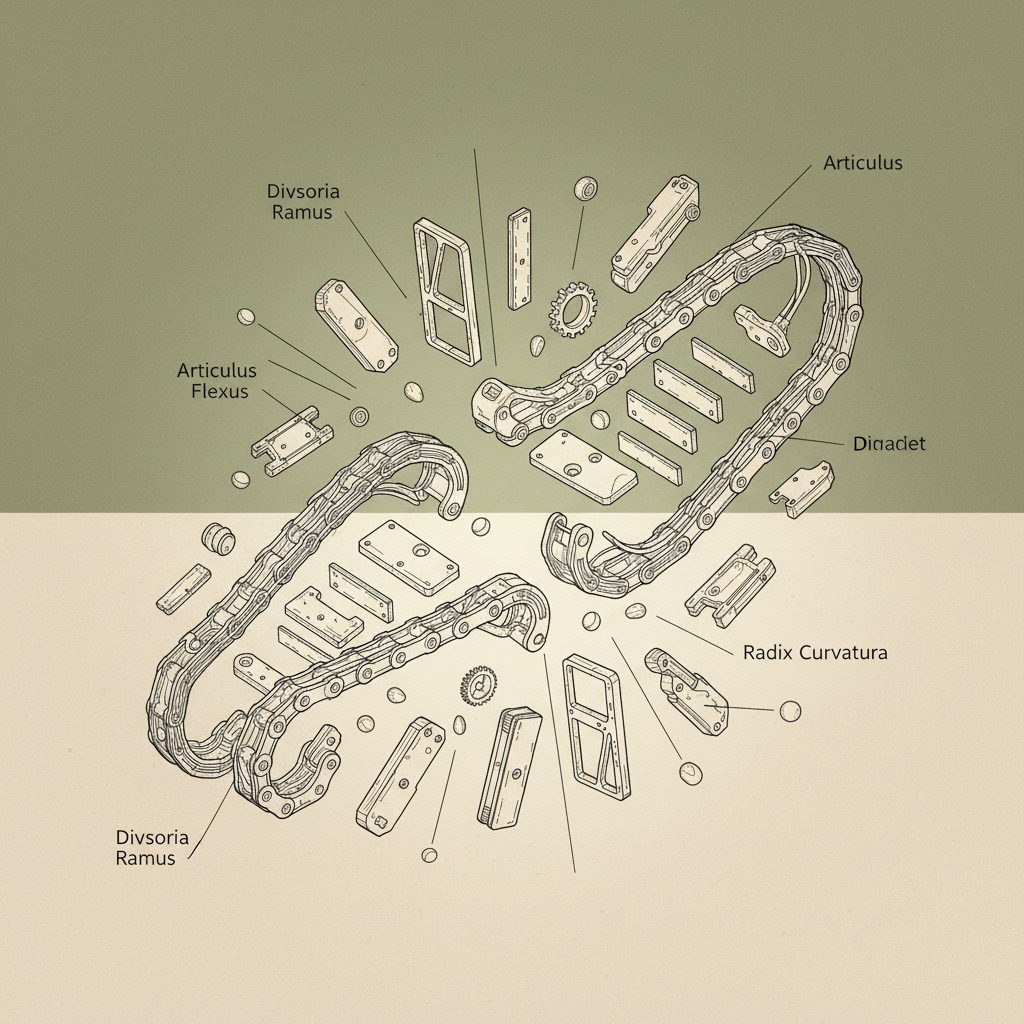
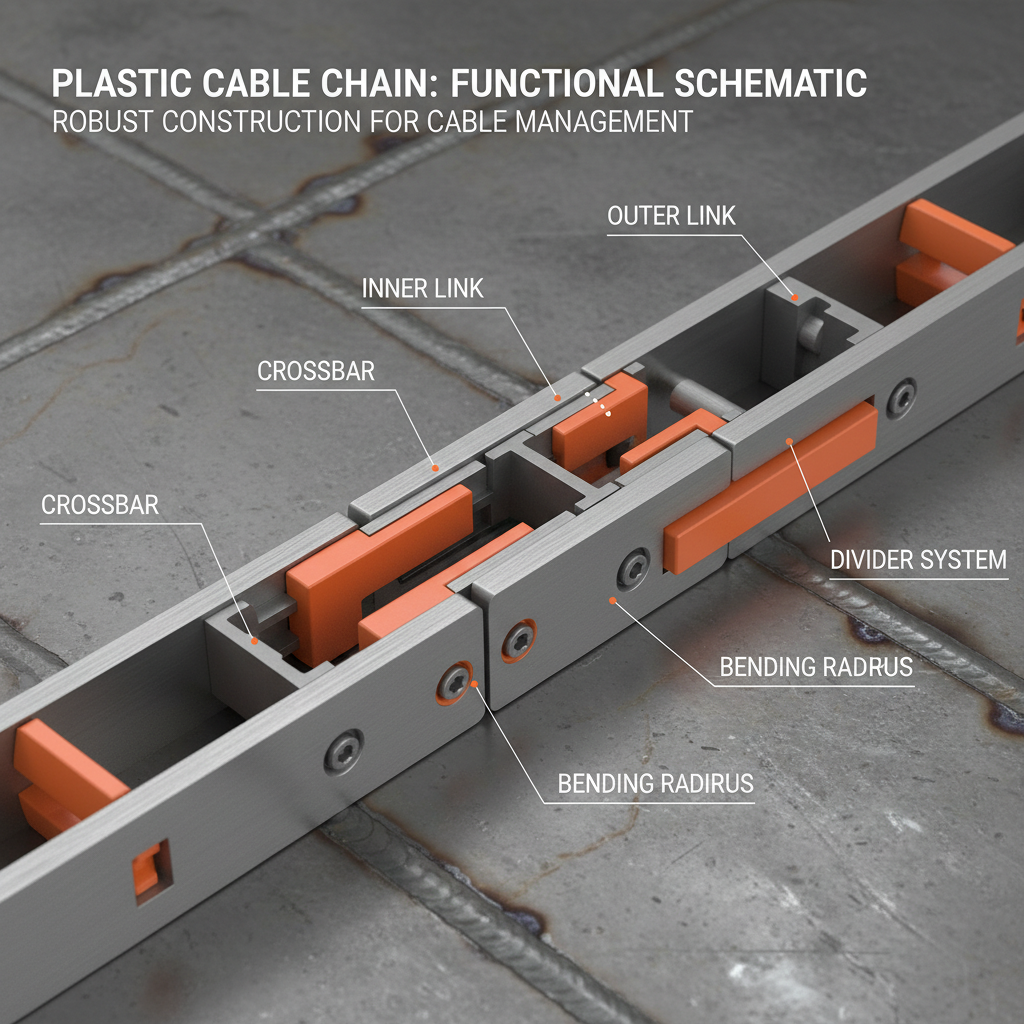
A complete plastic cable chain system comprises several key components. The primary element is the cable chain itself, available in various configurations, including open, closed, and hybrid designs. Different chain types are suited for different loads and degrees of freedom. Furthermore, the system includes mounting brackets, which securely attach the chain to the machine frame.

Strain relief systems are another crucial element, preventing cables from being pulled or strained at connection points. These can be integrated into the chain links or added as separate components. Connectors and accessories, such as cable ties and separators, help organize cables within the chain and ensure proper alignment. Finally, end elements (end caps or closures) prevent cables from escaping the chain's confines.

The selection of the appropriate components is critical for ensuring the optimal performance and longevity of the plastic cable chain system. Factors such as cable weight, bending radius, operating speed, and environmental conditions must be carefully considered when choosing components.

Key Factors Influencing Plastic Cable Chain Performance

Several factors contribute to the effectiveness and reliability of a plastic cable chain system. Durability is paramount, with the chain needing to withstand repeated bending, abrasion, and potential impacts. The material composition directly impacts durability, with specialized polymers offering enhanced resistance to wear and tear.

Scalability is another essential aspect, as the system must accommodate future changes in cable configurations or machinery modifications. Modular designs allow for easy expansion or reconfiguration of the chain.

Plastic Cable Chain Performance Metrics


Global Applications of Plastic Cable Chain

Plastic cable chain finds widespread application across diverse industries. In robotics, they are critical for managing cables powering and controlling robotic arms and end effectors. Manufacturing plants utilize these systems for automated machinery, CNC machines, and conveyor systems.

The energy sector relies on plastic cable chains in wind turbines and solar tracking systems, protecting cables exposed to harsh weather conditions and continuous movement. In stage and event technology, they ensure the smooth operation of lighting, sound, and video equipment during performances. In post-disaster relief operations, the rapid deployment of communication and power infrastructure can be simplified using modular systems incorporating plastic cable chain.

Advantages and Long-Term Value

The advantages of employing plastic cable chain are multifaceted. Cost efficiency is a significant benefit, as these systems reduce downtime and maintenance costs associated with cable damage. Their lightweight nature simplifies installation and reduces stress on machinery.

From a sustainability perspective, the extended lifespan of cables protected by plastic cable chain reduces the need for frequent replacements, minimizing waste. The inherent safety benefits - preventing cable exposure and potential hazards - contribute to a more secure working environment, fostering trust among operators and stakeholders.

Future Trends and Innovations in Plastic Cable Chain Technology

The future of plastic cable chain is poised for innovation. The integration of smart sensors and data analytics is emerging, allowing for real-time monitoring of cable chain health and predictive maintenance. Developments in materials science are leading to the creation of even more durable and lightweight polymers.

Increased focus on sustainability is driving the development of bio-based and recyclable plastic cable chain materials. Furthermore, the demand for customized solutions tailored to specific applications is fostering greater flexibility and versatility in design. Digital twin technology and virtual prototyping are streamlining the design and implementation of cable chain systems, optimizing performance and reducing development time.

The adoption of Industry 4.0 principles, including automation and data exchange, will further enhance the capabilities and integration of plastic cable chain systems within smart factories and industrial environments.

FAQS

What are the primary materials used in manufacturing plastic cable chain?

Plastic cable chain is commonly made from materials like polyamide (nylon), polypropylene (PP), polyethylene (PE), and sometimes polycarbonate (PC). The choice of material depends on the specific application and requirements for factors like temperature resistance, abrasion resistance, and chemical compatibility. Nylon is favored for its high strength and durability, while PP and PE are used for lighter-duty applications.

How do I determine the correct size plastic cable chain for my application?

Determining the correct size requires considering several factors. First, measure the total cross-sectional area of all cables and hoses that will be housed within the chain. Next, select a chain with an internal width and height that provides sufficient space for the cables without overcrowding. Consider the bending radius of the cables and choose a chain with a compatible minimum bending radius. Finally, account for future cable additions or changes.

What is the typical lifespan of a plastic cable chain?

The lifespan of a plastic cable chain varies depending on the operating conditions, cable fill, and maintenance practices. However, with proper selection and installation, a well-maintained plastic cable chain can last for several years. Regular inspection for wear, abrasion, and damage is crucial for extending its lifespan. Under normal industrial conditions, expect a lifespan of 5-10 years.

Can plastic cable chain be used in outdoor applications?

Yes, plastic cable chain can be used in outdoor applications, but it's essential to choose materials that are UV-resistant and capable of withstanding the environmental conditions. Certain materials, like UV-stabilized nylon, are specifically designed for outdoor use. Additionally, ensure proper drainage to prevent water accumulation within the chain, which could lead to corrosion or damage.

What maintenance is required for plastic cable chain?

Regular maintenance includes visual inspections for wear, cracks, or damage to the chain links. Cleaning the chain to remove debris and contaminants is also essential. Lubrication may be necessary for some applications to reduce friction and ensure smooth operation. Check and tighten mounting brackets periodically to prevent the chain from becoming misaligned or loose.

How do I prevent cables from becoming damaged inside the plastic cable chain?

Preventing cable damage involves several measures. Ensure adequate space within the chain to avoid overcrowding and cable bending beyond their specified radii. Use strain relief systems to protect cable connections. Employ cable separators to prevent cables from rubbing against each other. Choose a chain material compatible with the cables and operating environment. Avoid exceeding the chain's maximum load capacity.

Conclusion

In conclusion, plastic cable chain represents a vital component in modern industrial automation and beyond. Its ability to protect, organize, and guide cables and hoses contributes to increased efficiency, enhanced safety, and reduced downtime. From robotics and manufacturing to renewable energy and disaster relief, the applications of plastic cable chain are diverse and expanding. Understanding its core principles, advantages, and future trends is crucial for engineers, technicians, and anyone involved in designing and maintaining complex systems.

Looking ahead, continued innovation in materials science, smart sensors, and sustainable manufacturing practices will further enhance the performance and value of plastic cable chain. Embracing these advancements will enable industries to optimize their operations, reduce their environmental impact, and build more resilient and reliable infrastructure. For premium solutions and expert guidance, visit our website: www.agilechains.com.

Christopher Wilson

Christopher Wilson

Christopher Wilson is a Senior Production Engineer at Shijiazhuang Agile Company. He joined Agile in 2017 and plays a vital role in optimizing manufacturing efficiency within our 6500 square meter facility. Christopher specializes in the production of nylon corrugated bellow pipes and guide rail bellow covers. He is dedicated to
Previous Optimizing Industrial Efficiency with Robust Heavy Duty Drag Chain Systems
Next The Importance of Cable Hose Carriers in Modern Industrial Applications