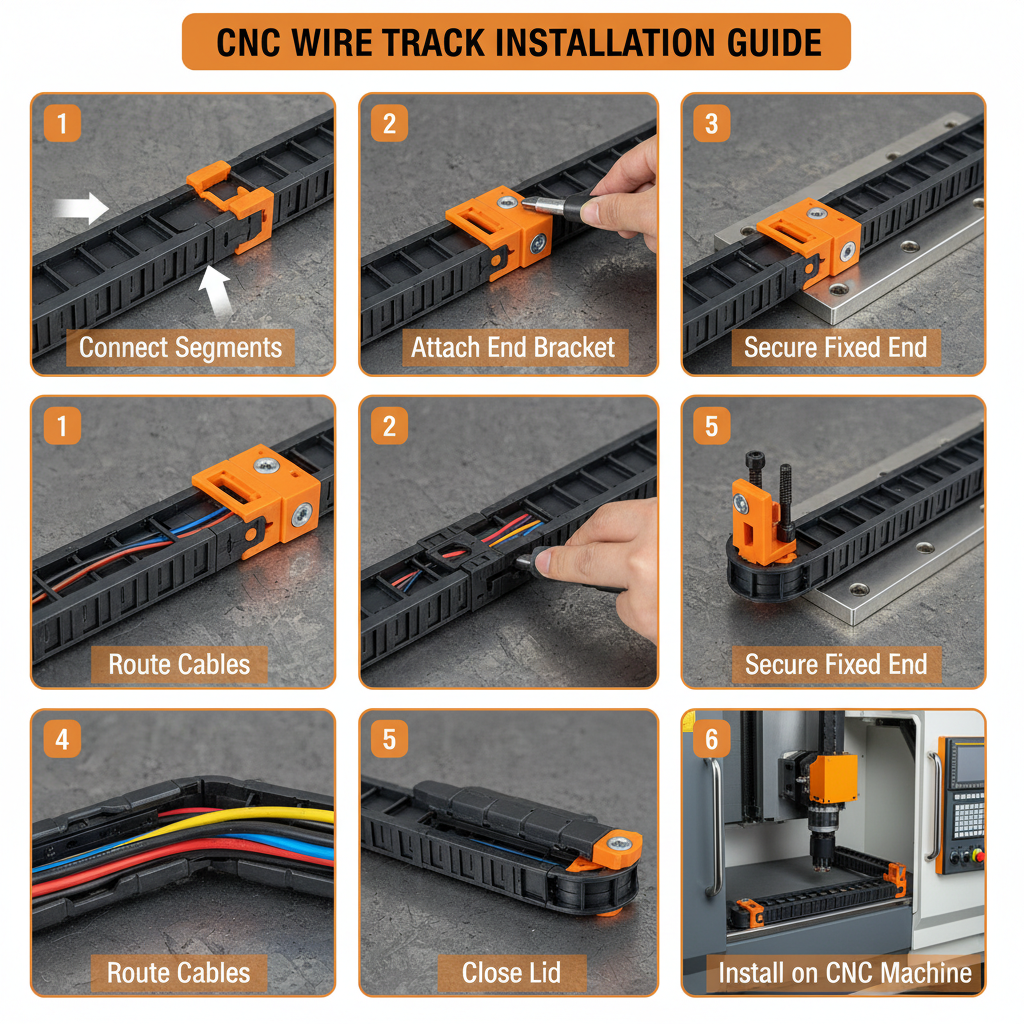
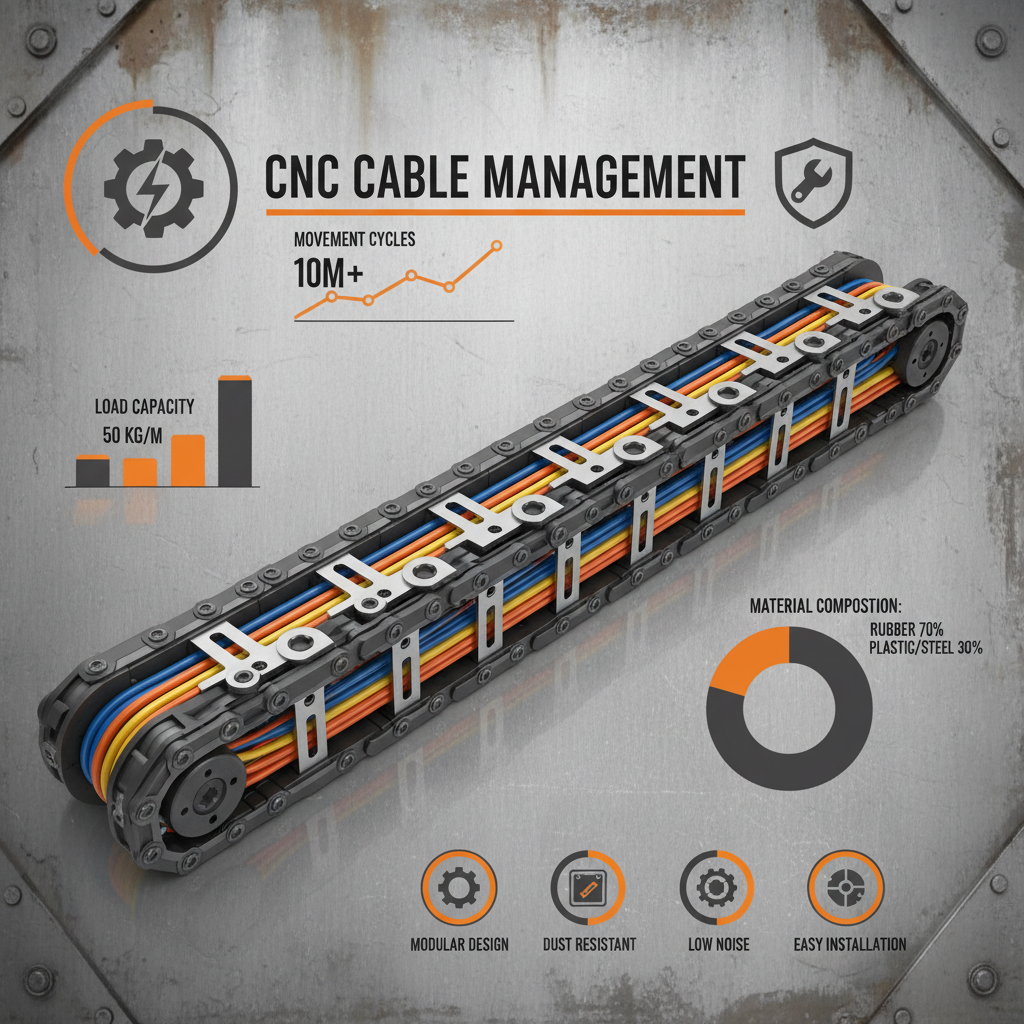
Look, I’ve spent the last fifteen years on dusty construction sites, elbows deep in blueprints and concrete dust. What I’ve learned is this: keeping your wiring organized isn’t just about tidiness, it’s about time, money, and frankly, safety. A chaotic mess of cables slows everything down, creates trip hazards, and leads to costly mistakes. That’s where a robust cnc wire track system comes in. It’s not a glamorous part of the job, but it’s a foundational one. A well-planned and implemented cnc wire track setup can shave hours off installation, reduce damage during the build, and ultimately deliver a more reliable, efficient system.
We're not talking about a few plastic clips and zip ties here. We're talking about engineered solutions designed to handle the rigors of a dynamic construction environment. I’ve seen projects stalled because electricians spent days rerouting cables damaged by forklifts or simply lost in the clutter. Investing upfront in a quality cnc wire track dramatically minimizes these kinds of headaches. It’s about preventing problems before they even begin, and trust me, in this business, prevention is always cheaper than the cure.
And it's not just about construction. I’ve seen these systems used successfully in factory automation, robotics installations, even large-scale event setups. The core principle remains the same: controlled cable management improves operational efficiency and reduces downtime. It’s a detail that makes a huge difference, and that's why I always push for it on every project I manage.
The Importance of cnc wire track in Modern Infrastructure
The need for efficient cable management is growing exponentially. Modern infrastructure, from sprawling industrial facilities to complex data centers, relies on a dense network of cables. Without a systematic approach, like a properly installed cnc wire track system, these cables quickly become a tangled mess, leading to operational inefficiencies and potential safety hazards. According to the International Electrotechnical Commission (IEC), poorly managed cabling is a significant contributor to downtime in industrial settings.
We’re not just talking about aesthetics, though a clean workspace is always a plus. A well-organized cabling system facilitates easier maintenance, faster troubleshooting, and reduced risk of accidental damage. Think about it: how many times have you had to trace a cable through a rat's nest to find a faulty connection? A solid cnc wire track solution eliminates that frustration and ensures a more reliable and productive operation.
Defining cnc wire track: A Practical Perspective
In its simplest form, cnc wire track is a comprehensive system designed to support and route electrical cables and other wiring. But it's far more than just conduits and clips. It’s an engineered solution encompassing various components like cable trays, cable ladders, wire baskets, and cable ties, all working together to provide a secure, organized, and accessible pathway for your cables. It's about creating a dedicated highway for your electrical systems.
From a practical standpoint, it's the difference between a construction site looking like a chaotic junkyard and a streamlined, efficient workspace. It connects directly to modern industrial needs, reducing downtime during maintenance and upgrades. In the humanitarian sector, robust cabling is essential for setting up temporary field hospitals or communication networks in disaster relief situations.
It's not about simply containing the cables, but also protecting them from physical damage, environmental factors, and potential interference. The best cnc wire track systems are designed to accommodate future growth and changes, allowing for easy addition or modification of cables without disrupting the entire system.
Core Components and Key Factors of cnc wire track
Let's break down the core components. First, you've got your cable trays and ladders – these provide the main structural support for the cabling. Then you have wire baskets, offering greater flexibility for complex routing. Cable ties and clamps secure the cables within the system. But beyond the hardware, several key factors influence the effectiveness of a cnc wire track system.
Durability is paramount. The materials need to withstand the harsh conditions of the environment, whether it’s extreme temperatures, corrosive chemicals, or heavy physical impact. Scalability is also crucial - can the system easily adapt to accommodate future expansion or changes in cabling requirements? Accessibility is vital for maintenance and repairs – can technicians easily access the cables without disrupting the entire system? And finally, Cost-Efficiency – the initial investment needs to be balanced against the long-term benefits of reduced downtime and improved operational efficiency.
These factors aren’t isolated; they’re interconnected. A durable system that’s difficult to access isn’t very useful. A scalable system that’s prohibitively expensive isn’t practical. The best cnc wire track solutions strike a balance between these competing priorities, delivering a robust, adaptable, and cost-effective solution.
Global Applications and Real-World Use Cases
The applications of cnc wire track are incredibly diverse. In manufacturing plants, it’s essential for managing the cabling associated with robotic arms, conveyor systems, and automated machinery. In data centers, it ensures the reliable operation of critical infrastructure by providing organized and protected cabling pathways. In commercial buildings, it simplifies maintenance and upgrades while improving aesthetics.
I've seen it used extensively in the oil and gas industry, where harsh environmental conditions demand a robust and reliable cabling solution. In the transportation sector, it’s used in railways, airports, and ports to manage the cabling for signaling systems, communication networks, and power distribution. In post-disaster relief operations, portable cnc wire track systems can be rapidly deployed to establish communication networks and power supplies.
You’ll find significant implementations across Europe, particularly in Germany’s advanced manufacturing sector, and increasingly in Asia, especially in China and India, as their industrial infrastructure continues to expand. Even in remote industrial zones in Australia and Canada, these systems are crucial for ensuring reliable operation in challenging environments.
Comparative Analysis of cnc wire track Methods
Advantages and Long-Term Value Proposition
The benefits extend far beyond just a tidy workspace. The tangible benefits are obvious: reduced installation time, minimized damage to cables, and lower maintenance costs. But there's also a significant return on investment in terms of improved operational efficiency and reduced downtime. That downtime, believe me, is expensive.
From a sustainability standpoint, a well-organized cnc wire track system reduces the need for cable replacements, minimizing waste and contributing to a more environmentally responsible operation. It also enhances safety by eliminating trip hazards and reducing the risk of electrical shorts. Ultimately, it builds trust and confidence in the reliability of your infrastructure.
Future Trends and Innovations in cnc wire track Technology
We’re seeing a move towards more intelligent cnc wire track systems, incorporating sensors to monitor cable health and predict potential failures. Integration with building management systems (BMS) allows for remote monitoring and control of cabling infrastructure. The development of lightweight, high-strength materials is also driving innovation, enabling more flexible and adaptable solutions.
Furthermore, the increasing demand for sustainable infrastructure is fueling the development of eco-friendly cnc wire track materials and manufacturing processes. We're also seeing a convergence with digital transformation initiatives, with cnc wire track systems becoming an integral part of the Industrial Internet of Things (IIoT).
Challenges and Solutions in Implementing cnc wire track Systems
One of the biggest challenges is often retrofitting cnc wire track into existing facilities. It requires careful planning and execution to minimize disruption to ongoing operations. Another challenge is ensuring compatibility with different cable types and sizes. A one-size-fits-all approach rarely works.
The solution lies in thorough site assessments, detailed planning, and the selection of a cnc wire track system that is adaptable and customizable. Collaboration between electrical engineers, construction managers, and the cnc wire track supplier is crucial for a successful implementation. We’ve found pre-fabricated sections and modular designs can significantly streamline the installation process.
Proper training for installation crews is also essential. A poorly installed system negates many of the benefits. Investing in quality training upfront saves time and money in the long run.
Core Analysis of cnc wire track Implementation Factors
| Implementation Cost |
Installation Complexity |
Long-Term Maintainability |
Scalability & Adaptability |
| Low (Under $5/meter) |
Simple (Requires basic tools) |
Excellent (Easy access for repairs) |
Moderate (Limited expansion options) |
| Medium ($5-$15/meter) |
Moderate (Requires specialized skills) |
Good (Regular inspections needed) |
High (Easily accommodates changes) |
| High ($15+/meter) |
Complex (Requires expert installation) |
Excellent (Minimal maintenance) |
Very High (Designed for future growth) |
| Medium ($5-$15/meter) |
Moderate (Requires specialized skills) |
Good (Regular inspections needed) |
High (Easily accommodates changes) |
| Low (Under $5/meter) |
Simple (Requires basic tools) |
Excellent (Easy access for repairs) |
Moderate (Limited expansion options) |
| High ($15+/meter) |
Complex (Requires expert installation) |
Excellent (Minimal maintenance) |
Very High (Designed for future growth) |
FAQS
A dedicated cnc wire track system offers superior organization, protection, and accessibility compared to zip ties and loose cabling. It reduces cable damage, minimizes downtime for repairs, and simplifies future upgrades or modifications. It's a proactive approach, preventing issues before they arise, ultimately saving time and money.
The choice depends on several factors, including the weight and size of the cables, the environmental conditions, and the degree of flexibility required. Cable trays are ideal for heavy loads and straight runs, while cable ladders provide better ventilation. Wire baskets offer maximum flexibility for complex routing, and consider material composition - steel, aluminum, or plastic – based on corrosion resistance and strength requirements.
Yes, specialized cnc wire track systems are available for hazardous environments, such as those with flammable materials or explosive atmospheres. These systems are typically made from non-sparking materials like aluminum or stainless steel and are designed to meet relevant safety standards.
With proper installation and regular maintenance, a cnc wire track system can last for 20 years or more. Regular inspections to identify and address any signs of corrosion or damage are crucial for maximizing its lifespan. Utilizing high-quality materials also greatly extends the longevity of the system.
By organizing and protecting cables, cnc wire track eliminates trip hazards and reduces the risk of electrical shorts. This creates a safer work environment for personnel and minimizes the potential for accidents and injuries. A clean and organized cabling system also facilitates easier access for maintenance and repairs.
Retrofitting requires careful planning and assessment. It’s crucial to minimize disruption to ongoing operations. Modular designs and pre-fabricated sections can streamline the installation process. Accurate measurements and consideration of existing obstructions are essential, along with proper support structures and secure fastening methods. Collaboration between stakeholders is key.
Conclusion
In the end, cnc wire track isn’t just about cables; it’s about building a more reliable, efficient, and safe infrastructure. It’s a fundamental element of modern construction and industrial operations, providing a foundation for productivity and innovation. From reducing downtime to improving workplace safety, the benefits are undeniable.
Investing in a well-designed and properly installed cnc wire track system is an investment in the future. It’s a smart move that will pay dividends for years to come. To learn more about how cnc wire track can benefit your next project, visit our website: www.agilechains.com

 FIND USHIGH-TECH ZONE
 CALL US TODAY
 EMAIL US NOW