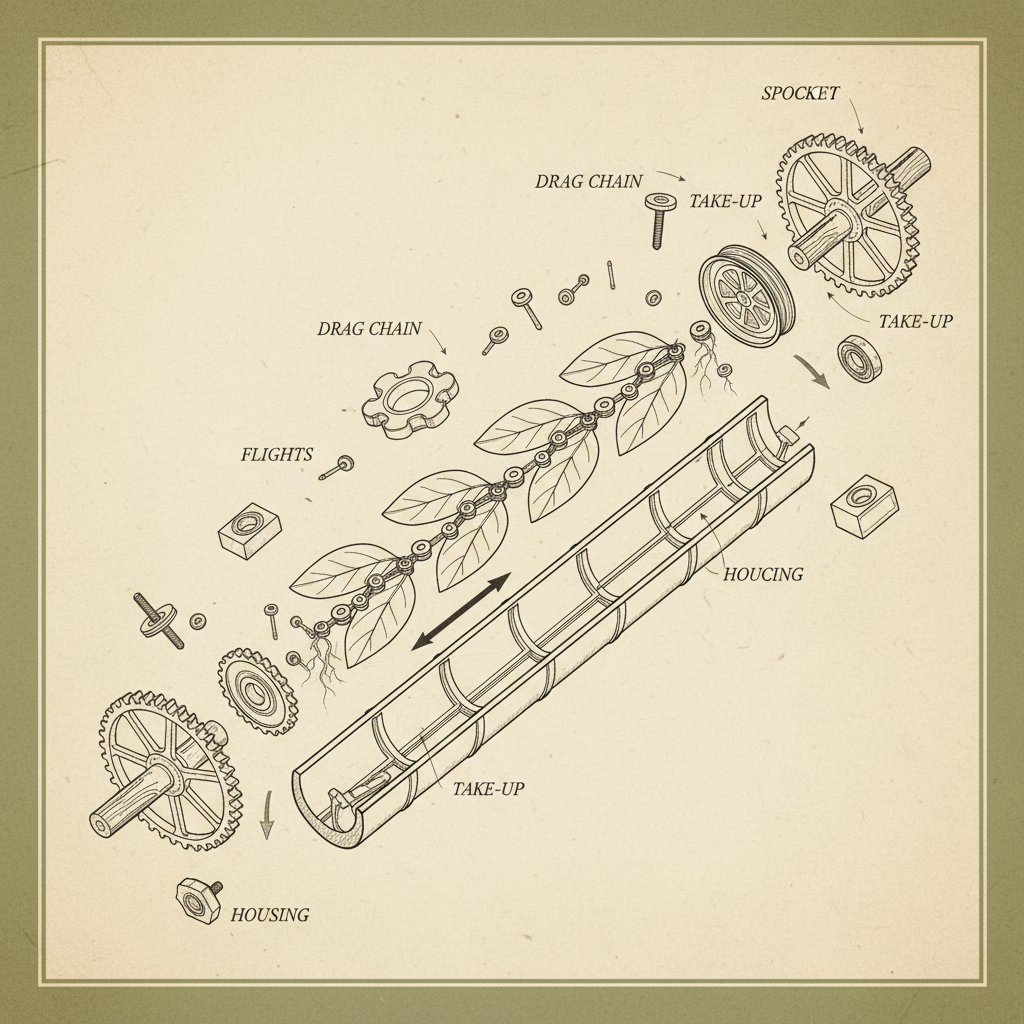
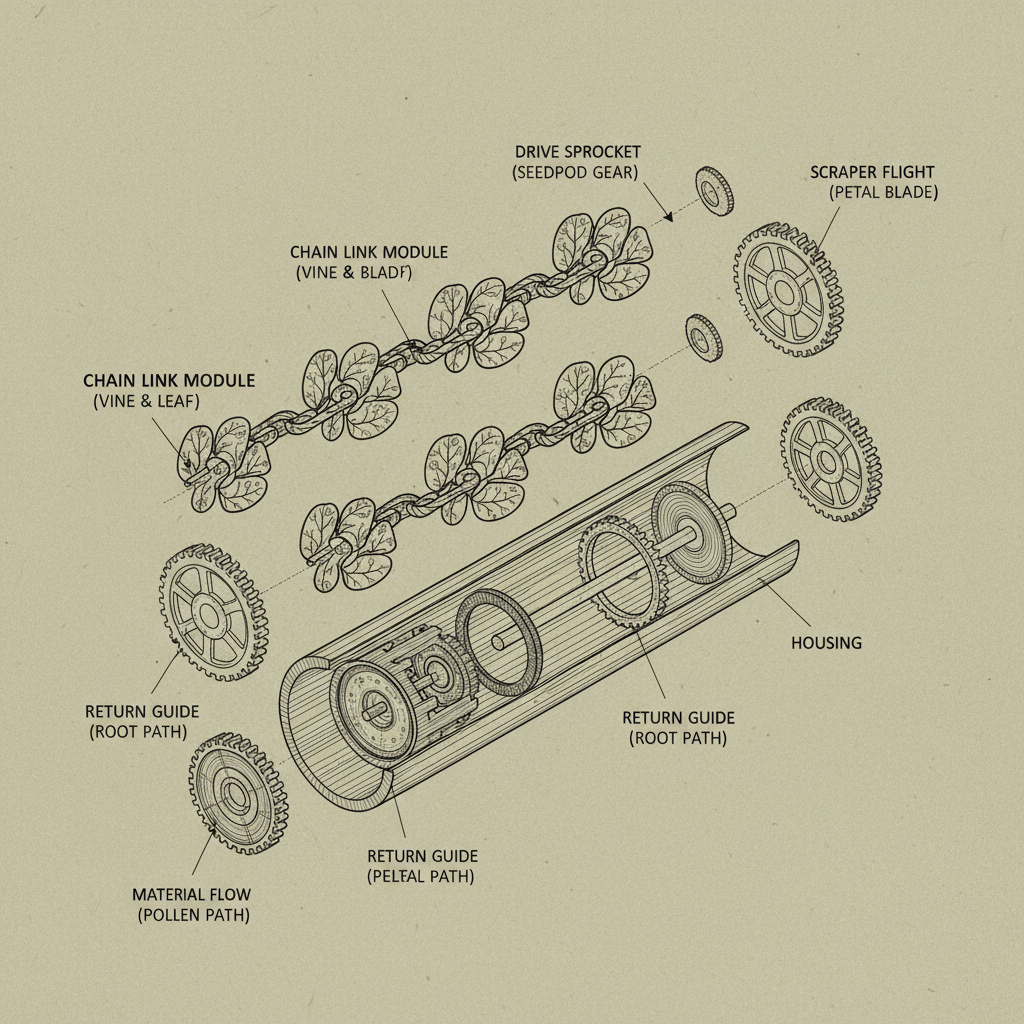
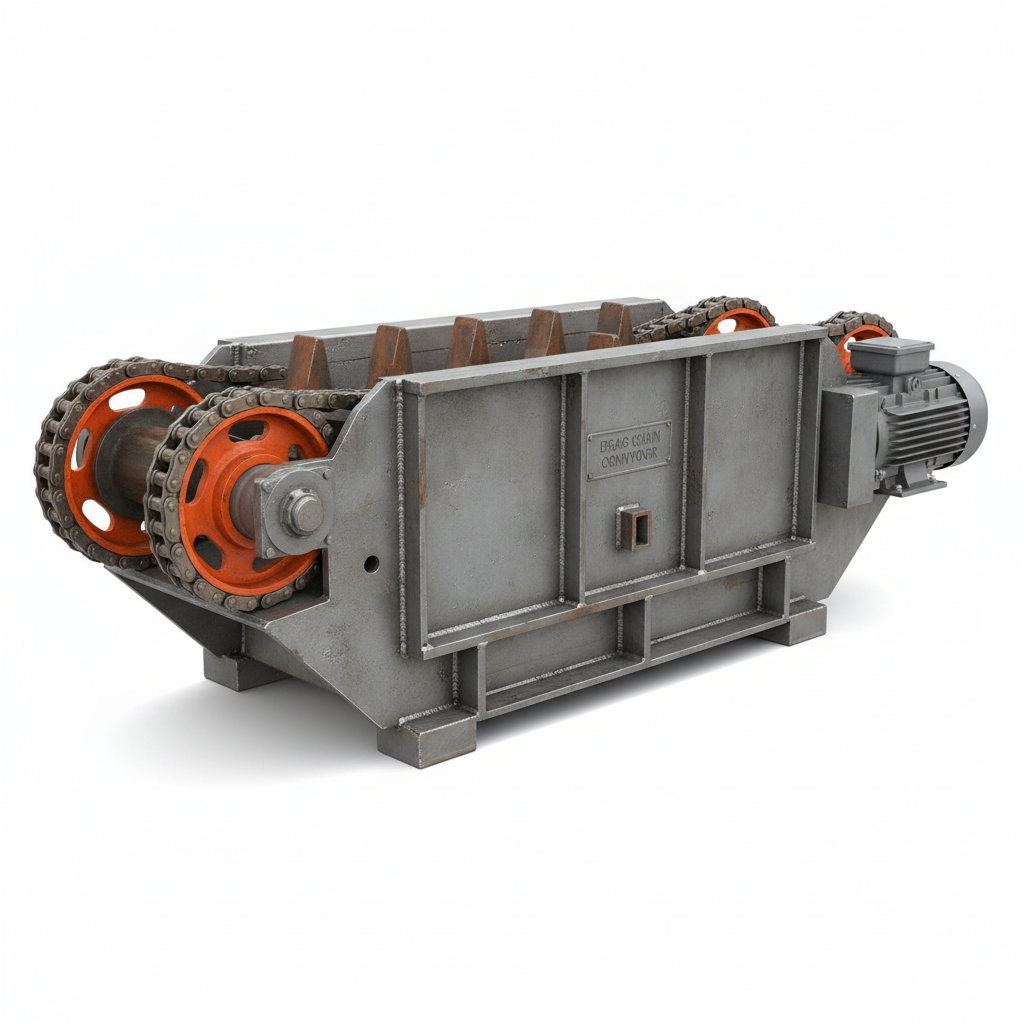
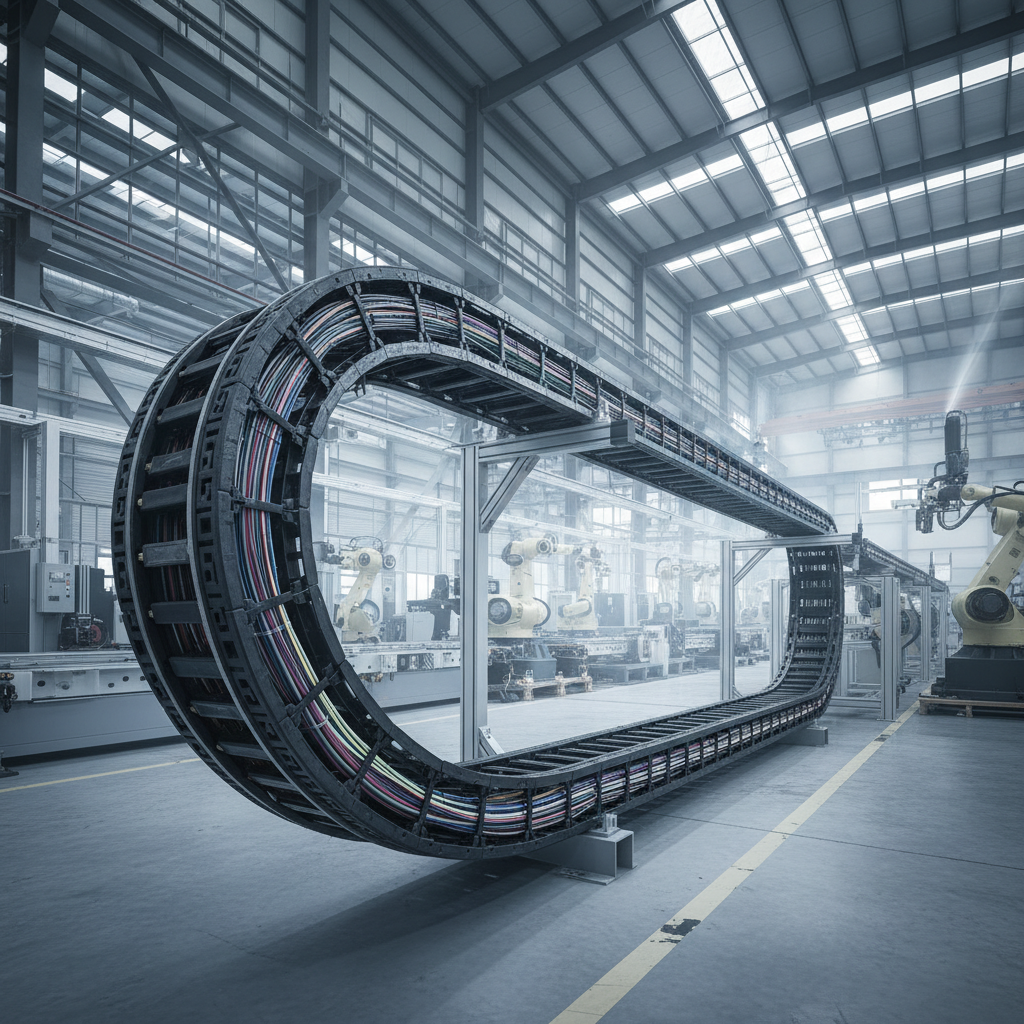
Look, I’ve been running around construction sites for fifteen years, and let me tell you, things are moving. Everyone’s talking about prefabrication, modular construction, and getting everything offsite. It’s all about speed and reducing waste, you know? It's funny, though, a lot of these fancy designs look good on paper, but they completely fall apart when you try to actually build them. That’s where drag chain conveyor systems come in. They're not flashy, but they're the workhorses that keep things moving, literally.
Have you noticed how much time is wasted just moving materials around? It's insane. And the back injuries? Don't even get me started. That's why these conveyors are becoming so crucial. It’s not just about efficiency, it’s about keeping guys safe. But honestly, there's a lot of misunderstanding about what they can actually do. People think they’re just for big factories. They’re not.
To be honest, a lot of folks underestimate the power of a good drag chain conveyor. It seems simple, right? A chain pulling stuff along. But it's the details that matter.
The Rise of Prefabrication and the Role of Drag Chain Conveyors
Seriously, prefabrication is huge right now. It's not a trend; it's a necessity. Costs are skyrocketing, labor is scarce, and everyone’s trying to build faster. And that’s where a good drag chain conveyor system becomes invaluable. It streamlines the material flow within the prefabrication facility, allowing for continuous production.
It’s about more than just moving stuff. It’s about creating a predictable, repeatable process. When materials are delivered exactly where they need to be, when they need to be there, it dramatically reduces errors and improves quality. And, of course, it drastically reduces the amount of heavy lifting the guys have to do.
Design Pitfalls: What Looks Good on Paper…
I encountered this at a factory in Ningbo last time. They had this beautiful 3D rendering of a modular building system, all sleek lines and efficiency. But the reality was a nightmare. The material flow was terrible. They hadn't thought about how to actually get the components to the assembly stations. It was all designed by architects who had never spent a day on a construction site.
That’s where the right drag chain conveyor setup comes in. It forces you to think about the logistics upfront. You have to consider the weight of the materials, the distances involved, the layout of the facility, and, strangely, even the types of shoes the guys are wearing (slippery floors are a killer).
People often try to cheap out on the conveyor system, thinking it's not a critical component. Big mistake. You get what you pay for. A flimsy conveyor will break down constantly, causing delays and frustration. Trust me.
Materials Matter: Beyond the Specs
Now, about the materials... the chain itself – you’ve got your standard steel, obviously, but you also have stainless steel for corrosive environments. And then there's the plastic. The feel of the plastic matters, actually. Some of the cheaper stuff feels brittle, like it'll crack if you look at it wrong. You want something with a bit of give, a bit of resilience. The smell even tells you something. A sharp chemical smell usually means low-quality polymers.
The guide rails are also critical. They need to be perfectly aligned, or the chain will jump off. I’ve seen guys spend hours just getting the rails straight. And the connections – the pins and links – those need to be robust. You want hardened steel there, absolutely.
Anyway, I think a lot of designers forget that these systems operate in dirty, dusty environments. They need to be sealed properly to prevent contamination. Otherwise, you’ll be replacing bearings constantly.
Real-World Testing: Forget the Lab Coats
Lab testing is fine, I guess, but it doesn’t tell you much. You need to see how these things perform in the real world. I’ve seen conveyors tested with perfectly sized blocks of wood. That's not what we deal with! We're moving irregular shapes, heavy panels, and sometimes even things that are still wet with sealant.
The best testing I've seen involved simulating a full production run, with workers actually using the conveyor to move materials in a typical workflow. It revealed all sorts of issues that would never have shown up in a lab. Things like chain tension, material buildup, and operator fatigue.
Drag Chain Conveyor Performance Metrics
How Users Actually Use Them
You know, designers always have this idea of how things should be used. But the reality is always different. I’ve seen guys use conveyors as makeshift worktables, as temporary storage for tools, and even as a place to hang their lunch bags. Later... Forget it, I won't mention it.
And they’re surprisingly adaptable. We had one client who was using a drag chain conveyor to transport oversized windows. They weren't originally designed for that, but with a few modifications, it worked perfectly. It's all about being flexible and understanding the needs of the people on the ground.
The Good, the Bad, and the Customizable
The advantages are obvious: speed, efficiency, safety. But there are downsides. They can be noisy, especially the older models. They require regular maintenance – lubrication, chain tensioning, alignment checks. And they can be expensive to install.
But the level of customization is what really sets them apart. We had a client who needed a conveyor system that could handle both small, lightweight components and large, heavy panels. We designed a system with adjustable speed and width, so they could switch between different types of materials seamlessly. That's where the real value lies.
A Shenzhen Story: The Interface Debacle
Last month, that small boss in Shenzhen who makes smart home devices insisted on changing the interface to for all the connection points of the drag chain conveyor. He thought it would be "more modern." The result was a disaster. The connectors kept coming loose during operation, causing the whole system to shut down. It took us a week to replace all the connectors with the old, reliable ones. It was a complete waste of time and money.
He was convinced he was being innovative, but he hadn't thought about the practical implications. He'd never even been on a real construction site. It’s a good reminder that sometimes, the simplest solutions are the best.
Ultimately, whether this thing works or not, the worker will know the moment he tightens the screw.
Summary of Drag Chain Conveyor Selection Criteria
| Material Compatibility |
Load Capacity |
Environmental Conditions |
Maintenance Requirements |
| Corrosion Resistance (Steel vs. Stainless Steel) |
Weight of Heaviest Component (lbs) |
Temperature Range, Dust Levels |
Lubrication Frequency, Parts Availability |
| Abrasion Resistance (Plastic Type) |
Distribution of Weight Along Conveyor |
Humidity, Chemical Exposure |
Ease of Access for Maintenance |
| Chemical Resistance (Seal Materials) |
Dynamic Load vs. Static Load |
Indoor vs. Outdoor Operation |
Cost of Replacement Parts |
| Flexibility of Material |
Impact Resistance |
Exposure to UV Radiation |
Required Skill Level for Maintenance |
| Durability |
Safety Factor |
Potential for Explosion |
Typical Lifespan of Components |
| Overall Cost |
Efficiency Rate |
Noise Level |
Warranty Period |
FAQS
Honestly, it’s underestimating the load. They look at the weight of individual components, but they don’t account for dynamic loads – the impact forces when materials are dropped or move quickly. You need to build in a significant safety factor. A good rule of thumb is to overestimate, always. You don't want it failing mid-operation because someone skimped on capacity.
It’s not zero, that's for sure. You'll need to lubricate the chain regularly, check the alignment of the guide rails, and inspect the connectors for wear and tear. A good preventative maintenance schedule will save you a lot of headaches down the road. Figure on at least a visual inspection every shift, and a more thorough check once a week.
It depends. A standard conveyor is best suited for relatively uniform materials. But you can get custom attachments – brackets, clamps, even specialized cradles – to handle odd shapes. We've built systems that carry everything from curved glass panels to irregularly sized metal castings. It adds to the cost, but it can be done.
With proper maintenance, you can expect a good system to last 10-15 years, easily. The chains themselves will eventually wear out and need replacing, but the frame and other components should hold up for a long time. It really depends on how hard it's worked and how well it's maintained. Neglect it, and you'll be replacing it sooner rather than later.
Yes, definitely. You can use noise-dampening materials for the enclosure, or opt for a conveyor with a quieter chain design. Also, proper lubrication can reduce friction and minimize noise. It's something to consider, especially if the conveyor is located in a sensitive area like an office or near residential buildings.
Think about the specific materials you'll be conveying, the layout of your facility, and your production workflow. We've customized conveyors to fit into extremely tight spaces, to handle different types of attachments, and even to integrate with automated systems. The key is to clearly define your requirements upfront.
Conclusion
So, after all that, what does it boil down to? Drag chain conveyor systems aren’t glamorous, but they’re essential for modern manufacturing and prefabrication. They improve efficiency, enhance safety, and reduce costs. They’re not a one-size-fits-all solution, though. You need to carefully consider your specific needs and choose a system that’s properly designed and maintained.
Ultimately, whether this thing works or not, the worker will know the moment he tightens the screw. If it feels solid, reliable, and makes his job easier, then it’s a good system. And if not, well, you’ve got a problem. Visit our website at www.agilechains.com to learn more about how we can help you find the right drag chain conveyor for your needs.

 FIND USHIGH-TECH ZONE
 CALL US TODAY
 EMAIL US NOW