-
 FIND USHIGH-TECH ZONE
 -
 CALL US TODAY
 -
 EMAIL US NOW
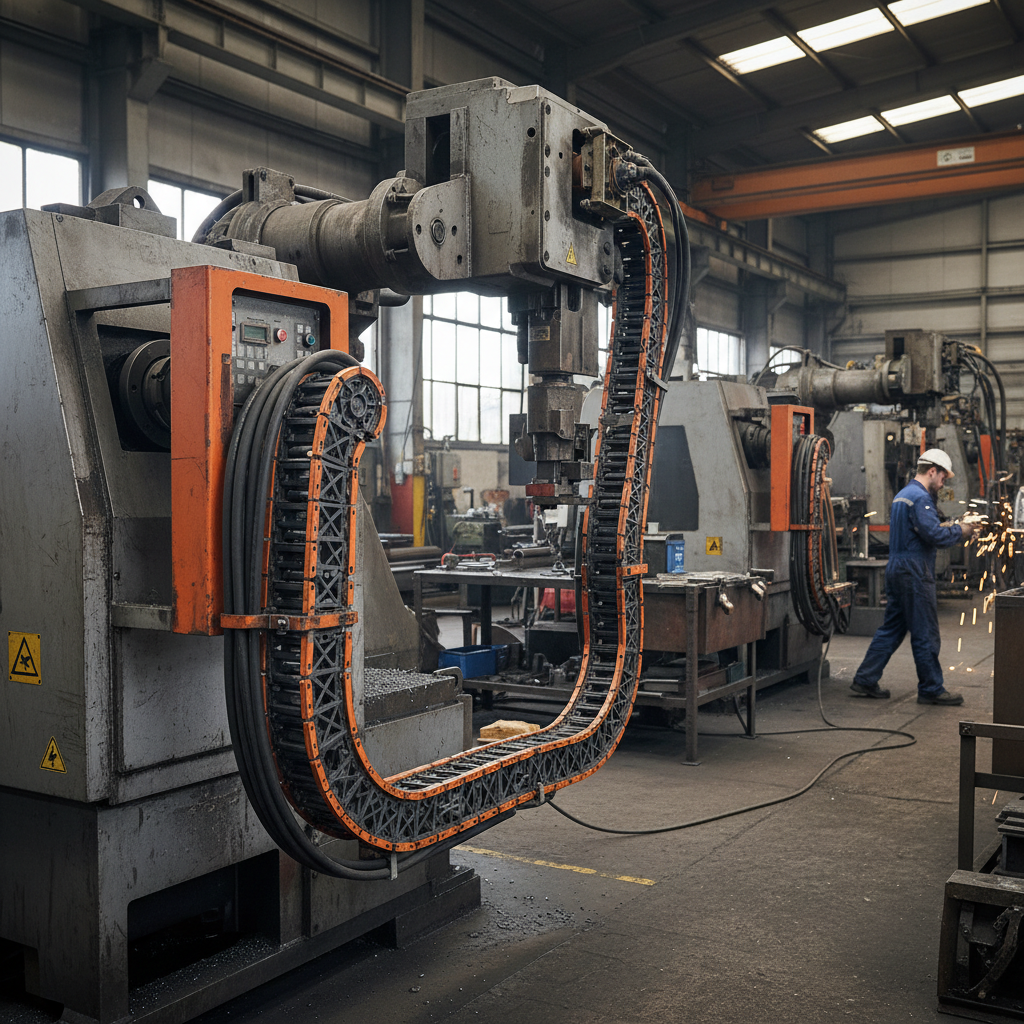
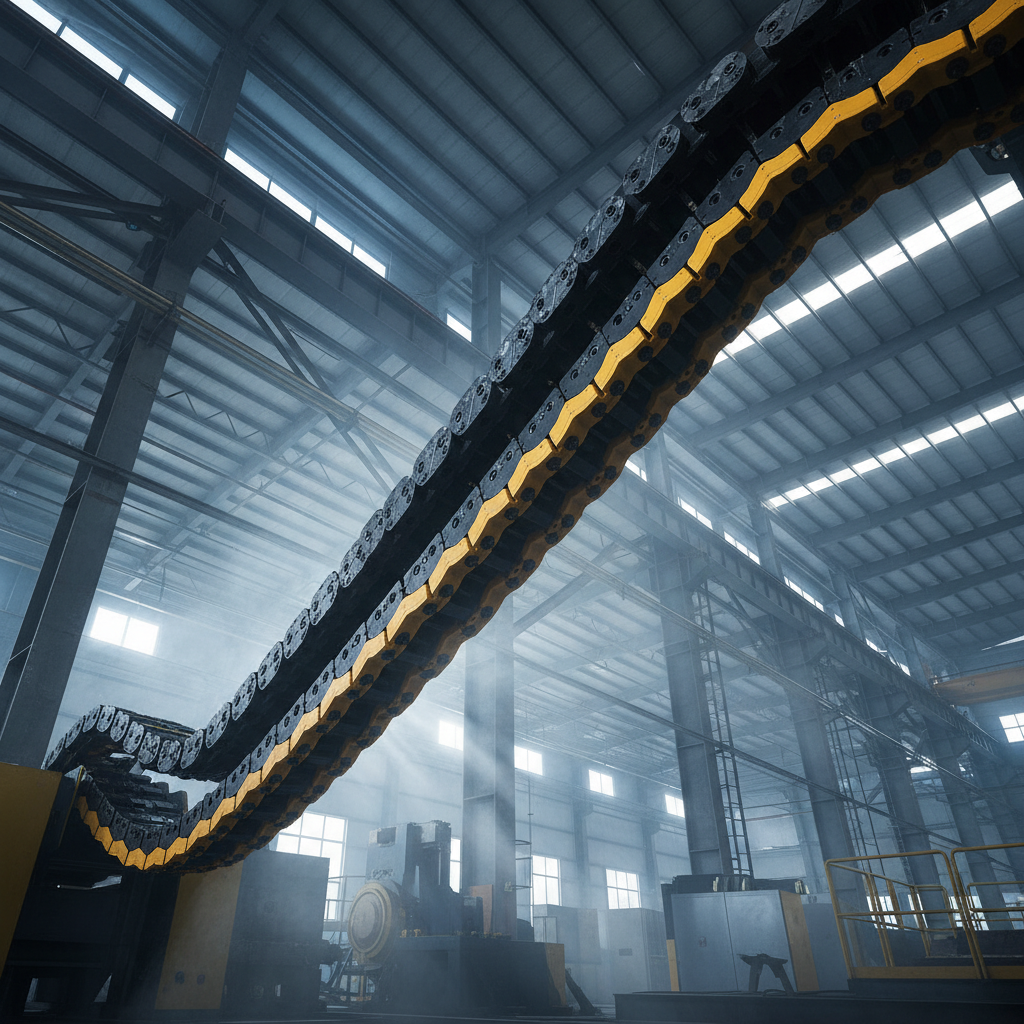
Cable hose carriers, often unseen yet critical components in modern industry, are designed to manage and protect cables, hydraulic hoses, and pneumatic lines during dynamic applications. Their importance stems from the increasing automation and complex machinery prevalent across diverse sectors. These carriers, also known as energy chains, prevent cable wear, tangling, and ultimately, system failure, contributing to increased operational efficiency and safety. Understanding their design, applications, and advancements is crucial for engineers, technicians, and anyone involved in maintaining industrial equipment.
The global demand for cable hose carriers is closely linked to the growth of manufacturing, robotics, and automation industries. According to industry reports, the global energy chain market (a core component of cable hose carrier systems) is projected to reach billions of dollars in the coming years, driven by expansions in automotive, aerospace, and material handling sectors. The need to minimize downtime and enhance the reliability of moving machinery underscores the vital role these systems play. A key challenge this addresses is the reduction of costly repairs and production interruptions caused by damaged cables and hoses.
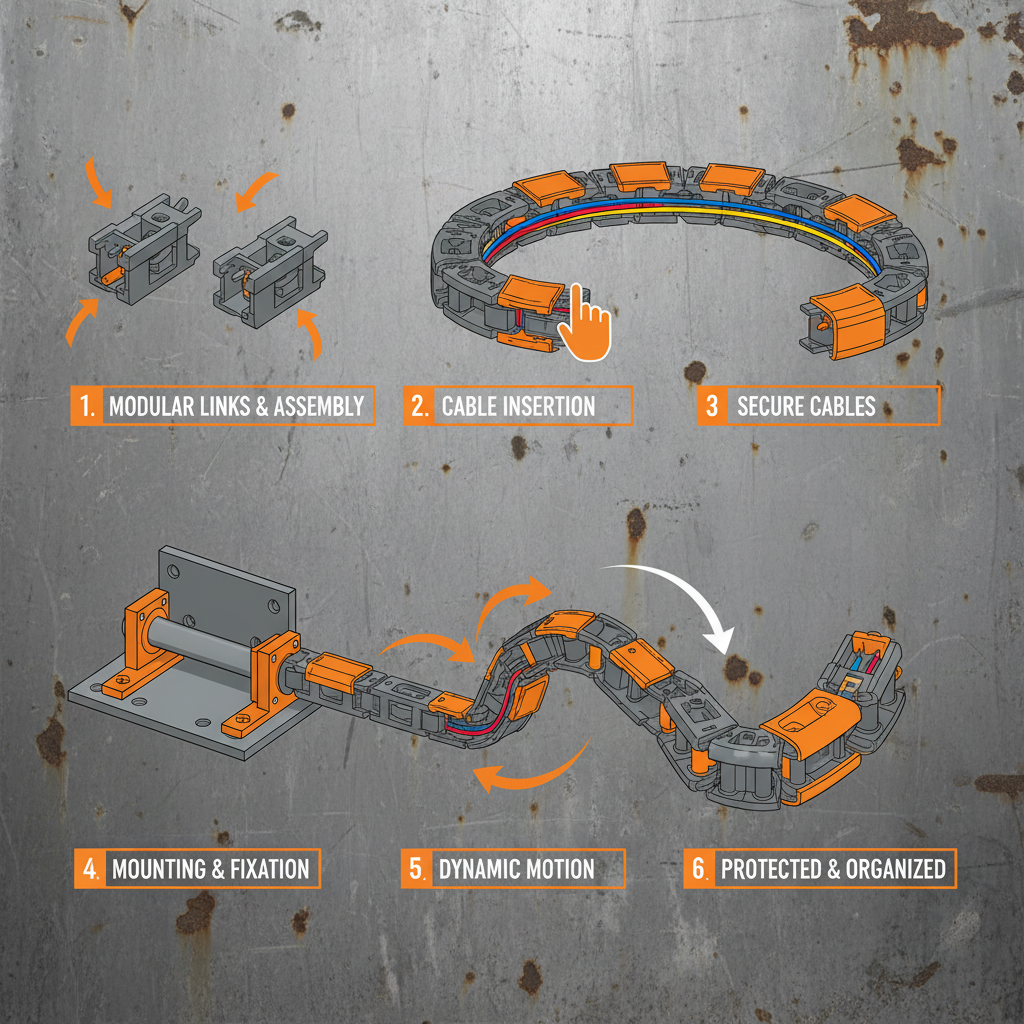
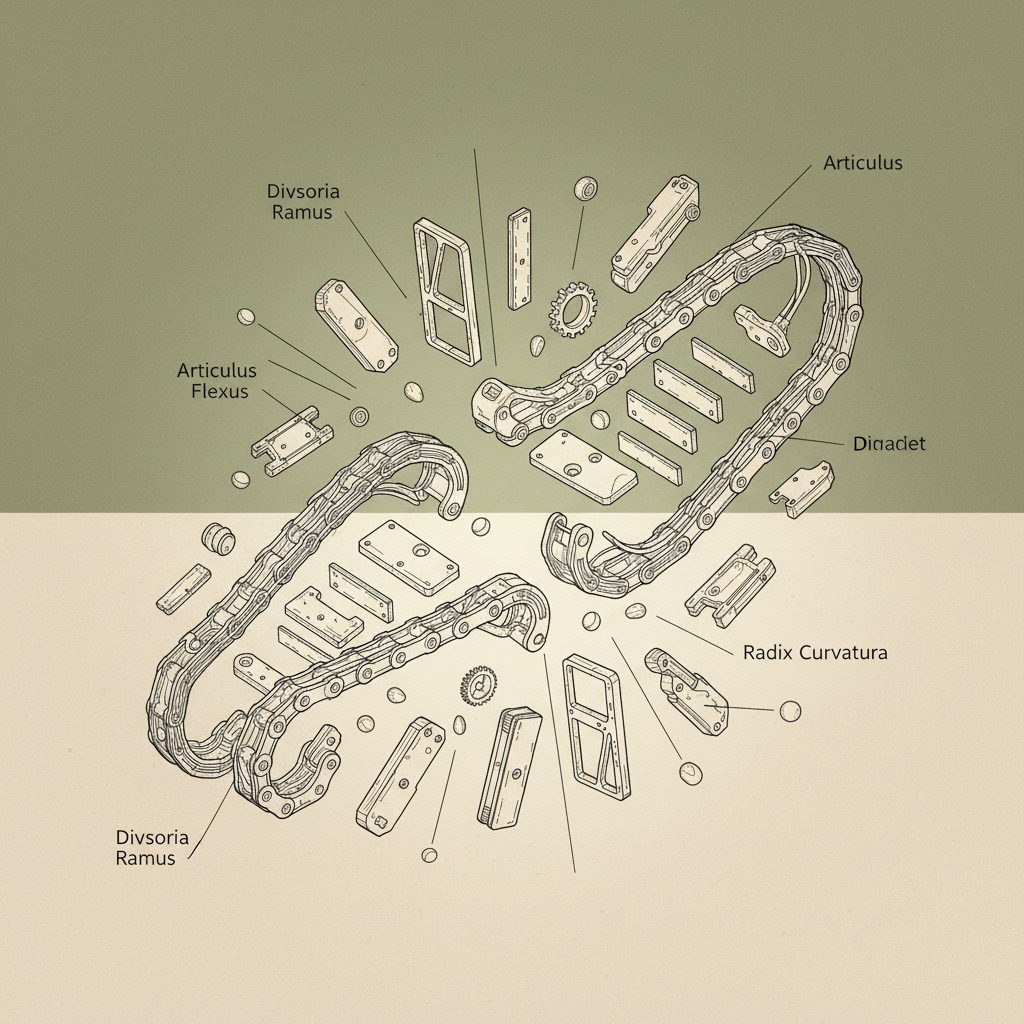
Simply put, a cable hose carrier (or energy chain) is a system comprised of linked plastic or metal modules that encase and guide cables and hoses as they move with machinery. Unlike traditional methods such as festooning (hanging cables), cable hose carriers provide a supported, controlled path, protecting the enclosed components from abrasion, contamination, and stress. This technology is deeply intertwined with the evolution of modern industry, enabling more complex and reliable automated systems, and is also becoming increasingly important in providing power and communication to equipment in remote or challenging environments.
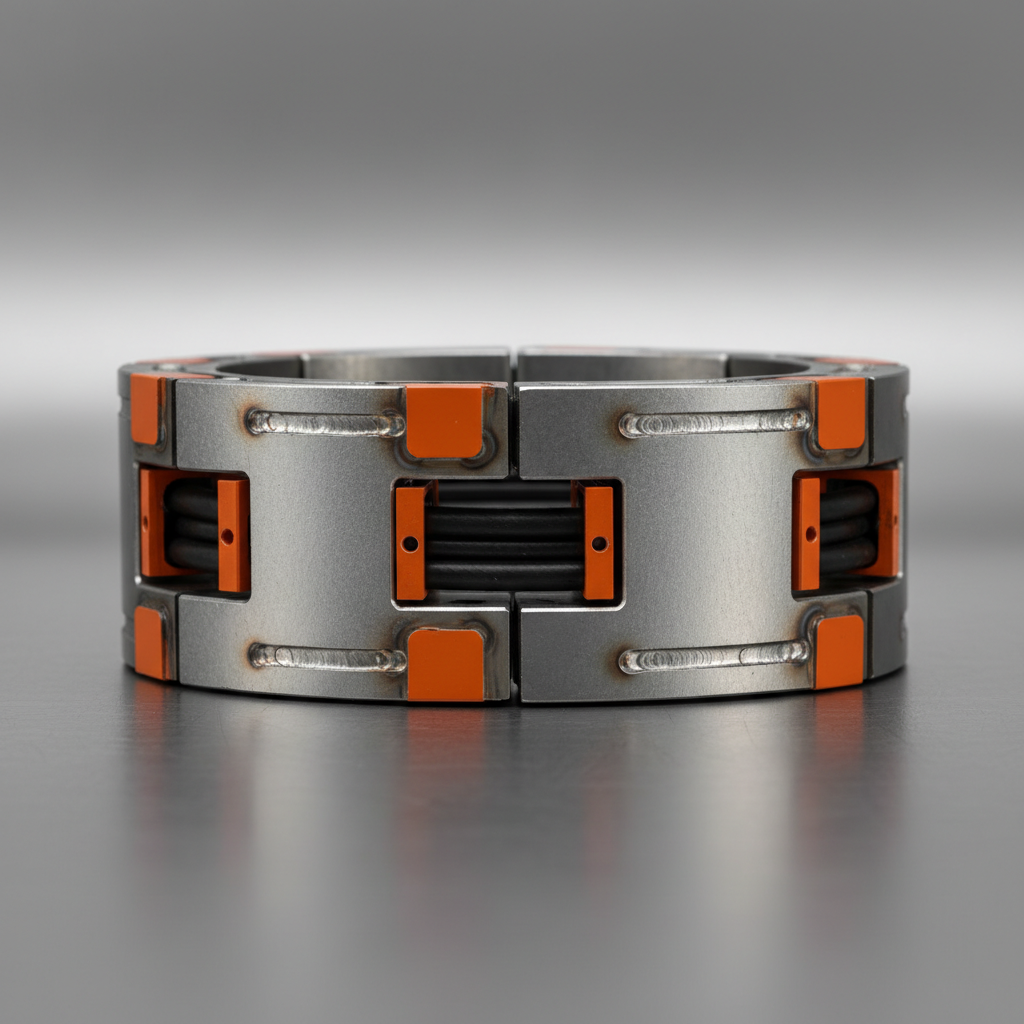
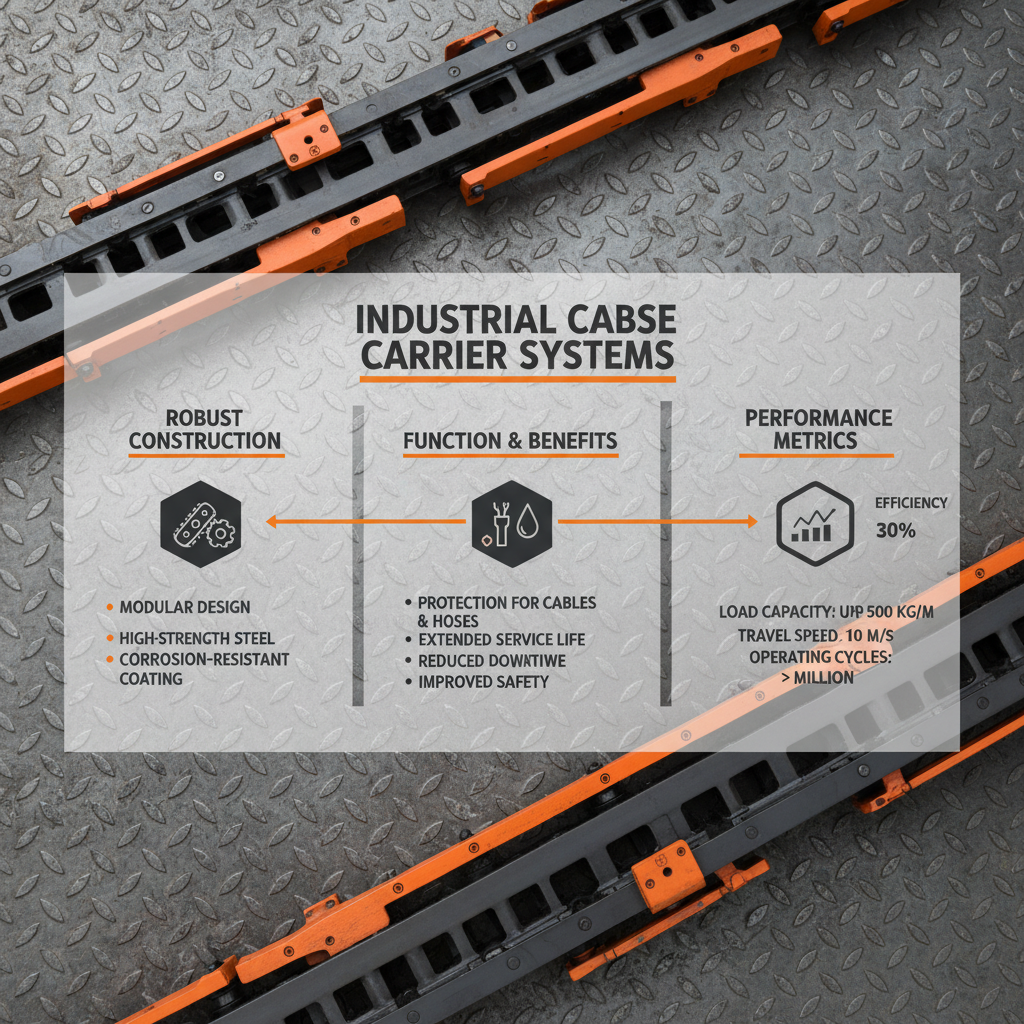
Cable hose carriers are essential for safeguarding moving cables and hoses within industrial machinery. They offer a robust and reliable solution, minimizing the risk of damage and ensuring consistent operation. Effective cable management isn’t simply about protecting the cables; it’s about optimizing the entire system for longevity and efficiency.
The implementation of a high-quality cable hose carrier can significantly reduce maintenance costs and downtime, leading to increased productivity. This makes them a critical investment for businesses seeking to improve their operational performance and maintain a competitive edge in today’s demanding manufacturing landscape.
The lifespan of a cable hose carrier depends on several factors, including the material, operating conditions, and maintenance schedule. Typically, a well-maintained plastic carrier can last 5-7 years, while a stainless steel carrier can last 10 years or more. Regular inspection and lubrication are crucial for maximizing lifespan. Factors like exposure to UV radiation, extreme temperatures, and corrosive substances can significantly reduce longevity.
Selecting the correct size involves considering the number and diameter of the cables and hoses that will be contained within the carrier, as well as the bending radius required for the application. It's essential to allow sufficient space for the cables to move freely without being compressed or stressed. Manufacturers often provide sizing charts and calculators to help with this process. An undersized carrier can lead to premature cable failure.
Plastic cable hose carriers are generally lighter, more cost-effective, and offer good resistance to corrosion. They are suitable for most indoor applications. Metal carriers, typically made from stainless steel or aluminum, are more durable, offer higher load-bearing capacity, and are better suited for harsh environments with extreme temperatures, chemicals, or mechanical stress. The choice depends on the specific application requirements.
Proper cable filling is critically important. Ideally, the carrier should be filled approximately 60-80% to prevent sagging, twisting, and internal abrasion. Underfilling can allow cables to move excessively, while overfilling can create excessive stress on the cables and the carrier itself. Using cable separators and fillers can help achieve optimal filling and organization.
Yes, but it's crucial to select a carrier made from UV-resistant materials and designed for outdoor use. Exposure to sunlight, rain, and extreme temperatures can degrade plastic carriers over time. Stainless steel carriers are generally a better choice for harsh outdoor environments. Consider also the potential for ice and snow buildup, which can add weight and stress to the system.
Regular inspection for wear and tear, including cracked links, frayed cables, and loose connections, is essential. Lubrication of the links can reduce friction and extend lifespan. Cleaning the carrier to remove dirt, debris, and corrosive substances is also important. Addressing any issues promptly can prevent more significant problems and ensure continued reliable operation.
Cable hose carriers are integral components in modern industrial systems, offering a robust and reliable solution for protecting and managing cables and hoses. Their contribution to increased efficiency, safety, and longevity of machinery is undeniable. From reducing downtime and maintenance costs to enabling complex automation, these systems are vital for a wide range of industries.
As technology continues to advance, innovations in materials, sensor integration, and digital connectivity will further enhance the performance and capabilities of cable hose carriers. Embracing these advancements is crucial for businesses seeking to optimize their operations and maintain a competitive edge. Visit our website at www.agilechains.com to explore our full range of cable hose carrier solutions and discover how we can help you achieve your goals.