0%

Table of Contents

Plastic cable carriers, often referred to as energy chains, are a fundamental component in modern automation and material handling systems. These systems ensure the safe and efficient transmission of energy and data to moving machinery. Their increasing prevalence globally reflects the growing need for reliable and organized cable management across diverse industries, from manufacturing and robotics to renewable energy and even stage technology. Understanding the intricacies of plastic cable carrier design, application, and innovation is therefore crucial for engineers, technicians, and professionals involved in these fields.

The demand for plastic cable carriers is directly linked to the global expansion of automation and robotics. Reports from the International Federation of Robotics (IFR) consistently show increasing robot density worldwide, driving the need for robust cable management solutions. Similarly, the growth of industries like electric vehicles and renewable energy, requiring complex wiring harnesses for moving components, further fuels this demand. A key challenge addressed by these carriers is preventing cable damage and downtime – failures in cable management can lead to costly production halts and safety risks.

Ultimately, the effectiveness of modern industrial processes hinges on the reliability of its supporting infrastructure. Plastic cable carriers represent a critical element of that infrastructure, ensuring smooth operation and minimizing disruptions in automated systems. They’ve evolved from simple conduits to sophisticated engineered solutions offering a wide array of features for specific applications.
Exploring the Versatility and Importance of Plastic Cable Carrier Systems

Introduction to Plastic Cable Carriers

Exploring the Versatility and Importance of Plastic Cable Carrier Systems

Plastic cable carriers play a vital role in protecting sensitive cables and hoses from wear, stress, and environmental factors during dynamic applications. They are essentially protective conduits designed to guide and support these essential components as they move in conjunction with machinery. This prevents cable breakage, extends service life, and reduces costly downtime.

The evolution of plastic cable carriers is directly tied to the growth of automation. Initially, simple drag chains were used, but modern designs incorporate advanced materials, modular construction, and specialized features for specific industry needs, showcasing the continuous innovation within this technology. Choosing the right plastic cable carrier is paramount for ensuring operational efficiency and safety.

Defining Plastic Cable Carrier Technology

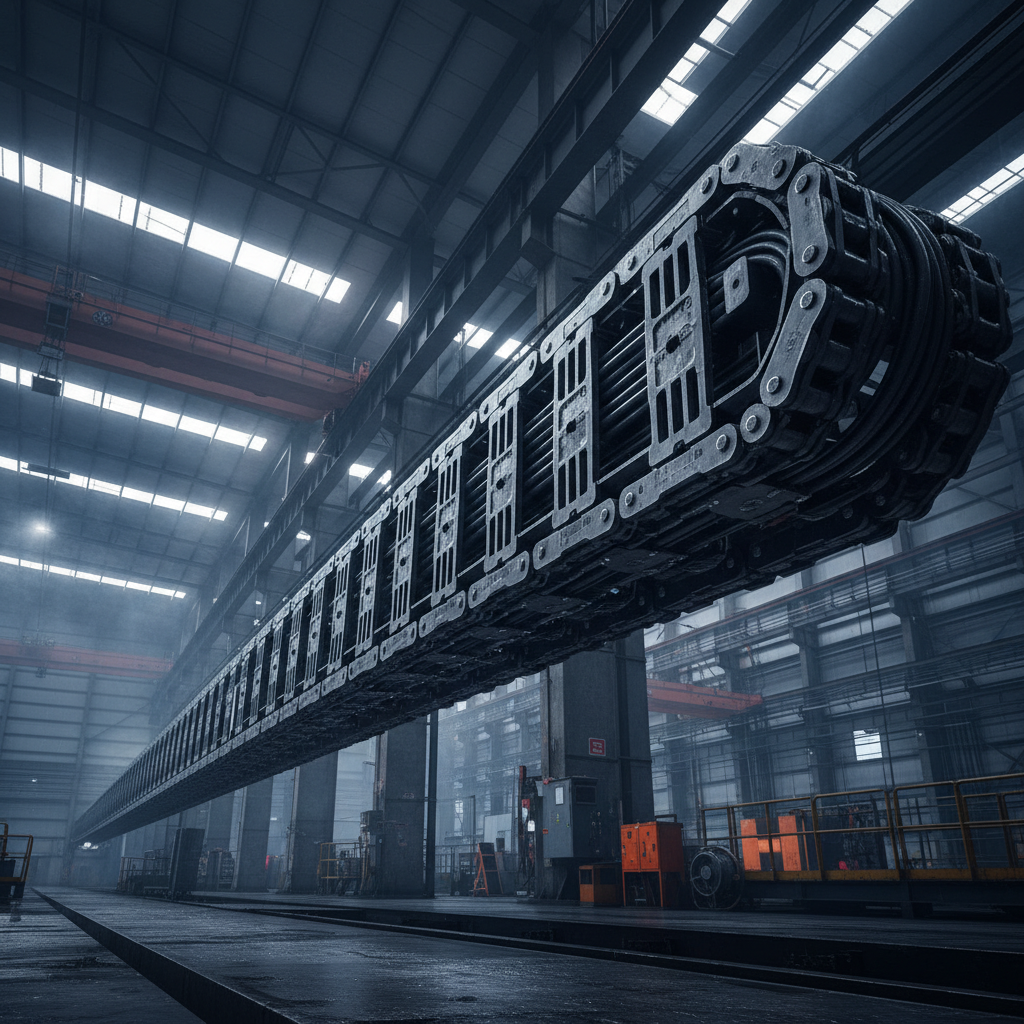
A plastic cable carrier (also known as an energy chain or drag chain) is a flexible system designed to surround and guide moving cables and hoses. Typically constructed from durable plastics like high-density polyethylene (HDPE), polypropylene (PP), or polyamide (PA), these carriers are comprised of interconnected links that form a continuous chain. This chain flexes and bends with the movement of the machinery, providing continuous support and protection.

The fundamental purpose of a plastic cable carrier is to prevent cables from becoming tangled, snagged, or damaged during dynamic operation. This is particularly critical in applications involving repetitive motion, high speeds, or harsh environmental conditions. Without a proper cable management system, cables are susceptible to fatigue, abrasion, and even complete failure.

Plastic cable carriers are integral to the function of countless industrial systems. They’re not simply an add-on but a necessary component for ensuring the reliability and longevity of automated equipment, reflecting the broader shift towards preventative maintenance and optimized system performance.

Core Characteristics of Plastic Cable Carriers

Durability is a cornerstone of effective plastic cable carrier design. The materials used must withstand repeated bending, exposure to chemicals, and varying temperatures without cracking or deforming. Modern carriers are engineered to handle significant loads and stresses, ensuring long-term reliability.

Modularity is another key characteristic. Most plastic cable carriers are designed with a modular construction, allowing users to easily customize the carrier's length and internal configuration to accommodate specific cable and hose requirements. This flexibility reduces waste and simplifies installation and maintenance.

Cost-effectiveness is an important consideration. While high-performance materials are crucial, plastic cable carriers offer a more affordable solution compared to metal alternatives, especially considering their longevity and reduced downtime costs. A well-chosen carrier will provide a strong return on investment over its lifespan.

Key Performance Indicators for Plastic Cable Carriers

Evaluating the performance of a plastic cable carrier requires consideration of several key factors. Bending radius, the minimum radius to which the carrier can be bent without damaging cables, is a critical metric. A smaller bending radius allows for more compact installations.

Another crucial KPI is load capacity, which refers to the maximum weight of cables and hoses the carrier can safely support. This is directly related to the carrier's material and construction. Resistance to chemicals and UV radiation is also essential for applications in harsh environments.

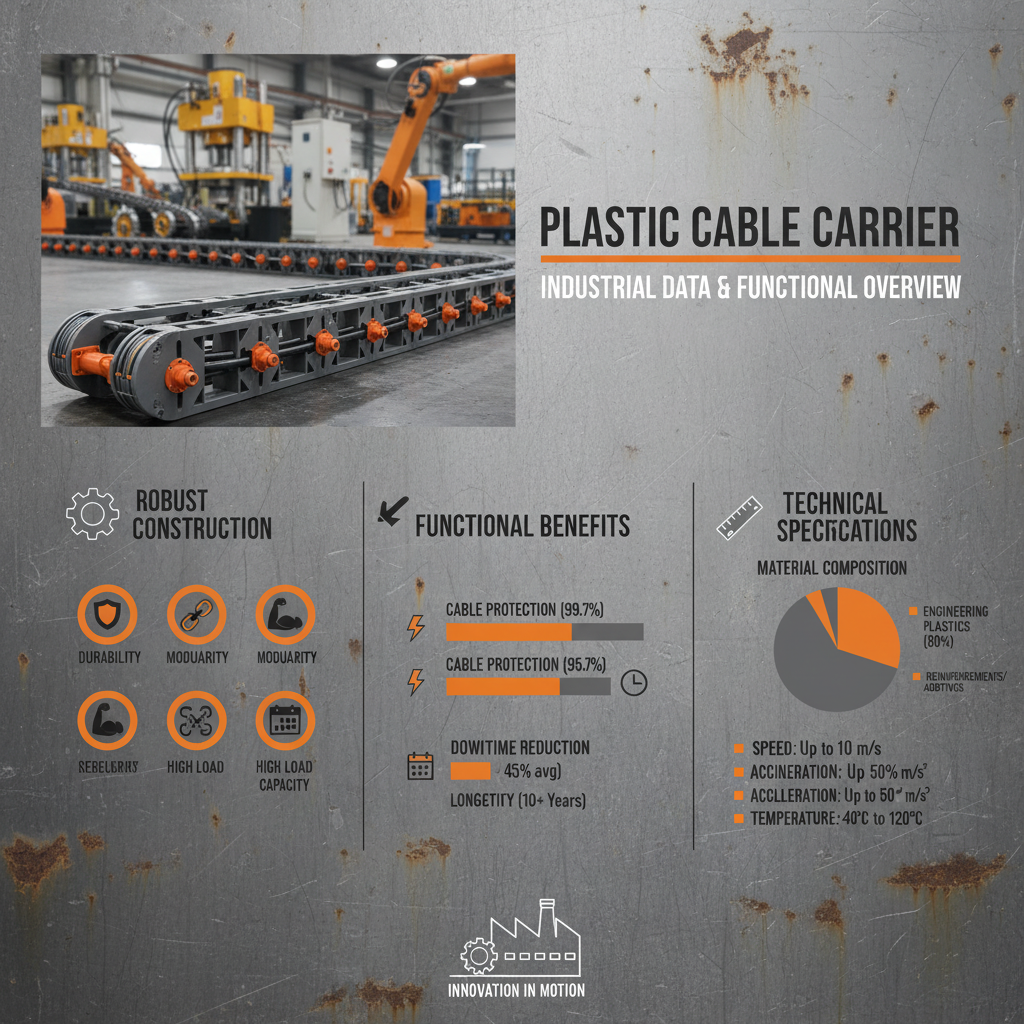
Plastic Cable Carrier Performance Metrics


Diverse Applications of Plastic Cable Carriers

Plastic cable carriers are ubiquitous in modern manufacturing, finding applications in robotics, CNC machines, and automated assembly lines. In these environments, they protect cables from wear and tear as robots and machinery move along multiple axes. They are also critical components in material handling systems like conveyor belts and automated storage and retrieval systems.

The renewable energy sector increasingly relies on plastic cable carriers, particularly in wind turbine and solar panel installations. Here, they manage the complex wiring required for power transmission and control systems, often exposed to harsh weather conditions. Similarly, in the medical industry, plastic cable carrier are employed in surgical robots and imaging equipment.

Advantages and Long-Term Value

The benefits of utilizing plastic cable carriers extend beyond simple cable protection. A significant advantage is reduced downtime. By preventing cable failures, they minimize disruptions to production processes, leading to increased efficiency and profitability. Furthermore, their modularity simplifies maintenance and replacement procedures.

From a sustainability perspective, plastic cable carriers contribute to longer equipment lifespans, reducing the need for frequent replacements and minimizing waste. Their lightweight construction also translates to energy savings in moving applications. Ultimately, investing in quality plastic cable carriers represents a commitment to reliability, safety, and long-term operational excellence.

Future Trends in Plastic Cable Carrier Design

Innovation in plastic cable carrier technology is driven by the demand for increased efficiency, miniaturization, and integration with smart manufacturing systems. One emerging trend is the development of self-opening carriers, simplifying cable installation and maintenance. The use of advanced materials, such as carbon fiber-reinforced polymers, is also gaining traction for applications requiring exceptional strength and lightweight properties.

Another exciting area of development is the integration of sensors and data analytics into plastic cable carriers. These "smart" carriers can monitor cable stress, temperature, and other parameters, providing valuable insights into system performance and enabling predictive maintenance. Furthermore, incorporating 3D printing in the manufacturing process allows for customized designs and rapid prototyping.

The future of plastic cable carriers is inextricably linked to the broader trends of Industry 4.0 and the Industrial Internet of Things (IIoT). Expect to see more intelligent, connected, and adaptable solutions that contribute to more resilient and efficient manufacturing processes.

FAQS

What factors should I consider when selecting a plastic cable carrier?

Choosing the right plastic cable carrier involves assessing several factors, including the application's bending radius, load capacity, operating temperature, and environmental conditions. Consider the type of cables and hoses being protected, their weight, and the required degree of flexibility. Also, think about the carrier’s material, modularity, and ease of maintenance to ensure it fits your specific needs and provides long-term reliability.

How do I determine the appropriate length of a plastic cable carrier?

The length of a plastic cable carrier should account for the total travel distance of the application, plus additional slack to accommodate bending and prevent cable strain. It’s generally recommended to add at least 10-15% extra length to the straight travel distance. Accurately measuring the travel path and considering potential obstructions is vital for ensuring proper fit and function.

What materials are plastic cable carriers typically made from?

Plastic cable carriers are commonly made from materials like HDPE (High-Density Polyethylene), PP (Polypropylene), and PA (Polyamide, or Nylon). HDPE offers good impact resistance and low cost, while PP provides excellent chemical resistance. PA offers high strength and temperature resistance, making it suitable for demanding applications. The best material depends on the specific requirements of the application.

How do I properly install a plastic cable carrier?

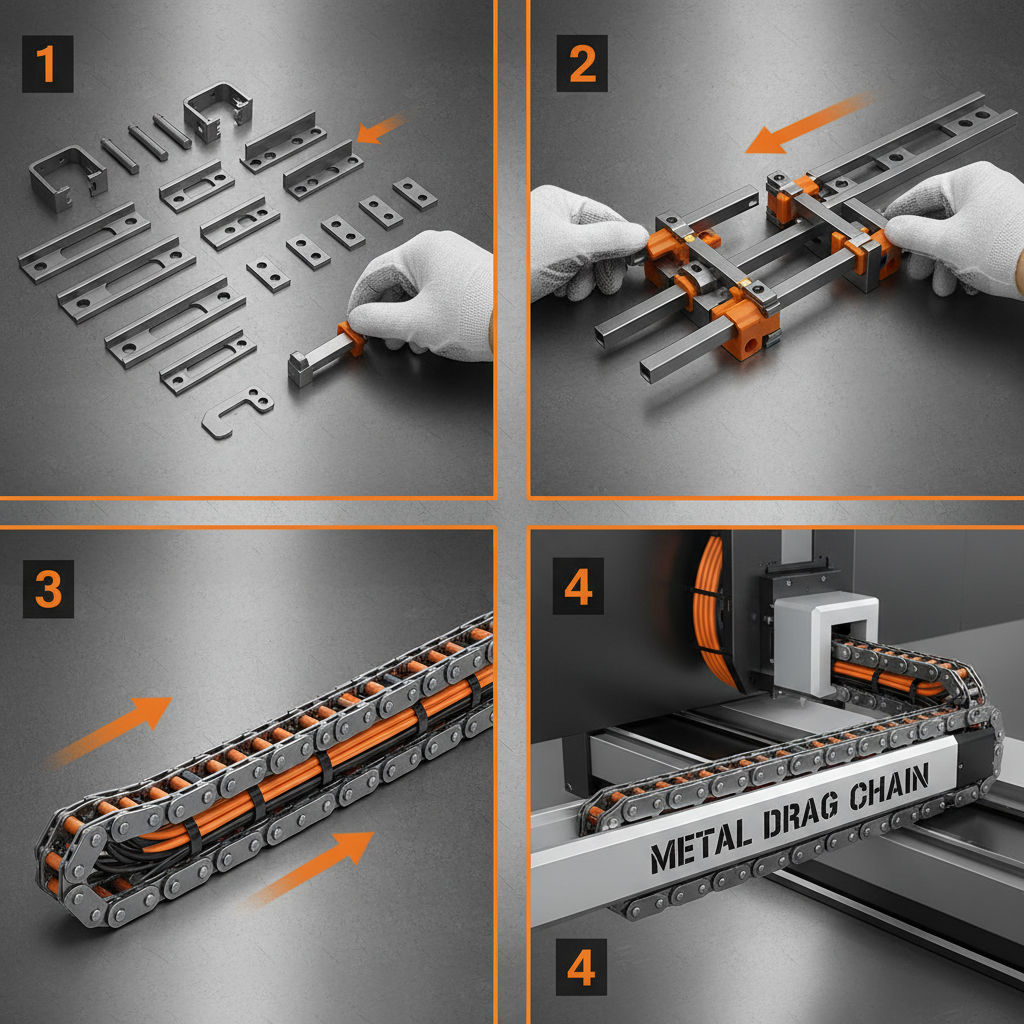
Proper installation is crucial for optimal performance. Ensure the carrier is securely mounted and aligned with the direction of travel. Avoid sharp bends or kinks that could damage cables. Fill the carrier appropriately, leaving enough space for cables to move freely without overstressing the carrier links. Regular inspections and maintenance will also extend the carrier's lifespan.

Can plastic cable carriers be used in outdoor applications?

Yes, but it’s important to choose a carrier made from UV-resistant materials if it will be exposed to direct sunlight. Some materials, like PA6, are inherently more UV-resistant than others. Additionally, consider the temperature range and ensure the carrier can withstand the specific climate conditions of the outdoor environment. Proper sealing and protection from moisture are also essential.

What is the lifespan of a typical plastic cable carrier?

The lifespan of a plastic cable carrier varies depending on the application, operating conditions, and quality of the carrier. However, with proper installation and maintenance, a well-chosen carrier can last for several years, often exceeding five years. Regular inspections for wear and tear, and timely replacement of damaged links, can significantly extend its service life.

Conclusion

Plastic cable carriers are an indispensable component in modern industrial automation, ensuring the reliable and safe management of cables and hoses in dynamic applications. Their benefits – encompassing reduced downtime, increased efficiency, cost-effectiveness, and enhanced system longevity – demonstrate their significant value across diverse industries. From manufacturing and robotics to renewable energy and medical technology, they play a critical role in facilitating smooth and uninterrupted operation.

Looking ahead, continued innovation in materials, design, and integration with smart technologies promises even more sophisticated and adaptable plastic cable carrier solutions. Embracing these advancements will be vital for organizations seeking to optimize their processes, reduce operational costs, and enhance their competitive edge. For high-quality plastic cable carrier solutions, visit our website at www.agilechains.com.

Christopher Wilson

Christopher Wilson

Christopher Wilson is a Senior Production Engineer at Shijiazhuang Agile Company. He joined Agile in 2017 and plays a vital role in optimizing manufacturing efficiency within our 6500 square meter facility. Christopher specializes in the production of nylon corrugated bellow pipes and guide rail bellow covers. He is dedicated to
Previous Advancements in Wire Carriers for Modern Logistics and Infrastructure Solutions
Next Optimizing Infrastructure with Durable Plastic Cable Track Systems