The global demand for efficient and reliable material handling solutions is continuously growing, driven by the expansion of manufacturing, logistics, and automation industries. Central to these systems are components like the cps drag chain, which play a crucial role in protecting and guiding cables, hoses, and other vital utilities. Understanding the principles and applications of these chains is paramount for optimizing performance, minimizing downtime, and ensuring workplace safety.
The effective management of dynamic cable and hose routing is a significant challenge in modern industrial environments. Traditional methods often lead to wear, tear, and potential failure, resulting in costly repairs and production delays. cps drag chain systems address this issue by providing a robust and flexible enclosure, extending the lifespan of critical components and enhancing overall operational efficiency.
Investing in a high-quality cps drag chain translates to long-term cost savings and increased productivity. By safeguarding cables and hoses from environmental factors and mechanical stress, these chains reduce maintenance requirements, prevent unplanned stoppages, and contribute to a more sustainable and resilient industrial ecosystem.
Understanding the Core Functionality of cps drag chain
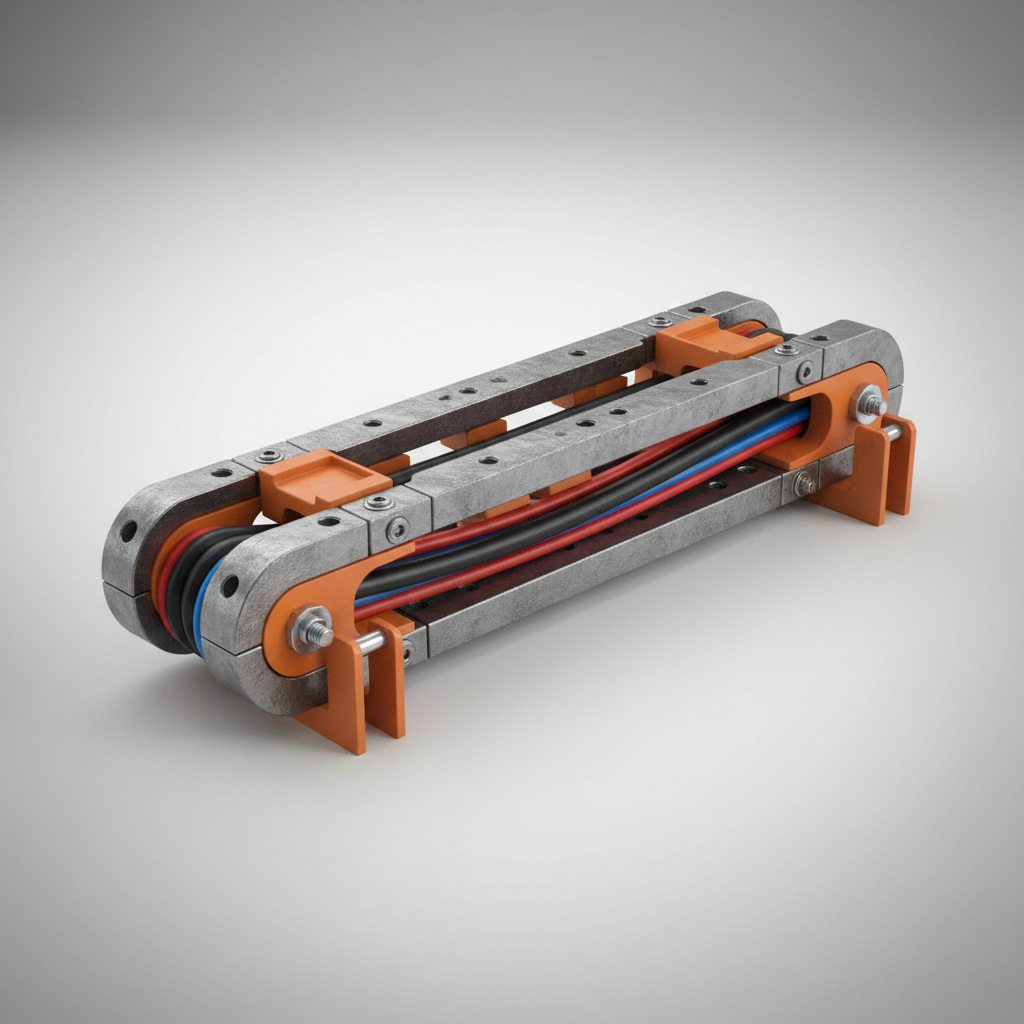
At its core, a cps drag chain is engineered to provide structured support and protection for moving cables and hoses within machinery. This prevents entanglement, abrasion, and potential damage caused by bending and stress. Its modular design allows for customization to accommodate various cable and hose diameters, lengths, and configurations.
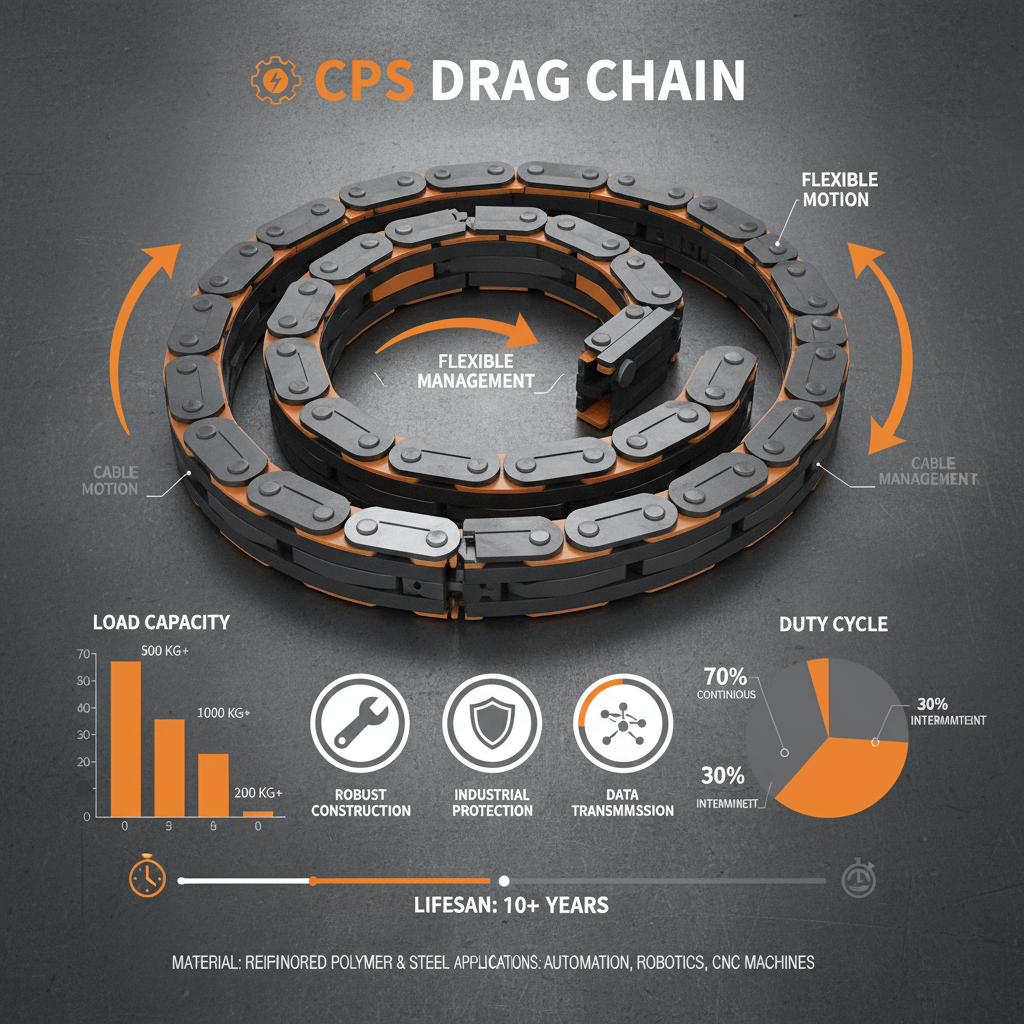
The principle behind a cps drag chain revolves around interlocking links, usually made from robust polymers or metals, that articulate smoothly, following the movement of the supported components. This dynamic support ensures continuous operation and minimizes disruptions.
The Global Relevance of cps drag chain in Industrial Applications
The application of cps drag chain systems extends across a vast spectrum of industries globally. From automotive manufacturing and robotics to material handling equipment and renewable energy installations, the need for reliable cable and hose management is universal. The UN Industrial Development Organization (UNIDO) emphasizes the importance of efficient infrastructure in driving economic growth, and components like cps drag chain directly contribute to that efficiency.
The increasing automation of manufacturing processes, particularly in regions like China, Germany, and the United States, is fueling the demand for sophisticated cable management solutions. According to a recent report by the International Federation of Robotics (IFR), robot density is steadily increasing worldwide, which directly correlates with the need for robust cps drag chain systems to support robotic arm movements and connectivity.
One of the primary challenges addressed by cps drag chain is the reduction of machine downtime. Unprotected cables and hoses are susceptible to damage, leading to unexpected failures and production interruptions. Implementing a properly designed cps drag chain system significantly minimizes this risk, ensuring continuous operation and maximizing productivity.
Defining cps drag chain: Components and Mechanisms
A cps drag chain, also known as a cable carrier or energy chain, is a system designed to guide and protect electrical cables and hoses during movement. The core component is the chain itself, constructed from interconnected links. These links are typically made from high-strength polymers like polyamide (PA), polypropylene (PP), or polyethylene (PE), though metal versions are also available for demanding applications.
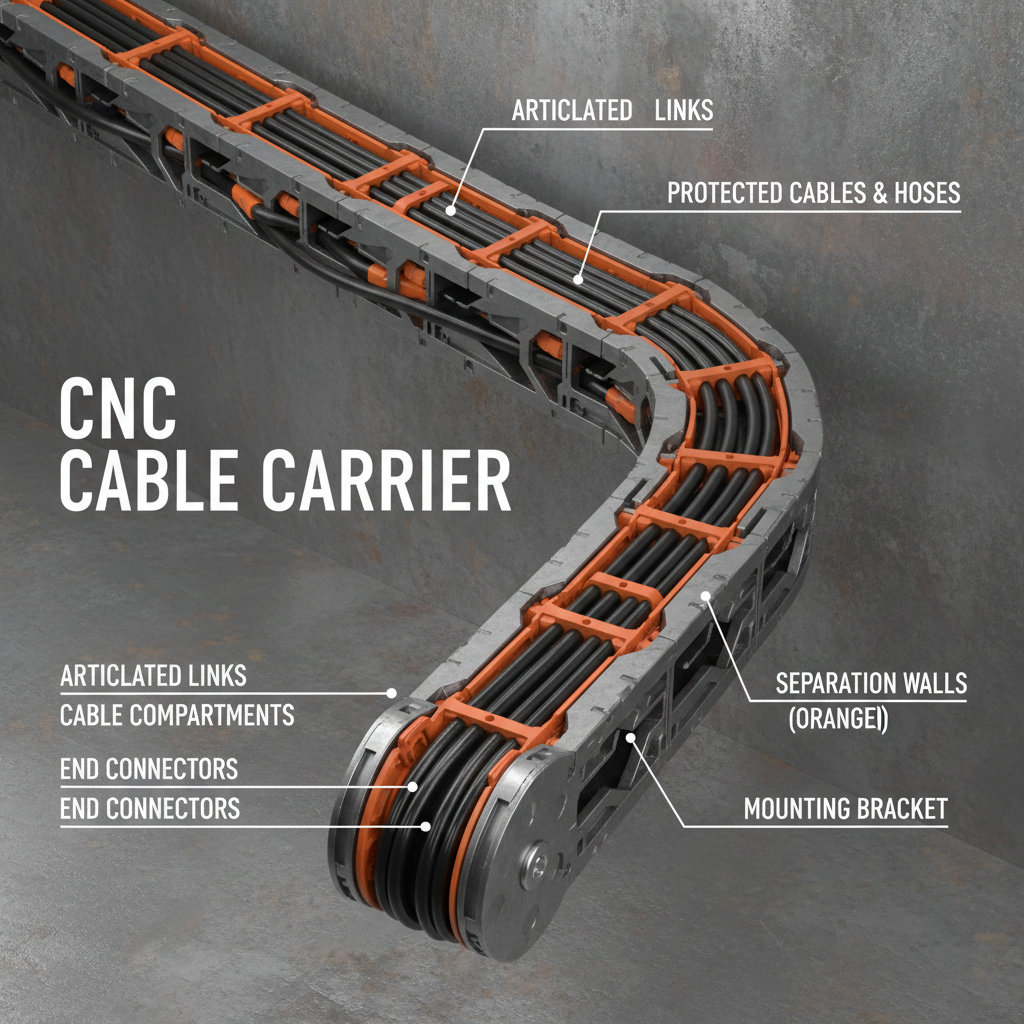
Beyond the links, a cps drag chain system includes various accessories like chain connectors, strain relief systems, and mounting brackets. Connectors securely join chain segments, while strain relief systems prevent cables from being pulled or stressed at connection points. Mounting brackets provide a stable and secure attachment to the machinery.
The mechanism is relatively simple yet highly effective. As the machinery moves, the interconnected links articulate, bending in both horizontal and vertical directions to accommodate the changing position of the cables and hoses. This flexible movement ensures that the cables and hoses are always protected, regardless of the machine's configuration.
Key Advantages of Implementing cps drag chain Systems
Implementing a cps drag chain system offers several significant advantages. Firstly, it enhances cable and hose protection, extending their lifespan and reducing the frequency of replacements. This leads to substantial cost savings over time.
Secondly, cps drag chain systems contribute to increased machine uptime. By minimizing the risk of cable and hose failure, they prevent unplanned stoppages and maintain continuous production.
Comparative Advantages of Different cps drag chain Materials
Diverse Global Applications of cps drag chain
The applications of cps drag chain are remarkably diverse. In the automotive industry, they are integral to robotic welding cells, paint spraying systems, and assembly lines, protecting cables from abrasion and ensuring smooth robotic movements.
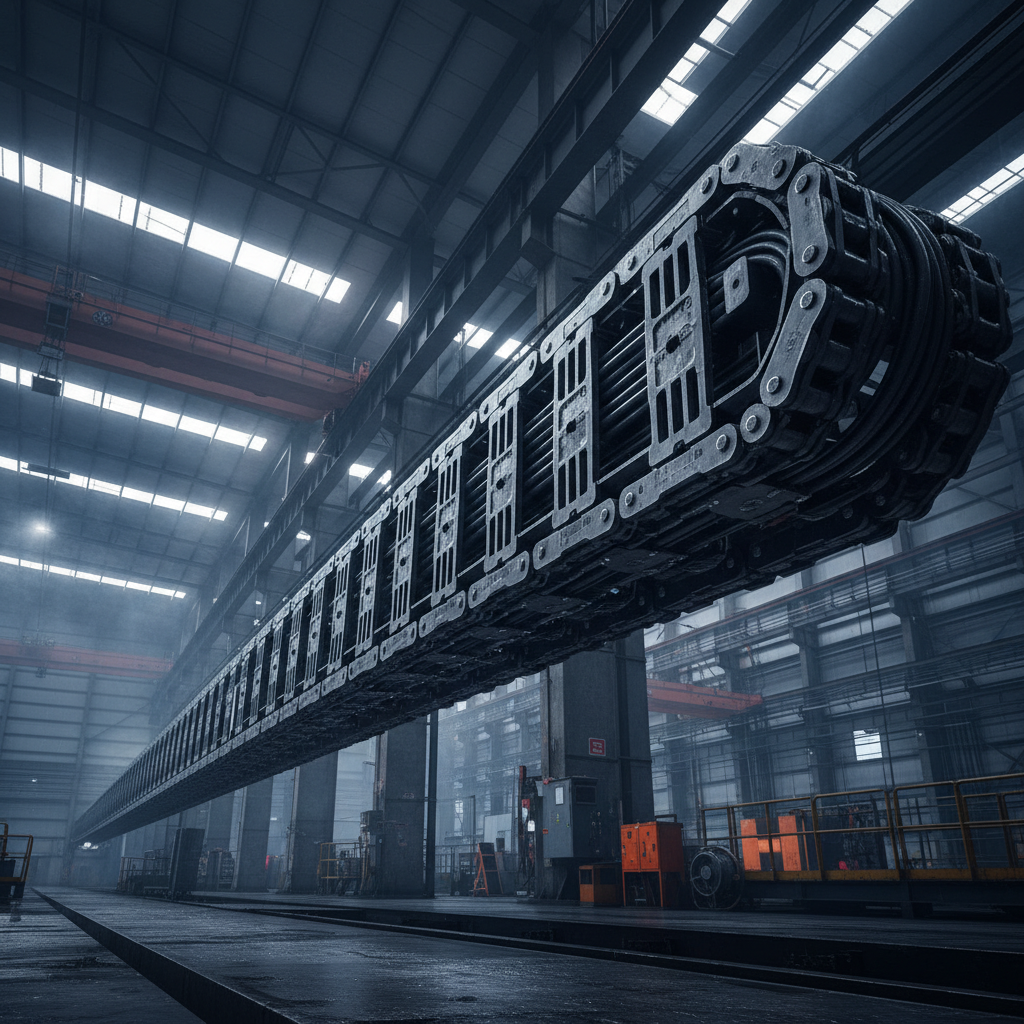
Material handling equipment, such as cranes, forklifts, and automated storage and retrieval systems (AS/RS), heavily rely on cps drag chain to manage the power and control cables for their various functions. Furthermore, in the renewable energy sector, these chains are crucial in wind turbine installations and solar panel tracking systems.
The Long-Term Value and Benefits of cps drag chain
The long-term value of investing in a cps drag chain system extends beyond immediate cost savings. The increased reliability and reduced downtime contribute to higher overall equipment effectiveness (OEE), resulting in improved production output and profitability.
Furthermore, the enhanced safety provided by cps drag chain systems cannot be overstated. Protecting cables and hoses minimizes the risk of electrical hazards and mechanical failures, creating a safer working environment for personnel.
From a sustainability perspective, the extended lifespan of cables and hoses protected by cps drag chain reduces waste and minimizes the environmental impact associated with frequent replacements.
Future Trends and Challenges in cps drag chain Technology
The future of cps drag chain technology is likely to be shaped by several emerging trends. The integration of smart sensors within the chains to monitor cable health and predict potential failures is gaining traction. This predictive maintenance capability will further enhance reliability and minimize downtime.
The development of lightweight and high-strength materials, such as carbon fiber reinforced polymers, will lead to more efficient and durable cps drag chain systems. Additionally, the increasing demand for modular and customizable solutions will drive innovation in chain design and configuration.
One challenge facing the industry is the need to address the increasing complexity of cable and hose management in highly automated environments. Developing cps drag chain systems that can accommodate a wider range of cable types and configurations will be crucial.
Summary of Key Challenges and Solutions for cps drag chain Implementation
| Challenge |
Impact on cps drag chain Performance |
Potential Solution |
Implementation Cost (1-10) |
| Cable Abrasion |
Reduced Cable Lifespan, Increased Downtime |
Utilize Abrasion-Resistant Chain Materials |
6 |
| Limited Space |
Difficulty Integrating cps drag chain Systems |
Employ Compact and Modular Chain Designs |
7 |
| High Dynamic Stress |
Chain Link Fatigue and Failure |
Select High-Strength Chain Materials and Reinforcements |
8 |
| Environmental Factors (Temperature, Chemicals) |
Material Degradation and Reduced Performance |
Choose Chemically Resistant and Temperature-Stable Materials |
5 |
| Improper Installation |
Chain Misalignment, Increased Wear |
Provide Comprehensive Installation Training |
4 |
| Lack of Maintenance |
Reduced Chain Lifespan, Potential Failures |
Implement Regular Inspection and Lubrication Schedules |
3 |
FAQS
cps drag chains offer superior protection against abrasion, wear, and environmental factors compared to traditional methods like cable trays or free-hanging cables. This results in a significantly longer cable lifespan, reduced downtime due to failures, and improved overall system reliability. They also offer greater flexibility and adaptability to dynamic applications, ensuring consistent performance regardless of movement.
Key factors include the travel speed and distance, the weight and size of the cables and hoses, the operating temperature and environment, and the bending radius required. It’s crucial to choose a chain material that is compatible with the application's conditions and select a chain with sufficient capacity to handle the load without compromising its integrity. The chain’s inner height and width should also be carefully considered to ensure adequate space for all components.
Regular inspection is vital. At a minimum, cps drag chains should be visually inspected monthly for signs of wear, damage, or misalignment. Lubrication is also important, and the frequency will depend on the application and operating conditions. More frequent inspections may be necessary in harsh environments or high-duty cycle applications. A preventative maintenance schedule will significantly extend the lifespan of the chain and prevent unexpected failures.
Common materials include Polyamide (PA6, PA66), Polypropylene (PP), Polyethylene (PE), and stainless steel. PA6 and PA66 offer excellent strength, abrasion resistance, and cost-effectiveness. PP is lightweight and chemical-resistant. PE offers good low-temperature flexibility. Stainless steel provides superior strength, corrosion resistance, and is ideal for high-temperature or demanding applications. The best choice depends on the specific application requirements.
Yes, cps drag chains are highly customizable. Many manufacturers offer a wide range of accessories, such as chain connectors, strain relief systems, mounting brackets, and dividers, allowing you to tailor the system to your specific needs. Custom chain lengths, widths, and radii are also often available. This flexibility ensures optimal cable and hose management for even the most complex applications.
The lifespan of a cps drag chain varies depending on the application, operating conditions, and maintenance practices. With proper installation, regular inspection, and lubrication, a well-maintained cps drag chain can last for several years – often exceeding five to ten years. However, harsh environments, high speeds, or improper maintenance can significantly reduce its lifespan.
Conclusion
In conclusion, the cps drag chain represents a vital component in modern industrial automation and material handling. By providing robust protection, enhancing operational efficiency, and improving workplace safety, these systems offer a significant return on investment. Understanding the core principles, diverse applications, and emerging trends in cps drag chain technology is crucial for optimizing performance and ensuring long-term sustainability.
Looking ahead, continued innovation in materials, sensor integration, and modular design will further enhance the capabilities of cps drag chain systems. By proactively addressing the challenges and embracing these advancements, industries can unlock new levels of productivity, reliability, and efficiency in their operations. For tailored solutions and expert guidance, visit our website: www.agilechains.com

 FIND USHIGH-TECH ZONE
 CALL US TODAY
 EMAIL US NOW