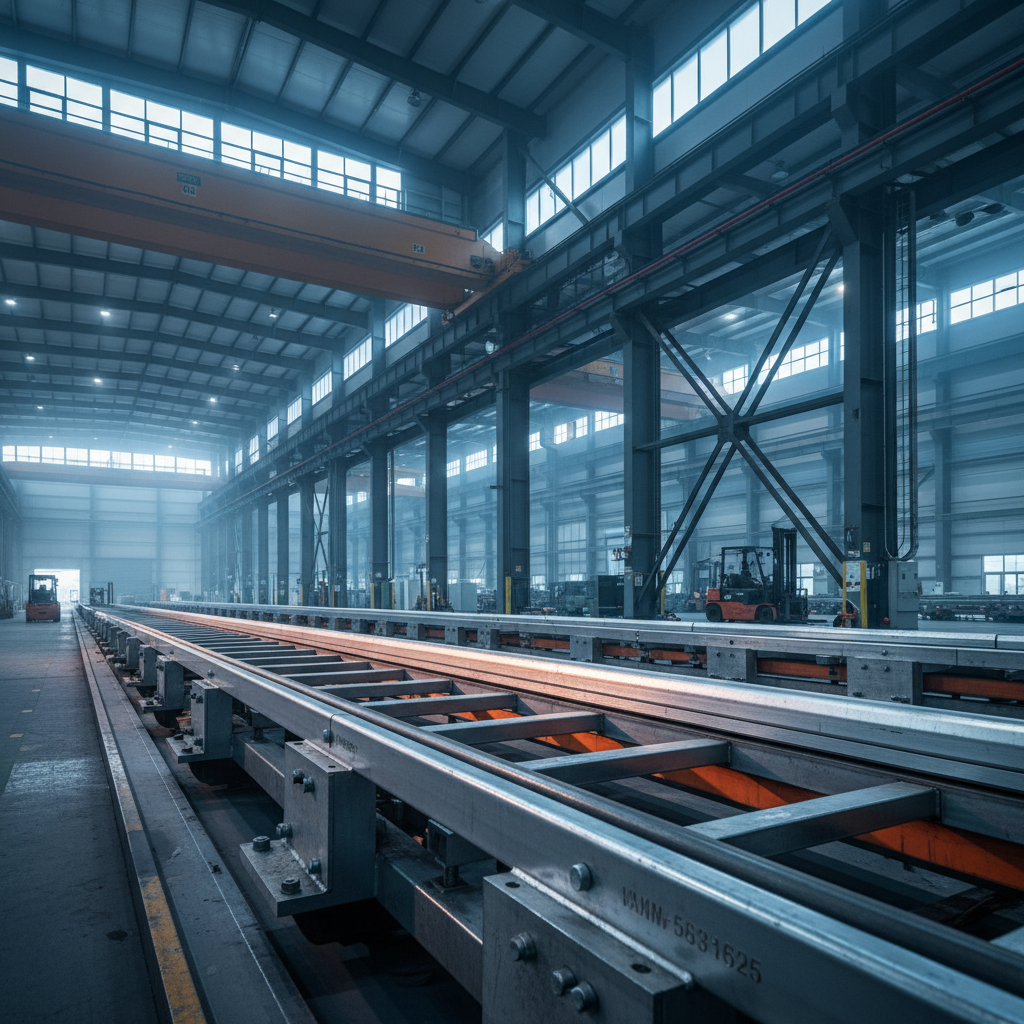
Look, I've spent the last fifteen years walking construction sites, getting my hands dirty, and watching things get built. And let me tell you, keeping cables organized and protected is always a headache. It doesn't matter if it's a CNC machine, a robot welding line, or even just power cords for tools – tangled, exposed cables are a safety hazard, a productivity killer, and a constant source of frustration. That’s where a good cnc cable carrier comes in. It's not glamorous, but it’s the backbone of keeping things running smoothly and safely.
We're talking about more than just preventing trips. Damaged cables mean downtime, and downtime costs money – a lot of money. A quality cnc cable carrier protects those cables from abrasion, impacts, and the elements, extending their lifespan and reducing the need for constant repairs. I’ve seen projects delayed weeks because of cable failures, all of which could have been avoided with the right protection.
And it's not just about big manufacturing plants either. These things are showing up everywhere – in 3D printing shops, automated inspection systems, even specialized research labs. The demand for reliable cable management solutions is growing, and frankly, it’s about time. Good cable carriers aren’t just an accessory; they’re a critical component of any modern automated system.
The Core Functionality of cnc cable carrier
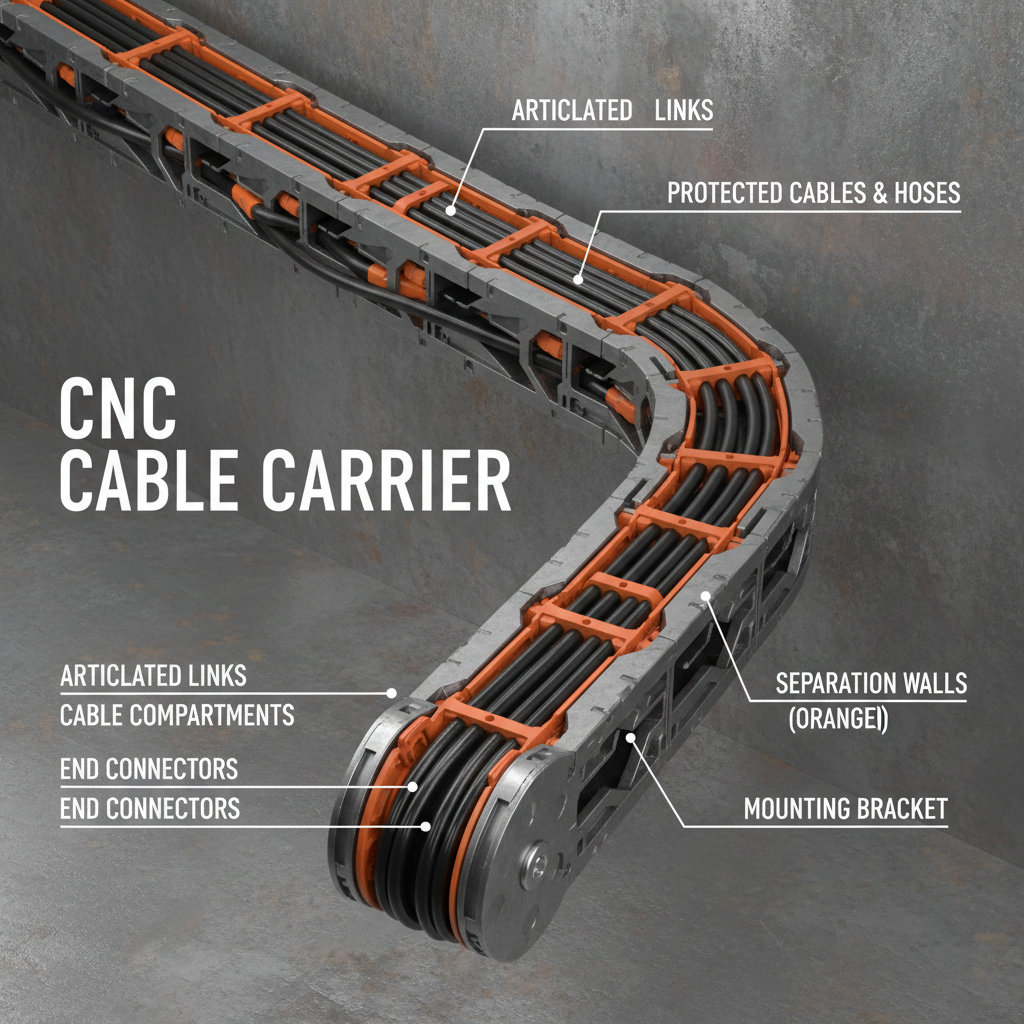
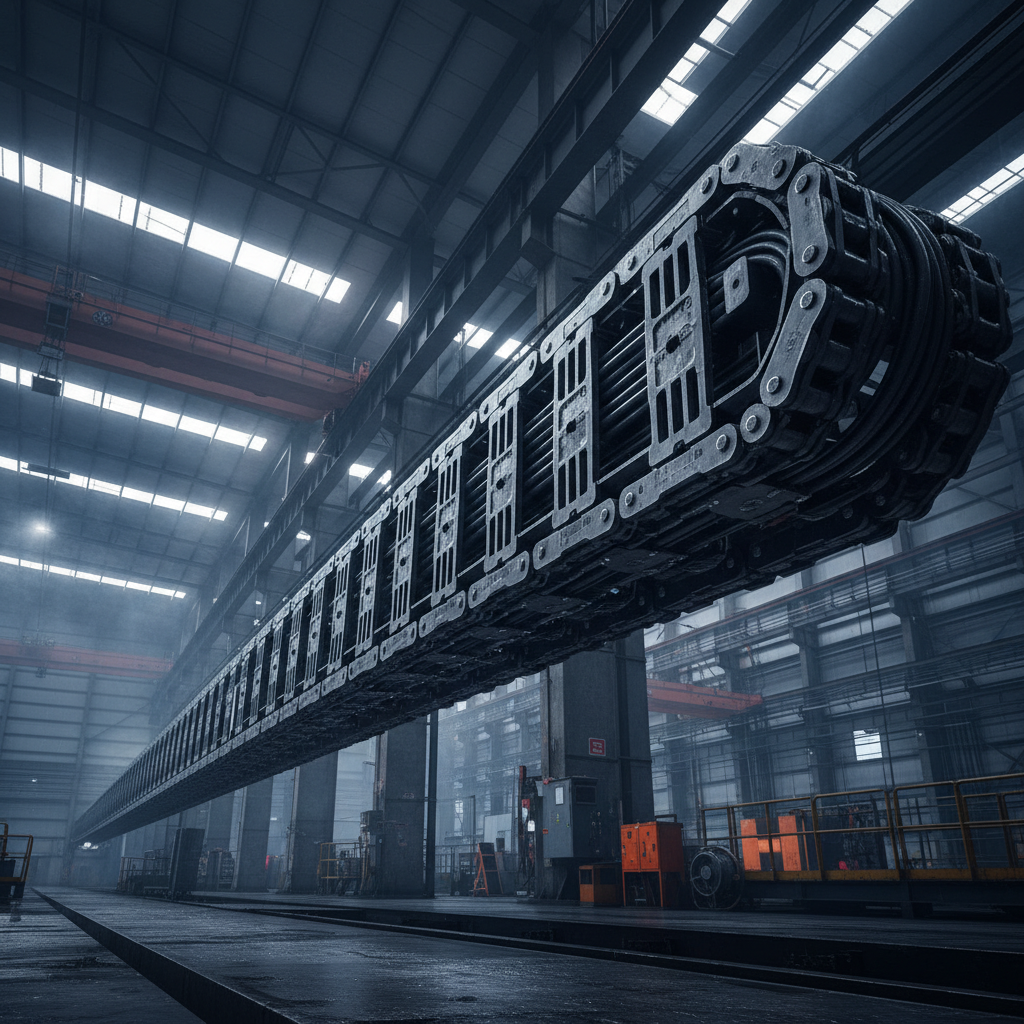
At its most basic, a cnc cable carrier (sometimes called an energy chain or cable drag chain) is a flexible conduit designed to guide and protect cables and hoses in moving applications. Think of it like a protective spine for your electrical and pneumatic arteries. These are typically made from linked plastic or metal modules, creating a continuous chain that bends in multiple directions to follow the movement of the machine or equipment.
The real benefit comes down to reliability. I've seen setups using just spiral wrap or loose cabling – absolute disasters waiting to happen. They quickly become tangled, damaged, and a constant maintenance nightmare. A properly installed cnc cable carrier keeps everything organized, preventing those issues and significantly increasing uptime.
Global Significance of cnc cable carrier
The need for automation and robotic systems is driving demand for cnc cable carrier worldwide. Manufacturing, automotive, aerospace, and even the food and beverage industries are all investing heavily in these technologies. According to a recent report by Grand View Research, the global energy chain market (which includes cnc cable carrier) is projected to reach $5.5 billion by 2028, growing at a CAGR of 6.8%. That's a significant increase, and it reflects the growing importance of reliable cable management.
The challenge is that as systems become more complex and sophisticated, the demands on cable carriers also increase. We need carriers that can handle higher speeds, longer travel distances, and more demanding environmental conditions. And it's not just about the technology itself; it's about the skilled workforce needed to install and maintain these systems.
Furthermore, with increasing focus on Industry 4.0 and smart factories, the integration of cnc cable carrier into overall system monitoring and diagnostics is becoming crucial. This allows for predictive maintenance and minimizes downtime, improving overall operational efficiency.
Defining cnc cable carrier: A Practical Perspective
Forget the fancy technical jargon. A cnc cable carrier is basically a plastic or metal housing designed to protect electrical cables as they move back and forth with a machine. It’s like a segmented, articulated snake that keeps those cables from getting snagged, bent, or crushed.
It’s not just about physical protection, though. A good carrier also reduces wear and tear on the cables themselves, extending their lifespan. I’ve seen cables fail prematurely because they were constantly flexing and bending without proper support. The right carrier solves that problem.
Thinking about it in terms of humanitarian needs, consider field hospitals or disaster relief efforts where portable CNC machines or robotic systems might be deployed. A robust and reliable cnc cable carrier is essential to ensure these critical tools function properly in challenging environments.
Key Aspects of High-Performance cnc cable carrier
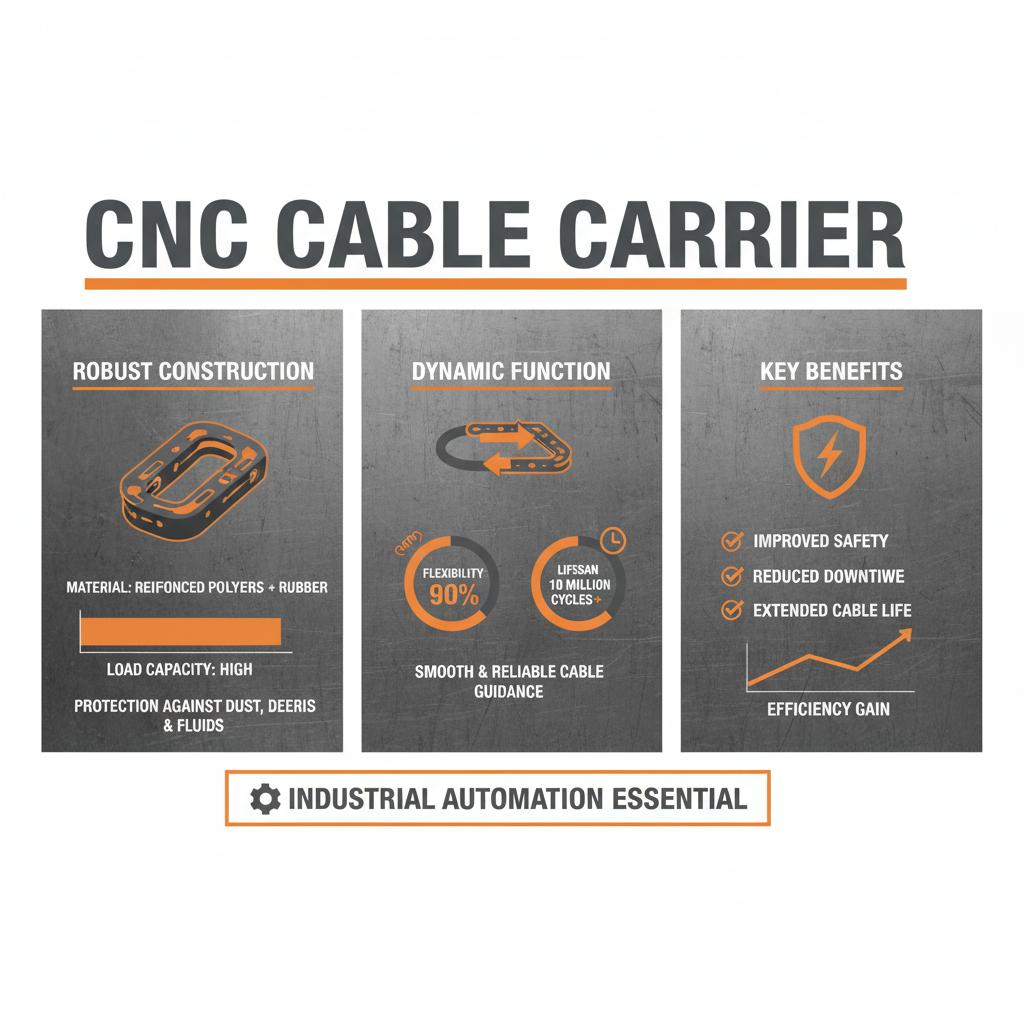
When I’m spec’ing out a cnc cable carrier, there are a few things I'm always looking for. First, Durability is paramount. The material needs to withstand the operating environment – temperature fluctuations, chemical exposure, and potential impacts. Second, Flexibility is key. The carrier needs to bend easily in all directions without kinking or damaging the cables.
Then there’s Load Capacity. You need to ensure the carrier can handle the weight and size of the cables and hoses you're running through it. Don’t underestimate this one – overloading a carrier can lead to premature failure. And finally, Ease of Assembly and Maintenance is crucial. I don't want something that's a pain to install or requires specialized tools to repair.
cnc cable carrier Performance Metrics
Real-World Applications and Use Cases
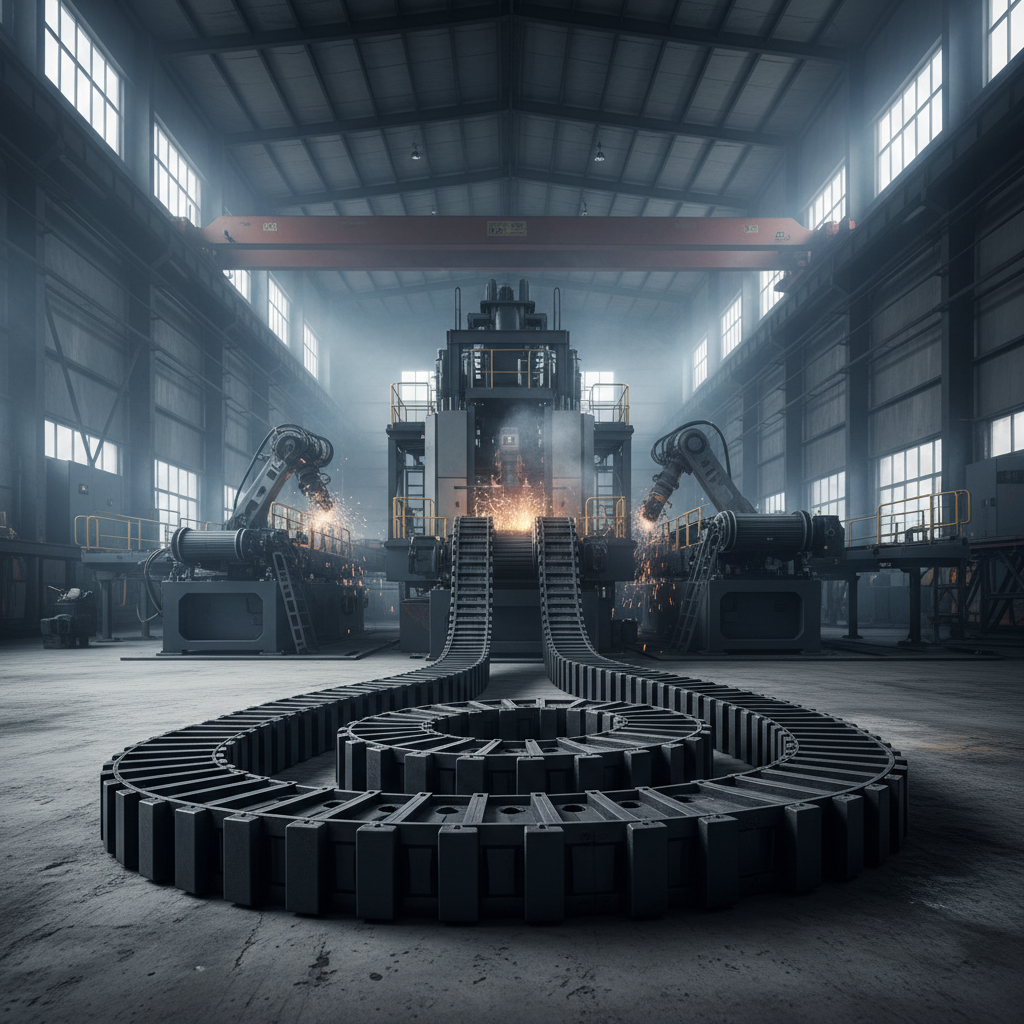
You see cnc cable carrier everywhere. In automotive manufacturing, they're used on robotic arms for welding and painting. In aerospace, they protect cables on gantry systems used for inspecting aircraft components. Even in simpler applications, like 3D printers, they’re essential for keeping the wiring organized and preventing damage.
I recently worked on a project installing a new automated packaging line in a food processing plant. We used a stainless steel cnc cable carrier specifically designed for washdown environments. Without it, the cables would have been constantly exposed to moisture and cleaning chemicals, leading to corrosion and failure.
Long-Term Value and Benefits
Investing in a quality cnc cable carrier is about more than just saving money on cable replacements. It’s about increasing uptime, improving safety, and enhancing overall productivity. Reduced downtime translates directly into increased revenue. A safer work environment reduces the risk of accidents and injuries. And a more reliable system means fewer headaches for everyone involved.
It's also about sustainability. By extending the lifespan of cables, you're reducing waste and minimizing the need for frequent replacements. Plus, many modern carriers are made from recyclable materials, further reducing their environmental impact.
Future Trends and Innovations
We're seeing a lot of innovation in the cnc cable carrier space. One trend is the development of carriers with integrated sensors that can monitor cable health and predict potential failures. Another is the use of lightweight materials, like carbon fiber, to reduce weight and inertia.
I also expect to see more customization options, allowing engineers to tailor carriers to specific applications. And with the rise of remote monitoring and diagnostics, we’ll likely see carriers that can communicate data directly to maintenance systems, enabling proactive maintenance and reducing downtime.
Furthermore, the move towards Industry 5.0, which emphasizes human-robot collaboration, will require even more flexible and intelligent cable management solutions that prioritize safety and adaptability.
Summary of cnc cable carrier Performance Attributes
| Category |
Material Composition |
Operating Temperature Range |
Maintenance Requirements |
| Standard Plastic |
Polyamide (Nylon) |
-30°C to +80°C |
Low - Periodic Inspection |
| High-Temperature Plastic |
Polypropylene (PP) |
-10°C to +120°C |
Moderate - Lubrication Recommended |
| Stainless Steel |
304/316 Stainless Steel |
-40°C to +200°C |
High - Regular Cleaning and Lubrication |
| Reinforced Plastic |
Polyamide with Steel Reinforcement |
-20°C to +90°C |
Moderate - Periodic Inspection |
| Chemical Resistant |
Specialty Polymers (e.g., PTFE) |
-50°C to +150°C |
High - Specific Cleaning Protocols |
| Lightweight Composite |
Carbon Fiber Reinforced Polymer |
-30°C to +70°C |
Low - Visual Inspection |
FAQS
Honestly, it's underestimating the dynamic forces involved. People often choose a carrier based on static cable size, but forget to account for the acceleration, deceleration, and bending radii of the application. This leads to premature wear and cable damage. Always over-spec the carrier – it's cheaper than fixing a broken machine!
First, measure the diameter of all the cables and hoses you need to accommodate. Then, add a 30-40% safety factor to ensure there’s enough space for movement and future additions. Consult the manufacturer’s catalog for fill charts to help you select the appropriate carrier size based on the total cross-sectional area of your cables. Don't cram everything in there!
Plastic carriers are generally lighter and more cost-effective, making them ideal for less demanding applications. Metal carriers, typically stainless steel, offer superior strength, durability, and resistance to extreme temperatures and harsh environments. Choose metal if you need something that can withstand significant impacts, chemicals, or high temperatures.
It depends on the operating conditions and the quality of the carrier. Regularly inspect for signs of wear, such as cracks, broken links, or excessive play. As a general rule, replace the carrier if you notice any damage or if it's impacting the performance of your cables. Preventative maintenance is key!
Yes, but you need to select a carrier made from UV-resistant materials. Prolonged exposure to sunlight can cause plastic carriers to become brittle and crack. Stainless steel is also a good option for outdoor applications, as it's resistant to corrosion. Consider adding a protective cover for extra protection.
Common issues include overloading the carrier with too many cables, improper installation, excessive bending radii, exposure to harsh chemicals or temperatures, and lack of lubrication. Regularly inspect and maintain the carrier to prevent these issues and ensure long-term reliability.
Conclusion
From the shop floor to the most advanced manufacturing facilities, the cnc cable carrier remains a critical, yet often overlooked, component. Investing in a quality carrier isn't just about protecting cables – it's about maximizing uptime, improving safety, and ultimately, boosting your bottom line. It's a small investment that delivers a big return.
The future of cable management is about smarter, more integrated solutions. Expect to see more sensors, predictive maintenance capabilities, and customized designs tailored to specific applications. Don't wait until a cable failure brings your operation to a halt. Take the time to select the right cnc cable carrier and ensure your systems run smoothly and reliably for years to come.

 FIND USHIGH-TECH ZONE
 CALL US TODAY
 EMAIL US NOW