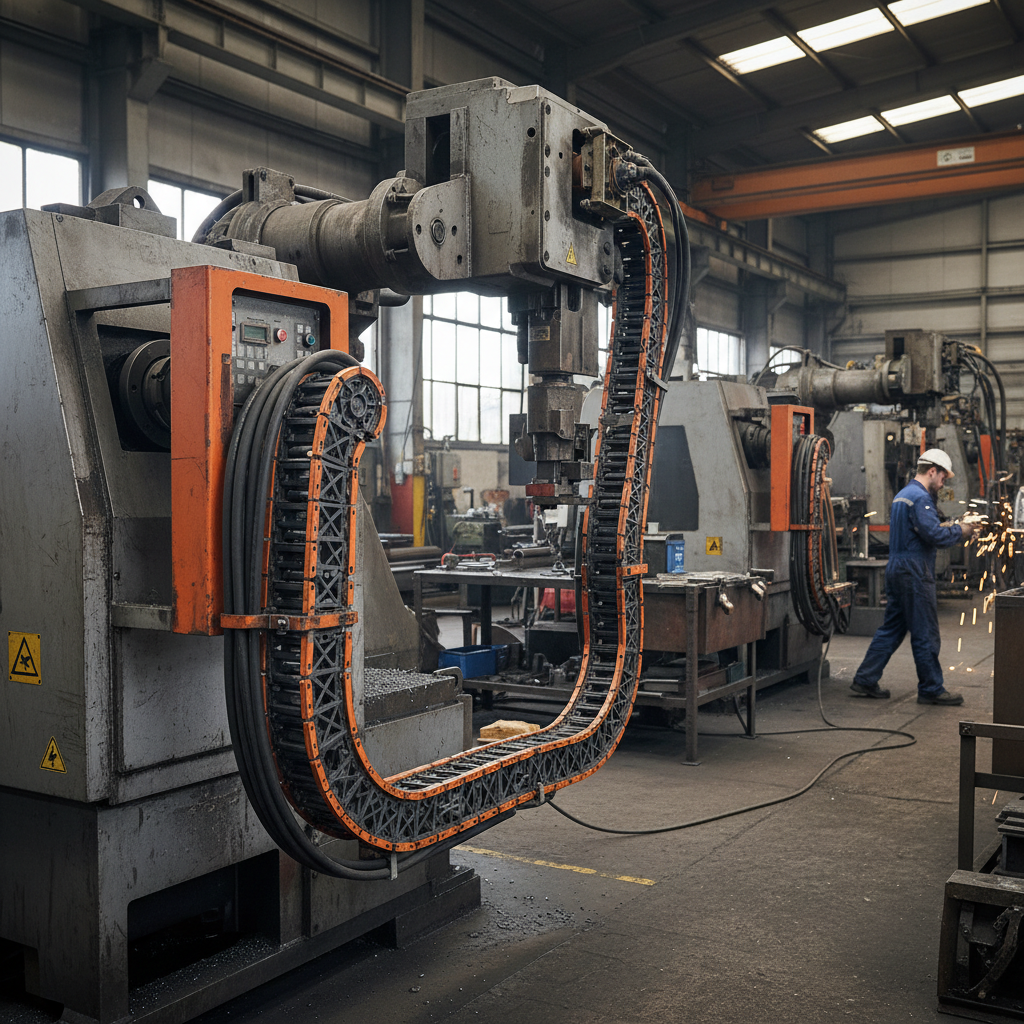
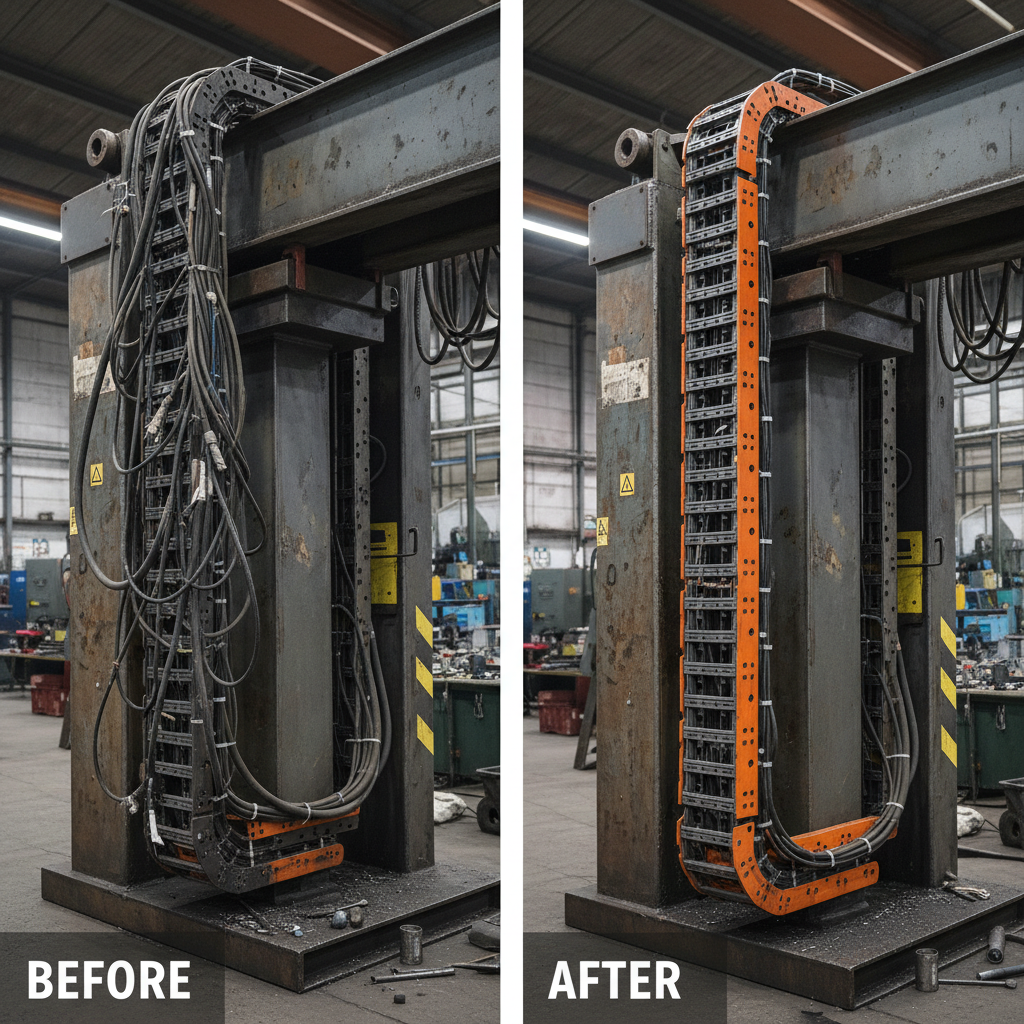
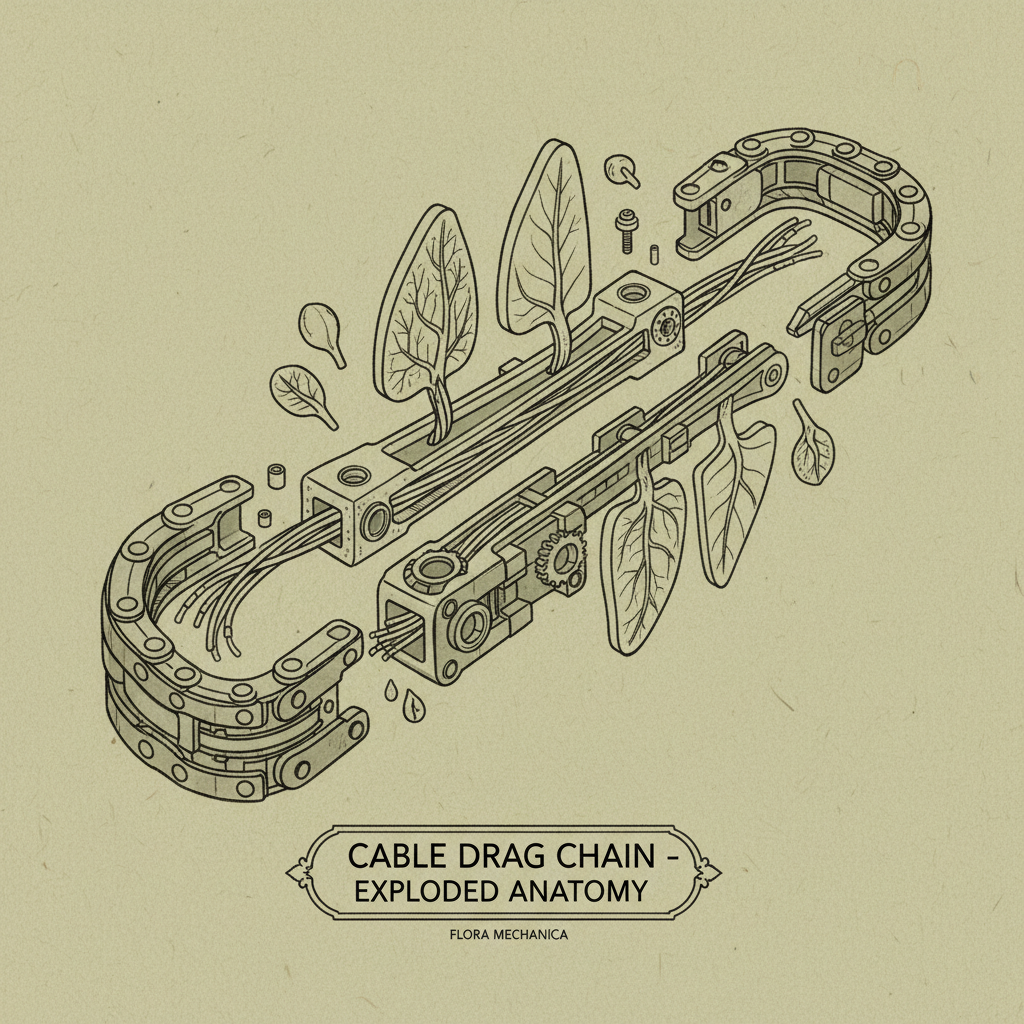
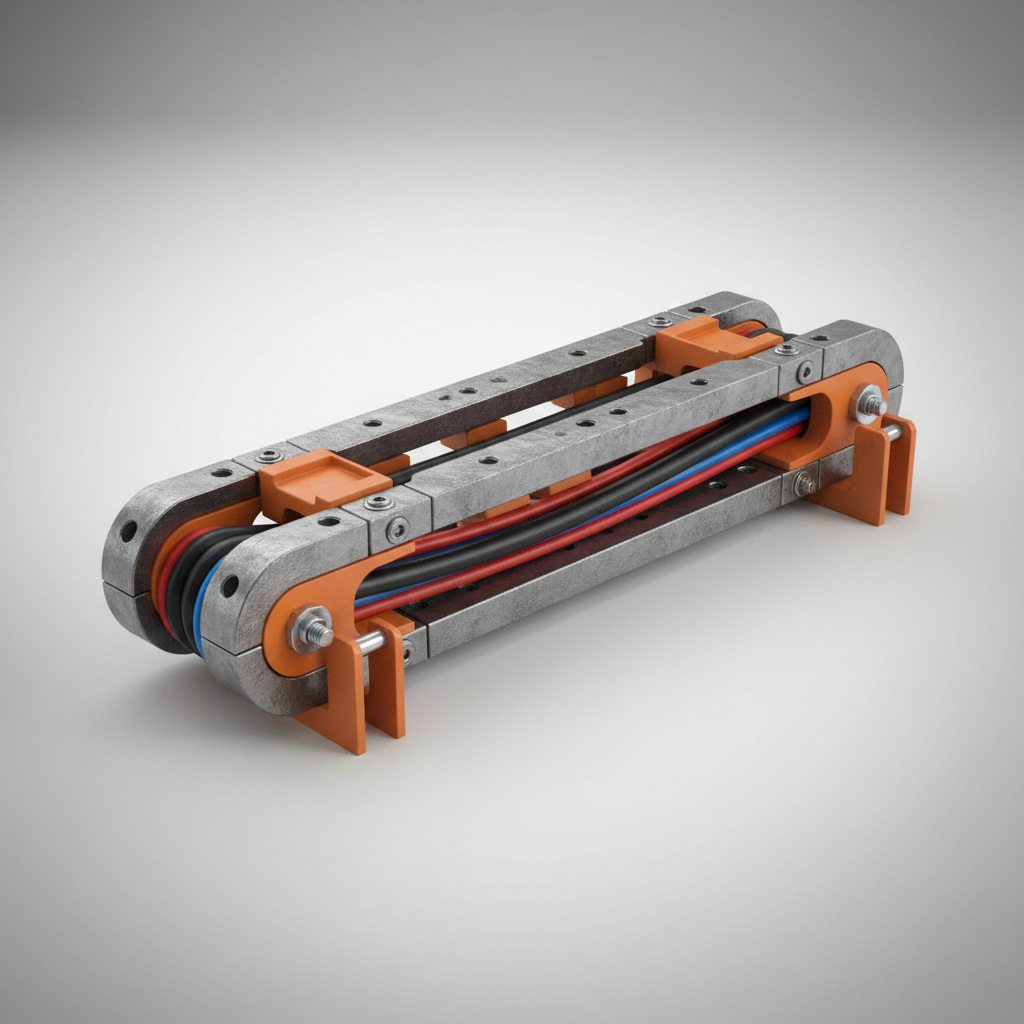
Plastic cable track, also known as cable management systems, are increasingly vital in modern infrastructure and industrial settings. From streamlining electrical installations to enhancing safety and organization, these systems provide a crucial solution for managing and protecting cables. The global demand for efficient and reliable cable management is driven by expanding urbanization, industrial growth, and the proliferation of data-intensive technologies.
The importance of plastic cable track extends beyond simply tidying up wires. Poor cable management can lead to overheating, damage, and even fire hazards. Implementing effective systems reduces these risks, improving operational efficiency and ensuring long-term reliability. The flexibility and adaptability of plastic cable track make it suitable for a diverse range of applications, from residential buildings to complex industrial facilities.
Understanding the benefits and applications of plastic cable track is essential for engineers, electricians, facility managers, and anyone involved in the installation and maintenance of electrical and data systems. Choosing the right system can significantly impact project costs, installation time, and overall system performance.
Introduction to Plastic Cable Track
Plastic cable track serves as a fundamental component in modern electrical and data infrastructure. Its primary function is to organize, protect, and route cables safely and efficiently. This seemingly simple system has a profound impact on operational performance, reducing downtime and ensuring the longevity of critical installations.
The variety of plastic cable track available, including cable trays, conduits, and cable ties, allows for customization based on specific project requirements. This flexibility, coupled with the inherent benefits of plastic materials – lightweight construction, corrosion resistance, and electrical insulation – makes plastic cable track a preferred solution across numerous industries.
Global Relevance and Industry Context
The global market for cable management solutions, including plastic cable track, is experiencing substantial growth, projected to reach billions of dollars in the coming years. This surge is fueled by the increasing demand for robust and reliable infrastructure in sectors such as telecommunications, data centers, industrial automation, and renewable energy. According to recent industry reports, the Asia-Pacific region represents the largest and fastest-growing market for these products, driven by rapid industrialization and infrastructure development.
The International Electrotechnical Commission (IEC) and ISO standards play a vital role in ensuring the safety and performance of cable management systems. These standards dictate material specifications, testing procedures, and installation guidelines, providing a benchmark for quality and reliability. Compliance with these regulations is crucial for manufacturers and installers alike, protecting end-users and minimizing risks.
A significant challenge addressed by plastic cable track is the prevention of cable-related accidents and failures. In industrial environments, damaged or improperly managed cables can lead to equipment malfunctions, production downtime, and even workplace injuries. Effective cable management significantly mitigates these risks, contributing to a safer and more productive work environment.
Defining Plastic Cable Track
Plastic cable track broadly refers to any system designed to securely contain and organize electrical cables and data wiring. This encompasses a range of products, including cable trays, cable ladders, cable conduits, cable ties, and spiral wrap. These systems are typically constructed from various types of plastics, such as polyvinyl chloride (PVC), polypropylene (PP), and polyethylene (PE), chosen for their durability, flexibility, and cost-effectiveness.
The connection to modern industry is undeniable. Plastic cable track is integral to the functioning of nearly all industrial facilities, from manufacturing plants to power generation stations. In humanitarian contexts, portable cable management systems are crucial for rapidly deploying temporary electrical infrastructure in disaster relief operations, providing power for essential services and communication networks. The availability of plastic cable track accelerates these efforts significantly.
Ultimately, plastic cable track aims to simplify installation, reduce maintenance, and enhance the overall safety and reliability of electrical and data systems. By providing a dedicated pathway for cables, it minimizes the risk of damage, abrasion, and exposure to environmental factors.
Key Factors of Plastic Cable Track Systems
Several key factors contribute to the effectiveness of plastic cable track systems. Durability is paramount, as systems must withstand physical stress, environmental conditions, and long-term use. Scalability is equally important, allowing for easy expansion or modification as cabling needs evolve.
Cost-efficiency is another crucial consideration, impacting project budgets and overall return on investment. Installation ease directly influences project timelines and labor costs, while maintainability ensures long-term operational efficiency. Finally, compliance with relevant safety standards is non-negotiable, safeguarding personnel and assets.
Plastic Cable Track Performance Metrics
Global Applications and Use Cases
Plastic cable track finds application across a vast spectrum of industries and environments. In commercial buildings, it supports efficient power distribution and data networking. Data centers rely heavily on cable management to maintain optimal airflow and prevent overheating, ensuring the uninterrupted operation of critical servers.
In post-disaster relief operations, lightweight and easily deployable plastic cable track systems provide essential power and communication infrastructure in temporary shelters and field hospitals. In remote industrial zones, these systems protect cabling from harsh environmental conditions and physical damage. Furthermore, renewable energy projects, such as wind farms and solar power plants, utilize cable track to manage the complex cabling associated with power transmission.
Advantages and Long-Term Value
The advantages of using plastic cable track are multifaceted. Cost-efficiency is a primary driver, as plastic materials are generally less expensive than metal alternatives. Sustainability is increasingly important, with many plastic cable track systems incorporating recycled materials and promoting recyclability. The light weight of plastic reduces installation time and labor costs.
The long-term value extends beyond immediate cost savings. Enhanced safety, reduced downtime, and increased operational efficiency contribute to a significant return on investment. Improved cable organization also simplifies maintenance and troubleshooting, minimizing disruptions and extending the lifespan of electrical and data systems. These systems foster trust and reliability within complex operational environments.
Future Trends and Innovations in Plastic Cable Track
Several exciting trends are shaping the future of plastic cable track. The integration of smart technologies, such as embedded sensors and remote monitoring capabilities, is enabling predictive maintenance and real-time performance tracking. The development of bio-based and biodegradable plastics is addressing sustainability concerns and reducing environmental impact.
Automation and robotics are playing an increasingly important role in cable management, with automated cable routing and installation systems streamlining processes and reducing labor costs. The growing demand for high-bandwidth data transmission is driving the development of advanced cable track systems optimized for optical fiber cables. As green energy initiatives expand, cable management solutions tailored to the unique requirements of renewable energy projects will become even more prevalent.
Analysis of Common Challenges and Potential Solutions in Plastic Cable Track Applications
| Challenge |
Impact Severity (1-10) |
Potential Solution |
Implementation Cost (USD) |
| Limited Load Capacity |
6 |
Utilize reinforced plastic compositions or hybrid systems |
500-2000 |
| UV Degradation |
7 |
Employ UV-resistant plastic formulations or protective coatings |
200-800 |
| Installation Complexity |
5 |
Design modular systems with snap-fit connectors |
300-1000 |
| Fire Resistance |
9 |
Utilize flame-retardant plastic compounds |
800-3000 |
| Cost Fluctuations of Raw Materials |
8 |
Establish long-term contracts with suppliers or explore recycled plastic options |
100-500 |
| Lack of Standardization |
6 |
Promote industry-wide adoption of common standards |
200-700 |
FAQS
Plastic cable track offers several advantages, including lower cost, lighter weight, corrosion resistance, and electrical insulation. It’s easier to install and modify, reducing labor costs and downtime. Metal systems can be more expensive, heavier, and require specialized tools for installation. The choice depends on specific application requirements, but plastic is often preferred for its versatility and cost-effectiveness.
Determining the correct size involves calculating the total cable volume, including current and future needs. Consider the cable diameter, number of cables, and potential for expansion. The type of track – tray, ladder, conduit – depends on factors like cable weight, accessibility requirements, and environmental conditions. Consulting with a cable management specialist can ensure optimal selection.
Installations must comply with relevant electrical codes and standards, such as IEC and ISO. These standards address material specifications, flame retardancy, grounding requirements, and installation practices. Ensuring compliance is crucial for protecting personnel and preventing electrical hazards. Always consult local regulations and industry best practices.
Regular inspection is vital for identifying potential issues like damage, corrosion, or overloading. Clean the track periodically to remove dust and debris, ensuring proper ventilation and preventing overheating. Replace damaged components promptly. Implementing a preventative maintenance schedule can significantly extend the lifespan of the system.
Yes, manufacturers are increasingly offering plastic cable track made from recycled materials or bio-based plastics. Choosing these eco-friendly options reduces environmental impact and promotes sustainability. Look for products with certifications verifying their recycled content or biodegradability.
A well-maintained plastic cable track system can typically last 10-20 years, or even longer, depending on the environment and quality of materials. Regular inspection, cleaning, and timely replacement of damaged components are essential for maximizing its lifespan. Using UV-resistant plastics and flame-retardant materials can also contribute to longevity.
Conclusion
Plastic cable track is an indispensable component of modern electrical and data infrastructure, offering a cost-effective, reliable, and adaptable solution for managing and protecting cables. Its applications are vast, ranging from commercial buildings and industrial facilities to disaster relief operations and renewable energy projects. Understanding the key factors, advantages, and future trends associated with plastic cable track is crucial for professionals in various industries.
Looking ahead, the integration of smart technologies, the development of sustainable materials, and the increasing demand for high-bandwidth data transmission will drive further innovation in this field. By embracing these advancements and prioritizing safety and sustainability, we can unlock the full potential of plastic cable track and build more efficient, resilient, and environmentally responsible infrastructure. For more information and to explore our range of plastic cable track solutions, visit our website: www.agilechains.com

 FIND USHIGH-TECH ZONE
 CALL US TODAY
 EMAIL US NOW