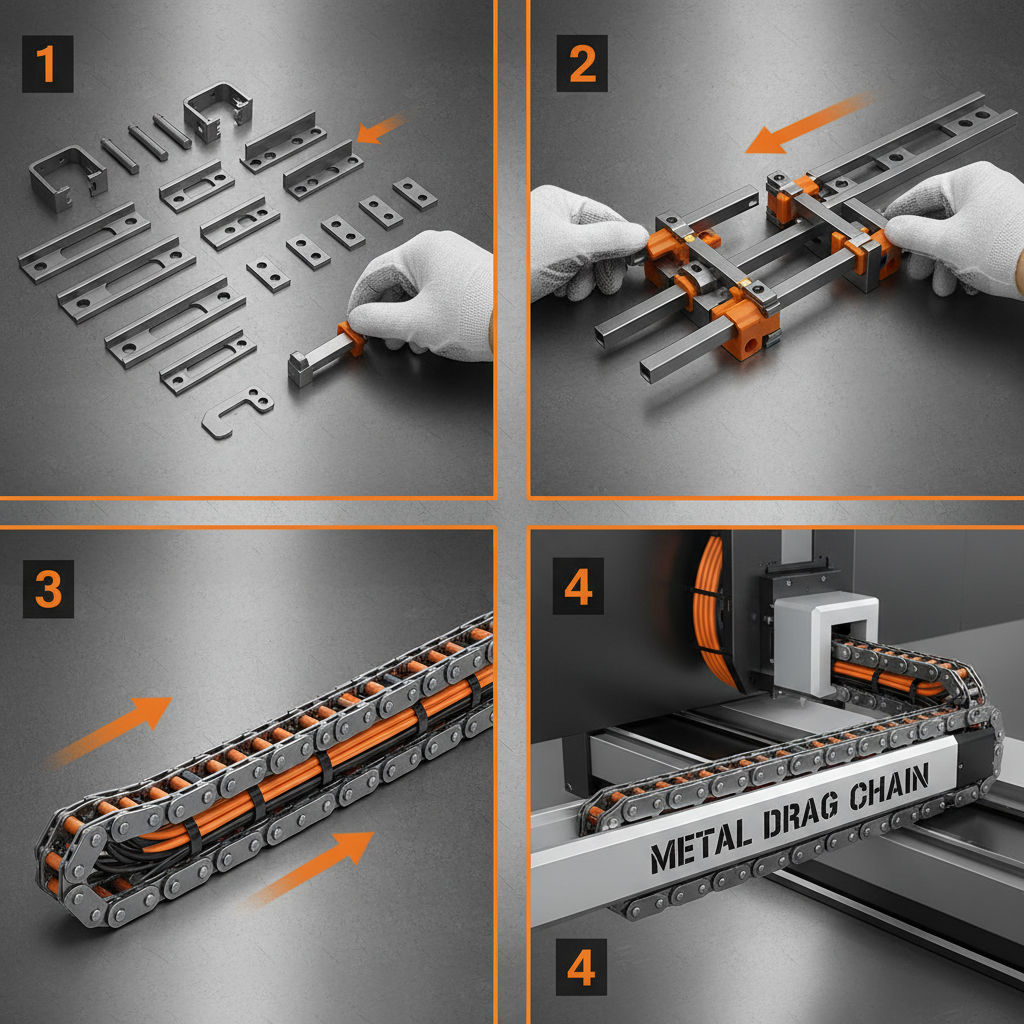
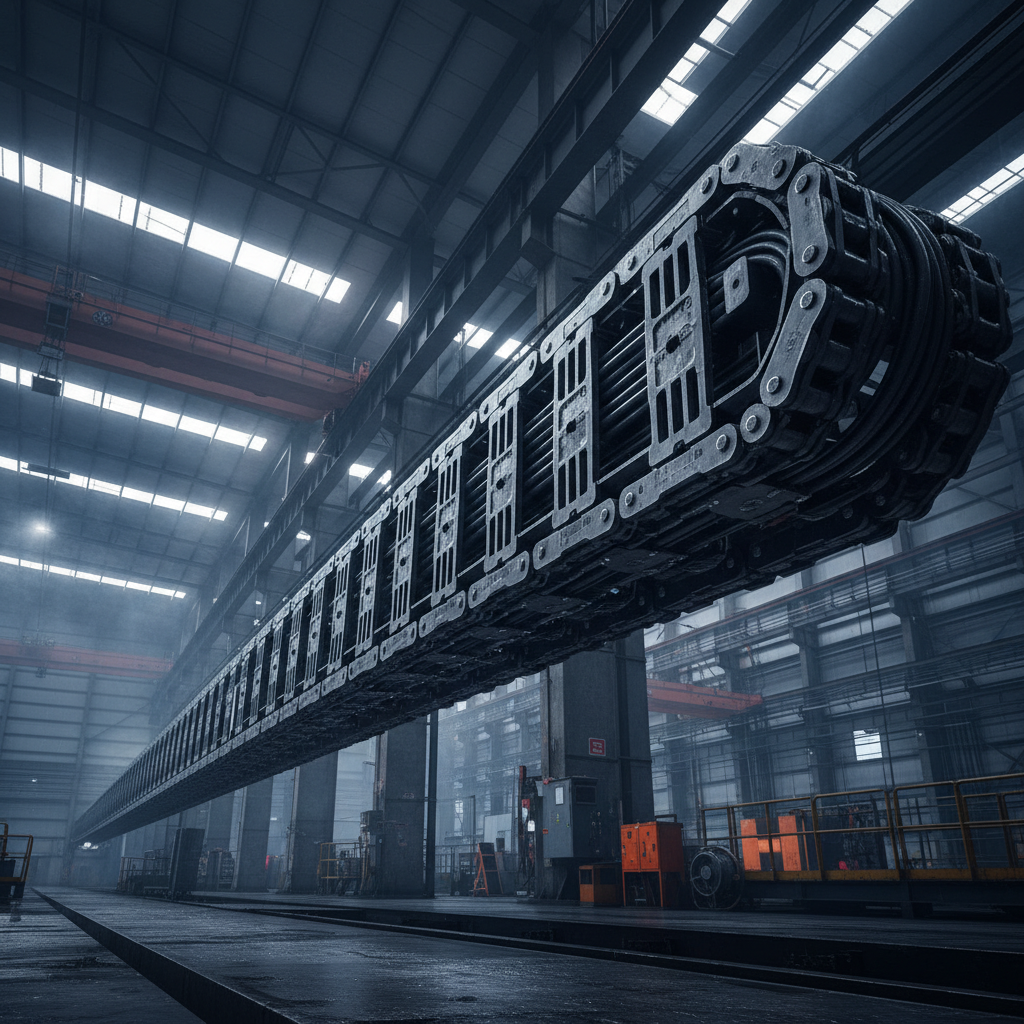
The reliable and efficient conveyance of power, data, and fluids is paramount in modern industrial operations. Cable track chain systems, also known as energy chains or cable carriers, are pivotal in achieving this, ensuring the safe and organized management of moving cables and hoses. Their adoption spans a diverse range of industries, contributing significantly to increased productivity, reduced downtime, and enhanced safety.
Globally, the demand for effective cable management solutions is escalating, driven by automation, robotics, and the increasing complexity of machinery. The United Nations Industrial Development Organization (UNIDO) emphasizes the importance of robust infrastructure for sustainable industrial growth, and cable track chain plays a crucial role in facilitating this. Furthermore, ISO standards regarding machine safety highlight the need for reliable cable guidance systems to prevent hazards.
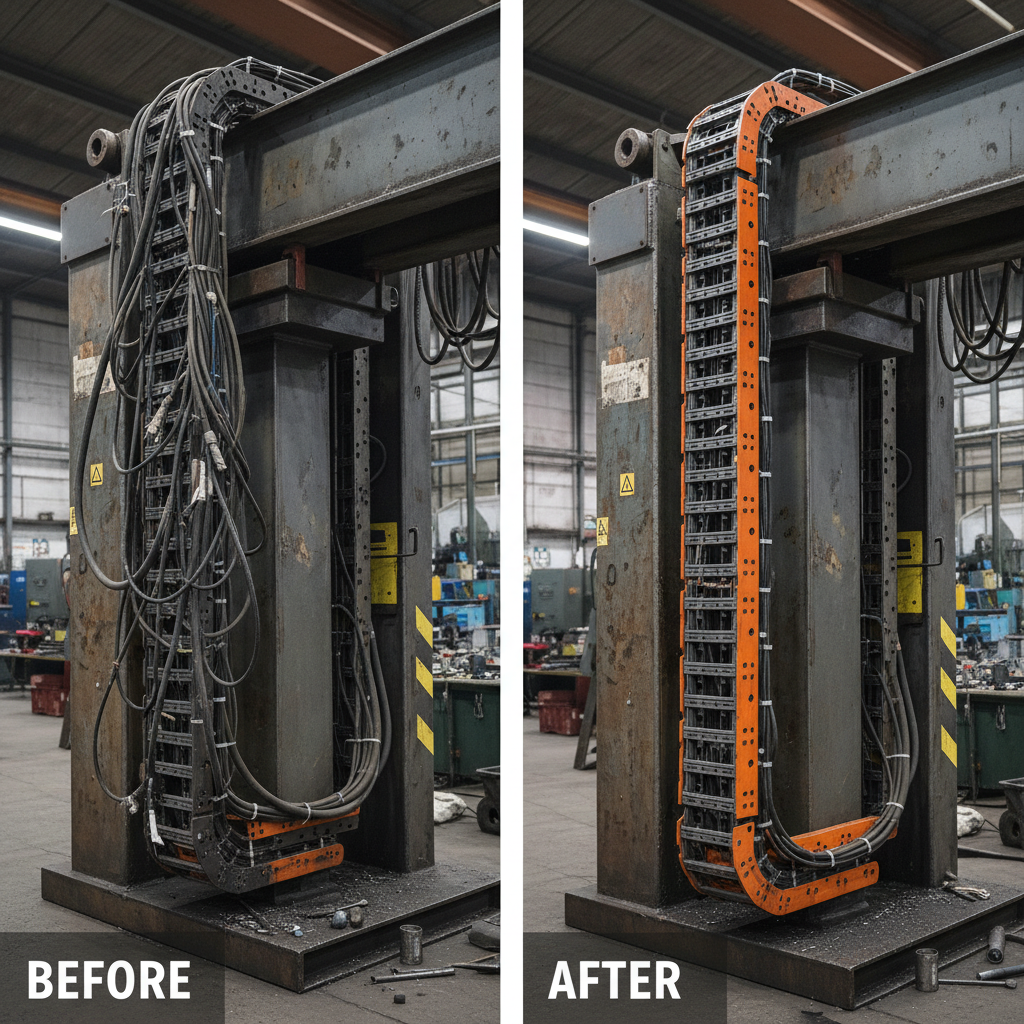
A significant challenge facing many industries is cable wear and tear resulting from repeated bending, twisting, and exposure to harsh environmental conditions. This can lead to costly repairs, production interruptions, and potential safety risks. Cable track chain addresses this by providing a protective and organized pathway for cables, extending their lifespan and minimizing these issues.
Introduction to cable track chain
Cable track chain systems aren’t merely about organizing wires; they’re about enhancing the overall efficiency and reliability of automated machinery. By protecting cables and hoses from stress, abrasion, and environmental factors, these systems minimize downtime and maintenance costs. This is particularly critical in industries like robotics, machine tools, and material handling.
The impact of a well-implemented cable track chain solution extends beyond purely operational benefits. Improved safety for personnel, a reduced environmental footprint through longer cable lifespans, and the ability to accommodate future system upgrades all contribute to a significant return on investment.
Defining Cable Track Chain
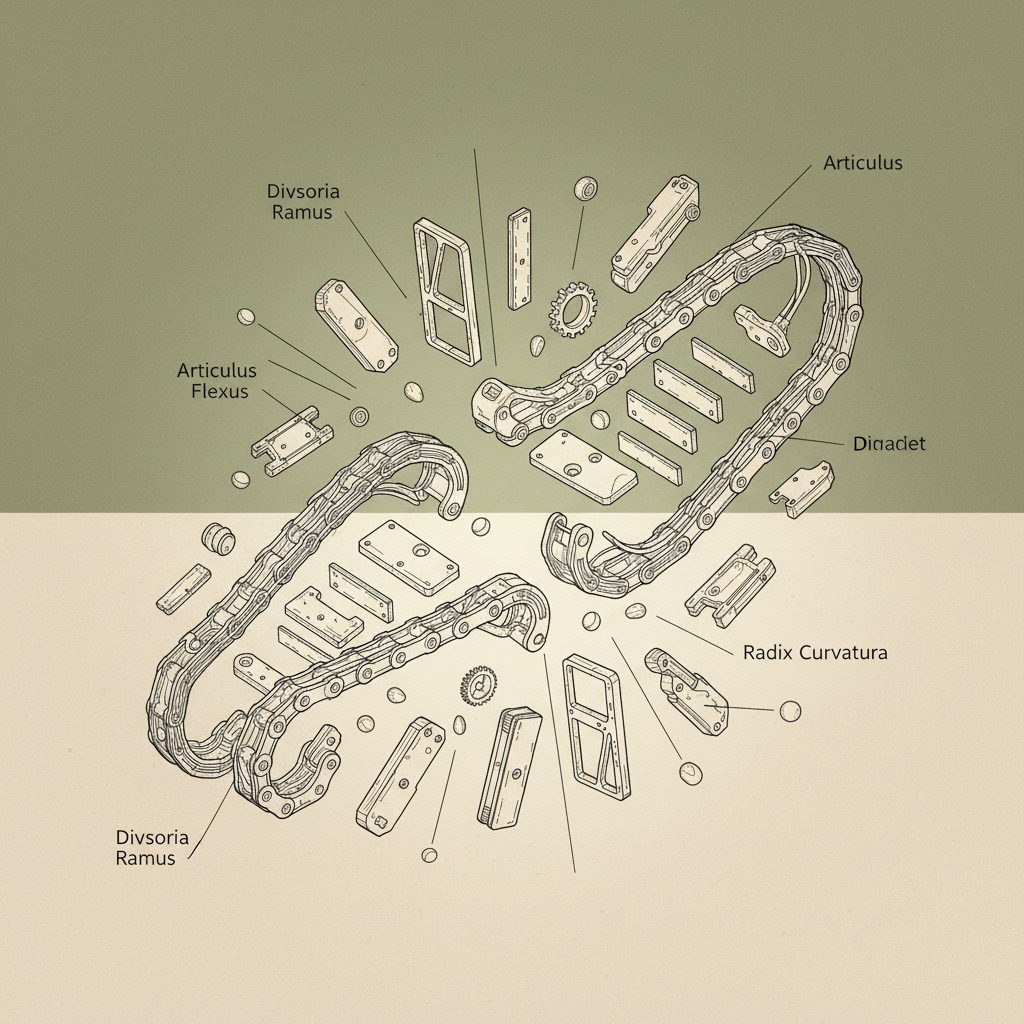
Essentially, a cable track chain (also referred to as an energy chain) is a flexible conduit designed to guide and protect electrical cables, hydraulic hoses, pneumatic lines, and other essential components in moving applications. Constructed from interconnected links, typically made of high-strength plastic or metal, these chains bend and articulate to follow the motion of machinery, preventing cables from tangling, kinking, or experiencing excessive wear.
The connection to modern industry is direct and vital. Automation, robotics, and advanced manufacturing processes all rely on the continuous and reliable operation of complex machinery. Cable track chain systems ensure that the lifeblood of these machines – the cables and hoses – are safeguarded, enabling consistent performance and reducing costly interruptions.
Furthermore, these systems address critical humanitarian needs in disaster relief and remote infrastructure projects where rapid deployment and reliable power/data transmission are essential. The modular nature of many cable track chain solutions allows for quick adaptation to diverse and challenging environments.
Core Components and Characteristics
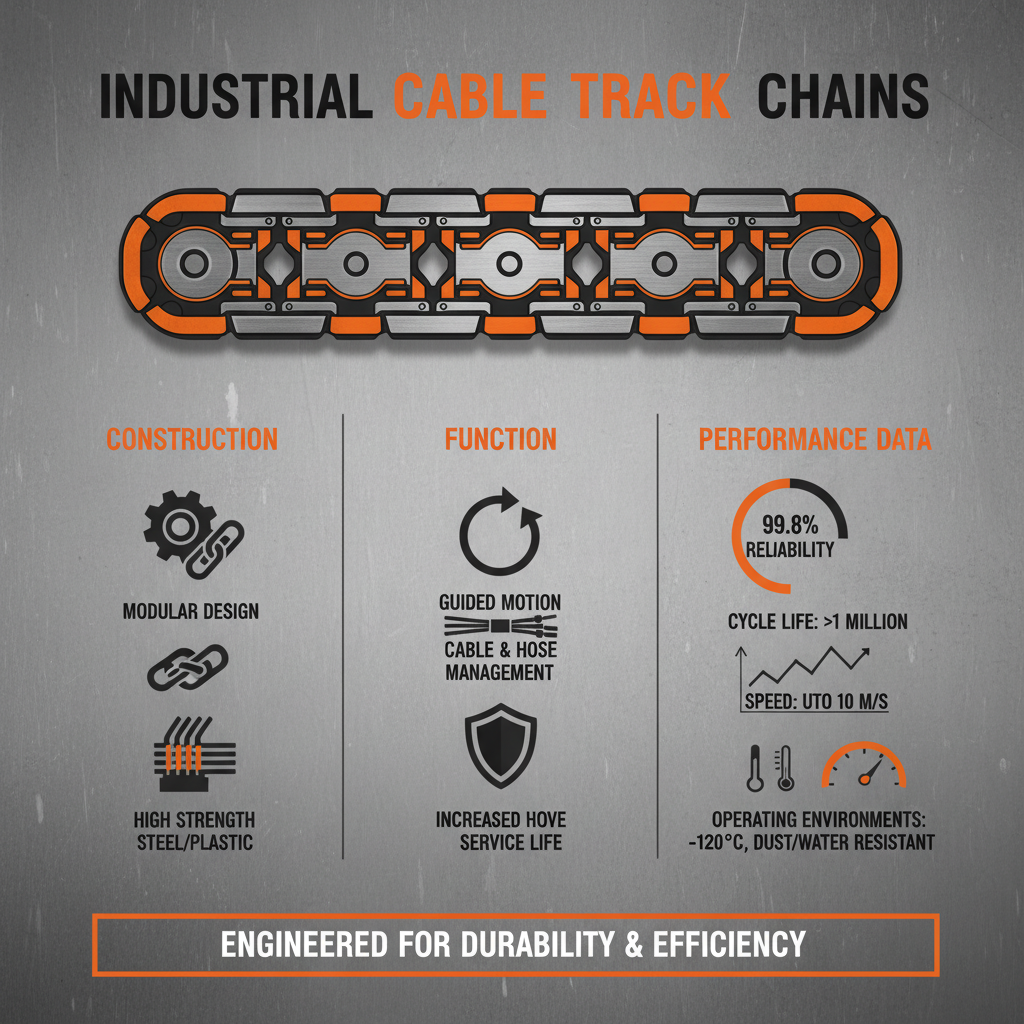
Durability is a cornerstone of effective cable track chain design. Materials like high-density polyethylene (HDPE), polypropylene (PP), and even stainless steel are utilized to withstand harsh environments, including extreme temperatures, chemical exposure, and heavy loads. The ability to consistently perform under stress translates directly into reduced maintenance and prolonged operational life.
Modularity is another key characteristic. Cable track chain systems are typically built from interconnected links, allowing for easy customization and expansion. This flexibility is crucial for accommodating changing cable requirements and adapting to different machine configurations. The modularity also simplifies repairs, as damaged sections can be replaced without disrupting the entire system.
Noise reduction is often an overlooked benefit. Traditional cable routing methods can generate significant noise as cables rub against surfaces. Cable track chain systems enclose and guide cables, minimizing friction and significantly reducing noise levels, creating a more comfortable and productive work environment.
Key Performance Indicators of cable track chain
Load capacity is a critical indicator, reflecting the maximum weight the cable track chain can safely support. This is influenced by the material, link design, and chain dimensions. Higher load capacities are essential for applications involving heavy cables or hoses.
Bending radius demonstrates the chain’s flexibility and ability to navigate tight curves. A smaller bending radius allows for more compact installations and simplifies integration into complex machinery.
cable track chain Performance Metrics
Global Applications and Industry Integration
The automotive industry widely employs cable track chain systems in robotic welding, painting, and assembly applications. These systems ensure the reliable delivery of power and control signals to the robotic arms, enabling precision and efficiency. In remote industrial zones, particularly in mining or oil & gas operations, the robustness and reliability of these systems are crucial for maintaining uninterrupted production.
In post-disaster relief operations, modular and rapidly deployable cable track chain solutions are used to quickly establish power and communication lines, supporting emergency response efforts. Similarly, in the aerospace industry, these systems are vital for guiding cables within aircraft and spacecraft, meeting stringent safety and performance requirements.
Advantages and Long-Term Value Proposition
The cost savings associated with cable track chain systems are significant. Reduced downtime, minimized cable repairs, and extended cable lifespans all contribute to a lower total cost of ownership. Moreover, the inherent safety features of these systems reduce the risk of accidents and potential liabilities.
From a sustainability perspective, the longevity of protected cables reduces material waste and the environmental impact associated with frequent replacements. The enhanced reliability of machinery also contributes to increased productivity and reduced energy consumption, further promoting sustainability. Trust in the consistent performance of these systems enhances operational confidence and fosters innovation.
Future Trends and Innovations in cable track chain
The integration of smart sensors within cable track chain systems is an emerging trend. These sensors can monitor cable stress, temperature, and wear, providing real-time data for predictive maintenance and preventing unexpected failures. This data-driven approach optimizes performance and minimizes downtime.
The development of lightweight, high-strength materials, such as carbon fiber reinforced polymers, promises to further enhance the performance and efficiency of cable track chain systems. The demand for solutions compatible with increasingly complex robotic and automation systems will also drive innovation in design and customization.
Furthermore, the growing emphasis on circular economy principles is driving the development of recyclable and biodegradable cable track chain materials, reducing the environmental impact of these essential components.
FAQS
Cable track chain offers superior protection against wear, abrasion, and environmental factors, resulting in extended cable lifespan and reduced downtime. Unlike open cable trays or free-hanging cables, it provides a controlled and organized pathway for movement, preventing tangling and kinking. This leads to increased reliability, reduced maintenance costs, and improved safety.
Key factors include the load capacity needed to support the cables and hoses, the bending radius required for the application’s range of motion, the environmental conditions (temperature, chemicals, etc.), and the desired level of noise reduction. The type of material (plastic or metal) also plays a crucial role, depending on the specific requirements.
Installation is relatively straightforward, typically involving mounting the chain to a fixed support structure and then filling it with cables and hoses. Maintenance generally involves periodic inspection for wear and tear and replacement of damaged links. The modular design simplifies repairs, as individual sections can be replaced without disrupting the entire system.
The lifespan varies depending on the operating conditions and the quality of the materials. However, a well-maintained cable track chain system constructed from high-quality materials can last for several years, significantly extending the life of the cables it protects. Regular inspection and preventative maintenance are key to maximizing lifespan.
Yes, many manufacturers offer customization options, including chain size, material, color, and internal dividers to separate and organize cables. Custom solutions are available to accommodate specific application requirements and ensure optimal performance.
By protecting cables and extending their lifespan, cable track chain reduces the frequency of cable replacements, minimizing material waste. Increasingly, manufacturers are offering recyclable and biodegradable materials, reducing the overall environmental impact. Selecting sustainable materials contributes to a greener and more responsible operation.
Conclusion
In conclusion, cable track chain systems are an indispensable component of modern industrial automation and beyond. Their ability to protect cables, enhance reliability, reduce downtime, and improve safety makes them a valuable investment for a wide range of applications. From manufacturing and robotics to aerospace and disaster relief, these systems are driving efficiency and innovation across numerous sectors.
Looking ahead, the integration of smart technologies and the development of sustainable materials will further enhance the capabilities and benefits of cable track chain solutions. By embracing these advancements, businesses and organizations can unlock new levels of performance, efficiency, and environmental responsibility.

 FIND USHIGH-TECH ZONE
 CALL US TODAY
 EMAIL US NOW