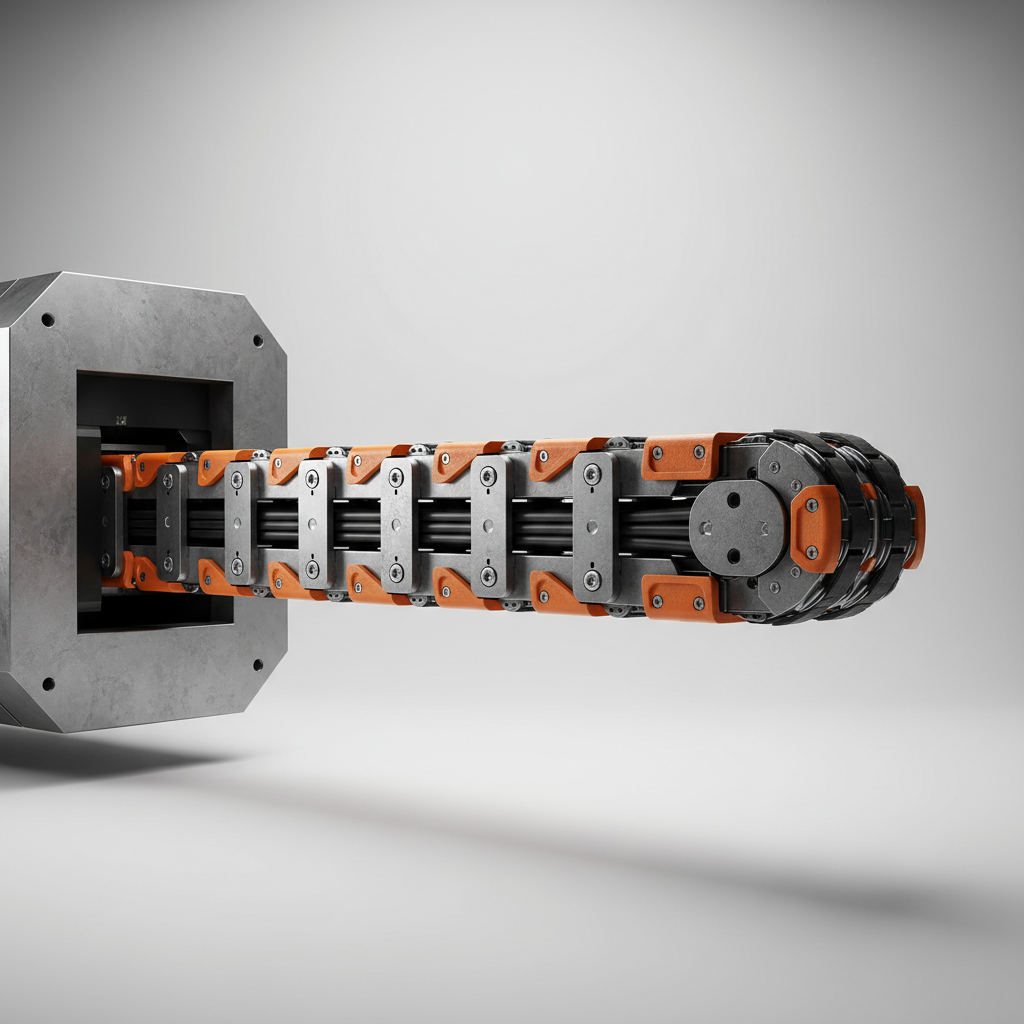
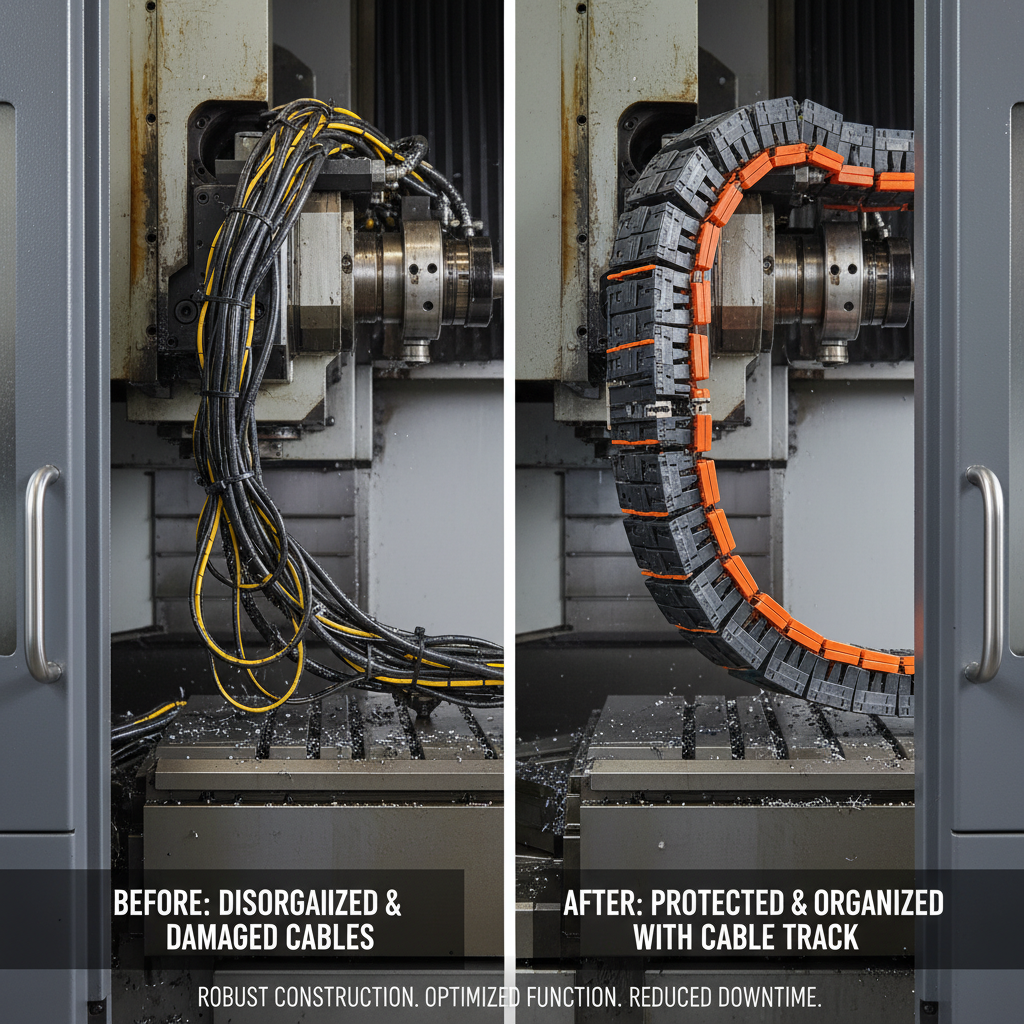
Cable and hose carrier systems are integral to modern industrial operations, ensuring the safe and efficient conveyance of essential services like power, control signals, and fluids. These systems aren’t simply conduits; they're engineered solutions protecting valuable cables and hoses from harsh environmental factors, mechanical stress, and potential contamination, contributing significantly to operational uptime and safety. Their growing demand reflects a global push for automation, robotics, and advanced manufacturing processes, making them a crucial component in a wide range of industries.
Globally, the market for cable and hose carrier systems is experiencing substantial growth, driven by infrastructure development in emerging economies and the increasing adoption of automation in developed nations. According to recent reports, the industry is projected to reach multi-billion dollar valuations in the coming years. This growth is inextricably linked to the need for reliable, protected systems in dynamic environments. The challenge lies in providing robust, adaptable solutions that can withstand increasingly demanding operational conditions.
The demand for these systems isn’t limited to industrial sectors. Applications are expanding into renewable energy projects, robotics, medical equipment, and even entertainment technology, creating a diverse and rapidly evolving landscape. Understanding the nuances of cable and hose carrier systems is thus essential for engineers, procurement professionals, and anyone involved in the design and maintenance of complex machinery and infrastructure.
Introduction to cable and hose carrier systems
Cable and hose carrier systems, often called energy chains or cable tracks, are fundamental to managing and protecting moving cables and hoses in a multitude of applications. They provide a guided pathway, preventing tangling, wear, and potential damage, which directly translates to reduced downtime and maintenance costs.
These systems aren't a 'one-size-fits-all' solution. They come in diverse configurations – from simple, open-style chains to fully enclosed, high-protection models – catering to the specific demands of each application. Proper selection is paramount to ensure optimal performance and longevity.
Global Relevance and Industry Context
The global relevance of cable and hose carrier systems stems directly from the proliferation of automated machinery and robotics across various industries. Manufacturing, automotive, aerospace, material handling, and even stage technology all heavily rely on these systems to ensure the reliable operation of their equipment. Consider the automotive industry, where robots with intricate cable runs are essential for welding, painting, and assembly.
Data from the International Federation of Robotics (IFR) demonstrates a consistent increase in robot density worldwide, indicating a growing need for effective cable management solutions. The UN's Sustainable Development Goals, particularly those related to industrial innovation and infrastructure development, indirectly drive demand for durable and reliable systems. Furthermore, the increasing focus on worker safety regulations necessitates solutions that protect personnel from exposed cables and hoses.
A significant challenge is adapting systems to accommodate the increasing complexity of modern machinery. Higher data transfer rates, more sophisticated control systems, and the integration of sensors require greater cable capacity and bandwidth within these carrier systems. This evolution demands continuous innovation in materials, design, and manufacturing techniques.
Defining cable and hose carrier systems
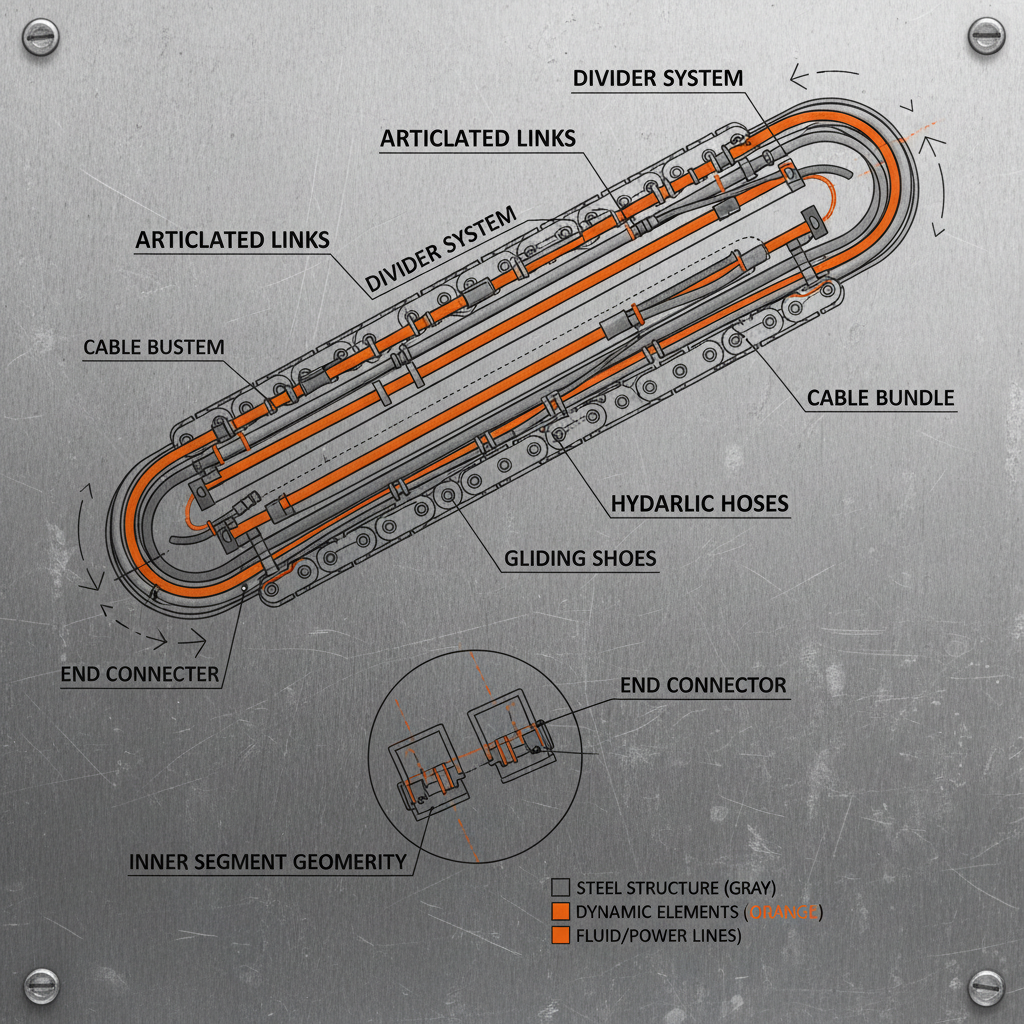
Simply put, cable and hose carrier systems are dynamic cable management solutions designed to protect and guide cables and hoses as they move with machinery or equipment. They are essentially engineered enclosures that house and support these vital components, preventing damage from bending, abrasion, and environmental factors.
Their connection to modern industry is profound. Without these systems, the reliability and lifespan of automated machinery would be significantly compromised. Consider the logistical challenges of maintaining a robotic arm with exposed, unprotected cables – the potential for downtime and repair costs would be immense.
Beyond industry, these systems find humanitarian applications in areas like disaster relief. Mobile power generation units and temporary medical facilities often utilize cable and hose carrier systems to efficiently deliver power and essential services in challenging environments.
Key Factors in cable and hose carrier systems Design
Several core factors determine the effectiveness of a cable and hose carrier system. Durability is paramount, demanding materials resistant to wear, impact, and environmental degradation. The chosen material needs to withstand the operational environment – from extreme temperatures to corrosive substances.
Flexibility is another critical aspect. The system must accommodate the full range of motion of the application without causing stress on the contained cables and hoses. Scalability is also important, allowing for future expansion or modification of the system as needs evolve.
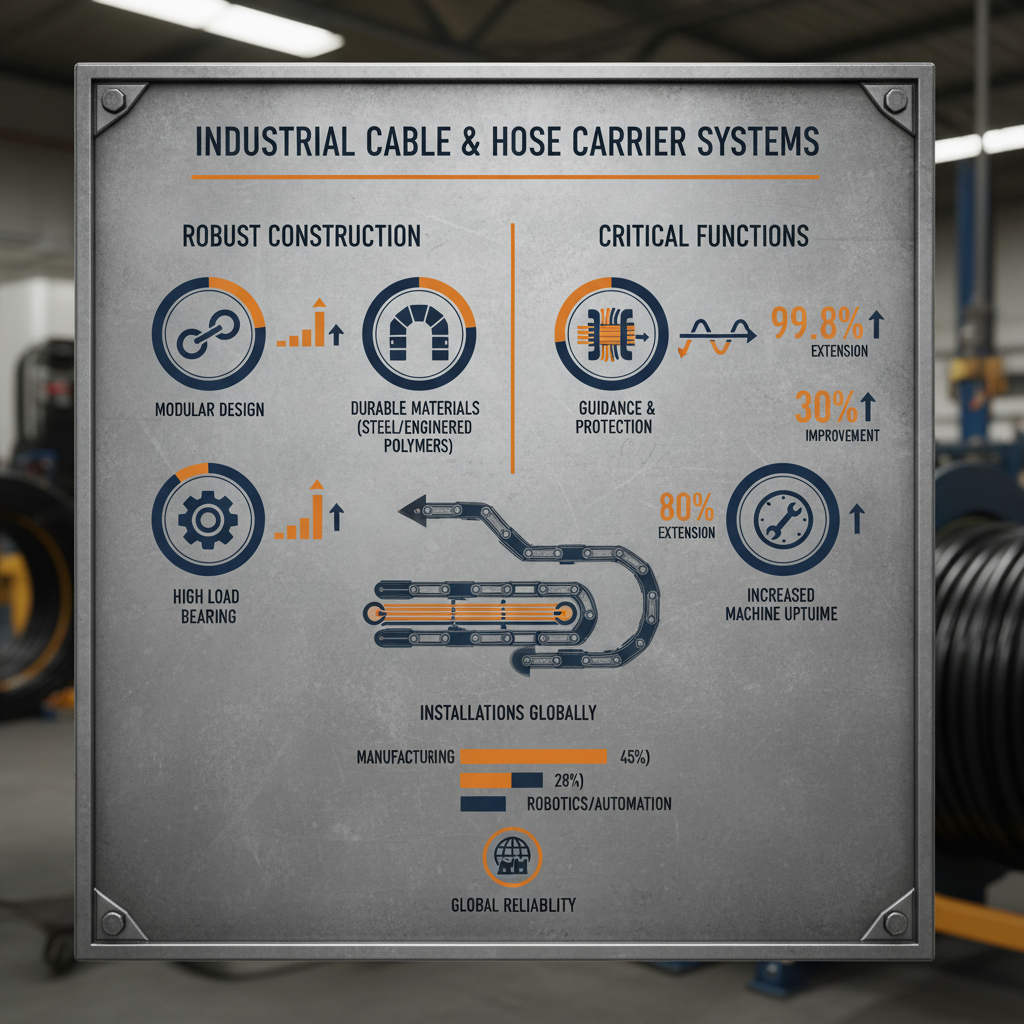
Cable and Hose Carrier System Performance Metrics
Global Applications and Use Cases
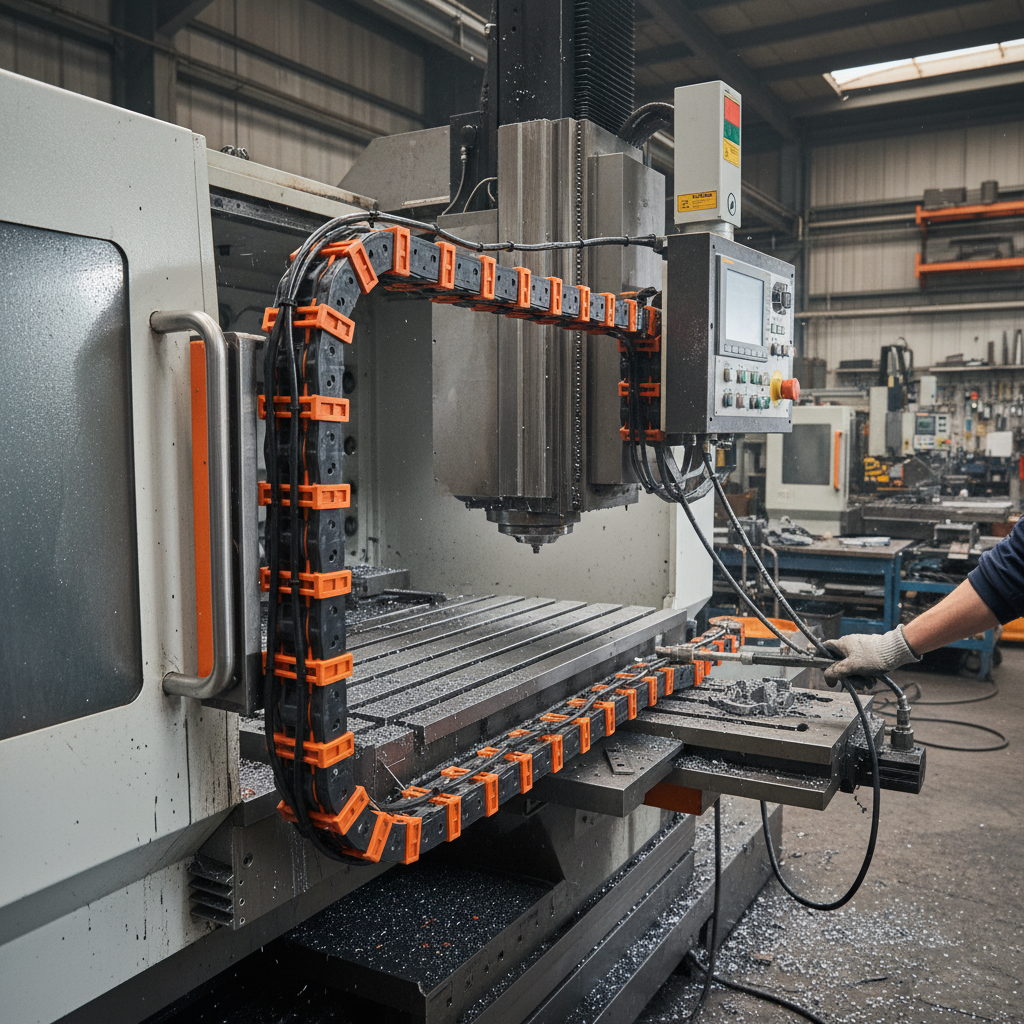
Cable and hose carrier systems are ubiquitous across numerous industries. In manufacturing, they are vital for robotic arms, CNC machines, and automated assembly lines. The automotive industry employs them extensively in paint shops, welding stations, and vehicle assembly processes.
In remote industrial zones, like oil and gas platforms or mining operations, these systems ensure the reliable delivery of power and control signals to critical equipment, often operating in harsh and unforgiving environments. In post-disaster relief operations, mobile power generation units employing these systems can quickly restore electricity to affected areas.
The entertainment industry utilizes these systems in stage lighting, theatrical robotics, and camera systems. They are also crucial in medical equipment, protecting delicate cables within MRI machines, surgical robots, and patient monitoring devices. The common thread across these applications is the need for reliable, protected cable management in dynamic environments.
Advantages and Long-Term Value
The advantages of employing cable and hose carrier systems extend beyond simple cable protection. Reduced downtime and maintenance costs are tangible benefits, directly impacting a company’s bottom line. The increased lifespan of cables and hoses, protected from wear and tear, translates to long-term cost savings.
Furthermore, these systems contribute to a safer working environment by eliminating exposed cables and hoses, reducing the risk of trips, falls, and electrical hazards. This fosters a culture of safety and trust, enhancing employee morale and reducing liability. The sustainability aspect is also noteworthy; extending the life of cables and hoses reduces waste and promotes responsible resource management.
Future Trends and Innovations
The future of cable and hose carrier systems is being shaped by several key trends. The integration of smart technology, such as sensors and predictive maintenance algorithms, is enabling proactive monitoring of system health and preventing unexpected failures. The development of lighter-weight, high-strength materials, including carbon fiber composites, is improving performance and reducing overall system weight.
Sustainability is driving the demand for bio-based and recyclable materials. The increasing adoption of Industry 4.0 principles and digital transformation is leading to more sophisticated systems capable of handling higher data transfer rates and supporting advanced automation technologies. These innovations will be crucial for meeting the evolving demands of modern industries.
Challenges and Solutions
Despite their many advantages, cable and hose carrier systems face challenges. One common limitation is the difficulty in accommodating complex cable configurations and tight bending radii. Another challenge is selecting the appropriate system for highly dynamic applications with extreme acceleration and deceleration.
Innovative solutions are emerging to address these issues. Modular systems that can be easily customized to fit specific cable configurations are gaining popularity. The use of advanced polymers and optimized chain designs are enabling tighter bending radii without compromising cable protection. Furthermore, specialized systems designed for high-speed robotics and demanding industrial environments are becoming increasingly available.
A Comparative Analysis of Cable and Hose Carrier System Attributes
| System Type |
Material Durability (1-10) |
Installation Complexity (1-10) |
Cost-Effectiveness (1-10) |
| Steel Energy Chain |
9 |
6 |
7 |
| Plastic Energy Chain |
7 |
5 |
8 |
| Hybrid Energy Chain |
8 |
7 |
6 |
| Fully Enclosed System |
10 |
8 |
5 |
| Lightweight Polymer System |
6 |
4 |
9 |
| Micro-Chain System |
7 |
3 |
7 |
FAQS
Choosing the right system requires assessing several factors including the application's environment (temperature, chemicals, etc.), the range of motion, the type and size of cables/hoses, the required load capacity, and the desired level of protection. It's also crucial to consider future scalability and maintenance requirements. Selecting a system that doesn't adequately address these factors can lead to premature failure and costly downtime.
Determining the correct size involves calculating the cross-sectional area of all the cables and hoses that will be housed within the system, plus adding a fill ratio (typically 30-40%) to allow for movement and prevent strain. Manufacturers typically provide guidelines and calculators to assist with this process. Underfilling can lead to cable wear, while overfilling can restrict movement and damage the system.
Common materials include polymers like polyamide (PA), polypropylene (PP), and polyethylene (PE), as well as steel and hybrid combinations. Polymers offer lightweight and corrosion resistance, while steel provides high strength and durability. Hybrid systems combine the benefits of both. The best material depends on the specific application's requirements and operating conditions.
Regular inspection is crucial for preventing failures. Frequency depends on the application, but a visual inspection every 3-6 months is recommended. Check for signs of wear, damage, or contamination. Lubrication may also be required, especially in high-dynamic applications. Proactive maintenance can significantly extend the lifespan of the system and prevent costly downtime.
With proper selection, installation, and regular maintenance, a cable and hose carrier system can last for 5-10 years or even longer. Factors impacting lifespan include the application's environment, the load capacity, and the frequency of movement. Replacing worn components proactively can significantly extend the system’s overall life.
Yes, but it’s vital to select materials that are UV-resistant and capable of withstanding the specific environmental conditions (temperature fluctuations, humidity, precipitation). Specialized systems designed for outdoor use are available, featuring enhanced weather protection and corrosion resistance. Regular cleaning and inspection are also important for outdoor applications.
Conclusion
In conclusion, cable and hose carrier systems are indispensable components of modern industrial infrastructure, offering critical protection, organization, and reliability for essential cables and hoses. From enhancing operational efficiency and reducing downtime to improving worker safety and promoting sustainability, the benefits are multifaceted and far-reaching. Understanding the core principles of their design, application, and maintenance is essential for anyone involved in automated machinery or robotics.
Looking ahead, continued innovation in materials, smart technology, and modular design will further enhance the performance and versatility of these systems. Investing in high-quality cable and hose carrier systems is not merely a cost of doing business, but a strategic investment in long-term reliability, safety, and efficiency.

 FIND USHIGH-TECH ZONE
 CALL US TODAY
 EMAIL US NOW