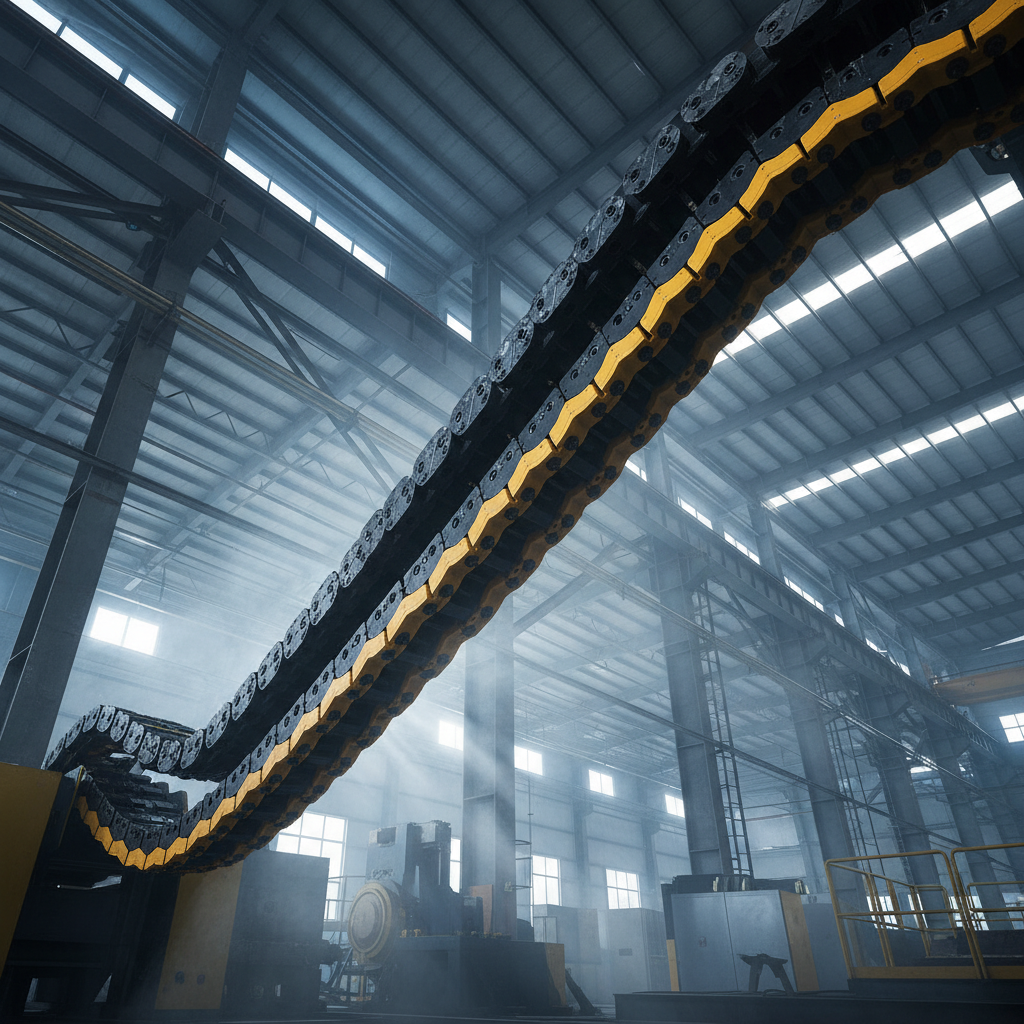
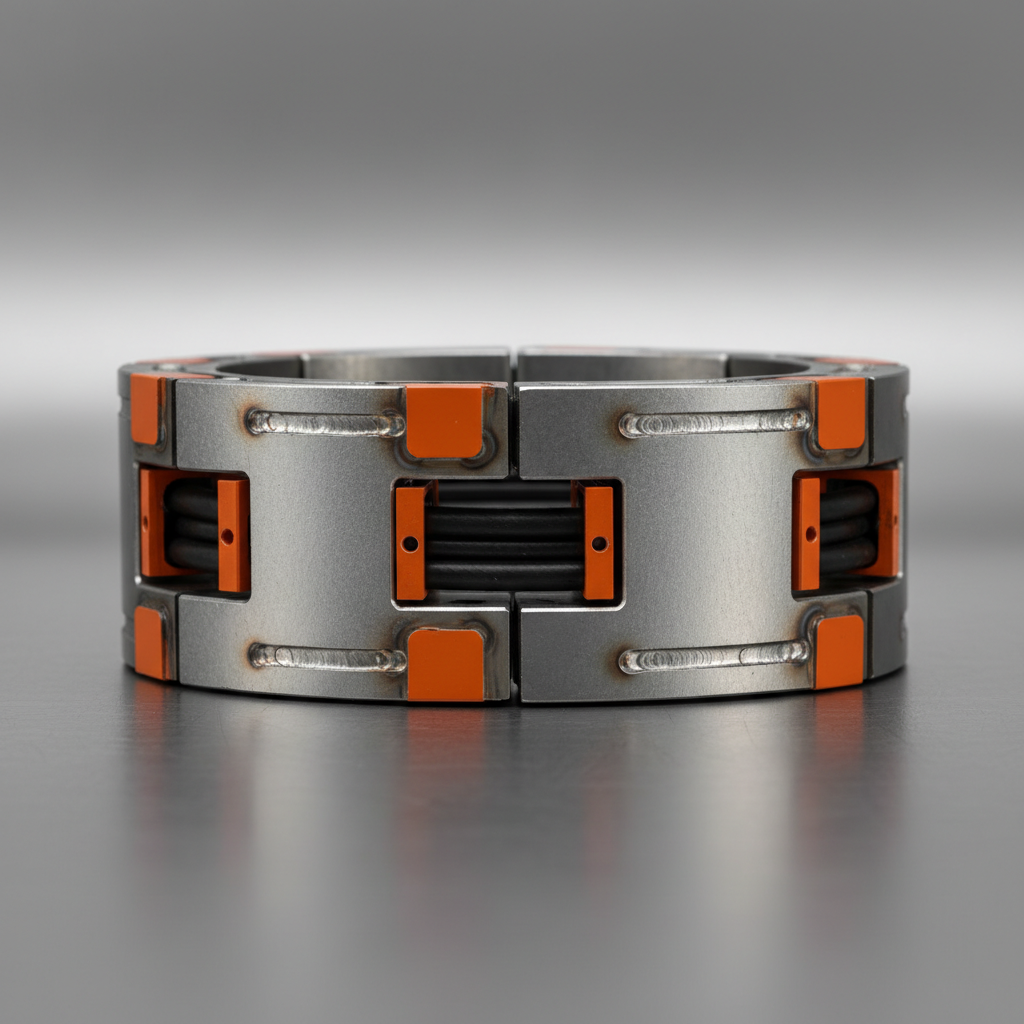
The realm of industrial automation and material handling relies heavily on efficient cable management solutions. nylatrac cable carrier systems are becoming increasingly vital across diverse sectors, from manufacturing and robotics to renewable energy and medical technology. Their ability to protect cables, extend their lifespan, and minimize downtime translates directly into increased productivity and reduced operational costs. Understanding the nuances of these systems is paramount for engineers, technicians, and procurement professionals alike.
Globally, the demand for robust and reliable cable management is surging, driven by the expansion of automated systems and the increasing complexity of modern machinery. According to a recent report by Grand View Research, the global cable management market size was valued at USD 14.5 billion in 2022 and is projected to reach USD 22.8 billion by 2030, growing at a CAGR of 5.8% from 2023 to 2030. nylatrac cable carrier solutions are at the forefront of this growth, addressing the need for durable, flexible, and customizable cable protection.
The challenges of maintaining reliable power and signal transmission in dynamic environments necessitate innovative solutions. Damaged cables lead to costly repairs, production stoppages, and potentially dangerous safety hazards. nylatrac cable carrier systems effectively mitigate these risks, providing a secure and organized pathway for cables, thereby ensuring operational continuity and safety.
The Significance of nylatrac Cable Carrier
nylatrac cable carrier systems are not simply about organizing cables; they represent a critical component of modern industrial infrastructure. Their proper implementation directly impacts operational efficiency, system longevity, and workplace safety. Without effective cable management, businesses risk costly downtime, equipment damage, and even potential safety hazards.
The increasing reliance on automation and robotics across industries further amplifies the importance of reliable cable protection. As machines become more complex and dynamic, the need for flexible, durable, and adaptable cable carrier solutions becomes paramount. nylatrac cable carrier provides a robust solution to these challenges, ensuring consistent performance and minimizing maintenance requirements.
Defining nylatrac Cable Carrier Systems
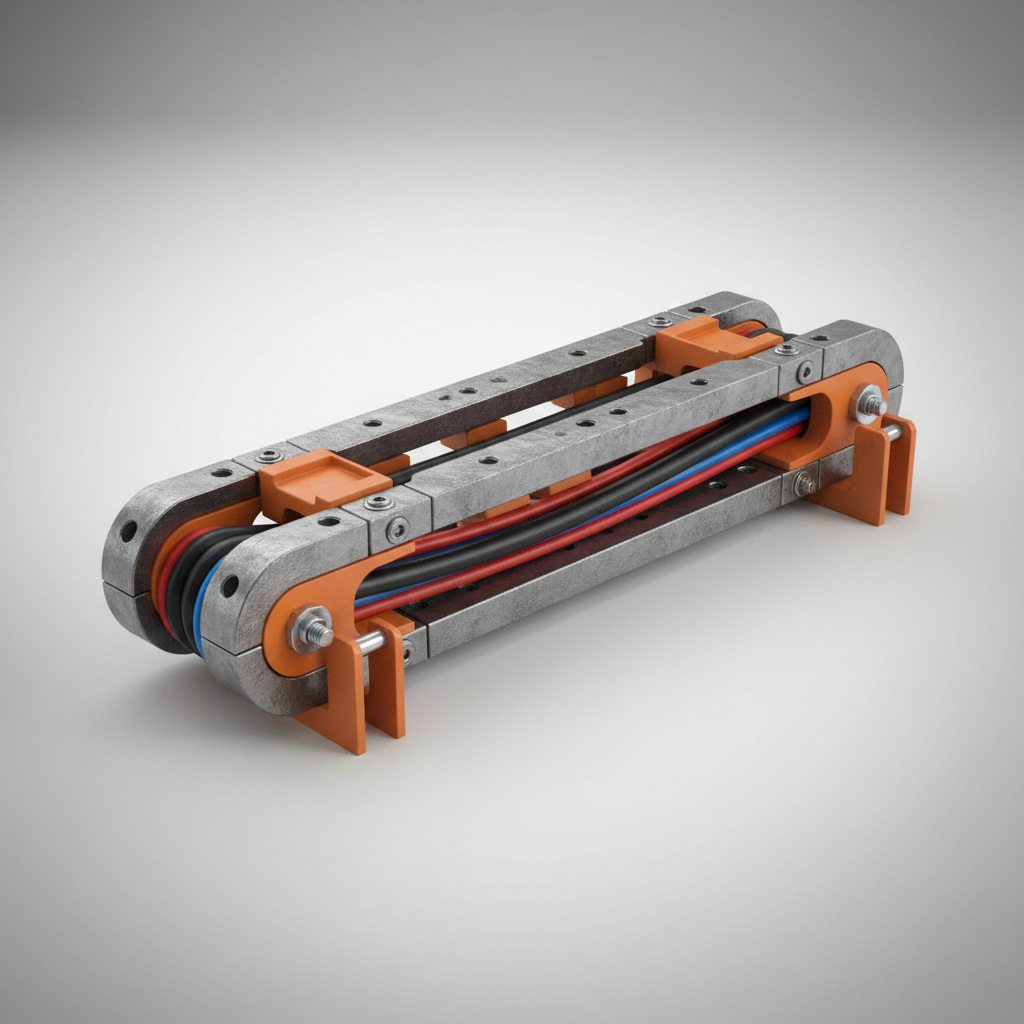
A nylatrac cable carrier, also known as an energy chain, is a system designed to guide and protect electrical and pneumatic cables during dynamic applications. Unlike traditional cable conduits, these carriers are constructed from interconnected links, forming a flexible chain that can bend in multiple directions, accommodating movement along linear and rotational axes.
They are integral to applications involving moving machinery, such as robotics, CNC machines, material handling systems, and automated assembly lines. Their primary function is to prevent cables from becoming tangled, stressed, or damaged due to repeated bending and twisting, thus maximizing their lifespan and minimizing potential downtime.
Modern nylatrac cable carrier systems are often modular, allowing for easy customization and expansion to accommodate evolving cable requirements. This adaptability is a key advantage over fixed cable routing solutions, making them suitable for a wide range of industrial applications.
Key Features of Effective nylatrac Cable Carrier Design
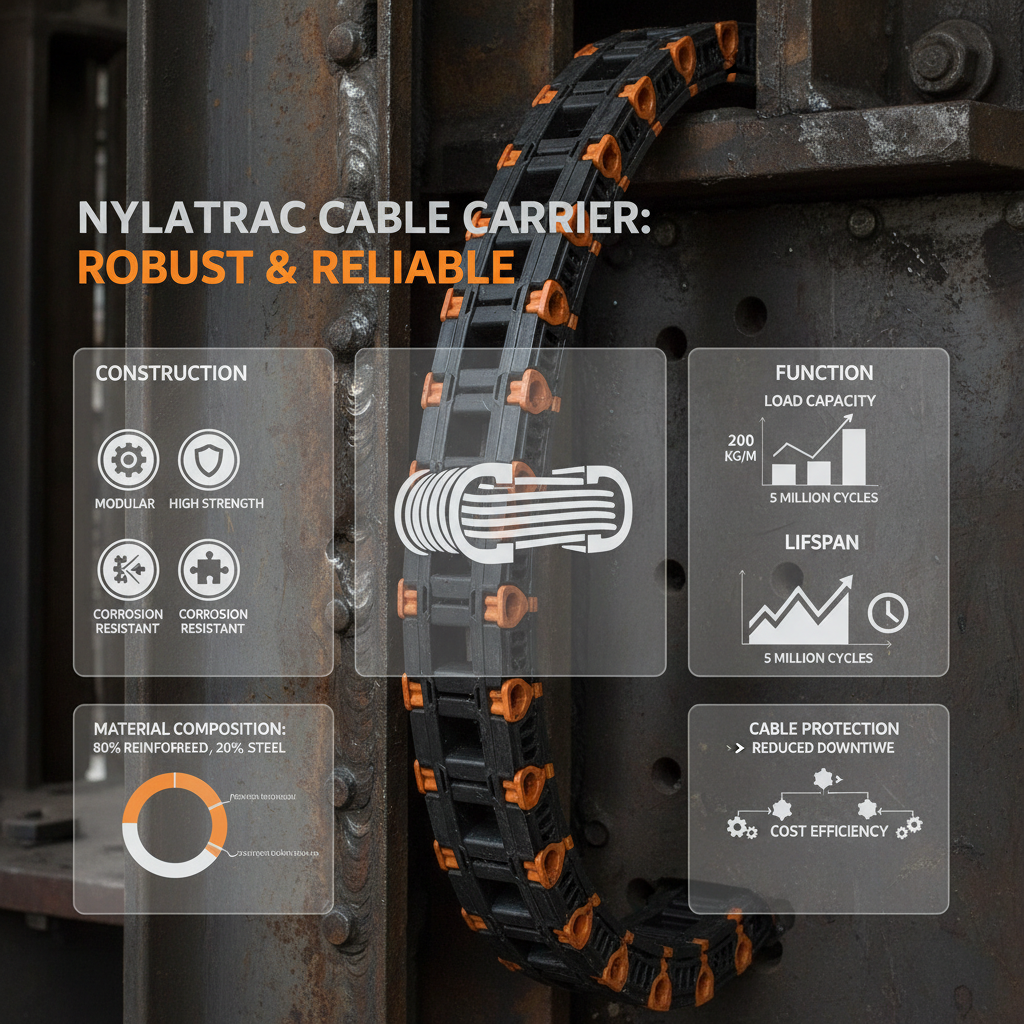
Durability is paramount in nylatrac cable carrier design. Materials like high-strength nylon, polypropylene, or specialized polymers are commonly used to withstand demanding environments, including exposure to extreme temperatures, chemicals, and abrasion. The choice of material directly impacts the carrier's lifespan and its ability to protect the enclosed cables.
Flexibility is another crucial characteristic. The interconnected link design must allow for unrestricted movement in all directions, accommodating the full range of motion of the application. Different link geometries and materials can be employed to optimize flexibility based on specific requirements.
Modularity is key to adaptability. A well-designed nylatrac cable carrier should allow for easy addition or removal of links, enabling customization to accommodate changes in cable quantity or configuration. This also simplifies maintenance and repairs.
Performance Characteristics of nylatrac Cable Carrier
The performance of a nylatrac cable carrier system is assessed through several key metrics. Bending radius, which dictates the minimum radius the carrier can bend without damaging the cables, is a critical factor. A smaller bending radius allows for more compact installations.
Load capacity, or the maximum weight of cables the carrier can safely support, is another important consideration. This depends on the carrier's material, link design, and overall size.
Comparative Analysis of nylatrac Cable Carrier Methods
Global Applications of nylatrac Cable Carrier
nylatrac cable carrier systems find application in a remarkably diverse range of industries worldwide. In the automotive industry, they protect wiring harnesses in robotic welding arms and automated assembly lines. The renewable energy sector utilizes them extensively in wind turbines to guide cables to and from the nacelle.
The medical technology field benefits from their ability to maintain sterile environments and ensure reliable cable connectivity in robotic surgical systems and medical imaging equipment. Furthermore, in post-disaster relief operations, modular robotic systems leveraging nylatrac cable carrier can be deployed for search and rescue and infrastructure assessment.
Advantages and Long-Term Value of nylatrac Cable Carrier
The advantages of implementing nylatrac cable carrier are multifaceted. Reduced downtime due to cable failures translates directly into increased productivity and cost savings. Extended cable lifespan minimizes replacement costs and reduces waste. Improved workplace safety minimizes the risk of accidents and injuries.
Beyond the tangible benefits, nylatrac cable carrier contributes to enhanced system reliability, increased operational efficiency, and a more professional and organized work environment. This fosters trust with clients and stakeholders and promotes a culture of innovation and continuous improvement.
From a sustainability perspective, reducing cable waste and extending equipment lifespan contribute to a smaller environmental footprint. This aligns with growing global initiatives focused on resource conservation and responsible manufacturing.
Future Trends and Advancements in nylatrac Cable Carrier Technology
The future of nylatrac cable carrier technology is poised for significant innovation. The integration of smart sensors and predictive maintenance capabilities will allow for real-time monitoring of cable health and proactive identification of potential failures. 3D-printed customized carriers tailored to specific applications are also gaining traction.
The development of lighter-weight and more durable materials, such as carbon fiber reinforced polymers, will further enhance performance and expand application possibilities. Furthermore, advancements in digital twin technology will enable virtual prototyping and optimization of cable carrier systems, reducing development time and costs.
The increasing focus on sustainability will drive the adoption of bio-based and recyclable materials in the manufacturing of nylatrac cable carrier systems, minimizing their environmental impact and promoting a circular economy.
A Summary of Common Issues and Solutions with nylatrac Cable Carrier
| Issue Category |
Root Cause |
Severity Level (1-5) |
Potential Solution |
| Cable Fatigue |
Repeated bending and twisting |
4 |
Optimize bending radius; use high-flex cables. |
| Contamination |
Exposure to dust, oil, or chemicals |
3 |
Select carriers with sealing options; implement regular cleaning schedules. |
| Incorrect Sizing |
Carrier too small for cable bundle |
5 |
Accurately calculate cable bundle diameter; choose appropriately sized carrier. |
| Link Failure |
Material degradation or excessive stress |
2 |
Use high-quality materials; ensure proper installation and maintenance. |
| Noise Generation |
Friction between links |
1 |
Utilize noise-dampening materials; apply lubricant. |
| Installation Issues |
Improper mounting or tensioning |
3 |
Follow manufacturer's installation guidelines; ensure proper alignment. |
FAQS
The lifespan of a nylatrac cable carrier can vary significantly depending on factors such as operating conditions, load, speed, and maintenance. However, with proper installation and regular inspection, a well-maintained carrier can last for 5-10 years or more. Choosing high-quality materials and regularly lubricating the links are crucial for extending its life.
Determining the correct size involves calculating the total cross-sectional area of all cables and hoses that will be housed within the carrier. You’ll need to add a safety factor (typically 20-30%) to allow for movement and prevent stress on the cables. Consult the manufacturer’s specifications and selection guides to ensure proper sizing based on your application requirements.
Regular maintenance is essential for maximizing the lifespan and performance of your nylatrac cable carrier. This includes visual inspections for wear and tear, cleaning to remove debris, and lubrication of the links to reduce friction. Periodic checks of the mounting hardware and cable strain relief are also recommended.
Yes, nylatrac cable carrier systems are designed for use in a variety of harsh environments. Specialized materials and sealing options are available to protect against exposure to extreme temperatures, chemicals, UV radiation, and other challenging conditions. Consider the specific environmental factors when selecting the appropriate carrier materials.
Open-style carriers are more common and allow for easy access to cables for inspection and maintenance. Closed-style carriers provide greater protection against contamination and debris, making them suitable for applications in harsh environments. The choice depends on the specific application requirements and the level of protection needed.
By securely guiding and protecting cables, nylatrac cable carrier systems minimize the risk of cable damage, which can lead to electrical hazards and equipment malfunctions. They also reduce tripping hazards by keeping cables organized and off the floor, creating a safer working environment for personnel.
Conclusion
nylatrac cable carrier systems are essential components of modern industrial automation, offering significant benefits in terms of cable protection, operational efficiency, and workplace safety. Their durability, flexibility, and modularity make them adaptable to a wide range of applications across diverse industries. Understanding the principles of their design, performance characteristics, and future trends is crucial for engineers, technicians, and procurement professionals alike.
As technology continues to advance, the role of nylatrac cable carrier will only become more critical. Embracing innovation in materials, sensor integration, and predictive maintenance will unlock further performance improvements and contribute to a more sustainable and reliable future for industrial automation.

 FIND USHIGH-TECH ZONE
 CALL US TODAY
 EMAIL US NOW