Drag cables are essential components in modern industrial automation, enabling the safe and efficient transfer of power, control, and data signals to moving machinery. Their global importance stems from the increasing demand for automated systems across diverse industries like manufacturing, robotics, and material handling. The reliable operation of these systems hinges on the integrity of the drag cables, making them a critical element in maintaining productivity and minimizing downtime. Understanding the nuances of drag cable selection and application is paramount for engineers and technicians alike.
The need for robust drag cables has been amplified by the rapid growth of Industry 4.0 and the proliferation of interconnected devices. As factories become increasingly digitized and automated, the demand for high-performance drag cables capable of handling complex data transmission and power delivery is surging. This trend is particularly evident in emerging economies where industrial expansion is driving innovation in automation technologies. A failure in drag cable systems can lead to significant financial losses and safety concerns.
Investing in high-quality drag cables is not merely a cost-saving measure; it's a strategic investment in long-term operational efficiency and safety. Properly selected and maintained drag cables minimize downtime, reduce maintenance costs, and protect valuable equipment. As the demands of modern automation continue to evolve, so too must our understanding and implementation of drag cable technologies.
The Role of Drag Cables in Industrial Automation
Drag cables are the nervous system of automated machinery, providing the essential link between stationary control systems and moving components. Without reliable drag cables, robots, cranes, and other automated equipment would be unable to function effectively. Their ability to withstand continuous flexing, abrasion, and environmental stressors makes them indispensable for modern industrial operations.
The selection of appropriate drag cables is crucial for ensuring the longevity and reliability of automated systems. Factors such as cable diameter, material composition, and shielding requirements must be carefully considered to match the specific application demands. A well-designed drag cable system not only improves performance but also contributes to enhanced safety and reduced maintenance needs.
Defining Drag Cables and Their Significance
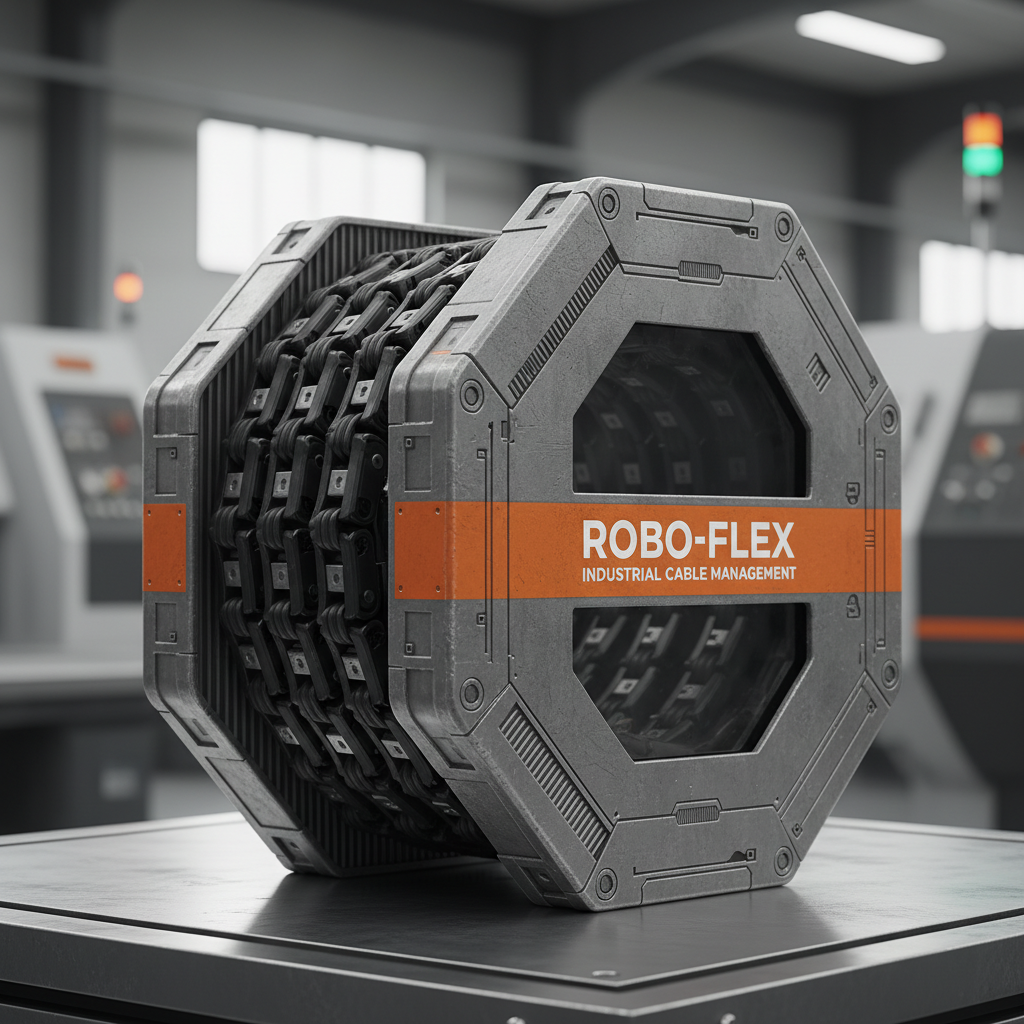
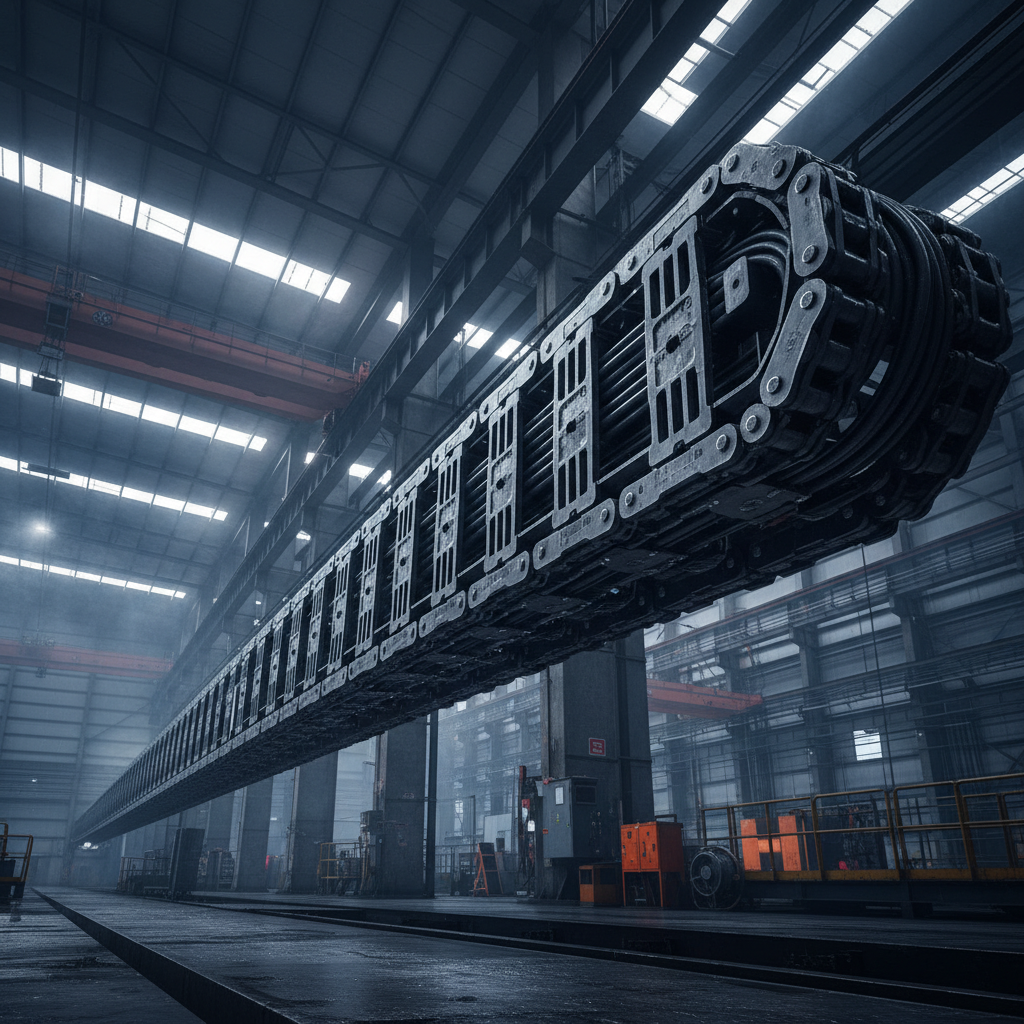
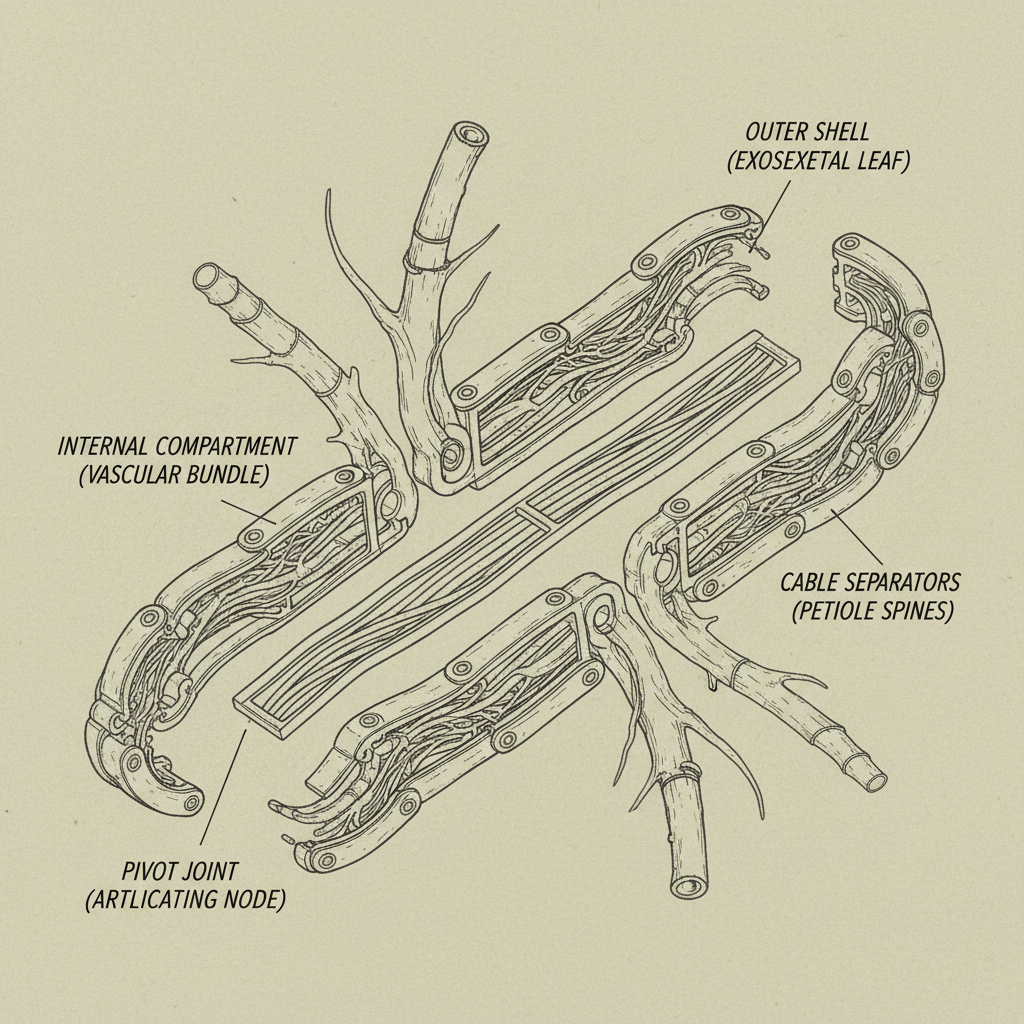
Drag cables, also known as energy chains or cable carriers, are systems designed to guide and protect electrical, pneumatic, hydraulic, and data cables during continuous movement. They consist of interlocking links that form a flexible chain, allowing cables to bend and twist without damage as equipment moves along its axis. This is in contrast to traditional cabling methods, which can be prone to wear and tear from repeated flexing.
The significance of drag cables lies in their ability to improve the reliability and lifespan of cables in dynamic applications. By providing structural support and shielding, they prevent cable damage caused by abrasion, crushing, and entanglement. This, in turn, minimizes downtime, reduces maintenance costs, and ensures consistent performance.
Drag cables are fundamental to modern industry, supporting vital processes across a wide range of sectors, from manufacturing and logistics to robotics and renewable energy. They represent a critical enabling technology for achieving greater automation, efficiency, and productivity.
Core Characteristics of High-Quality Drag Cables
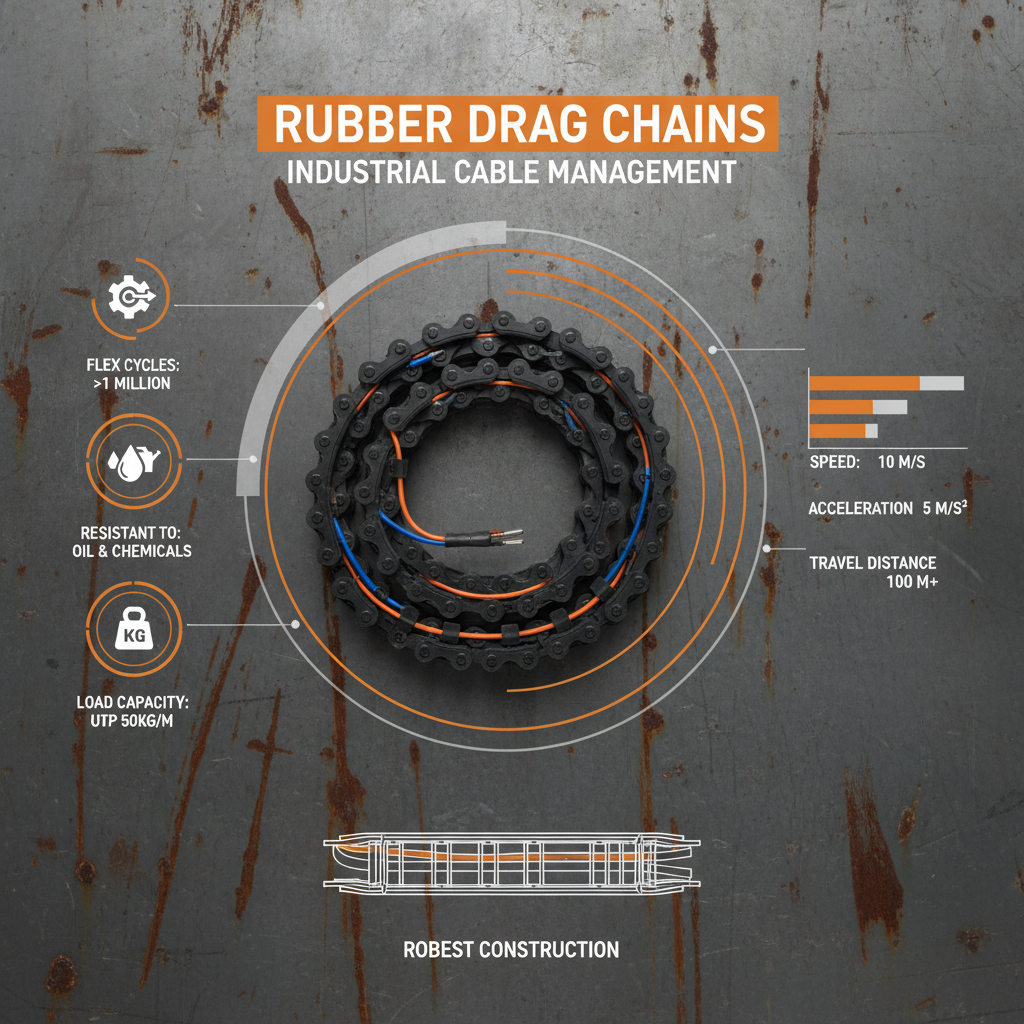
Several key characteristics define a high-quality drag cable. Durability is paramount, requiring materials capable of withstanding repeated flexing, abrasion, and exposure to harsh environmental conditions. This often involves the use of specialized polymers and reinforced construction techniques. The correct choice of materials directly impacts the lifespan and reliability of the drag cables.
Flexibility is another crucial aspect, ensuring the cable can bend and twist without compromising its electrical or mechanical properties. This is achieved through optimized cable stranding and jacket materials. A flexible drag cable can adapt to complex movements and minimize stress on the internal conductors.
Shielding is essential for protecting sensitive data and power signals from electromagnetic interference (EMI). Proper shielding ensures accurate data transmission and prevents disruptions to automated processes. Temperature Resistance is also a vital factor, particularly in demanding industrial environments. Drag cables must maintain their performance characteristics across a wide temperature range. Finally, Oil Resistance and Chemical Resistance are key properties ensuring longevity in harsh environments.
Global Applications of Drag Cables Across Industries
Drag cables find widespread application across a multitude of industries globally. In the Automotive Industry, they are integral to robotic welding, painting, and assembly lines, ensuring precise and reliable movement of robotic arms. In Material Handling, they support the operation of cranes, hoists, and automated storage and retrieval systems (ASRS).
The Aerospace Industry utilizes drag cables in aircraft maintenance and manufacturing, enabling the inspection and repair of aircraft structures. Renewable Energy relies on drag cables for wind turbine blade pitch control and solar panel tracking systems. In post-disaster relief operations, portable drag cables can quickly provide power and control to temporary field hospitals and communication systems.
Furthermore, the Pharmaceutical Industry uses drag cables in automated packaging and dispensing systems. In remote industrial zones, their reliability is critical for maintaining continuous operations in challenging environments. The demand for drag cables is directly correlated with the growth of automation across these and other sectors.
Drag Cable Performance Metrics by Application
Advantages and Long-Term Value Proposition
Investing in quality drag cables offers substantial advantages. Reduced downtime is a primary benefit, as the durability of these cables minimizes the risk of failure and subsequent production interruptions. This translates directly to increased productivity and revenue. The longevity of well-maintained drag cables also lowers lifecycle costs compared to frequent cable replacements.
Beyond cost savings, drag cables enhance workplace safety by protecting cables from damage and preventing electrical hazards. Their contribution to streamlined automation processes improves efficiency and allows for greater precision in manufacturing and other operations. The ability to customize drag cable systems to specific application requirements ensures optimal performance and reduces wasted resources.
Future Trends and Innovations in Drag Cable Technology
The future of drag cable technology is focused on enhancing performance, reducing weight, and improving sustainability. Developments in material science are leading to the creation of lighter, more durable polymers that can withstand even harsher environmental conditions. Smart drag cables equipped with sensors and data analytics capabilities are emerging, enabling predictive maintenance and real-time monitoring of cable health.
The integration of drag cable systems with Industry 4.0 protocols is also gaining traction, allowing for seamless communication between cables and control systems. Furthermore, the demand for eco-friendly drag cable solutions is driving innovation in biodegradable materials and sustainable manufacturing processes. These trends will contribute to a more efficient, reliable, and environmentally responsible future for industrial automation.
Challenges and Solutions in Drag Cable Implementation
Despite their numerous benefits, implementing drag cable systems can present challenges. One common issue is selecting the appropriate cable type and size for a specific application. Incorrect selection can lead to premature failure and reduced performance. The solution lies in thorough application analysis and consultation with experienced drag cable specialists.
Another challenge is maintaining proper cable alignment and tension within the drag cable system. Misalignment can cause excessive wear and tear. Regular inspection and adjustment of the system are crucial for preventing these issues. Finally, contamination from dust, debris, and liquids can compromise cable performance. Implementing effective sealing and cleaning procedures can mitigate this risk.
Addressing these challenges requires a proactive approach to design, installation, and maintenance. Leveraging advanced diagnostics and predictive maintenance techniques can further optimize drag cable system performance and extend its lifespan.
Summary of Drag Cable Performance & Maintenance Best Practices
| Application Area |
Key Performance Indicator |
Maintenance Frequency |
Recommended Action |
| Robotics |
Flex Cycle Count |
Monthly |
Visually inspect for wear and tear. |
| Cranes & Hoists |
Load Capacity |
Quarterly |
Test cable strain and ensure proper support. |
| Wind Turbines |
Environmental Exposure |
Semi-Annually |
Check for UV degradation and corrosion. |
| ASRS |
Data Transmission Integrity |
Annually |
Perform shielding and grounding verification. |
| Automotive Manufacturing |
Oil/Chemical Resistance |
As Needed |
Replace cables exposed to harsh chemicals. |
| Packaging Systems |
Contamination Levels |
Bi-Weekly |
Clean cables to prevent build-up of debris. |
FAQS
When choosing drag cables for robotic arms, prioritize flexibility, high cycle life, and abrasion resistance. The cable must withstand continuous bending and twisting without compromising performance. Consider the robotic arm’s range of motion, speed, and load capacity to determine the appropriate cable size and construction. Shielding is also important to protect against electromagnetic interference generated by motors and other equipment.
Drag cables in crane systems should be inspected at least quarterly, or more frequently in high-demand applications. Visually check for signs of wear, abrasion, or damage to the cable jacket. Test cable strain and ensure proper support. Lubricate the drag cable system according to the manufacturer's recommendations. A proactive maintenance schedule will prevent unexpected downtime and extend the lifespan of the cables.
Several shielding options are available, including braided shielding, foil shielding, and a combination of both. Braided shielding provides excellent coverage and flexibility, while foil shielding offers superior attenuation of high-frequency interference. For extremely noisy environments, a double-shielded cable – combining both braided and foil shielding – is recommended. Ensure proper grounding of the shielding to maximize its effectiveness.
Choose drag cables with a chemically resistant jacket material, such as polyurethane (PUR) or fluoropolymer (FEP). Avoid using PVC jackets in environments with harsh chemicals, as they can degrade over time. Consider using additional protective sleeves or coatings to provide an extra layer of defense. Regular cleaning and inspection are also crucial to remove any chemical residue and prevent damage.
Proper cable management is vital for ensuring the longevity and reliability of a drag cable system. Cables should be arranged neatly within the chain to prevent kinking, twisting, and abrasion. Use appropriate cable guides and separators to maintain proper spacing and prevent cables from rubbing against each other. Avoid overfilling the drag cable chain, as this can restrict cable movement and cause premature wear.
Modular drag cable systems offer greater flexibility and customization compared to traditional systems. They allow for easy addition or removal of cables as application requirements change. Modular systems simplify maintenance and repair, as individual links can be replaced without disrupting the entire chain. They also provide a cost-effective solution for complex applications with numerous cables.
Conclusion
Drag cables are indispensable components of modern industrial automation, providing reliable and efficient power, control, and data transmission to moving machinery. Their durability, flexibility, and shielding capabilities ensure consistent performance and minimize downtime. Understanding the core characteristics of high-quality drag cables and implementing proper maintenance practices are crucial for maximizing their lifespan and return on investment.
As automation technologies continue to advance, drag cable innovation will play an increasingly important role in enabling greater efficiency, productivity, and sustainability. Investing in cutting-edge drag cable solutions and collaborating with experienced specialists will be key to unlocking the full potential of automated systems. For more information on how we can assist with your drag cable needs, visit our website: www.agilechains.com

 FIND USHIGH-TECH ZONE
 CALL US TODAY
 EMAIL US NOW