0%

Table of Contents

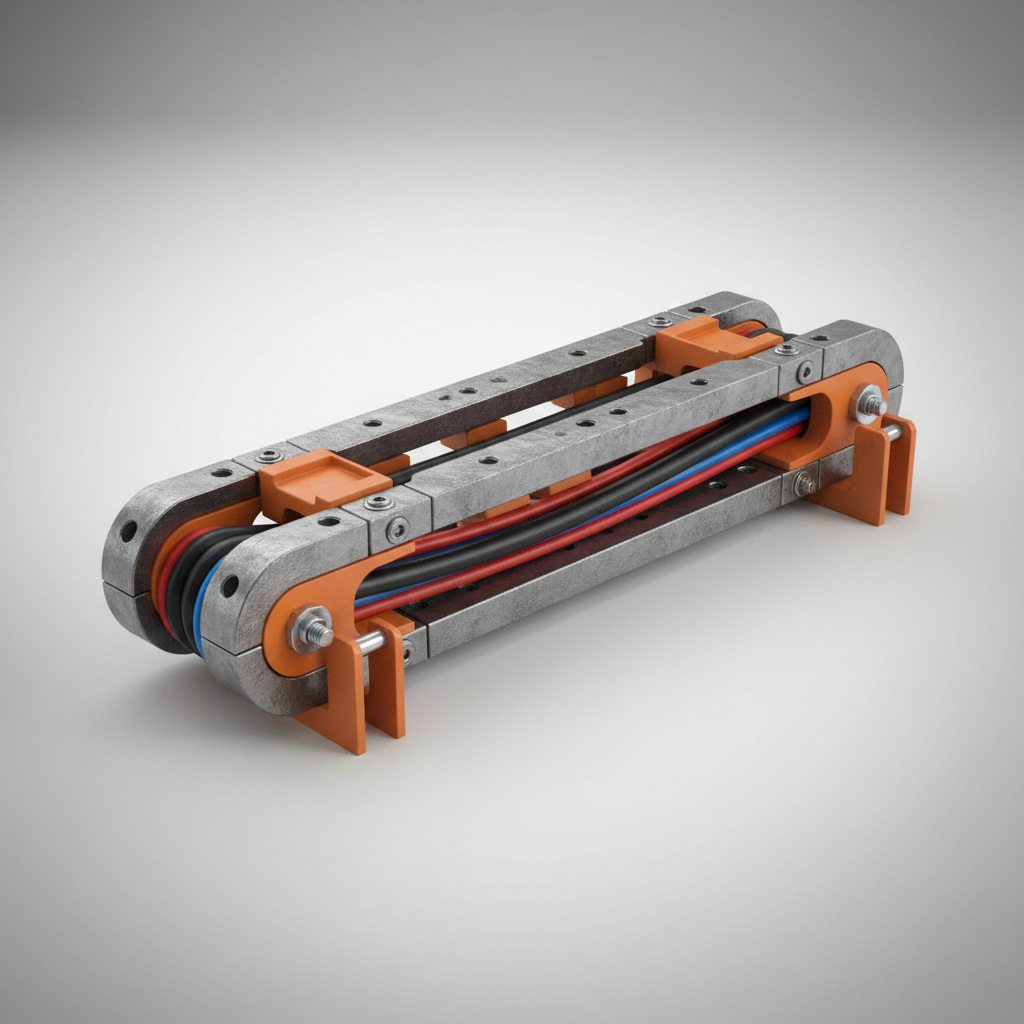
You know, I’ve been running around construction sites for fifteen years now, getting my hands dirty with materials, talking to the engineers, the foremen, even the guys actually laying the bricks. And honestly, the biggest trend I’m seeing lately is everyone wanting things… faster. Faster delivery, faster installation, faster everything. That puts a lot of pressure on cable carrier systems, because if they fail, everything grinds to a halt. It’s not glamorous work, but it’s the backbone of everything getting built.

What people often don’t realize, though, is how much subtlety goes into a good cable carrier. It’s easy to think, “Oh, it’s just a plastic thing that holds cables.” But believe me, there's a lot more to it than that. I've seen so many designs fall apart because they didn’t account for the real-world conditions. Dust, grime, temperature swings, the constant bending and flexing… it all adds up.

And don't even get me started on the materials. Used to be, everything was just straight-up PVC. Functional, sure, but feels… cheap. Smells cheap, too, if it gets hot. Now you're seeing more Polypropylene, and even some Polyurethane blends for heavier duty applications. The PP is better in terms of chemical resistance, but it’s also a bit more brittle, you know? You can tell a good PP by how it feels – a little bit waxy, holds its shape well. I encountered this at a factory in Ningbo last time; they were bragging about their "high-quality" PVC, but it cracked just looking at it.
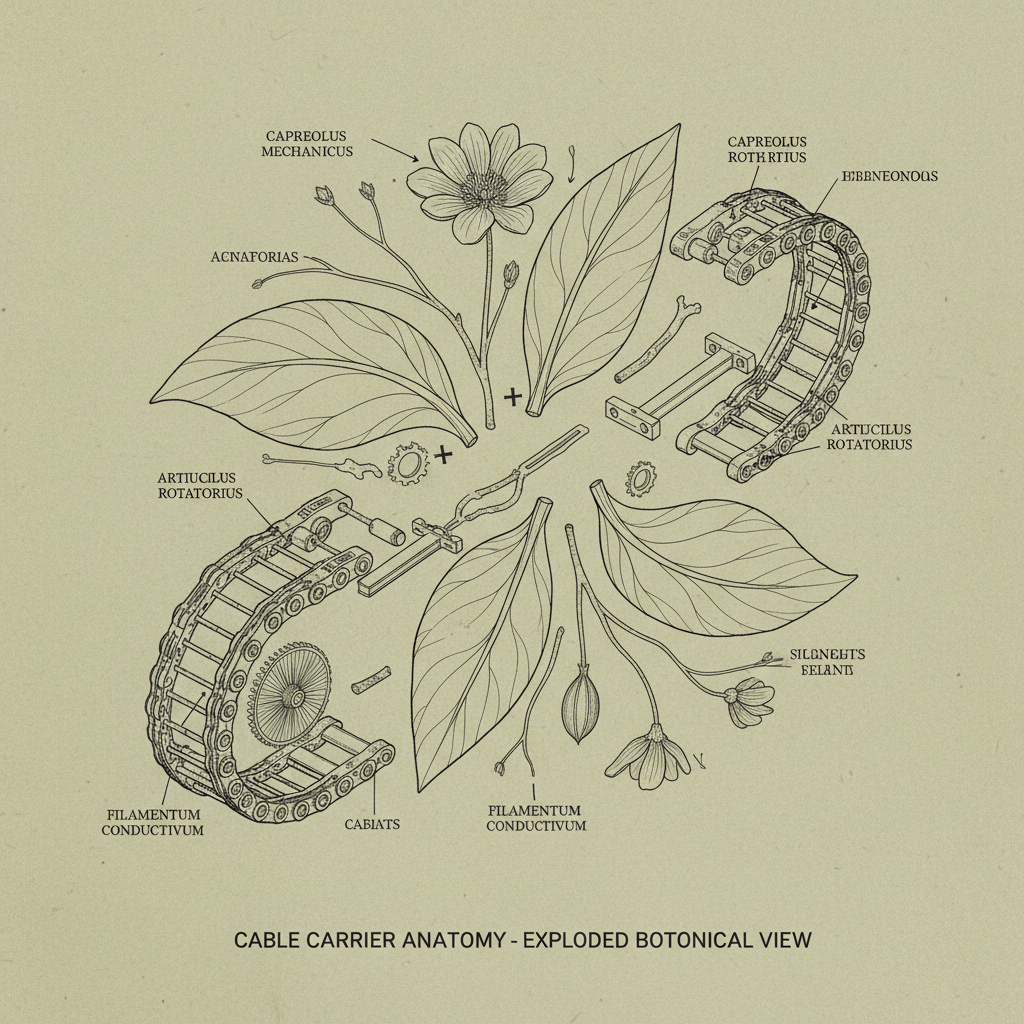

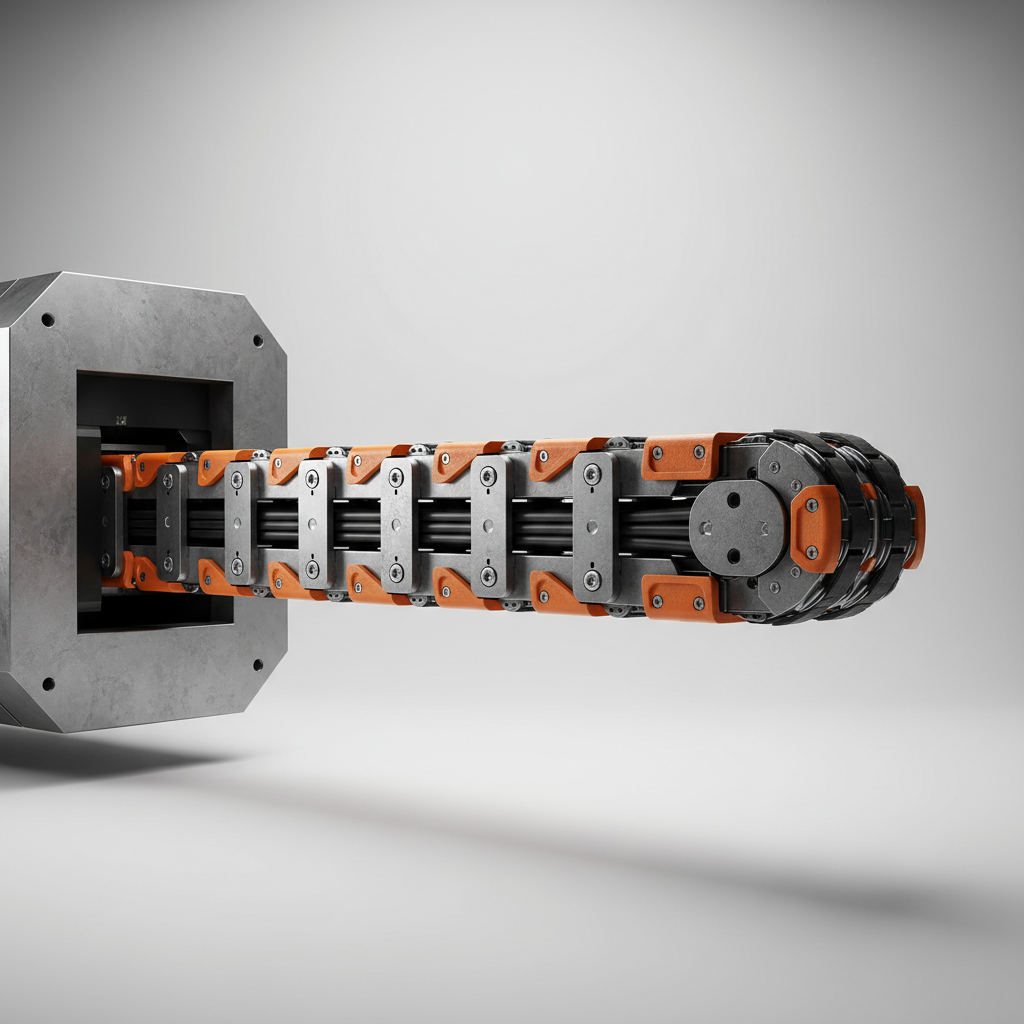
cable carrier

The Current Landscape of cable carrier

cable carrier

To be honest, the market’s flooded with options right now. Everything from flimsy, off-brand stuff to incredibly complex, high-end systems. The demand is driven by automation, robotics, all the fancy stuff. People are putting more and more moving parts into machines, and all those parts need cables. And those cables need protecting. Strangely enough, I'm also seeing a resurgence in demand for simpler, more robust designs – people are realizing sometimes the basic stuff just works better.

It’s not just about the industrial sector, either. Have you noticed how much cable is crammed into modern buildings? HVAC systems, security cameras, lighting… it all adds up. They are slowly realizing a good cable carrier system is necessary for these applications as well.

Design Pitfalls & Common Mistakes

I’ve seen so many engineers get tripped up trying to over-engineer these things. They get focused on theoretical bend radii and stress calculations and forget about the actual messiness of a construction site. The biggest mistake? Not accounting for cable fill. Stuff those channels too full, and you're asking for trouble. The cables rub, wear, and eventually, things fail. It seems obvious, but it happens all the time.

Another issue is the connection points. If they’re not properly sealed, you’re going to get dust and debris inside, which accelerates wear and tear. It’s a small detail, but it can make a huge difference. I spent a week troubleshooting a robot arm that was constantly shutting down, and it turned out the cable carrier connections weren't sealed tight enough.

Then there’s the support system. You can have the fanciest cable carrier in the world, but if it’s not properly supported, it’s going to sag and eventually break. People underestimate how much weight those cables can add up to.

Material Breakdown: From PVC to Polyurethane

Like I said earlier, PVC was king for a long time. It's cheap, readily available, and easy to work with. But it gets brittle in cold weather and degrades quickly in sunlight. It's fine for indoor, low-stress applications, but not much else.

Polypropylene is a step up. It's more flexible and has better chemical resistance. It still has its limitations, though. It’s not as abrasion-resistant as some other materials. You can feel it - a little bit 'plasticky' still.

And then you get into Polyurethane. That’s the premium stuff. It’s incredibly durable, abrasion-resistant, and can handle extreme temperatures. But it's also the most expensive. It feels… substantial. Like it could take a beating and keep going. Anyway, I think choosing the right material depends entirely on the application.

Real-World Testing and Application

Forget the lab tests. Those are useful for getting baseline data, sure, but the real test is how it performs on a construction site. I've started bringing sample cable carriers with me to every job and just… subjecting them to abuse. Dropping them, bending them, exposing them to dust and water, running cables through them repeatedly.

We also test the cable carrier systems in installed conditions. We’ll run a machine for days, weeks even, and just monitor for wear and tear. Look for signs of cracking, deformation, or cable abrasion. It's not glamorous, but it's the only way to be sure.

Cable carrier Performance Metrics


User Behavior and Unexpected Uses

You know, people always use these things differently than you expect. I’ve seen guys using cable carriers to route pneumatic lines, to protect sensor wires, even to bundle together electrical conduits. They’re surprisingly versatile.

I've also noticed that a lot of maintenance guys just… ignore the manufacturer’s recommendations for cable fill. They cram as many cables in there as they can, just to simplify things. It's not ideal, but it's reality.

Advantages, Disadvantages, and Customization

The advantages are pretty obvious: protection, organization, reduced wear and tear. A good cable carrier system can significantly extend the life of your cables and reduce downtime. The biggest disadvantage? Cost. Especially if you’re going with a high-end material like polyurethane. It can add up quickly.

But they can be customized. Last month, that small boss in Shenzhen who makes smart home devices insisted on changing the interface to , and the result was a nightmare – the existing cable carrier wasn’t compatible. We had to completely redesign the system to accommodate the new connector. It cost him a fortune, but he was adamant. People always want something unique.

A Glimpse into Future Innovations

I think we’re going to see a lot more integration of sensors into cable carriers. Imagine a system that can detect wear and tear in real-time and alert you before a failure occurs. That would be a game-changer.

We're also seeing a lot of interest in self-cleaning cable carriers, especially in dusty environments. And with the push for sustainability, I think we’ll see more and more cable carriers made from recycled materials. Though, let's be honest, the performance has to be there.

And honestly, I've been seeing chatter about some new bio-plastics that might be a viable alternative to traditional materials. It’s early days yet, but it’s something to keep an eye on.

Core Considerations for cable carrier System Selection

Application Environment Material Choice Cable Density Requirements Budget Allocation
Indoor, Clean Room PVC or Polypropylene Low (Less than 50% fill) $500 - $1000
Outdoor, Industrial Polypropylene or Polyurethane Medium (50-75% fill) $1000 - $2500
Robotics, High Flex Polyurethane or Hybrid High (75-90% fill) $2500 - $5000+
Food Processing, Washdown FDA-Compliant Polypropylene Medium (50-75% fill) $1500 - $3000
Extreme Temperatures High-Temp Polyurethane Low to Medium (Under 75% fill) $3000 - $6000+
Corrosive Environments Chemically Resistant Polypropylene Medium (50-75% fill) $1200 - $2800

FAQS

What is the best material for a cable carrier in a welding environment?

Welding environments are tough on materials due to heat, sparks, and fumes. For a cable carrier in this situation, a high-temperature resistant Polyurethane or a specialized Polypropylene blend is your best bet. Avoid PVC, it’ll melt! You also need to consider the potential for abrasion from sparks and flying debris, so a thicker, more durable material is preferable. Sealing the ends properly is also crucial to prevent contaminants from entering.

How often should I replace a cable carrier?

That’s a tricky one. It really depends on the application and the environment. But as a general rule, inspect your cable carriers at least quarterly for signs of wear and tear: cracks, deformation, cable abrasion, or loose connections. If you notice any of these issues, it’s time to replace it. Remember, preventative maintenance is always cheaper than fixing a breakdown!

Can I repair a damaged cable carrier?

Sometimes. Minor damage, like a small crack, can potentially be repaired with epoxy or a similar adhesive. But honestly, for anything beyond that, it’s usually not worth the effort. It’s better to just replace it. Trying to patch something up often leads to further problems down the line. And you don’t want a critical machine failing because of a poorly repaired cable carrier.

What’s the deal with closed vs. open cable carriers?

Closed cable carriers offer more protection from dust, dirt, and moisture, making them ideal for harsh environments. Open cable carriers are easier to access for cable installation and maintenance. Which one you choose depends on the specific application. If you're in a dirty environment, go with closed. If you need frequent access to the cables, open is the way to go.

How do I determine the correct size cable carrier for my application?

You need to accurately measure the diameter of your cables and allow for some extra space. A good rule of thumb is to fill the carrier no more than 70-80%. Overfilling can cause cable abrasion and reduce the carrier's lifespan. Most manufacturers have online calculators to help you determine the appropriate size based on your cable count and diameter.

What’s the biggest mistake people make when installing cable carriers?

Honestly? Ignoring the bending radius. If you bend a cable carrier too sharply, it’ll stress the material and cause it to fail. Always follow the manufacturer's recommendations for minimum bending radius. It's a simple thing, but it’s a common mistake. And it can save you a lot of headaches later on.

Conclusion

Ultimately, these cable carrier systems aren’t glamorous, but they’re essential. They keep everything moving, protected, and functioning. And after years of walking around construction sites, getting grease under my fingernails, and talking to the people who actually use this stuff, I’ve learned that a good cable carrier isn’t about fancy features or complex engineering. It’s about reliability and durability.

So, choose wisely, don’t skimp on quality, and remember – whether this thing works or not, the worker will know the moment he tightens the screw. That’s the bottom line.
Michael Brown

Michael Brown

Michael Brown is the Quality Control Manager at Shijiazhuang Agile Company. He ensures all products, from drag chains to corrugated bellow pipes, meet stringent quality standards. Michael has been with Agile since 2012, developing and implementing rigorous testing protocols throughout the manufacturing process. He is a strong advocate for maintaining
Previous drag chain