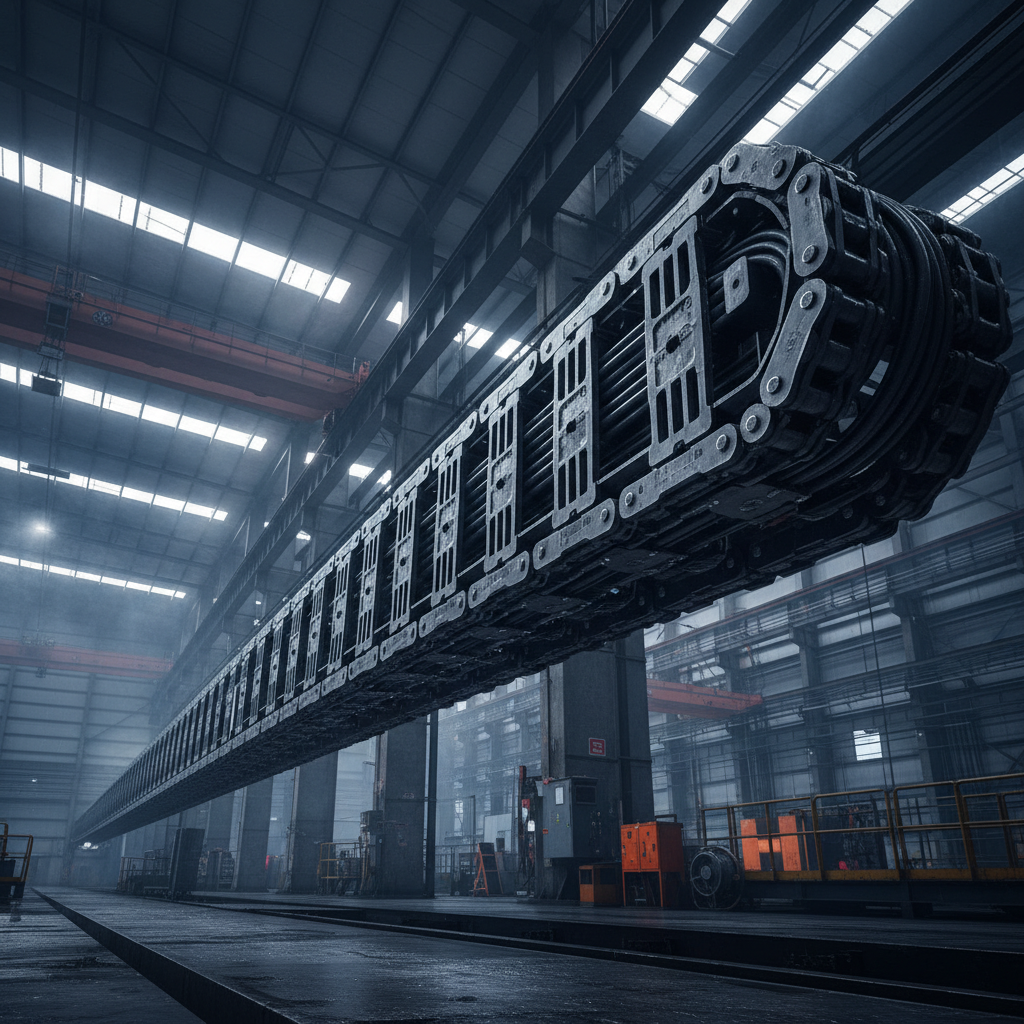
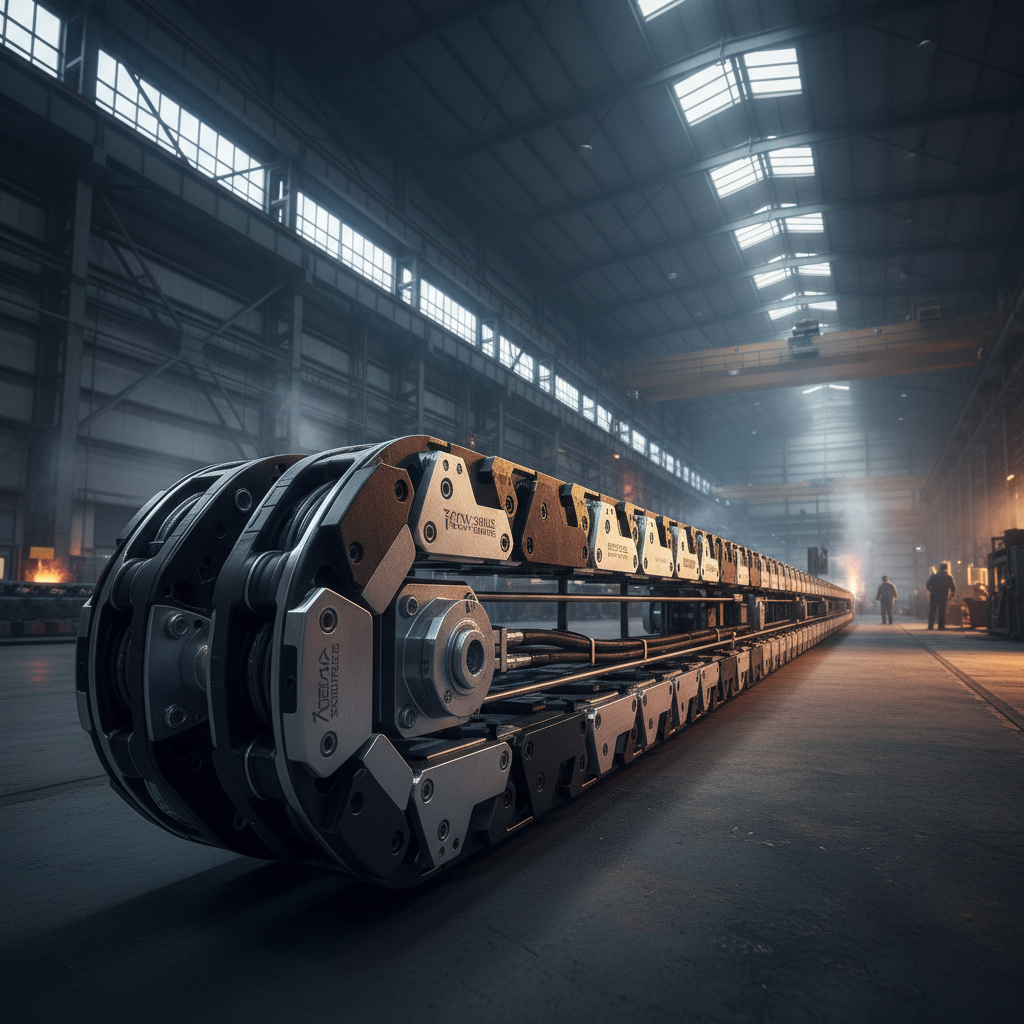
Cable carrier chain, often referred to as energy chains or e-chains, are fundamental components in modern automation and motion control systems. These systems are critical across a diverse range of industries, from manufacturing and robotics to aerospace and renewable energy. Understanding the principles and applications of cable carrier chain is increasingly vital for engineers, technicians, and professionals involved in designing, maintaining, and optimizing complex machinery. Their role is becoming more prominent as systems demand higher levels of reliability, efficiency, and safety.
The global demand for cable carrier chain is directly correlated with the growth of automation and industrialization worldwide. According to reports from industry analysts, the global market is experiencing consistent expansion, driven by factors like increasing adoption of robotics, rising investments in infrastructure projects, and the need for streamlined processes. This growth isn’t limited to developed nations; emerging economies are also significantly contributing to the demand, presenting opportunities for innovation and market penetration. A challenge the keyword addresses is the safe and reliable management of moving cables and hoses in dynamic applications.
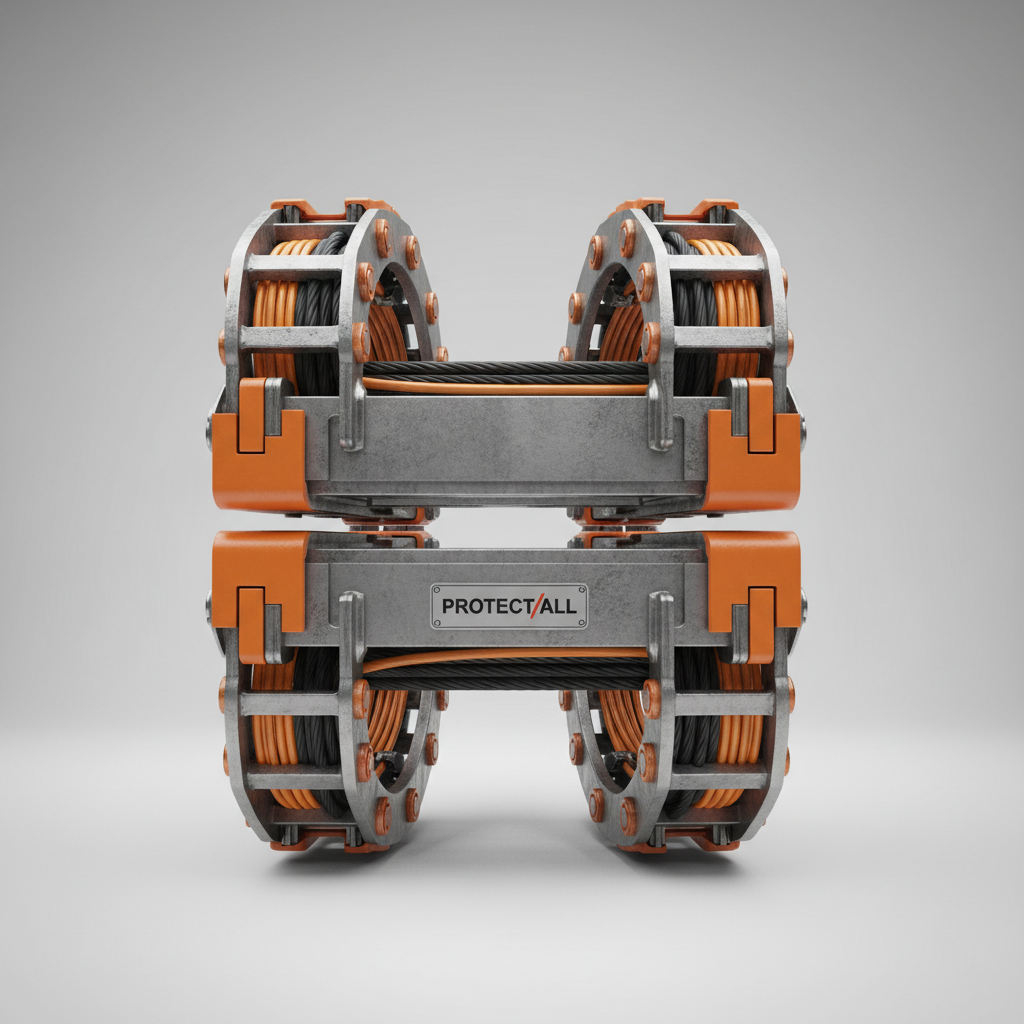
In essence, a cable carrier chain is a flexible system designed to guide and protect electrical cables, hydraulic hoses, pneumatic lines, and other essential components within machinery. It’s a crucial element that enables the movement of these vital resources without damage or disruption, unlike traditional methods that often led to wear, tear, and potential failures. This technology isn't just about industrial applications; it's becoming increasingly relevant in humanitarian efforts, providing reliable power and communication in challenging environments.
Introduction to cable carrier chain
The functionality of a cable carrier chain goes beyond simple cable protection; it's a crucial element in maintaining the operational integrity of complex machines. Its purpose is to prevent tangling, abrasion, and potential damage to cables and hoses as they move in conjunction with equipment, increasing system uptime and reducing costly repairs. Industries relying on automated processes see this as a vital investment.
The design principles behind these chains center around flexibility, durability, and ease of installation. Modern cable carrier chain solutions incorporate various materials and configurations to meet the specific requirements of diverse applications, from lightweight robotic arms to heavy-duty industrial machinery. The focus is always on optimizing performance and minimizing maintenance.
Defining Cable Carrier Chain
A cable carrier chain, at its core, is a guided cable routing system. It’s engineered to encase and support moving cables and hoses, preventing them from becoming entangled or damaged during the operation of machinery. Unlike traditional, free-hanging cable arrangements, a cable carrier chain provides a defined pathway, enhancing safety and extending the lifespan of vital components.
This technology connects directly to the requirements of modern industry, where automated processes and robotic systems are increasingly prevalent. The demand for reliable, efficient, and safe cable management solutions has fueled the development and refinement of cable carrier chain technology. The evolution of the design reflects the shift towards more complex and dynamic industrial applications.
Beyond industrial robotics, cable carrier chain solutions are also crucial in specialized applications such as medical equipment, stage technology, and even within cleanroom environments where maintaining cleanliness and minimizing particle generation are paramount. This wide applicability demonstrates the technology’s versatility and importance in supporting various sectors.
Core Components of Cable Carrier Chain Systems
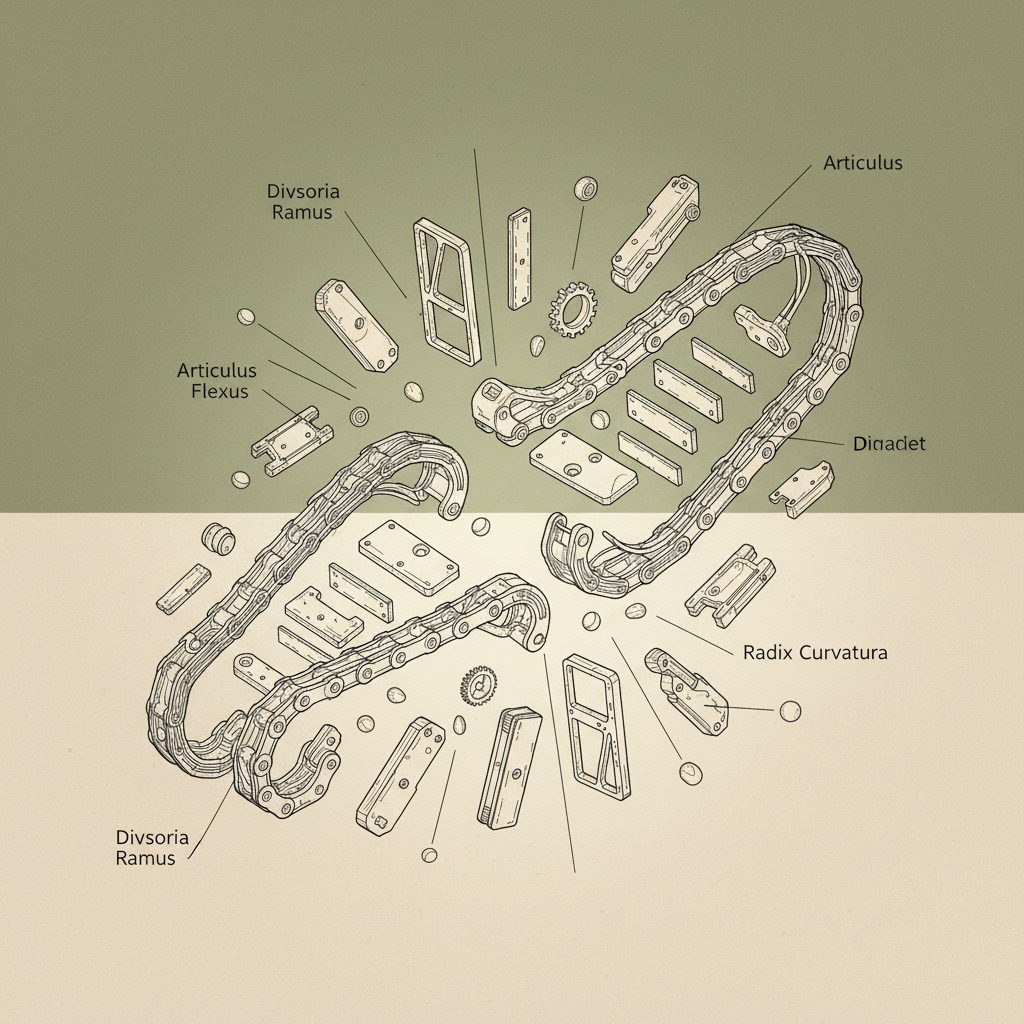
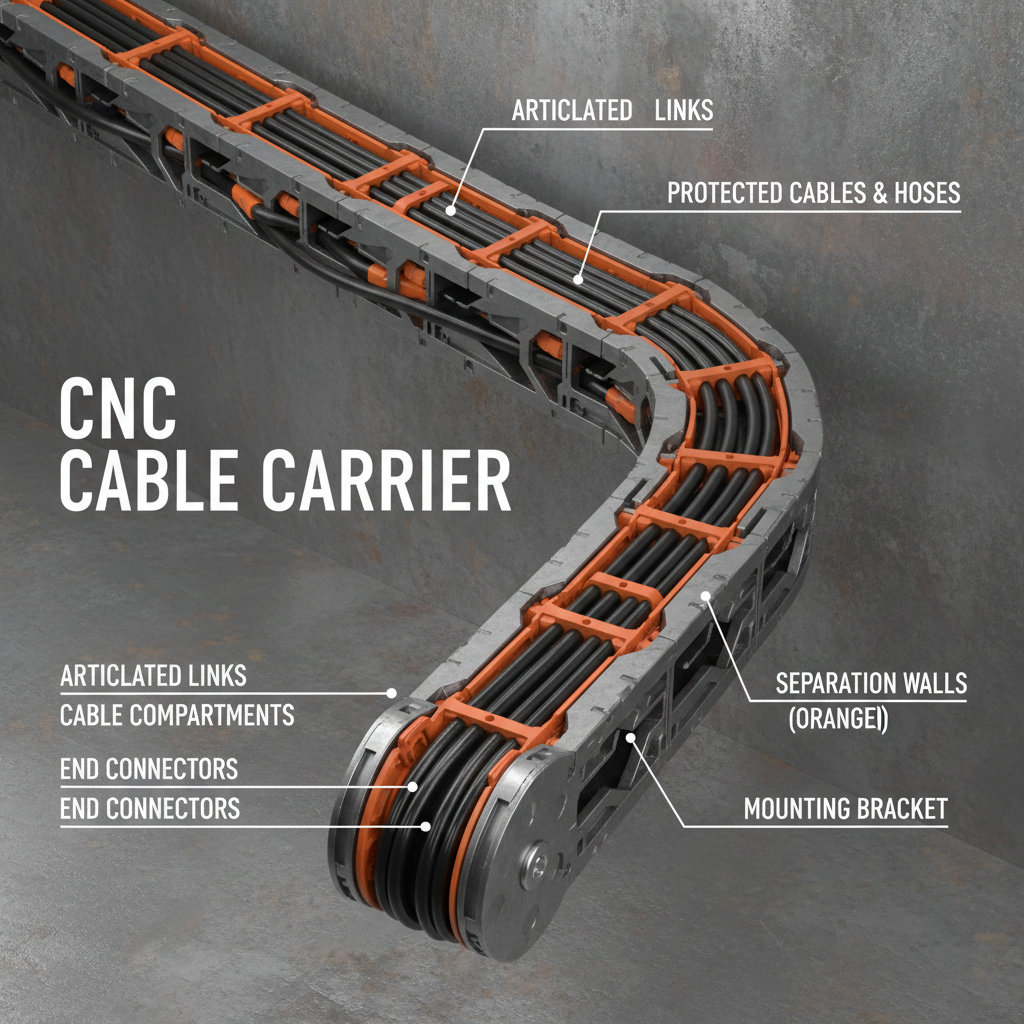
The construction of a cable carrier chain involves several key components working in harmony. These include the chain links themselves, typically made from high-strength polymers, which are interconnected to form a flexible yet robust structure. Internal separators can be added within the chain to segregate cables, preventing abrasion and ensuring organized routing.
End connectors and mounting brackets are essential for securely attaching the chain to the stationary and moving parts of the machinery. These connectors often incorporate strain relief features, reducing stress on the cables and extending their service life. The choice of material for each component depends heavily on the specific operating environment and application demands.
Furthermore, accessories such as cable clamps, guide rollers, and noise-dampening materials can be integrated to enhance the functionality and performance of the cable carrier chain system. The modular nature of these systems allows for customization, ensuring compatibility with a wide range of cable types and sizes.
Key Factors Influencing Cable Carrier Chain Performance
Durability is paramount when selecting a cable carrier chain, as it directly impacts the system’s longevity and reliability. Materials must withstand repeated flexing, extreme temperatures, and potential exposure to corrosive substances. Scalability is another critical factor, the ability to adapt the chain’s size and configuration to accommodate changes in cable requirements or machine design is essential.
Cost-efficiency should also be considered; while initial investment is important, the total cost of ownership, including maintenance and potential downtime, should be evaluated. Weight is a significant concern, particularly in applications where minimizing inertia is crucial, like high-speed robotics. Finally, ease of assembly and maintenance contributes to overall efficiency and reduces operational costs.
Cable Carrier Chain Performance Metrics
Global Applications and Use Cases
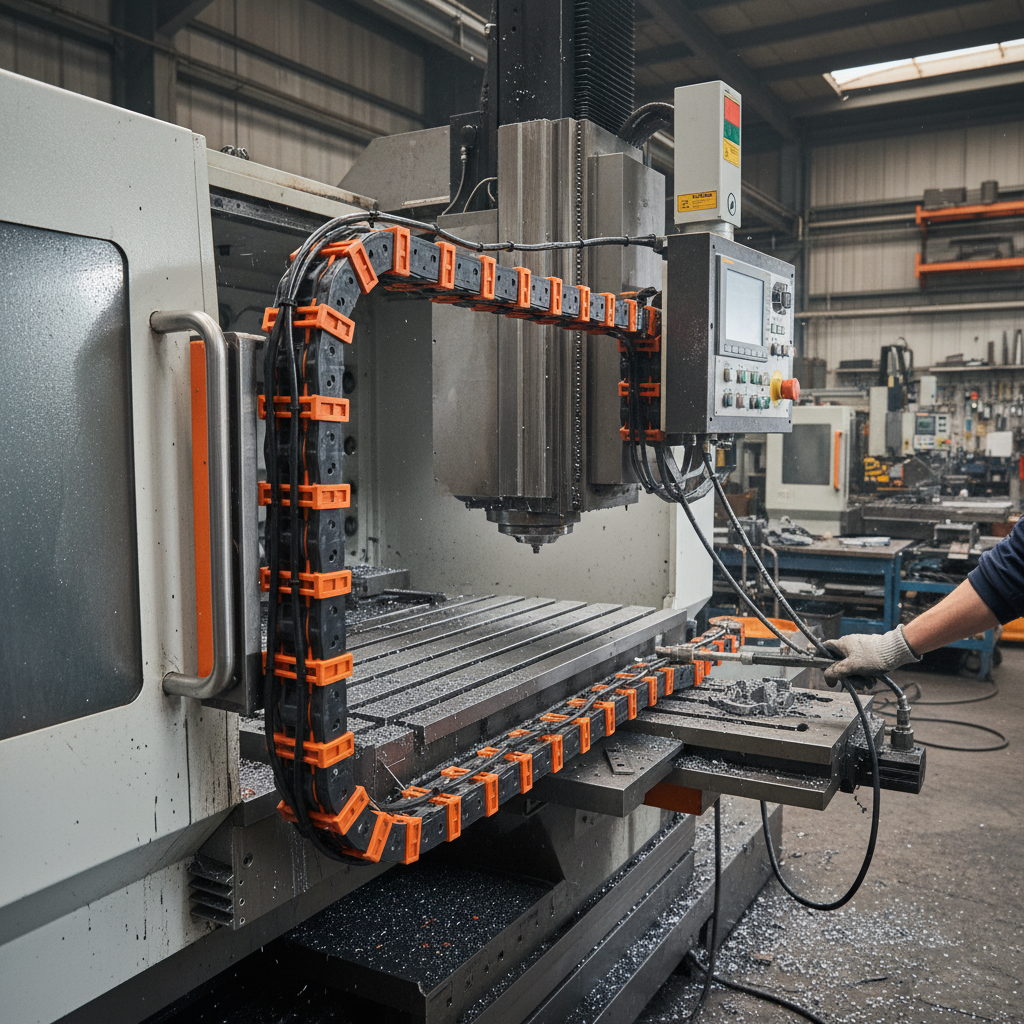
Cable carrier chain systems are prevalent in manufacturing facilities worldwide, supporting robotic arms, conveyor systems, and other automated equipment. In the automotive industry, they play a crucial role in assembly lines, protecting cables during the welding and painting processes. Aerospace utilizes these chains for aircraft maintenance and component testing.
Renewable energy sectors, like wind and solar power, employ cable carrier chain to manage cables within rotating wind turbine nacelles and tracking solar panel arrays. In post-disaster relief operations, portable power generation systems often incorporate cable carrier chains for reliable cable management in challenging environments.
Remote industrial zones, such as mining operations and offshore oil rigs, also rely on robust cable carrier chain solutions to ensure the continuous operation of vital equipment in harsh and demanding conditions. The adaptability of these systems allows for tailored solutions to meet the specific needs of each application.
Advantages and Long-Term Value
The implementation of a cable carrier chain significantly reduces downtime by preventing cable failures and minimizing maintenance requirements. This translates directly into cost savings and increased productivity. From a sustainability perspective, extending cable life reduces waste and lowers the environmental impact.
The improved safety provided by these systems also holds significant value. Encasing cables prevents accidental contact and reduces the risk of electrical hazards. The reliability and precision offered inspire trust in the operation of critical machinery, fostering confidence in the overall system.
Future Trends and Innovations
The future of cable carrier chain is linked to the broader trends of automation, digital transformation, and sustainability. We can anticipate the development of even more lightweight and durable materials, potentially utilizing advanced polymers and composite materials. Integration with smart sensors will enable real-time monitoring of cable health and predictive maintenance.
Increased focus on modularity and customization will allow for greater adaptability to evolving industrial needs. Furthermore, the adoption of energy-efficient designs and eco-friendly materials will align with growing environmental concerns and promote sustainable practices within the industry.
Challenges and Solutions
One common challenge is selecting the appropriate chain for specific applications, considering factors like load, speed, and environmental conditions. Incorrect selection can lead to premature failure and increased maintenance costs. A solution lies in utilizing specialized software and expert consultation to ensure optimal chain selection.
Another hurdle is dealing with complex cable routing configurations, particularly in tight spaces. Innovative chain designs with smaller bending radii and increased internal space are addressing this challenge. The implementation of 3D printing for custom chain components offers a promising avenue for addressing unique application requirements.
Finally, addressing concerns about noise generation, particularly in high-speed applications, is crucial. The development of noise-dampening materials and optimized chain link designs are effectively mitigating this issue.
Key Performance Indicators for Cable Carrier Chain Solutions
| Application Type |
Material Durability (Score 1-10) |
Maintenance Frequency (Days) |
Total Cost of Ownership ($) |
| Robotics |
9 |
180 |
500 |
| Conveyor Systems |
8 |
365 |
750 |
| Wind Turbines |
7 |
90 |
1200 |
| Medical Equipment |
10 |
365 |
600 |
| Automotive Assembly |
8 |
120 |
400 |
| Stage Technology |
6 |
60 |
300 |
FAQS
Cable carrier chains offer superior protection against wear and tear, reducing cable damage and downtime. They provide organized cable routing, enhancing safety and extending cable lifespan. Unlike free-hanging cables, chains prevent tangling and ensure consistent performance in dynamic applications, ultimately leading to lower maintenance costs and increased productivity.
Selecting the right chain involves considering factors like cable diameter, bending radius, travel speed, and environmental conditions. Consult manufacturer catalogs and utilize sizing tools to accurately determine the necessary chain width, height, and pitch. Expert advice can be invaluable for complex applications to ensure optimal performance and longevity.
Cable carrier chains are commonly made from polymers like polyamide (PA), polypropylene (PP), and polyethylene (PE). For harsh environments, such as those with extreme temperatures, chemicals, or UV exposure, specialized materials like high-temperature nylon or reinforced polymers are recommended to ensure durability and prevent degradation.
Regular inspection is crucial for identifying potential issues before they escalate. Inspect the chain links for wear, damage, and proper alignment. Lubricate the chain periodically to reduce friction and extend its lifespan. Replace worn components promptly to maintain optimal system performance and prevent costly downtime.
Yes, cable carrier chains are highly customizable. Manufacturers offer a wide range of options, including different chain widths, heights, materials, and internal separators. Customization can also include modifications to end connectors and mounting brackets to adapt to unique machine designs and application requirements.
Closed cable carrier chains offer superior protection against contamination, such as dust, dirt, and liquids, making them ideal for harsh environments. They also provide increased stability and noise reduction. Open chains are more cost-effective and allow for easy access to cables, but offer less protection and support.
Conclusion
In conclusion, cable carrier chain represents a critical enabling technology for modern automation and industrial processes. Its ability to safely and reliably manage moving cables and hoses contributes significantly to increased efficiency, reduced downtime, and enhanced safety in a vast range of applications. Understanding the core components, key performance factors, and future trends associated with these systems is essential for professionals across diverse industries.
Looking ahead, continued innovation in materials, designs, and integration with smart technologies will further solidify the role of cable carrier chain as a cornerstone of advanced machinery and automated systems. We encourage exploration of the possibilities offered by these technologies and invite you to visit our website at www.agilechains.com to learn more about how we can help you optimize your cable management solutions.

 FIND USHIGH-TECH ZONE
 CALL US TODAY
 EMAIL US NOW