Heavy duty drag chain systems are integral components in modern industrial automation and material handling, ensuring the safe and efficient transfer of power, data, and fluids. These robust chains are designed to withstand harsh environments and demanding applications, minimizing downtime and maximizing operational efficiency. Their increasing adoption across diverse industries highlights their crucial role in supporting global infrastructure and manufacturing processes. Understanding the intricacies of heavy duty drag chain is vital for engineers, technicians, and procurement specialists seeking to optimize system performance and longevity.
The global market for drag chains, particularly those categorized as heavy duty, is experiencing significant growth driven by the expansion of automated manufacturing, robotics, and the increasing need for reliable cable and hose management in complex machinery. This growth is particularly pronounced in emerging economies experiencing rapid industrialization. Data from the World Bank and ISO standards demonstrate a clear correlation between industrial output and the demand for robust drag chain solutions, indicating its position as a foundational element in modern industrial infrastructure.
Challenges such as harsh operating conditions, the need for continuous operation, and the prevention of cable damage are effectively addressed by implementing high-quality heavy duty drag chain systems. They represent a pivotal advancement in optimizing industrial processes, offering superior protection and prolonged operational life compared to traditional cable management methods.
The Importance of Heavy Duty Drag Chain
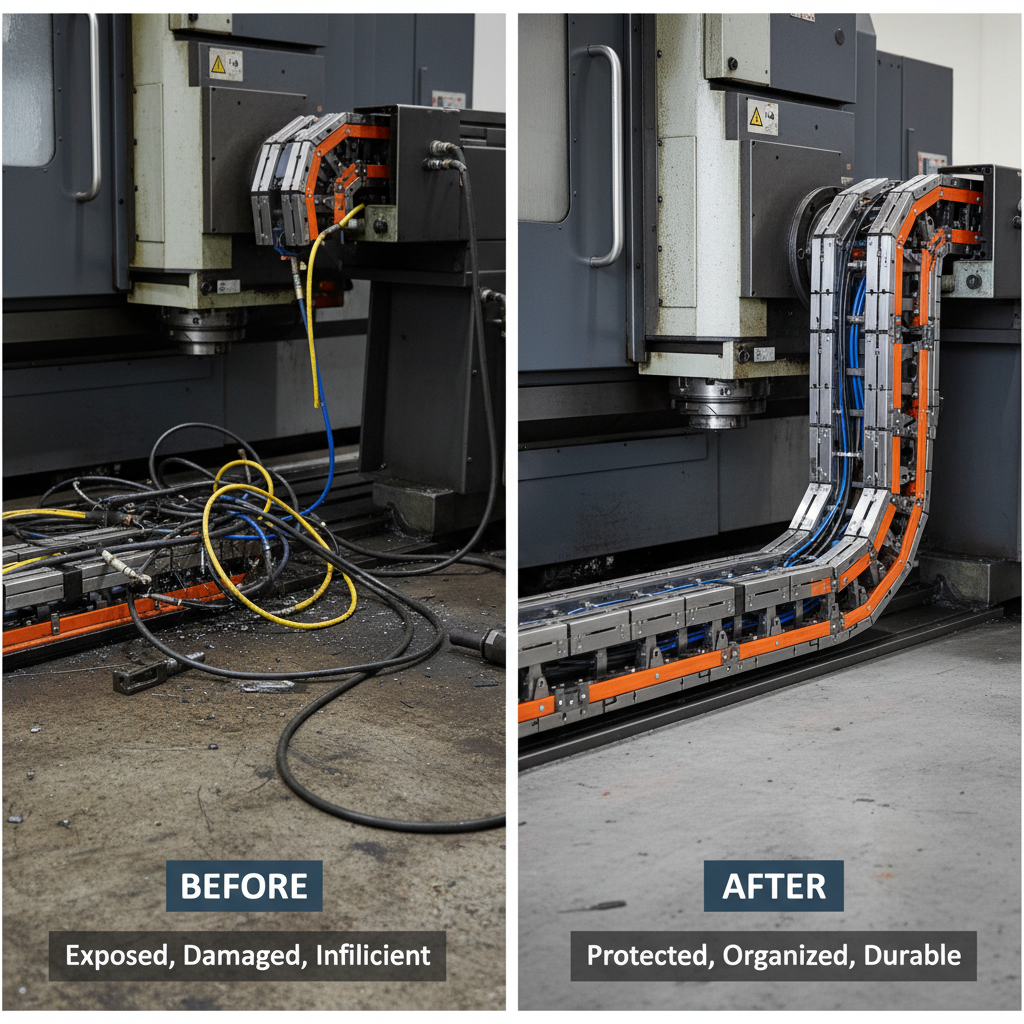
Heavy duty drag chain plays a critical role in protecting sensitive cables and hoses within dynamic industrial environments. By encapsulating and guiding these essential components, drag chains prevent wear, abrasion, and damage caused by constant movement and exposure to contaminants. This not only extends the lifespan of cables and hoses but also ensures the continued operation of crucial machinery, reducing costly downtime and improving overall productivity.
The implementation of a robust heavy duty drag chain system demonstrates a commitment to reliability and safety. Properly selected and maintained drag chains minimize the risk of equipment failure, protect personnel from potential hazards, and contribute to a more efficient and sustainable industrial operation.
Understanding Heavy Duty Drag Chain
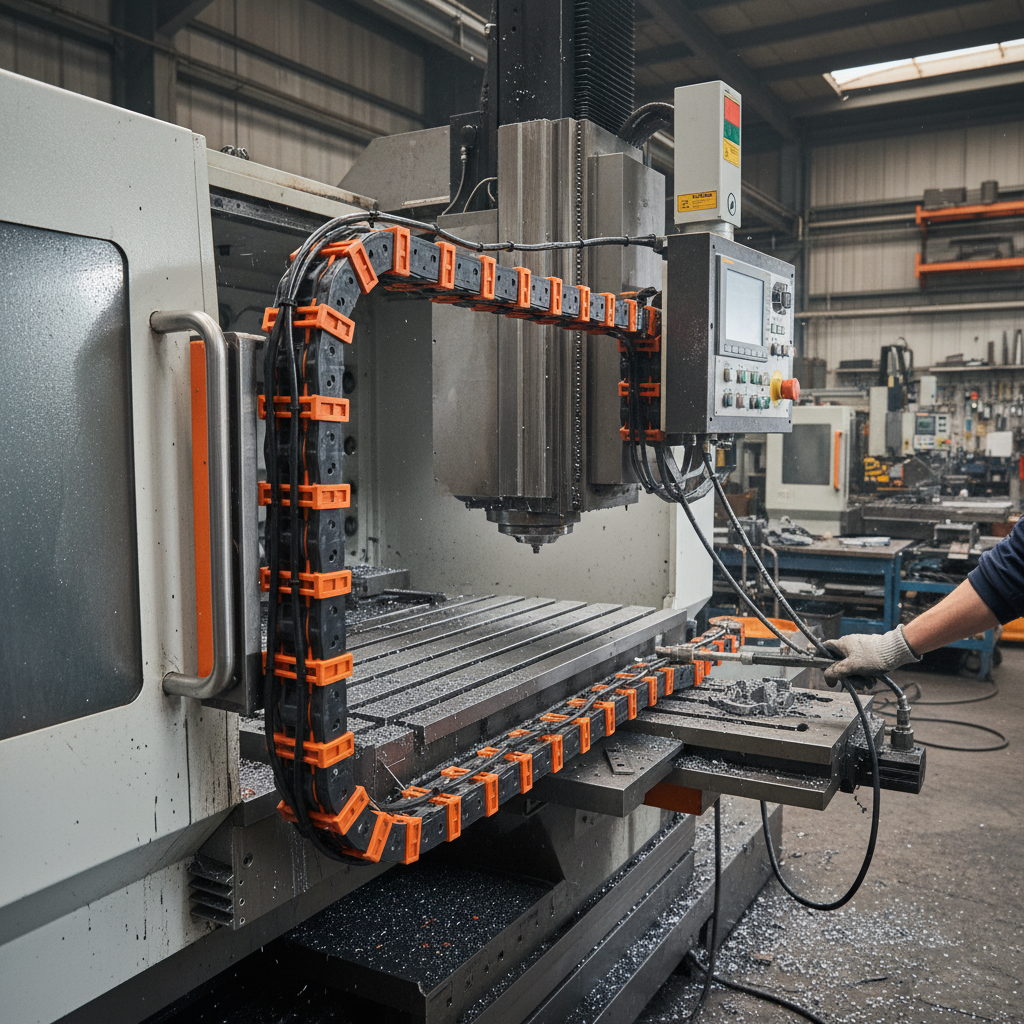
Heavy duty drag chain, at its core, is an engineered system designed to support and guide cables, hydraulic hoses, pneumatic lines, and other vital components in applications involving reciprocating motion. Unlike simple cable carriers, heavy duty versions are constructed from high-strength materials and engineered to withstand significantly greater loads, speeds, and environmental stressors. They are specifically designed for demanding applications such as robotics, CNC machinery, and material handling systems.
The connection between heavy duty drag chain and modern industry is inseparable. Modern automation, requiring continuous movement and complex cable routing, wouldn’t be feasible without these protective systems. They ensure that critical infrastructure—the nervous system of automated machines—remains intact and operational, facilitating increased efficiency and productivity in diverse manufacturing processes.
Beyond manufacturing, the relevance extends to humanitarian efforts. In rapid deployment scenarios, such as setting up field hospitals or disaster relief operations, heavy duty drag chain can facilitate quick and reliable power and data connections for essential medical and communication equipment.
Core Components of Heavy Duty Drag Chain Systems
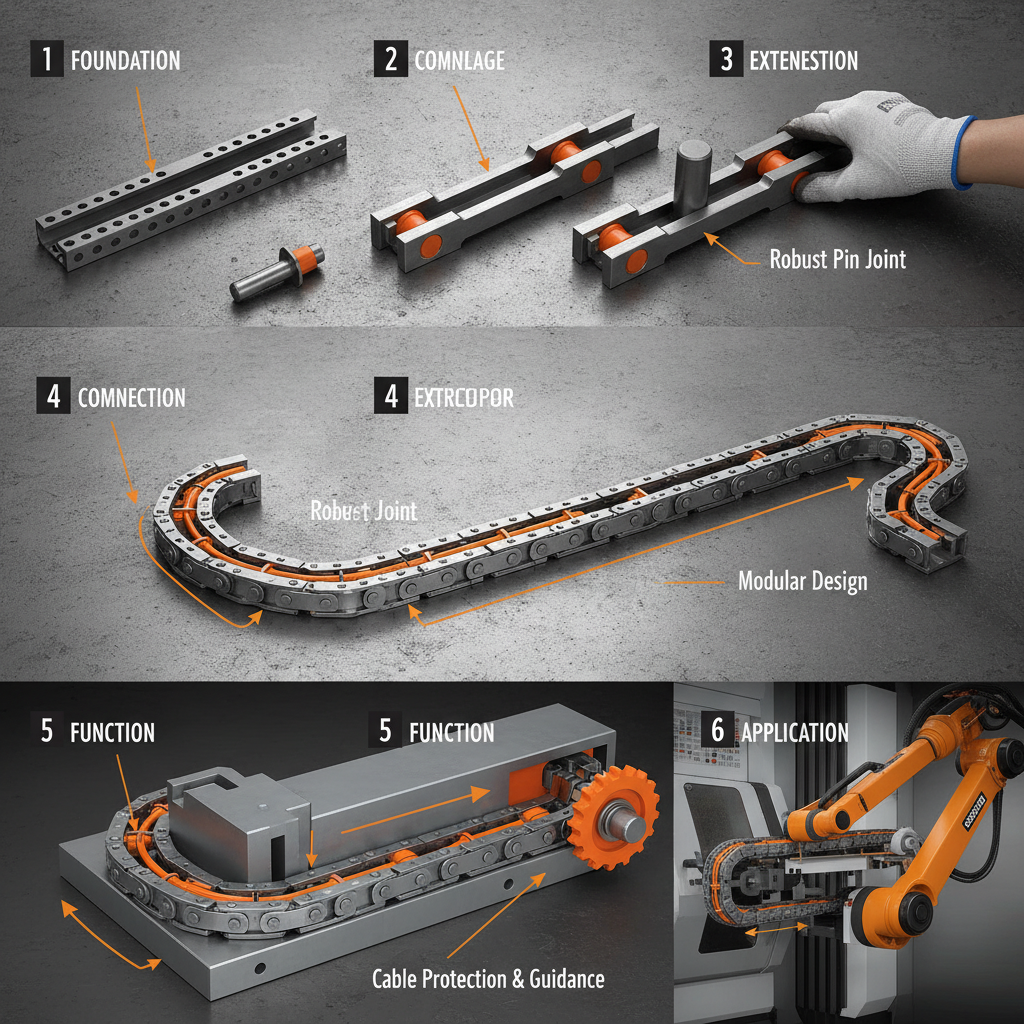
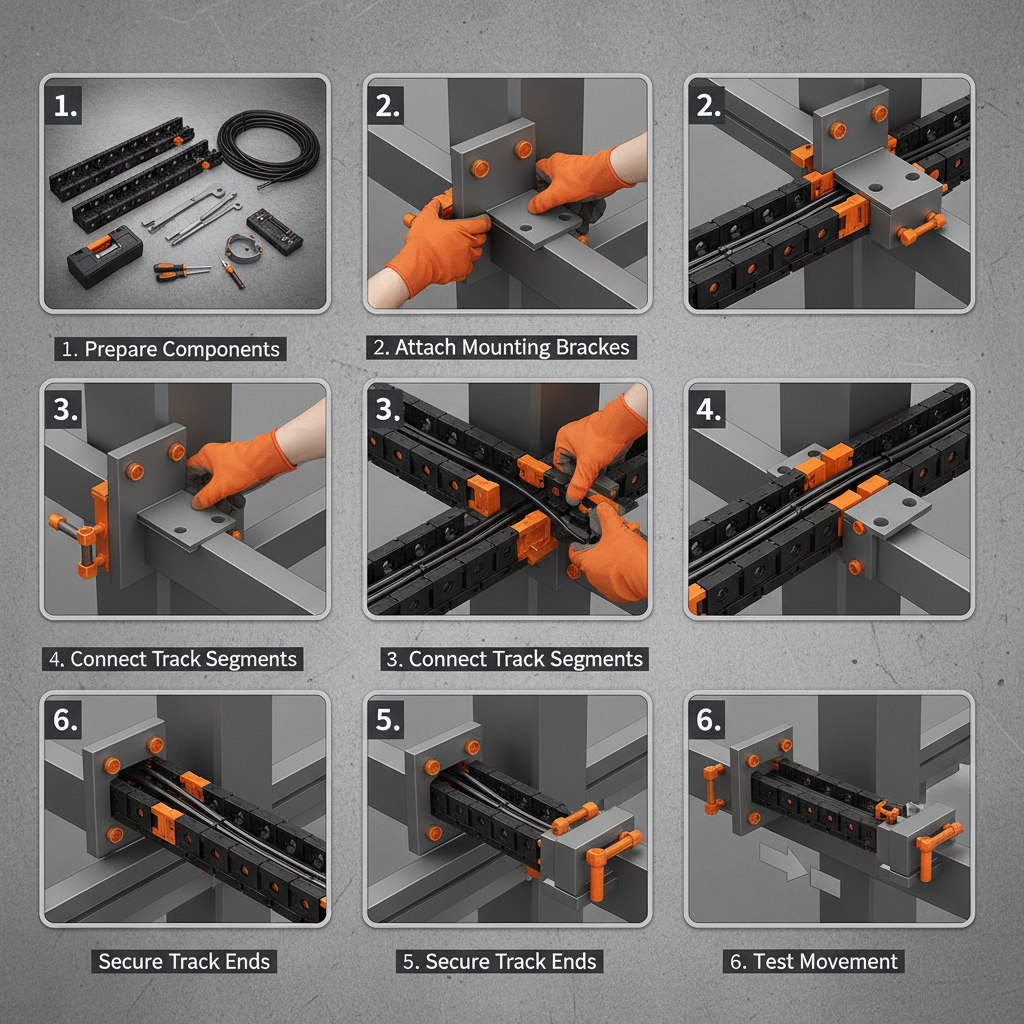
A typical heavy duty drag chain system comprises several key components. These include the chain links themselves, typically constructed from high-strength polymers or metals, as well as mounting brackets, chain connectors, and optional accessories like noise dampeners and cable separation elements. The material selection is crucial, dictating the system’s resistance to abrasion, corrosion, and extreme temperatures.
The design of the chain links is another critical aspect. Heavy duty drag chains often employ a closed-link design for enhanced cable protection and stability. Furthermore, the internal geometry of the links is optimized to maximize space for cables and hoses while minimizing bending radii, preventing damage to the enclosed components. Different styles—such as fully enclosed, semi-enclosed, and open designs—cater to various application requirements.
Finally, the quality of the connectors and mounting hardware is paramount. These components must securely hold the chain in place and withstand the dynamic stresses of operation. Properly selected connectors ensure a smooth and reliable chain movement, while robust mounting brackets prevent vibration and minimize wear.
Key Performance Factors in Heavy Duty Drag Chain
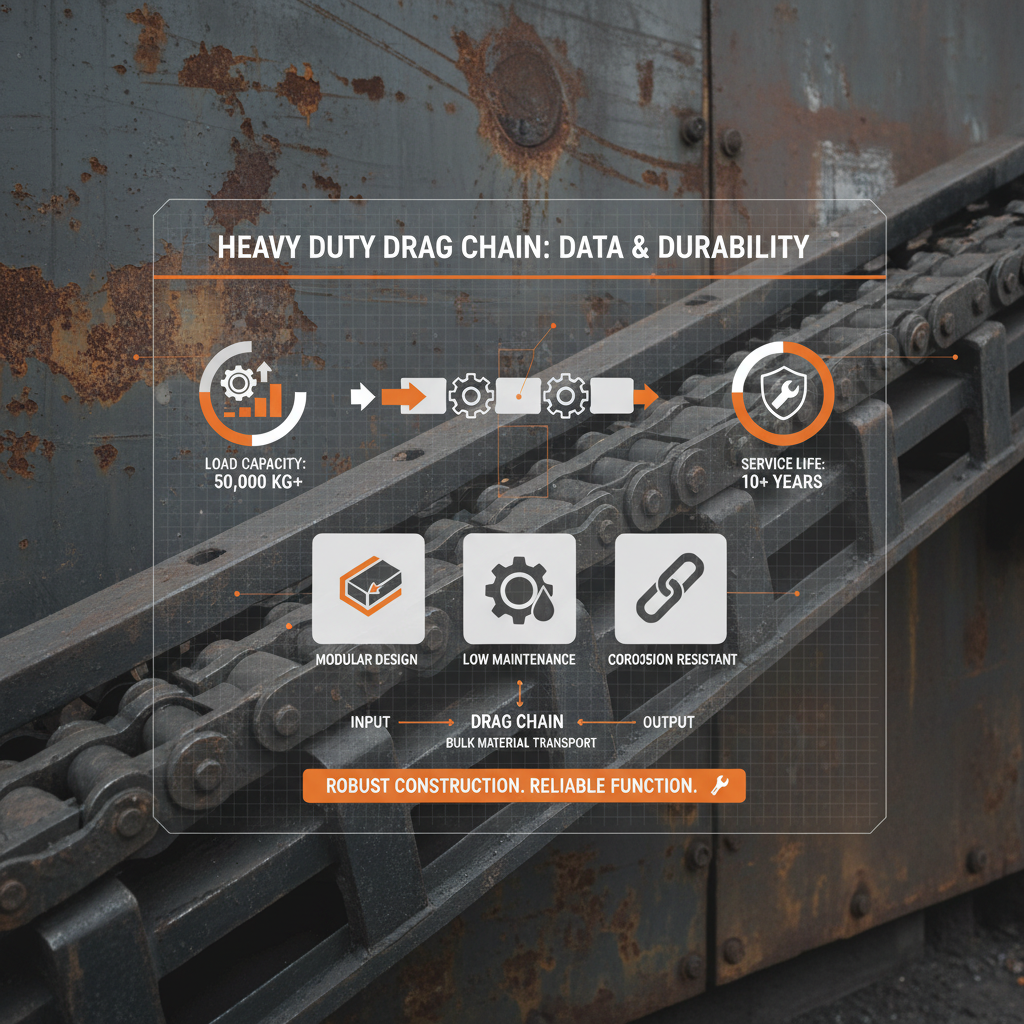
Several factors dictate the performance and longevity of a heavy duty drag chain system. Durability is paramount, requiring materials capable of withstanding repetitive bending, high loads, and harsh environmental conditions. Proper load capacity, calculated based on the weight and volume of the enclosed cables and hoses, is essential to prevent chain failure.
Another critical factor is speed and acceleration. Heavy duty drag chains must be able to accommodate the dynamic movements of the machinery they serve without experiencing excessive wear or cable damage. Careful consideration must be given to the chain's bending radius and the velocity of movement to ensure optimal performance.
Heavy Duty Drag Chain Performance Metrics
Global Applications and Industries Served
Heavy duty drag chain finds application across a vast spectrum of industries. In manufacturing, it’s essential for robotics, CNC machines, and automated assembly lines. The automotive industry utilizes it extensively in vehicle manufacturing and testing processes. Material handling equipment, such as cranes and hoists, also rely on heavy duty drag chain to manage power and control cables.
Beyond these core sectors, its implementation extends to the aerospace, medical, and energy industries. In post-disaster relief operations, portable generators and communication systems equipped with heavy duty drag chain provide rapid and reliable power and data connectivity. In remote industrial zones, the durability and reliability of these systems are crucial for maintaining operational efficiency.
Long-Term Value and Benefits
Investing in high-quality heavy duty drag chain offers substantial long-term value. Tangible benefits include reduced downtime, minimized cable and hose replacement costs, and increased operational efficiency. By protecting sensitive components from damage, drag chains prevent costly repairs and production delays. This translates into significant cost savings over the system's lifespan.
Beyond financial considerations, the use of heavy duty drag chain enhances safety and reliability. A properly implemented system minimizes the risk of electrical shorts, mechanical failures, and personnel injuries. The peace of mind that comes with a robust and reliable cable management solution contributes to a more secure and productive working environment.
Future Trends and Innovations
The future of heavy duty drag chain is poised for innovation, driven by advancements in materials science and automation technology. Emerging trends include the development of lightweight, high-strength materials like carbon fiber reinforced polymers, offering increased durability and reduced weight. Furthermore, the integration of smart sensors and predictive maintenance capabilities will enable proactive monitoring of chain performance and early detection of potential failures.
Another key trend is the development of modular and configurable drag chain systems, allowing for greater flexibility and customization to meet specific application requirements. The increasing focus on sustainability is also driving demand for eco-friendly materials and manufacturing processes. Innovations in these areas will continue to enhance the performance, reliability, and longevity of heavy duty drag chain systems.
These evolutions align with broader shifts towards Industry 4.0, incorporating elements like the Industrial Internet of Things (IIoT) and digital twins to optimize system performance and streamline maintenance procedures, strengthening the position of heavy duty drag chain within the next generation of automated systems.
FAQS
When selecting a heavy duty drag chain, consider the application's load capacity, speed, acceleration, operating temperature, and environmental conditions. Material compatibility with cables and hoses is crucial. The chain’s internal width and height must accommodate the dimensions of the components being protected. Also, consider the mounting requirements and available space. Choosing the right chain ensures optimal performance and longevity.
Regular inspection is vital. Visually inspect the chain for signs of wear, damage, or deformation at least monthly. Check the chain connectors for tightness and lubricate the chain links periodically, following manufacturer recommendations. Address any issues promptly to prevent more significant problems. Proper maintenance extends the life of the drag chain and ensures reliable operation.
Closed-design heavy duty drag chains offer superior protection against contaminants such as dust, dirt, and liquids. This is particularly important in harsh industrial environments. They also provide increased stability and prevent cables from protruding, minimizing the risk of damage. The enclosed design enhances safety and prolongs the lifespan of the enclosed cables and hoses.
Yes, heavy duty drag chains are designed to accommodate both power and control cables, as well as hydraulic and pneumatic hoses. However, it's crucial to ensure proper cable separation within the chain to prevent electromagnetic interference. Utilize cable separators or dividers to maintain adequate spacing and minimize potential signal degradation.
A well-maintained heavy duty drag chain can last for several years, often exceeding five to ten years, depending on the application and operating conditions. Regular inspection, lubrication, and prompt repair of any damage are crucial for maximizing its lifespan. High-quality materials and proper installation also contribute to longevity.
Calculating the correct size involves determining the total cross-sectional area of all the cables and hoses that will be enclosed. Add a safety factor of at least 30-50% to ensure sufficient space for movement and prevent cable stress. Consult manufacturer’s sizing guides or contact a drag chain specialist for assistance with complex applications.
Conclusion
Heavy duty drag chain systems are indispensable components in modern industrial automation and material handling. Their ability to protect sensitive cables and hoses, minimize downtime, and enhance safety makes them a crucial investment for businesses across diverse sectors. Understanding the core principles of drag chain design, material selection, and maintenance is key to maximizing their performance and longevity, ultimately contributing to increased productivity and reduced operational costs.
Looking ahead, continued innovation in materials science and smart technologies will further enhance the capabilities of heavy duty drag chain systems. Embracing these advancements will enable businesses to optimize their operations, reduce their environmental impact, and remain competitive in an increasingly demanding global marketplace. To explore the best solutions for your specific needs, visit our website: www.agilechains.com

 FIND USHIGH-TECH ZONE
 CALL US TODAY
 EMAIL US NOW