-
 FIND USHIGH-TECH ZONE
 -
 CALL US TODAY
 -
 EMAIL US NOW
The world of automation and precision engineering heavily relies on robust and reliable component management. cnc cable drag chain systems are integral to this, offering a vital pathway for power and data cables within CNC machines and other automated equipment. Their importance extends beyond simple cable routing; they contribute significantly to machine uptime, operational safety, and overall efficiency. As industries become increasingly reliant on sophisticated automation, the demand for high-quality and adaptable cnc cable drag chain solutions continues to grow.
Globally, the manufacturing sector is undergoing a rapid transformation driven by Industry 4.0 principles. This shift demands flexible, interconnected systems, and cnc cable drag chain provide the essential infrastructure for this connectivity. The market for these chains is expanding, influenced by factors such as the increasing adoption of robotics, the growing complexity of CNC machinery, and the need for continuous operational improvement. Data from the International Federation of Robotics indicates a consistent rise in robot density across manufacturing industries, directly correlating with the demand for efficient cable management solutions.
Addressing challenges related to cable wear, tear, and potential damage is paramount. Traditional methods of cable routing often lead to downtime and costly repairs. cnc cable drag chain offer a dynamic and protective solution, streamlining maintenance procedures and enhancing the longevity of critical infrastructure. This results in reduced operational costs and increased productivity for businesses worldwide.
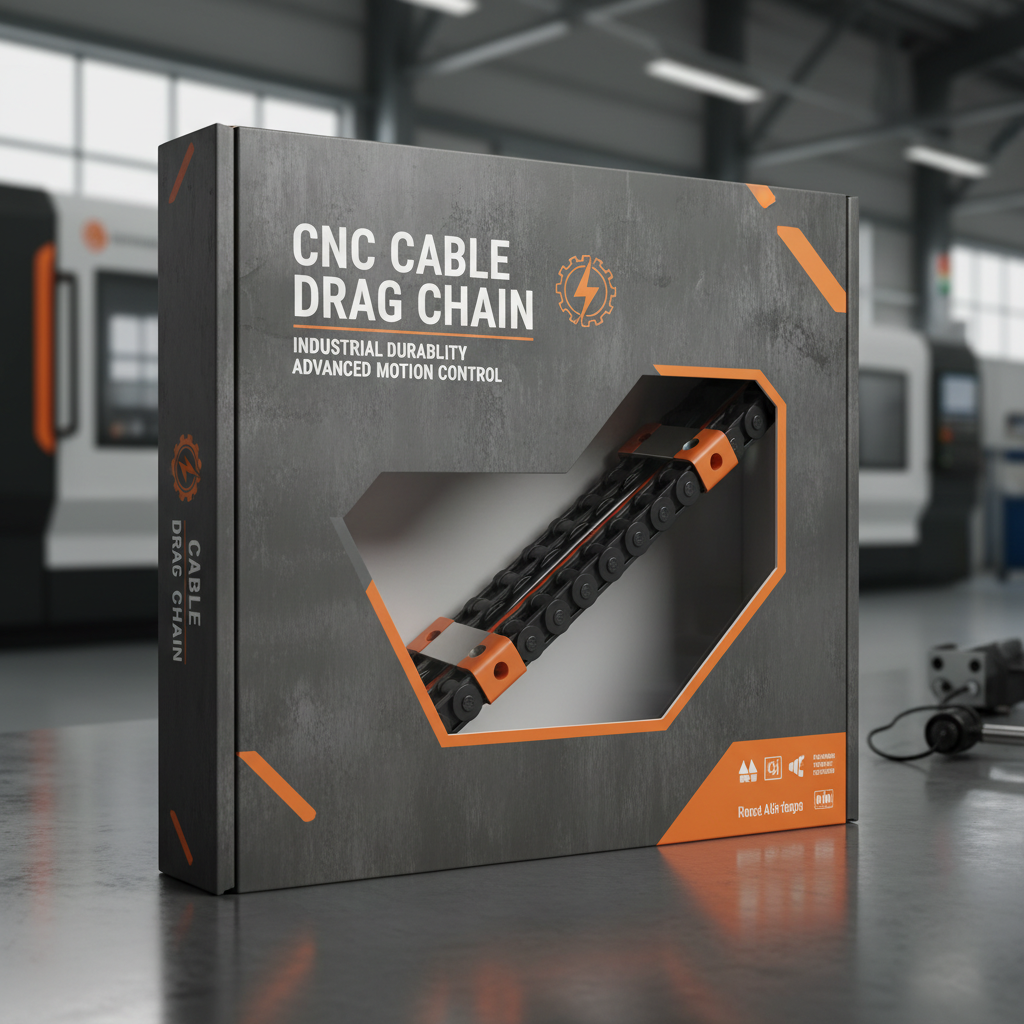
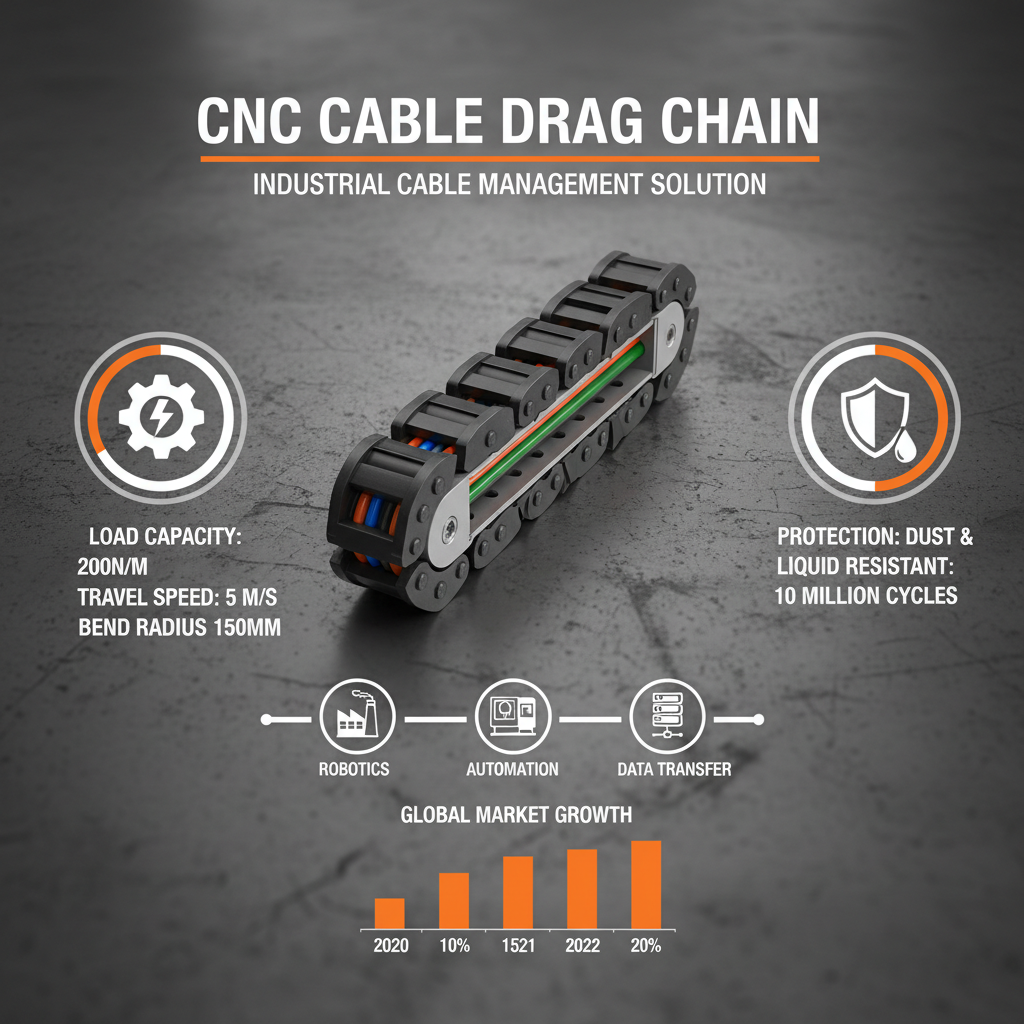
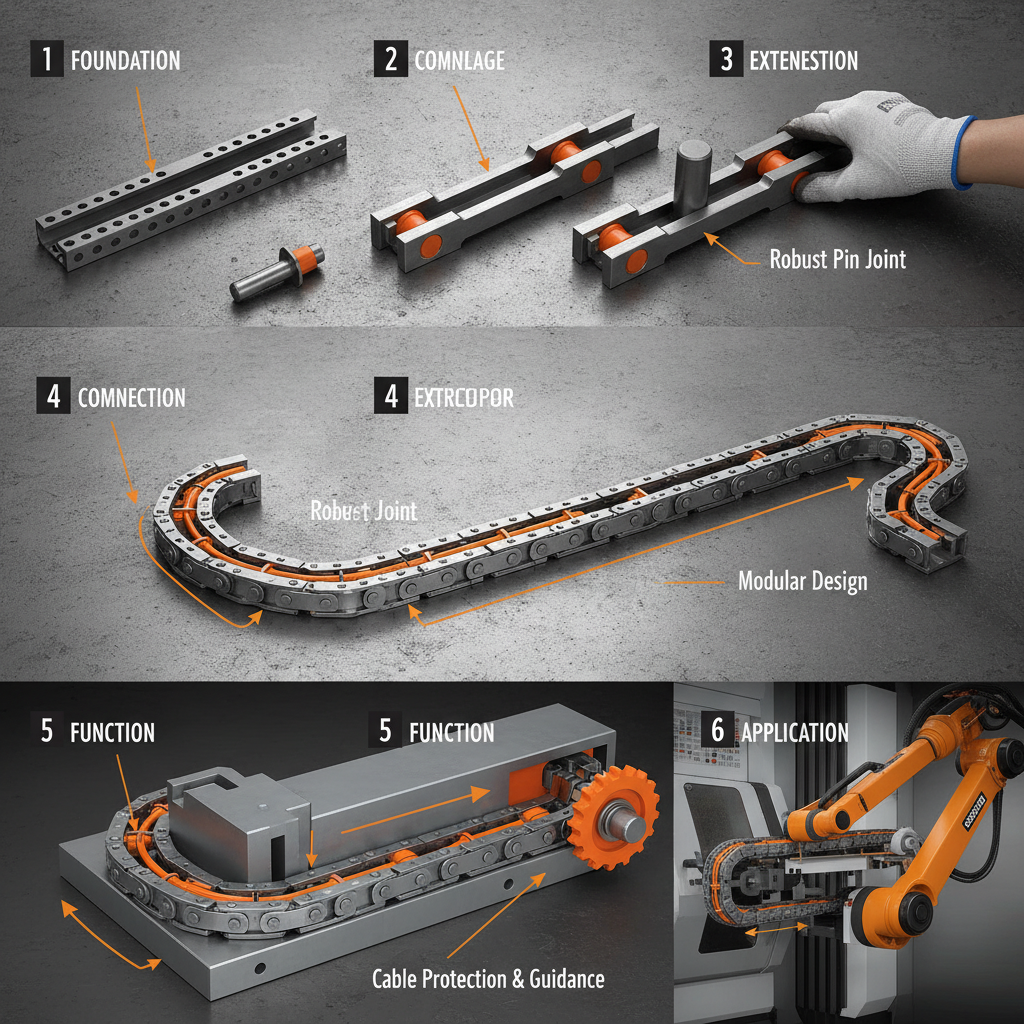
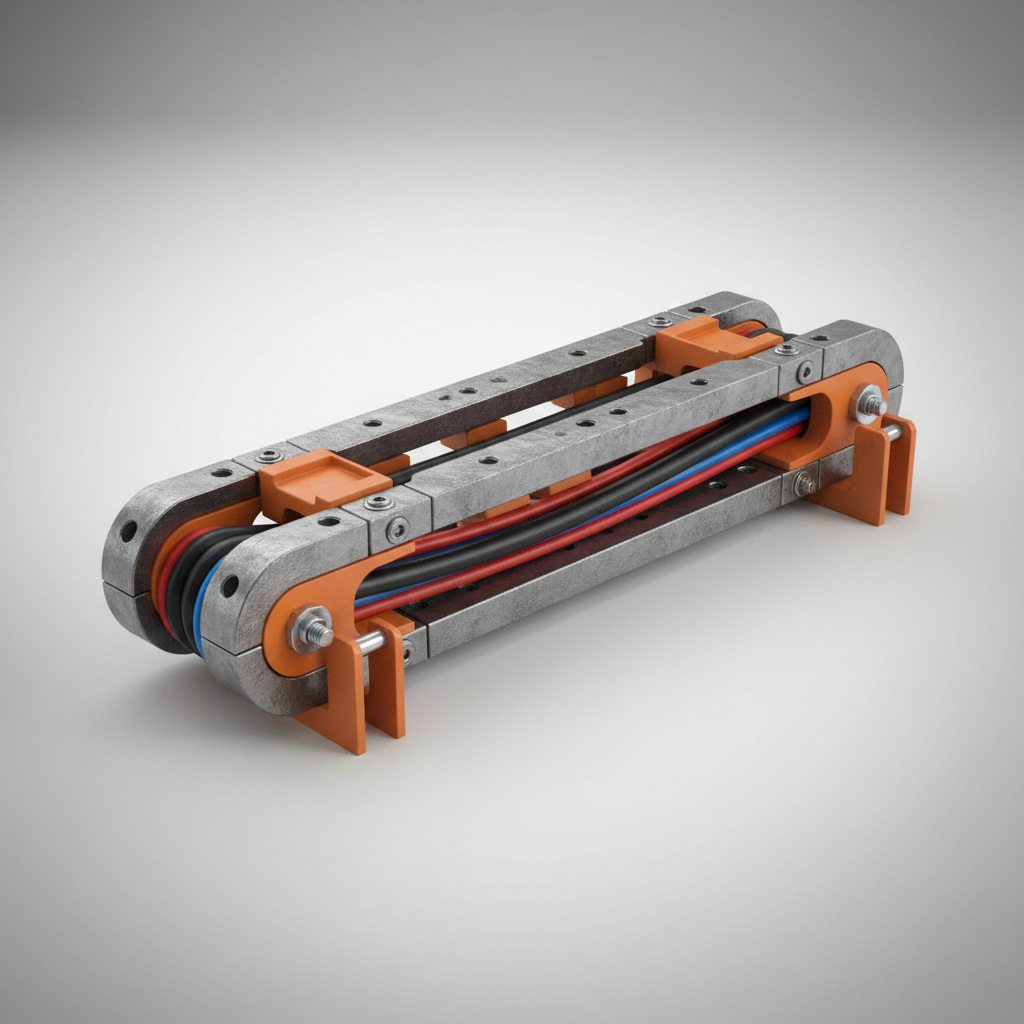
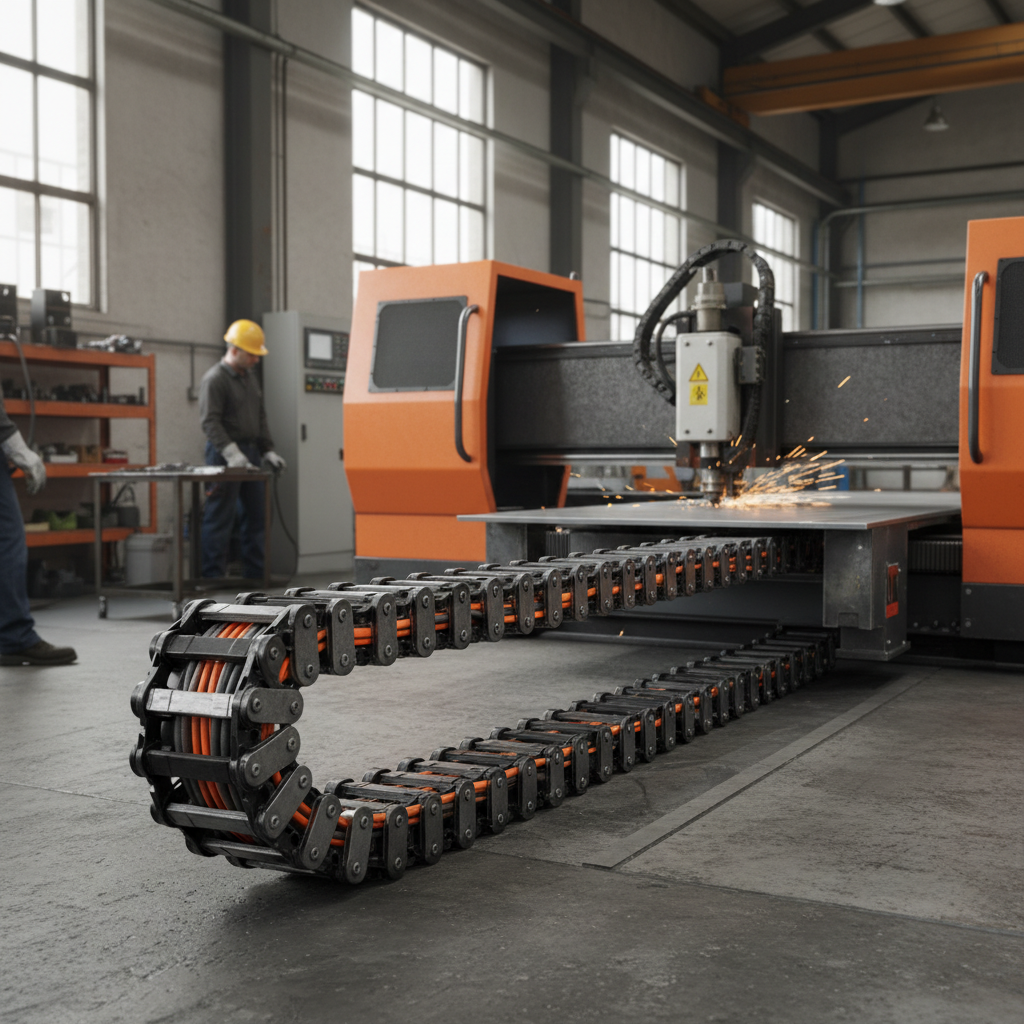
cnc cable drag chain, also known as energy chains or cable carriers, are fundamental components in modern automated machinery. They provide organized and protected pathways for moving electrical, pneumatic, and hydraulic cables and hoses, connecting stationary and moving parts of equipment. Their primary function is to prevent cable entanglement, wear, and damage caused by continuous bending and motion.
The efficient operation of CNC machines, robotic arms, and other automated systems depends on the uninterrupted flow of power and data. cnc cable drag chain guarantee this reliability by minimizing downtime associated with cable failures and simplifying maintenance procedures. Selecting the right chain type and configuration is critical to ensure optimal performance and longevity in specific applications.
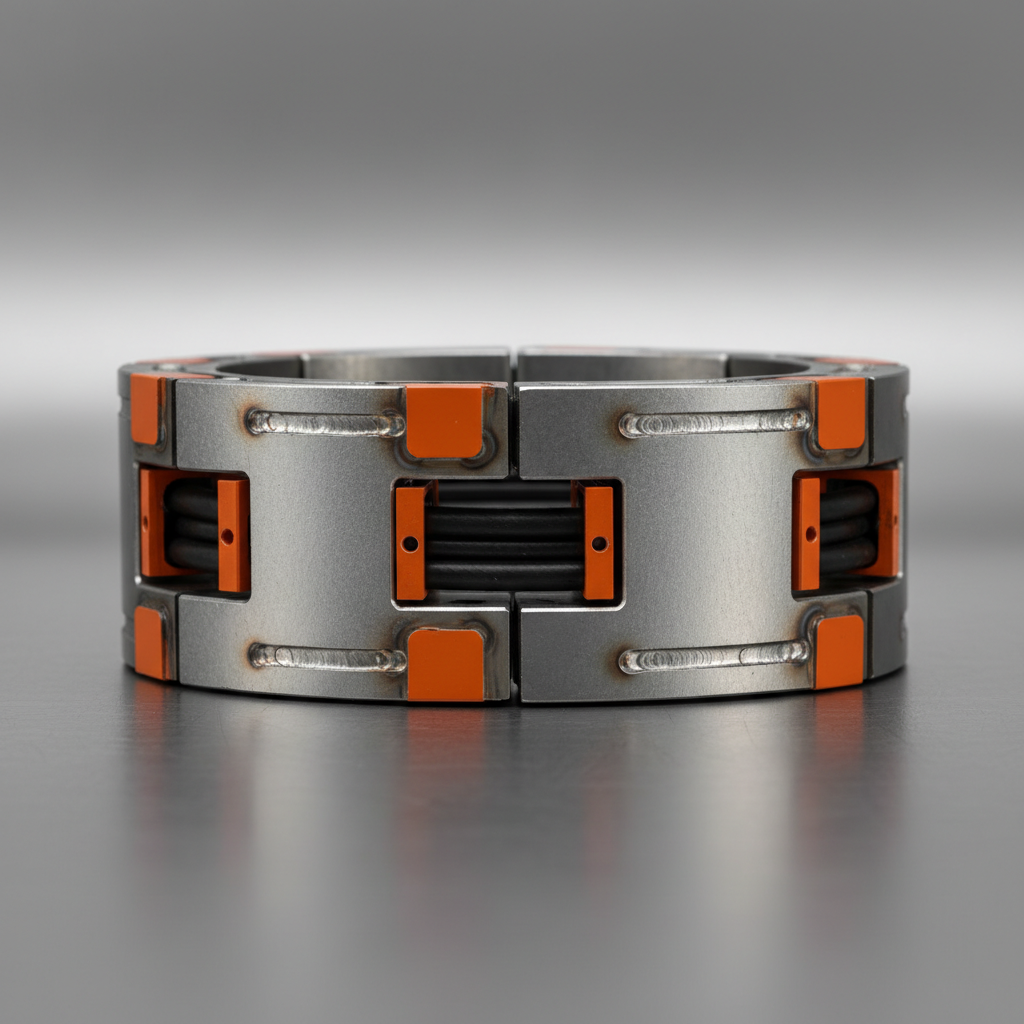
Open-type chains feature links that allow for easy access to cables for installation or maintenance, while closed-type chains offer greater protection against debris and harsh environments. Open chains are generally more cost-effective and simpler to modify, but closed chains provide superior shielding and safety. The selection depends on the specific application and its environmental demands.
Determining the correct size involves calculating the total cross-sectional area of all cables and hoses that will be housed within the chain. A general rule of thumb is to fill the chain to approximately 30-40% capacity to allow for bending and movement. Consider the bending radius of the cables and the available space in your machine.
Common materials include polypropylene (PP), polyethylene (PE), polyamide (PA), and PVC. PP offers good chemical resistance and low cost, but lower strength. PE provides excellent flexibility and impact resistance. PA offers high strength and temperature resistance but can be more expensive. PVC is cost-effective and offers good insulation but is less durable.
Proper installation involves ensuring the chain is adequately supported, avoiding sharp bends that could damage cables, and correctly securing the end connectors. The chain should be able to move freely without obstruction. It’s crucial to consider the travel distance and bending radius during installation.
Regular inspection is key to identifying potential issues. Check for wear and tear on the chain links, proper cable fill, and smooth movement. Lubrication may be required depending on the environment and chain material. Replace damaged links promptly to prevent further issues.
Yes, but careful consideration must be given to cable separation and shielding. Power cables and control signals should be segregated within the chain to minimize electromagnetic interference (EMI). Using shielded cables and appropriate separators is recommended to ensure signal integrity and prevent electrical noise.
In conclusion, cnc cable drag chain are indispensable components in modern automated systems, offering a robust and reliable solution for cable management. Their benefits extend beyond simple organization, encompassing enhanced safety, reduced downtime, and increased operational efficiency. Understanding the various types, materials, and key factors influencing selection is crucial for engineers and technicians looking to optimize the performance of their machinery.
Looking ahead, the future of cnc cable drag chain lies in the integration of smart technologies, the development of lightweight materials, and the pursuit of increasingly modular and customizable designs. Embracing these innovations will be essential for meeting the evolving demands of Industry 4.0 and ensuring the continued reliability and performance of automated systems. Visit our website at www.agilechains.com to learn more.