-
 FIND USHIGH-TECH ZONE
 -
 CALL US TODAY
 -
 EMAIL US NOW
Look, I’ve been running around construction sites all year, covered in dust, smelling of concrete and steel. Honestly, everyone's talking about prefabrication these days. It’s not new, mind you, but the push for faster builds and tighter budgets… it's really taking off. They’re trying to move more and more of the work into the factory, which means less reliance on skilled labor on site, fewer delays due to weather, the whole nine yards. But it's a lot more complicated than just slapping parts together.
I tell you what, I’ve seen so many designs fall apart because someone got too cute with the details. You think you're being clever, optimizing for weight or cost, and then suddenly you've got a connection that won’t hold, or a part that's impossible to assemble without a specialized tool. Have you noticed how architects love to specify these fancy, minimalist connectors? Beautiful on paper, an absolute nightmare in the field.
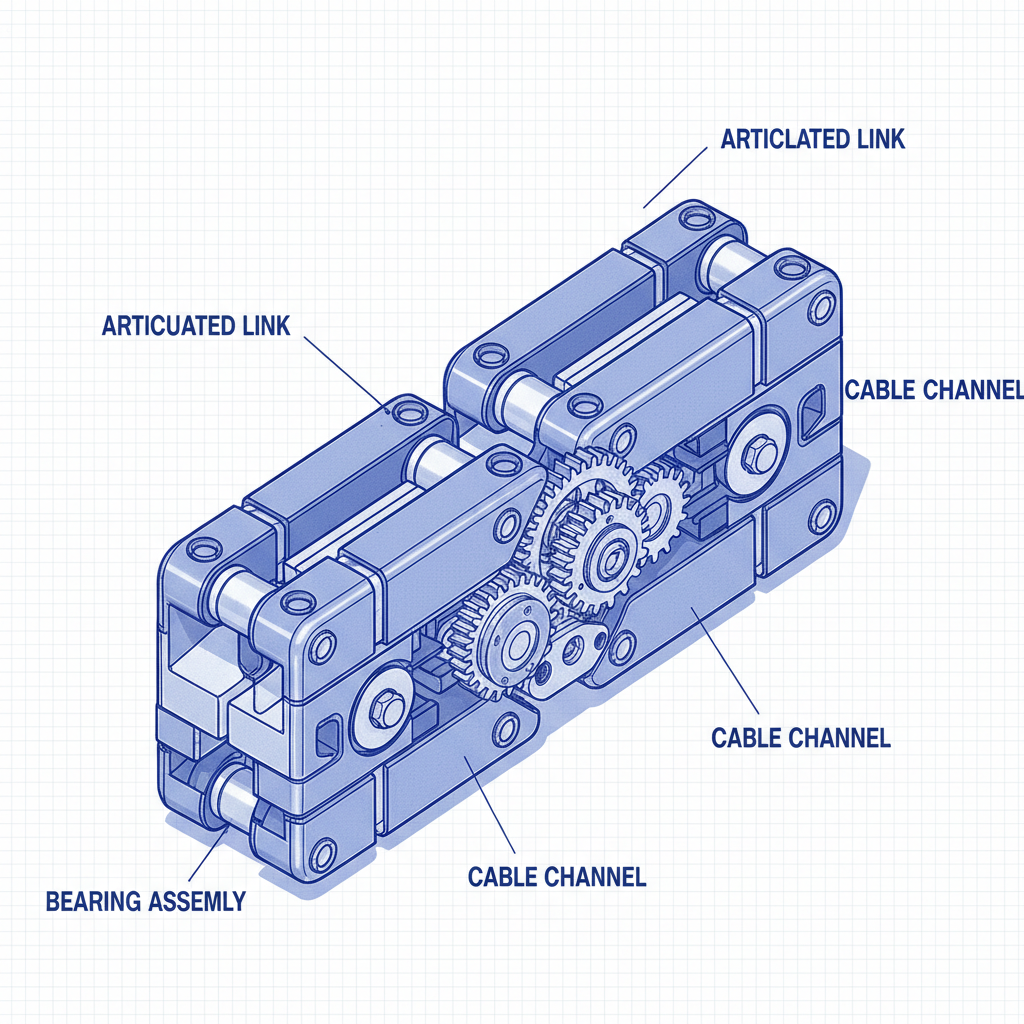
Anyway, what we’re talking about here, really, is the heart of it all: the drag chain. It’s not glamorous, but it's essential. You wouldn’t believe the abuse these things take. We’re using a lot of high-density polyethylene (HDPE) right now, mostly because it’s tough and holds up pretty well to UV exposure. Feels kinda waxy when you handle it, slight plastic smell. Not the worst. Used to be all PVC, but that stuff gets brittle in the cold, cracks like an eggshell. And the steel ones… well, they rust. Quickly.


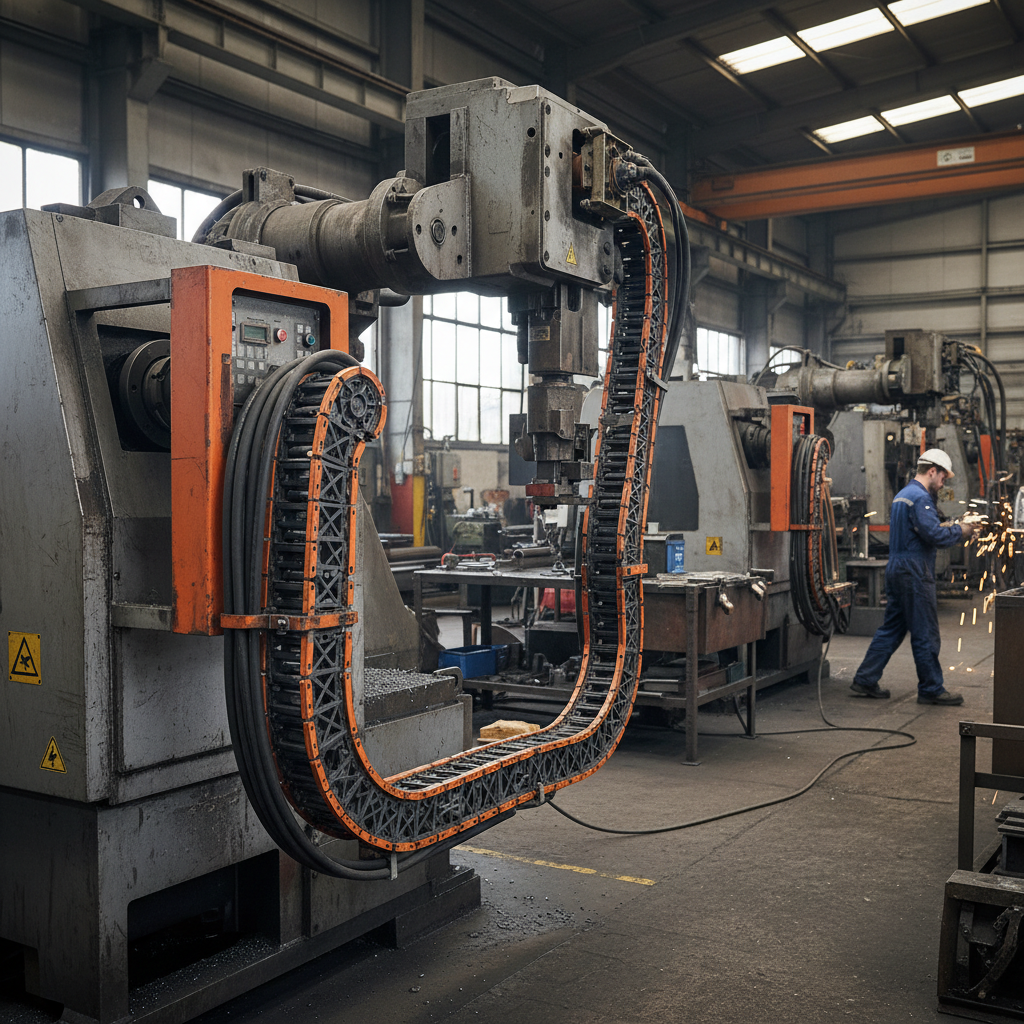
I was at a factory in Suzhou last time, huge operation building modular bathrooms. They were using a ton of drag chain to manage the wiring and hoses during assembly. Everything’s moving – robotic arms welding, spray painting, cable routing – and that chain is keeping it all organized. It’s a simple thing, but if it fails, the whole line grinds to a halt.
The trend is clear: more automation, more complex setups, and therefore, more demand for robust and reliable drag chains. They're getting bigger, more flexible, and specialized for different applications. It's not just about carrying wires anymore; it’s air lines, water lines, even small tooling.
Honestly? They go for the cheapest option. It looks good on paper, but it falls apart quickly. You end up spending more money replacing it than you would have if you'd just bought a quality chain to begin with. Consider the application, the environment, and the expected lifespan – don't just focus on the upfront cost. A good rule of thumb is to check the bending radius specifications. If it looks too tight, it probably is.
You need to calculate the total cross-sectional area of all the cables, hoses, and other components you're going to be routing through it. Then, you want to choose a chain that has at least 30% more space than that. It's better to have too much room than not enough. Also, consider the bending radius; a tighter radius requires a larger chain. There are online calculators, but honestly, experience is the best teacher.
It depends on the damage. If it’s just a cracked link, you can sometimes replace it with a spare. But if the chain is severely damaged or the pins are bent, it’s usually better to replace the whole thing. Trying to repair it can be a false economy; it might fail later, causing more damage and downtime. Time is money, you know?
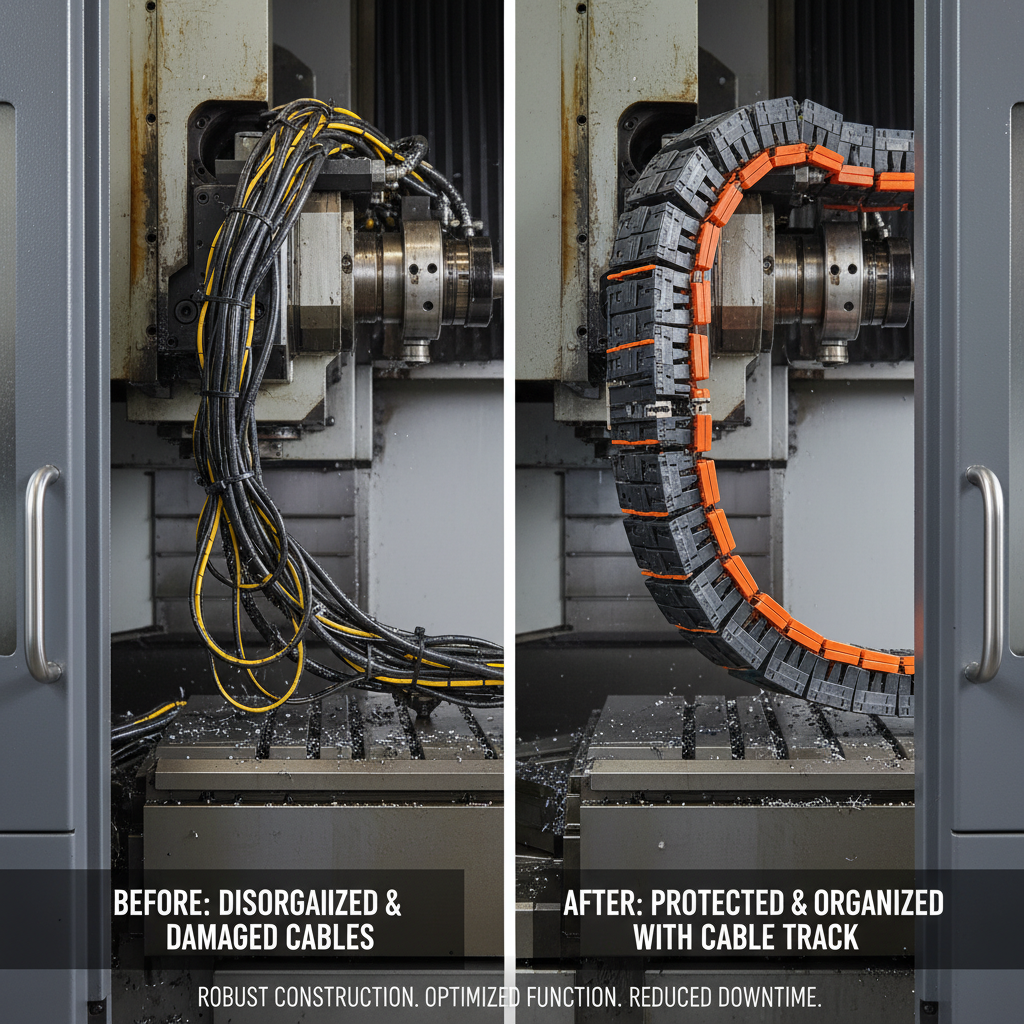
Keep it clean. Seriously. Dirt and debris can cause premature wear and tear. Regularly inspect it for cracks, bent links, and loose pins. Lubricate it periodically with a silicone-based lubricant. And don't over-stress it. Make sure the cables and hoses aren't pulling too tight. It sounds simple, but it makes a huge difference.
Absolutely. Robotic arm applications require chains that are extremely flexible and durable. They often have smaller pitch and tighter bend radii. Some even have integrated sensors to monitor stress and wear. They’re more expensive, but they’re worth it if you’re running a high-speed, high-precision robot.
It varies depending on the material. HDPE and polypropylene are fairly resistant to UV radiation, but they can become brittle in cold temperatures. Stainless steel is the most durable option for extreme conditions, but it's also the most expensive. Always check the manufacturer's specifications for temperature and UV resistance before selecting a chain for outdoor use.
So, that's the state of drag chains. They're a deceptively simple component, but they play a crucial role in a wide range of applications. From prefabrication to robotics, they're essential for keeping things moving and protecting valuable cables and hoses. The industry is evolving, with a growing demand for customization, durability, and performance.
The future will likely see more smart drag chains with integrated sensors and self-monitoring capabilities. But at the end of the day, the real test is how they perform in the field. Ultimately, whether this thing works or not, the worker will know the moment he tightens the screw. Visit our website: www.agilechains.com to learn more.