Cable cat track represents a crucial advancement in streamlined infrastructure deployment, particularly for power, data, and communication lines. Its innovative design minimizes installation time and costs while maximizing durability and scalability. Understanding cable cat track is no longer just an engineering concern, but a vital component of modern project management across diverse sectors.
Globally, the need for rapid and reliable infrastructure is accelerating, driven by urbanization, industrial expansion, and the demand for enhanced connectivity. Cable cat track directly addresses this need, offering a versatile solution that surpasses traditional cable management methods. This technology is poised to play a significant role in bridging the digital divide and supporting sustainable development initiatives.
The increasing complexity of modern cabling systems – demanding higher bandwidth, power delivery, and environmental protection – necessitates innovative solutions like cable cat track. Its ability to simplify installation, reduce maintenance, and enhance overall system performance makes it a cornerstone of contemporary infrastructure projects.
Introduction to Cable Cat Track
Cable cat track systems are becoming increasingly integral to modern infrastructure projects. They represent a shift away from traditional, labor-intensive cable laying methods, offering a significant improvement in efficiency and adaptability. This technology is particularly suited for dynamic environments where frequent cable adjustments or additions are required.
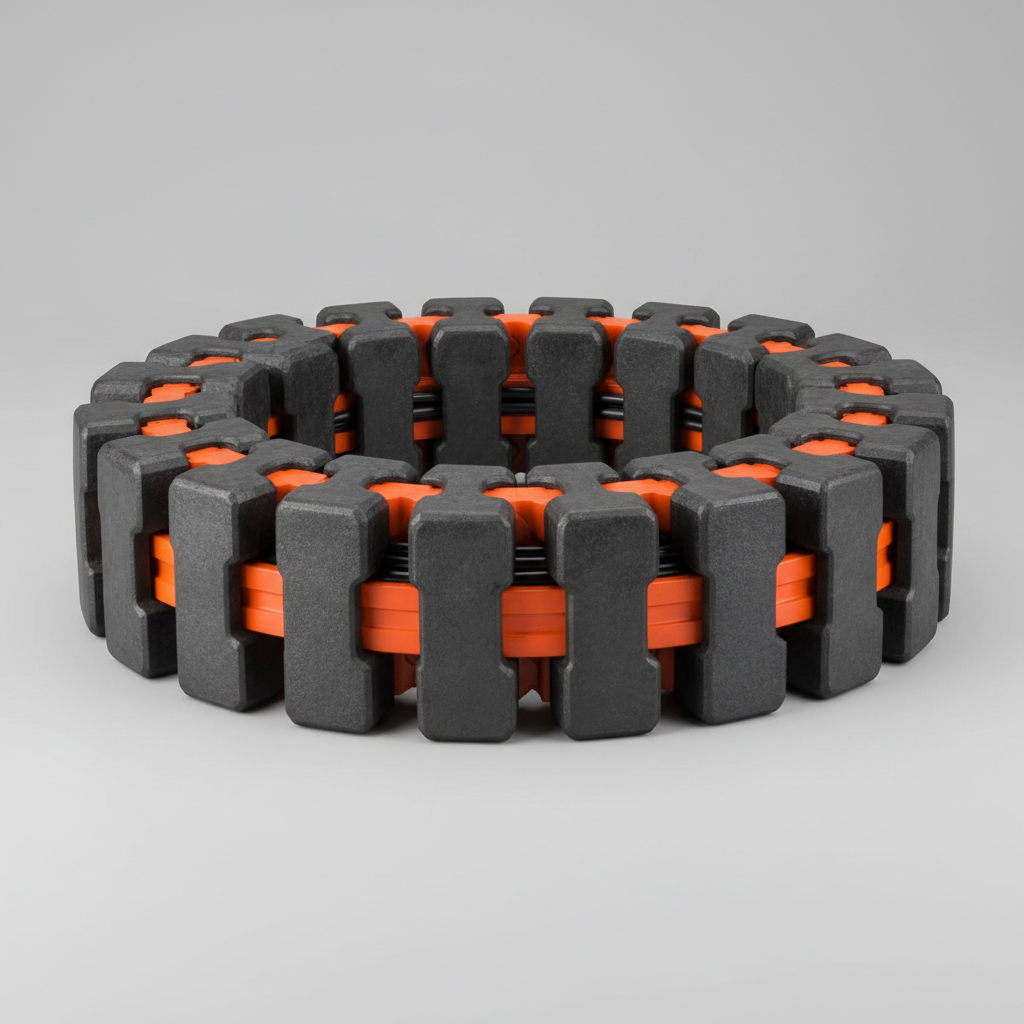
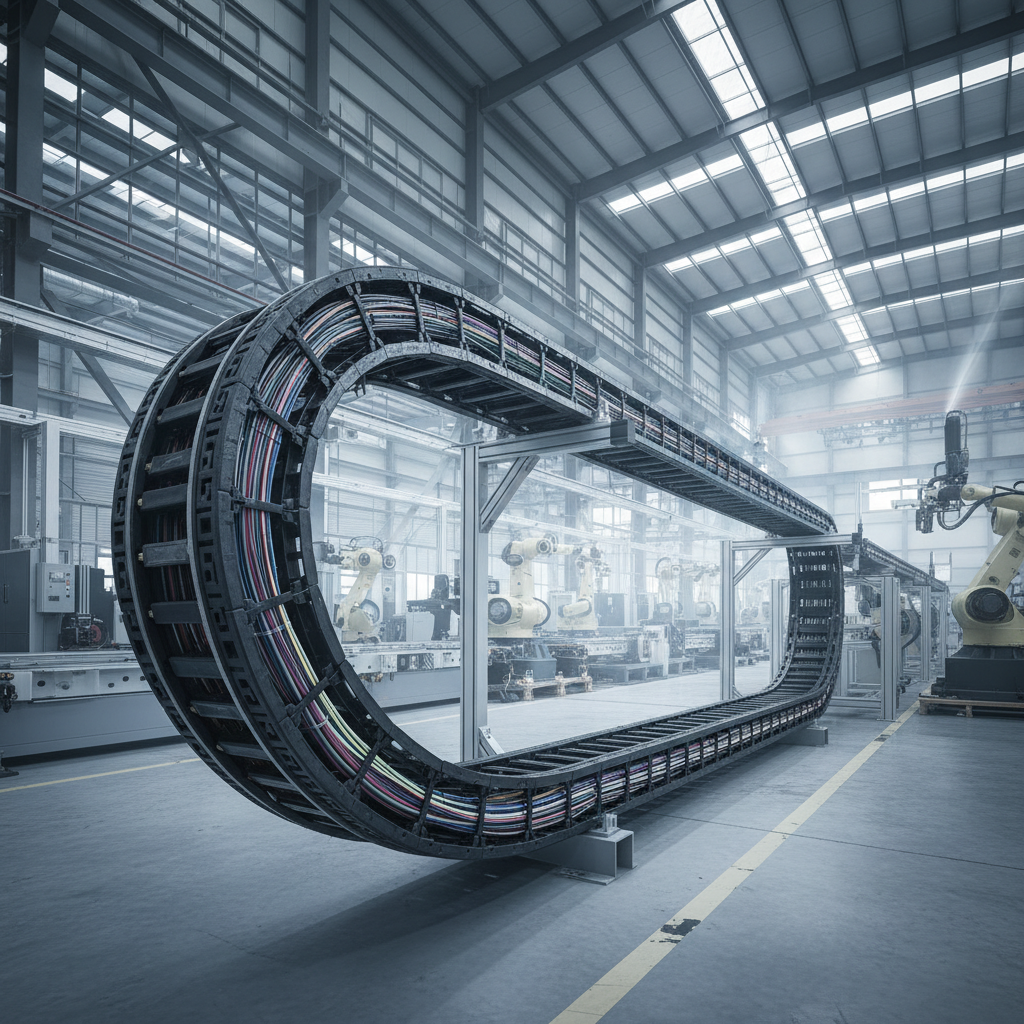
The fundamental principle behind cable cat track involves a series of interconnected components designed to support and guide cables along a predetermined path. This pathway ensures organized, protected, and accessible cabling, minimizing the risk of damage and streamlining maintenance procedures. Its versatility enables application in diverse environments, from industrial facilities to commercial buildings.
Global Relevance and Applications
The global demand for robust and scalable cable management solutions is directly linked to rapid industrialization and technological advancement. According to the World Bank, investments in infrastructure are critical for economic growth, and efficient cabling systems are a fundamental component of that infrastructure. Cable cat track solutions are gaining traction in regions undergoing significant development, particularly in Asia and Africa.
Industries reliant on complex cabling systems, such as data centers, telecommunications, and manufacturing, are primary adopters of cable cat track. Moreover, sectors requiring temporary or rapidly deployable infrastructure, like event management and emergency response, are increasingly recognizing its value. The International Organization for Standardization (ISO) standards emphasize the importance of organized cabling for optimal performance and reliability, furthering the adoption of solutions like cable cat track.
The environmental benefits of cable cat track shouldn't be overlooked. By facilitating efficient cable management, these systems reduce material waste and energy consumption associated with cable replacement and repairs. As sustainability becomes a global priority, the eco-friendly aspects of cable cat track contribute to its growing appeal and relevance.
Defining Cable Cat Track
Cable cat track is a comprehensive cable management system designed to support, guide, and protect electrical cables, data lines, and other communication conduits. Unlike traditional cable trays or conduits, cable cat track employs a modular, interconnected design that allows for flexibility and easy adaptation to changing infrastructure needs.
Its connection to modern industry lies in its ability to optimize cabling infrastructure for increased efficiency, reliability, and scalability. In humanitarian contexts, cable cat track can facilitate rapid deployment of communication networks and power supplies in disaster relief scenarios or remote communities, restoring connectivity and enabling essential services.
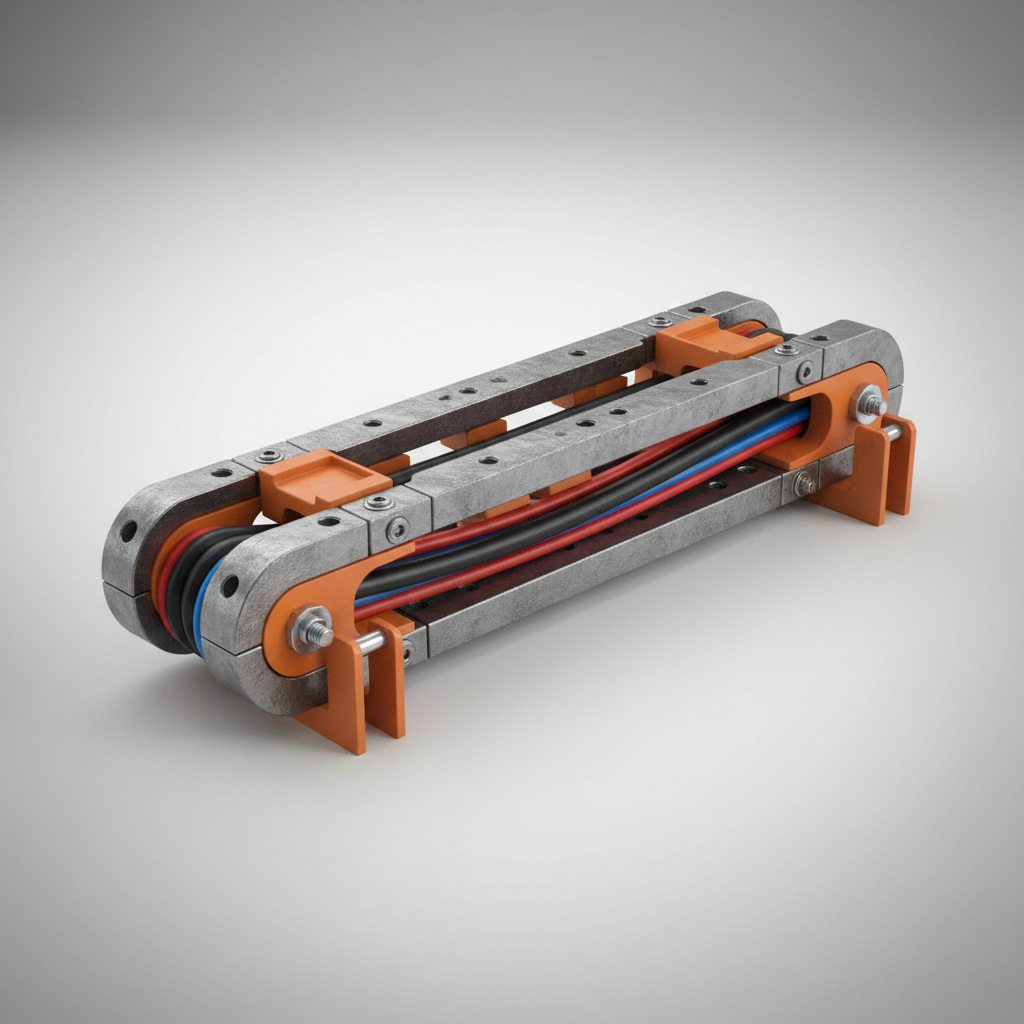
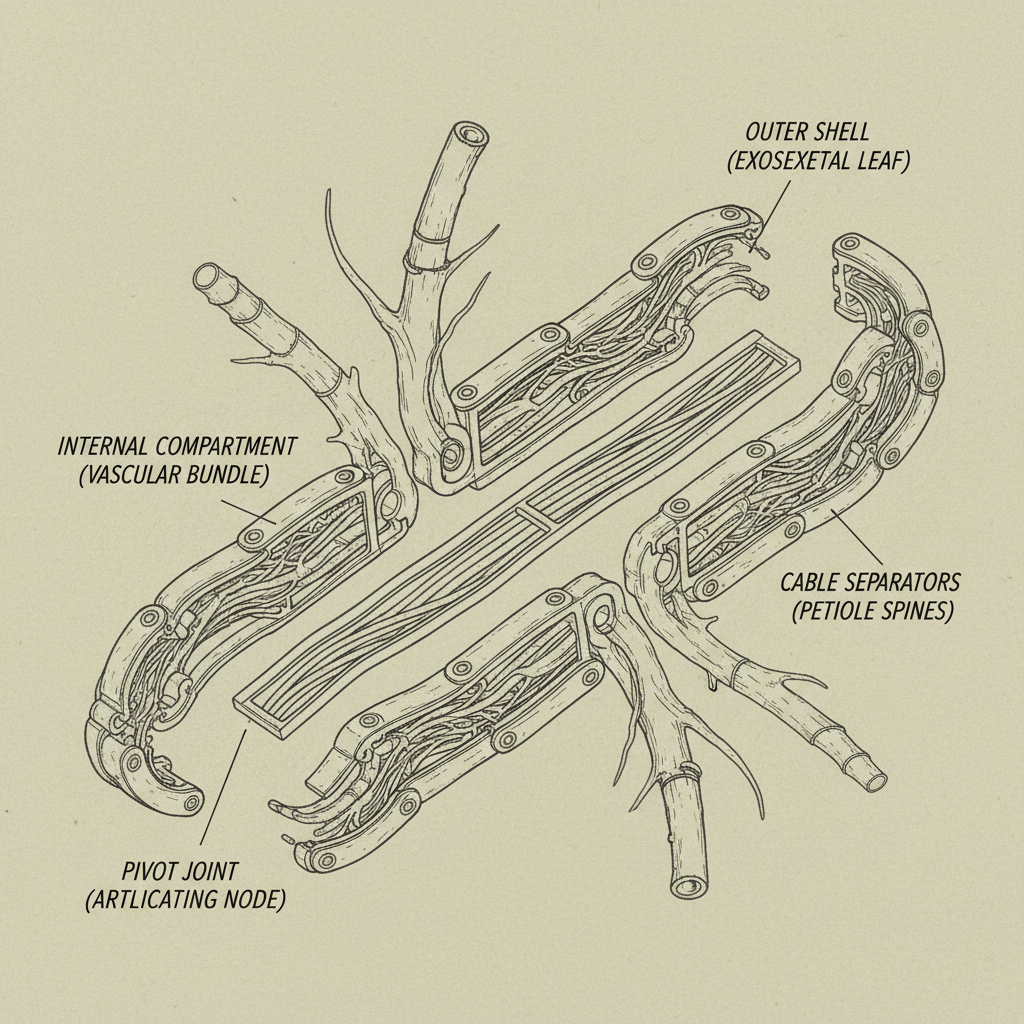
The system typically consists of interconnected sections of track, cable carriers, and accessories, providing a complete solution for cable routing and management. It's not merely a product, but a system engineered to solve the challenges of modern cabling requirements.
Core Components of Cable Cat Track
The functionality of cable cat track relies on several key components working in synergy. The primary element is the track itself, typically constructed from durable materials like high-density polyethylene or galvanized steel, providing a robust pathway for cables.
Next are the cable carriers, which are designed to securely hold and protect individual cables within the track. These carriers often incorporate features like snap-fit closures for easy access and cable insertion. Finally, connectors and accessories, such as bends, tees, and straight sections, enable customization and adaptation to specific layout requirements.
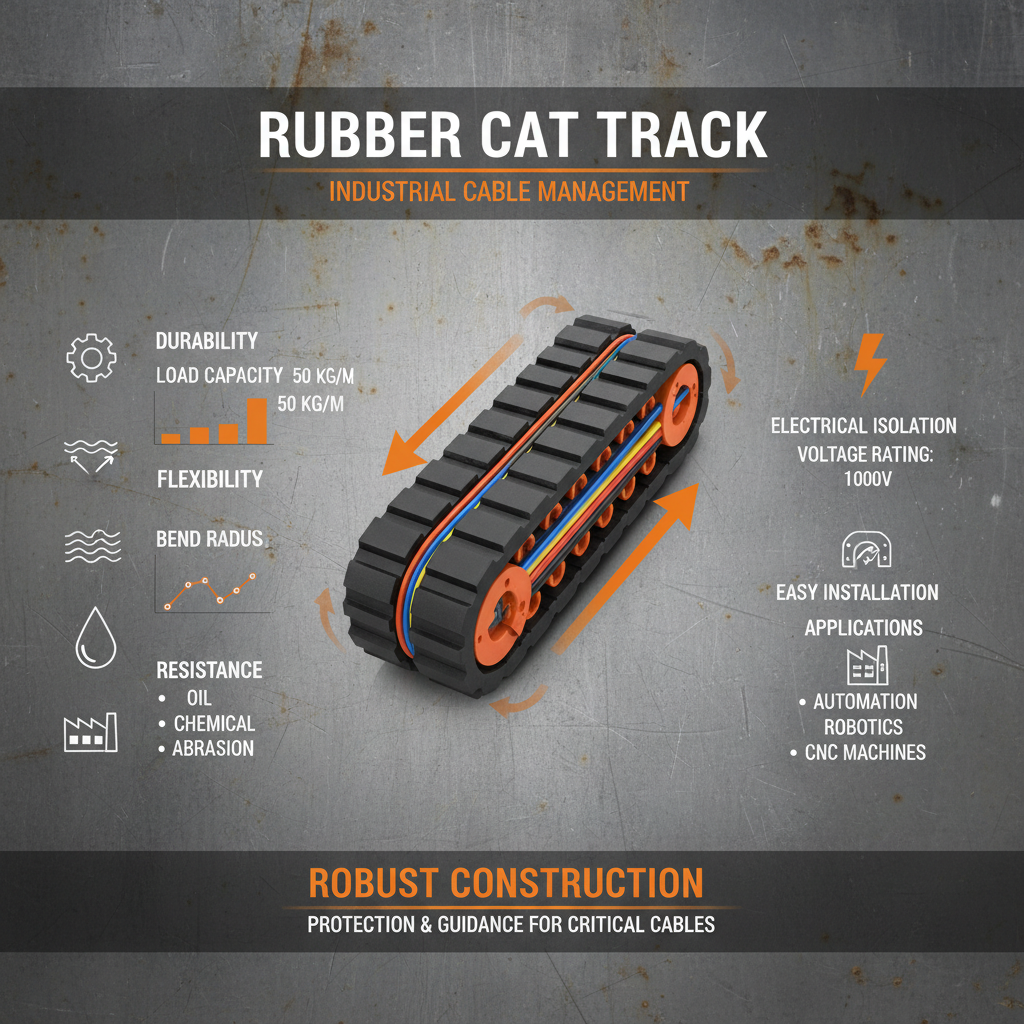
Cable Cat Track Performance Metrics
Real-World Use Cases
In post-disaster relief operations, cable cat track provides a rapid and reliable means of establishing communication networks and power supplies to affected areas. Its ease of deployment and adaptability make it ideal for temporary infrastructure setups. Similarly, in remote industrial zones – such as mining operations or oil rigs – cable cat track streamlines cabling for essential equipment and monitoring systems.
Data centers utilize cable cat track to manage the vast and complex network of cables required for server connectivity and data transfer. The modular design allows for easy upgrades and modifications as technology evolves. The broadcast and entertainment industry also benefits from its organizational capabilities during live event productions and studio installations.
Advantages and Long-Term Value
The advantages of utilizing cable cat track are numerous. Cost efficiency is a significant factor, as the system reduces labor requirements and minimizes the need for costly cable replacements. Sustainability is enhanced through reduced material waste and optimized energy usage. Reliability is improved by protecting cables from damage and facilitating easy maintenance.
Beyond the tangible benefits, cable cat track fosters increased safety by preventing cable tripping hazards and ensuring secure connections. The system inspires trust among stakeholders by demonstrating a commitment to quality and professionalism. Ultimately, cable cat track represents an investment in long-term infrastructure integrity and operational efficiency.
Future Trends and Innovations
The future of cable cat track is closely tied to advancements in materials science, digital transformation, and automation. We can anticipate the development of lighter, more durable materials with enhanced fire resistance and UV protection. Integration with Building Information Modeling (BIM) software will enable precise cable routing and clash detection during project design.
Smart cable cat track systems, incorporating sensors for real-time monitoring of cable health and performance, are also on the horizon. These intelligent systems will provide proactive alerts for potential issues, preventing downtime and optimizing maintenance schedules. Green energy initiatives will drive demand for cable cat track solutions optimized for renewable energy installations, further solidifying its role in a sustainable future.
Automation in cable routing and installation, potentially utilizing robotic systems guided by cable cat track pathways, represents a significant advancement. This would further reduce labor costs and improve installation precision, solidifying cable cat track as a key component of efficient and intelligent infrastructure.
FAQS
Cable cat track systems are commonly constructed from high-density polyethylene (HDPE) for lightweight applications, and galvanized steel for heavier-duty requirements or environments demanding greater durability. Some systems also incorporate polypropylene or other engineering plastics for specific components, like cable carriers. The choice of material depends on the application’s environmental factors, load capacity, and budget.
While the initial material cost of cable cat track might be slightly higher than basic cable trays, the overall lifecycle cost is often lower. This is due to reduced installation time, lower labor expenses, minimized cable damage, and easier maintenance. Cable cat track’s modularity also reduces waste during modifications or upgrades, further contributing to cost savings.
Yes, cable cat track is frequently used in outdoor applications. However, it's crucial to select materials specifically designed for outdoor exposure, such as UV-resistant HDPE or galvanized steel with protective coatings. Proper installation and support are also essential to withstand weather conditions and mechanical stress.
The load capacity of a cable cat track system varies depending on the track’s material, dimensions, and support structure. Generally, systems can safely support substantial weight – often exceeding 20 lbs per foot. Manufacturers provide detailed load capacity specifications for each product line, ensuring safe and reliable operation.
One of the key advantages of cable cat track is its exceptional flexibility. Modifications and expansions are straightforward, requiring only the addition or removal of modular components. This eliminates the need for extensive rewiring or system shutdowns, minimizing disruption and downtime.
Reputable cable cat track manufacturers design their products to comply with relevant industry standards, such as UL, CE, and RoHS. These certifications ensure the system meets safety, performance, and environmental requirements. Always verify that the chosen system meets the specific standards applicable to your region and application.
Conclusion
Cable cat track represents a significant advancement in cable management, offering a compelling combination of efficiency, reliability, and scalability. Its adaptability to diverse environments and ease of modification make it a versatile solution for modern infrastructure challenges. From disaster relief to data centers, this technology streamlines cabling processes, reduces costs, and enhances overall system performance.
Looking ahead, the integration of smart sensors and automation technologies promises to further optimize cable cat track systems, creating intelligent infrastructure solutions. By embracing these innovations, we can unlock even greater benefits and contribute to a more sustainable and connected future. Explore the possibilities at cable cat track and discover how it can transform your next project.

 FIND USHIGH-TECH ZONE
 CALL US TODAY
 EMAIL US NOW