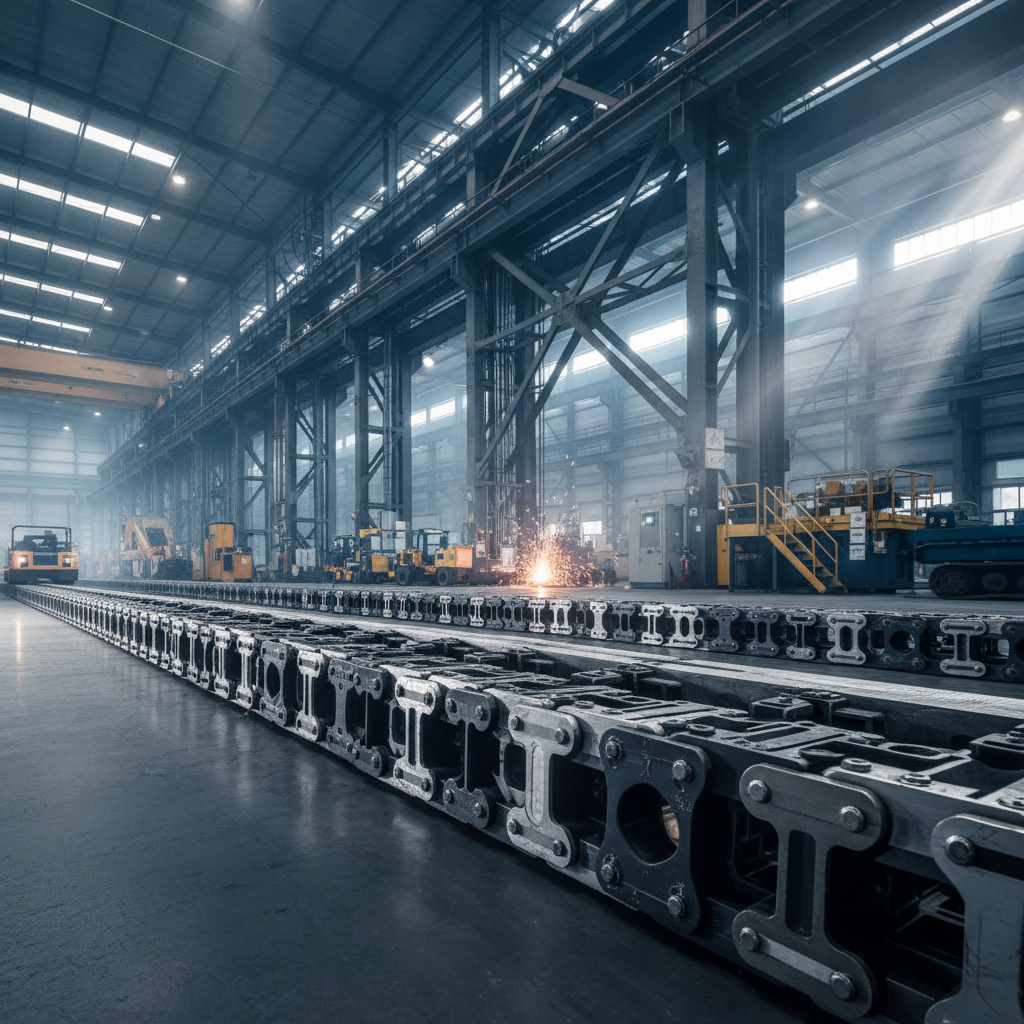
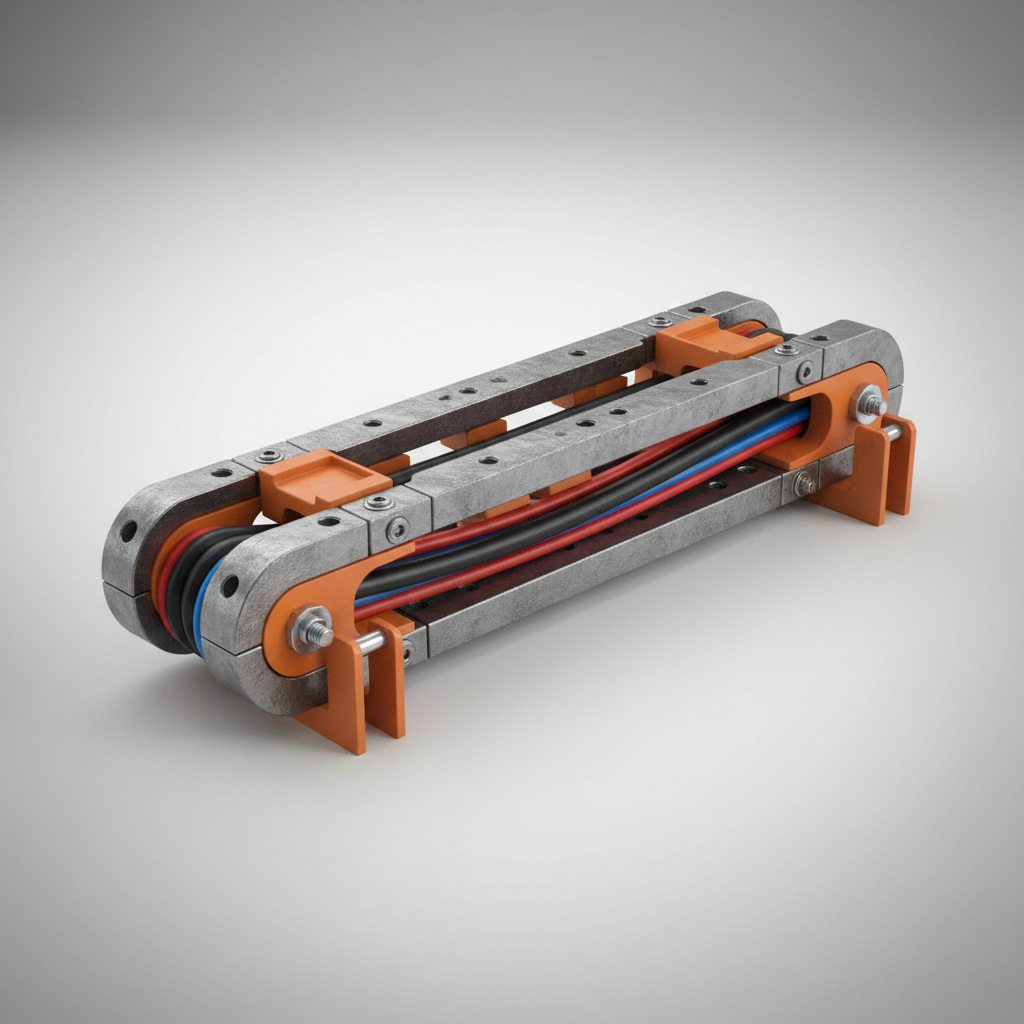
Metal drag chains, often unseen heroes of modern industry, are crucial components enabling the safe and efficient transmission of power, data, and fluids in dynamic environments. Their ability to manage and protect moving cables and hoses minimizes downtime, enhances operational safety, and extends the lifespan of critical infrastructure. Understanding the intricacies of metal drag chain design and application is becoming increasingly vital across a diverse range of sectors, from robotics and automation to material handling and renewable energy.
Globally, the demand for robust cable management solutions like metal drag chains is escalating, driven by the rapid growth of automation and industrialization, particularly in emerging economies. The International Federation of Robotics (IFR) reports consistent year-on-year increases in robot installations, necessitating reliable drag chain systems. Furthermore, the increasing focus on workplace safety standards, as mandated by organizations like ISO, underscores the importance of effective cable protection.
The rise of Industry 4.0 and smart manufacturing further amplifies the need for dependable, high-performance metal drag chain solutions that can support the complex interconnectedness of modern production systems. Failing to address cable management effectively can lead to costly disruptions and safety hazards, making a thorough understanding of these systems paramount for operational success.
Introduction to Metal Drag Chains
Metal drag chains are engineered systems designed to guide and protect cables, hoses, and other flexible components as they move within machinery and automated equipment. They’re indispensable in applications where continuous movement is required, safeguarding against wear, abrasion, and environmental factors that could compromise functionality and safety. A well-chosen metal drag chain is a long-term investment in system reliability.
These chains are typically constructed from high-strength materials like steel, stainless steel, or specialized polymers, offering robust protection and long service life. Their modular design allows for easy customization to accommodate various cable configurations and movement requirements. The selection of the correct metal drag chain depends heavily on factors such as load, speed, environmental conditions, and the specific application.
Defining Metal Drag Chains
A metal drag chain, also known as a cable carrier or energy chain, is a flexible conduit system that houses and guides moving cables and hoses. Unlike static cable management solutions, drag chains are designed to accommodate continuous flexing and extension, tracking alongside the movement of machinery or robotic arms. They represent a critical component in ensuring uninterrupted operation and preventing cable damage in dynamic applications.
Its connection to modern industry is undeniable. From automated assembly lines and CNC machines to robotic welding systems and stage lighting rigs, metal drag chains are essential for maintaining the integrity of electrical and fluid connections. They're particularly important in environments demanding high reliability and minimal downtime, such as manufacturing plants, logistics centers, and power generation facilities.
In humanitarian efforts, the principles behind drag chain technology are applied in rapid deployment infrastructure, albeit often utilizing different materials. The ability to quickly and reliably route power and communication lines is vital in disaster relief scenarios, mirroring the core function of protecting and guiding flexible connections that the metal drag chain provides in industrial settings.
Core Components and Factors
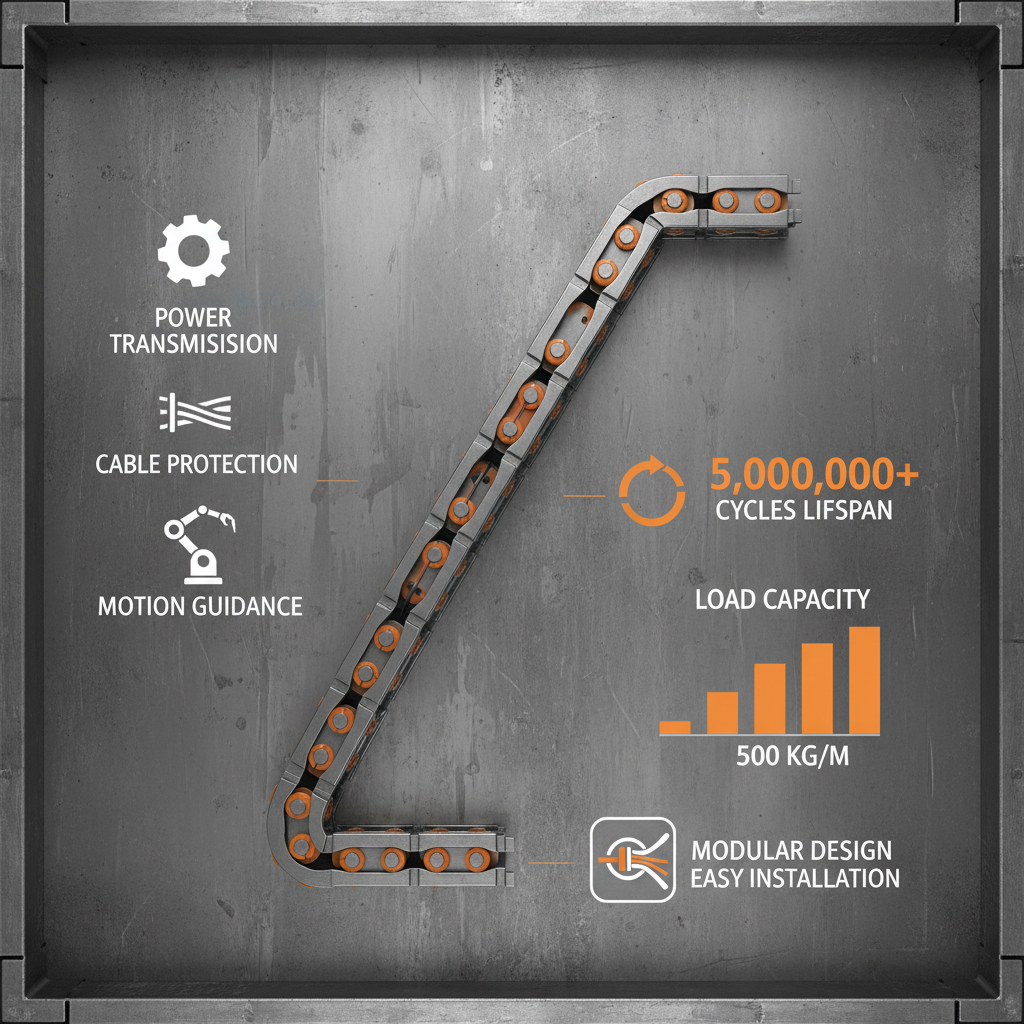
Several key factors contribute to the effectiveness and longevity of a metal drag chain system. Firstly, Durability is paramount, with material selection – steel, stainless steel, or specialized alloys – dictating resistance to wear, corrosion, and impact. Secondly, Load Capacity determines the weight and volume of cables the chain can safely support without deformation or failure.
Flexibility is crucial for accommodating the range of motion in the application. Chain links must articulate smoothly to prevent stress on the contained cables and hoses. Furthermore, Environmental Resistance plays a significant role; options like corrosion-resistant coatings or enclosed chain designs are vital in harsh environments. Scalability ensures the system can be adapted to future expansion or modifications, and finally, Cost Efficiency balances initial investment with long-term reliability and reduced maintenance.
These aspects directly translate to practical applications. For instance, in robotic arms, a highly flexible and durable drag chain is essential to prevent cable entanglement and ensure smooth, precise movements. In outdoor applications like crane systems, corrosion resistance is critical to withstand weather exposure and maintain operational integrity. Choosing the right metal drag chain based on these core components is vital.
Global Applications of Metal Drag Chains
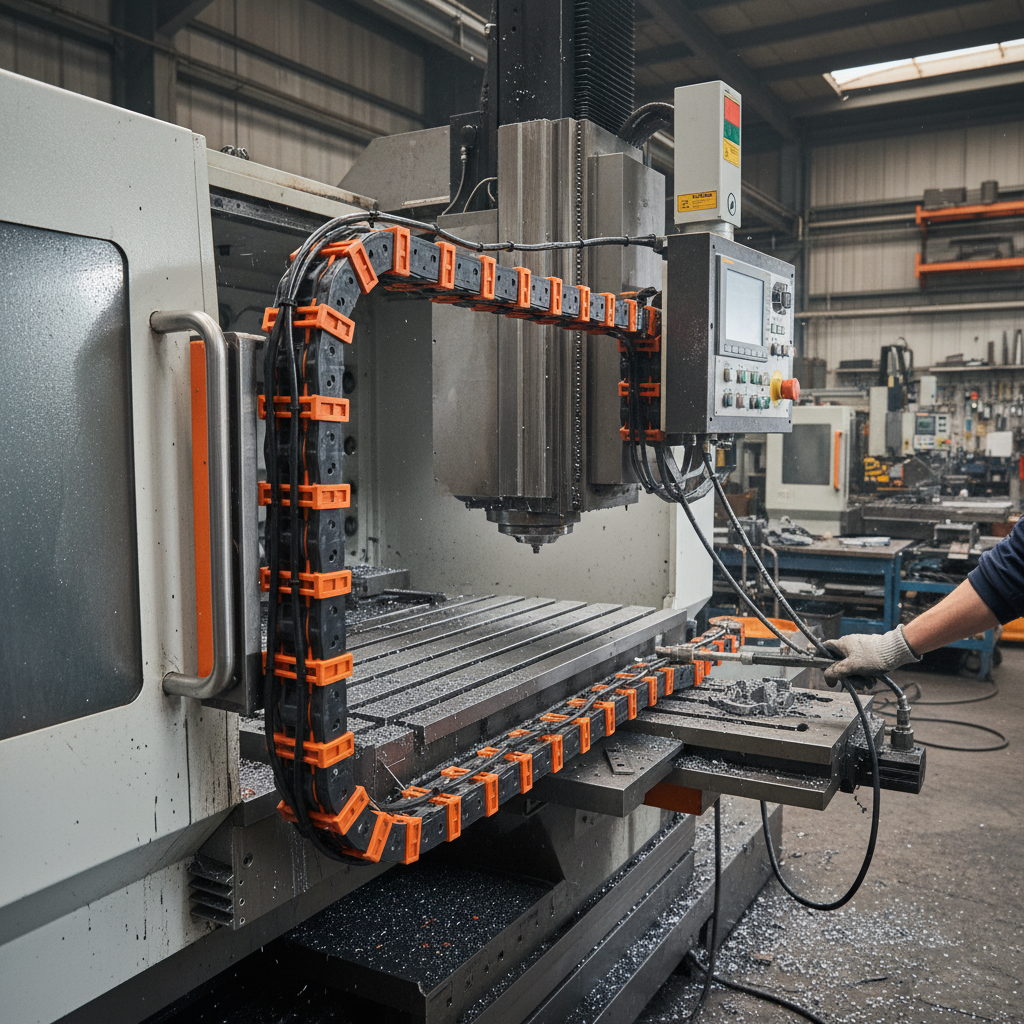
Metal drag chains find application across a remarkably diverse range of industries globally. The automotive sector utilizes them extensively in robotic welding and painting lines, ensuring the reliable movement of cables powering welding torches and paint sprayers. The machine tool industry relies on them in CNC machines, safeguarding cables responsible for controlling axes and delivering coolant.
In remote industrial zones, such as mining operations in Australia or oil and gas platforms in the North Sea, metal drag chains provide critical cable protection in harsh environments where maintenance access is limited. Furthermore, in post-disaster relief operations, simplified cable management solutions inspired by drag chain principles can be rapidly deployed to establish communication networks and power supplies.
Metal Drag Chain Application Sectors - Global Demand
Advantages and Long-Term Value
The advantages of employing a metal drag chain are multifaceted. Tangibly, they reduce downtime by protecting cables from damage, thereby minimizing costly repairs and production interruptions. They also lower maintenance requirements as cables are shielded from environmental elements and abrasive forces, extending their operational lifespan.
Beyond cost savings, the use of metal drag chains promotes a safer working environment by preventing cable entanglement and electrical hazards. This contributes to a stronger safety culture and reduces the risk of workplace accidents. The reliability and durability of these systems instill trust in operations, enhancing overall productivity and quality control.
Future Trends and Innovations
The future of metal drag chain technology is being shaped by several key trends. The integration of smart sensors within drag chain systems allows for real-time monitoring of cable health, predicting potential failures and enabling proactive maintenance. The development of lighter-weight, high-strength materials, such as carbon fiber reinforced polymers, is reducing the overall weight of the systems without sacrificing durability.
Digital transformation is driving the adoption of cloud-connected drag chains that provide remote monitoring, data analytics, and automated control. Furthermore, sustainability concerns are prompting the development of eco-friendly materials and manufacturing processes, aligned with circular economy principles.
Challenges and Solutions
Despite their benefits, metal drag chains face certain challenges. One common issue is the proper sizing and configuration to accommodate a changing cable complement. Incorrect sizing can lead to stress on cables and premature wear. Another challenge is noise generation, particularly at high speeds or with certain chain designs.
Solutions include utilizing modular drag chain systems that allow for easy modifications and expansions. Noise reduction can be achieved through the use of specialized chain link materials, lubrication, and damping mechanisms. Employing advanced simulation software for cable routing and chain selection can also optimize performance and minimize potential issues.
Metal Drag Chain Performance Analysis
| Application Environment |
Material Durability (1-10) |
Noise Level (1-10) |
Maintenance Frequency (Days) |
| Cleanroom Manufacturing |
9 |
2 |
365 |
| Welding Robotics |
8 |
6 |
180 |
| Outdoor Crane Systems |
7 |
5 |
90 |
| High-Speed Packaging |
6 |
8 |
60 |
| Food Processing |
10 |
3 |
730 |
| Automotive Assembly Line |
8 |
4 |
120 |
FAQS
Steel drag chains offer superior strength, durability, and temperature resistance, making them ideal for heavy-duty applications and harsh environments. Plastic drag chains are lighter weight, more cost-effective, and suitable for lighter loads and cleaner environments. The optimal choice depends on the specific application requirements, considering factors like load capacity, operating temperature, and environmental conditions.
Determining the correct size involves calculating the total cross-sectional area of all cables and hoses that will be housed within the chain, plus a safety factor of at least 20-30%. It's also crucial to consider the bending radius of the chain and ensure it's compatible with the travel distance and speed of the moving machinery. Consulting with a drag chain specialist can help ensure proper sizing.
Regular lubrication is vital for minimizing friction and extending the lifespan of a metal drag chain. The appropriate lubricant depends on the operating temperature and environmental conditions. Options include specialized drag chain lubricants, silicone oils, or PTFE-based sprays. Applying lubricant to the inner radius of the chain links ensures optimal distribution. Automated lubrication systems are available for continuous maintenance.
Yes, but selecting the appropriate materials is crucial. Stainless steel drag chains offer excellent corrosion resistance and are well-suited for applications exposed to moisture, chemicals, or saltwater. Additional protective coatings, such as epoxy or powder coating, can further enhance corrosion resistance in highly corrosive environments. Regular inspection and cleaning are also recommended.
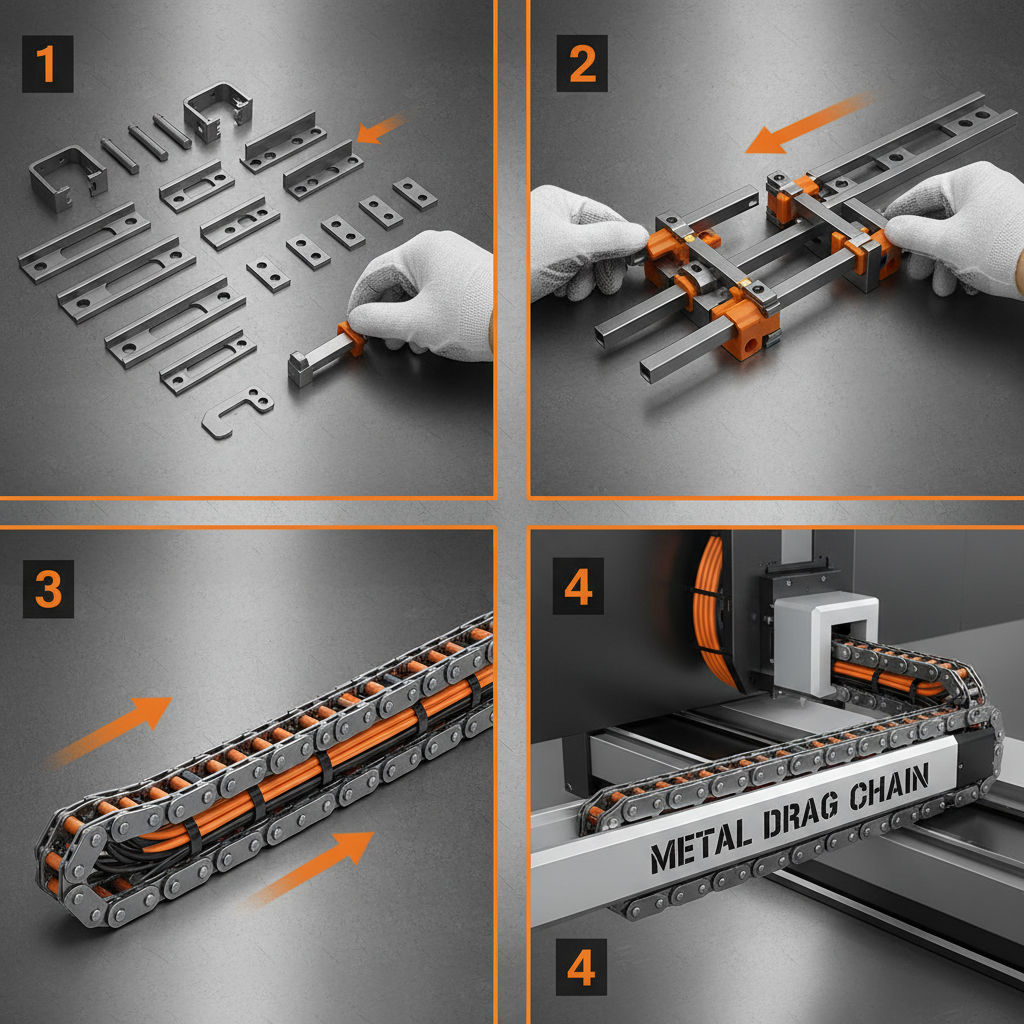
Proper installation involves securely mounting the chain to a stable support structure, ensuring the chain is aligned correctly with the travel path of the moving machinery, and providing sufficient slack to accommodate the full range of motion. Avoid sharp bends or kinks in the chain. Ensure cables and hoses are routed neatly within the chain and secured to prevent them from becoming tangled or damaged.
The lifespan of a metal drag chain varies depending on the application, operating conditions, and maintenance practices. With proper lubrication and maintenance, a well-selected metal drag chain can last for several years, even in demanding environments. Regular inspection for wear and tear, and prompt replacement of damaged components, can further extend its service life.
Conclusion
In conclusion, metal drag chains are essential components in a wide range of industries, providing robust and reliable cable management solutions that enhance operational efficiency, improve safety, and extend the lifespan of critical equipment. Their ability to adapt to dynamic environments, coupled with ongoing advancements in materials and technology, solidifies their position as a cornerstone of modern automation and industrial processes. Understanding the core principles and selecting the right metal drag chain is paramount for optimizing system performance and minimizing downtime.
Looking ahead, the integration of smart technologies and sustainable materials will further enhance the value and versatility of these systems. Investing in high-quality metal drag chains and implementing proactive maintenance strategies are key to maximizing long-term return on investment and ensuring the continued reliability of critical infrastructure. Explore our comprehensive range of drag chain solutions at www.agilechains.com to find the perfect fit for your application.

 FIND USHIGH-TECH ZONE
 CALL US TODAY
 EMAIL US NOW