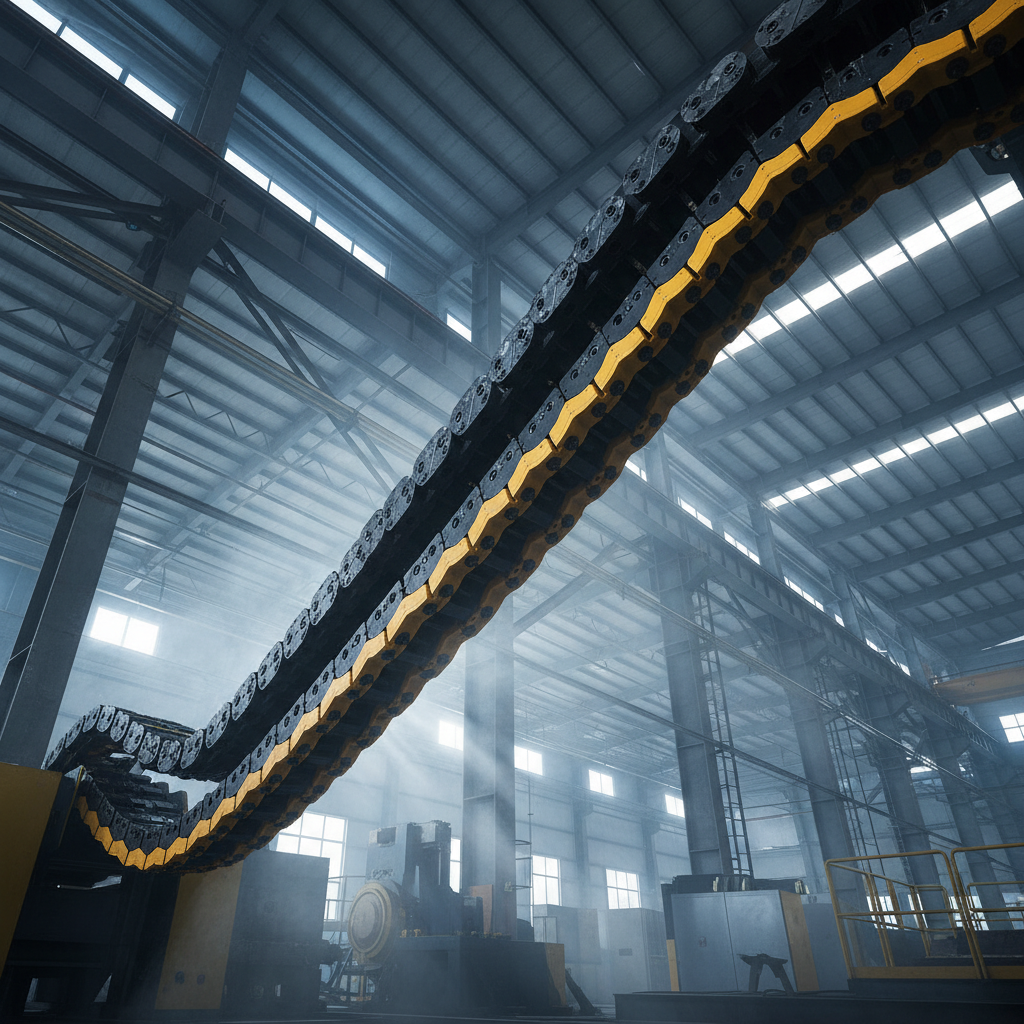
Wire carriers represent a foundational element in modern logistics, infrastructure, and increasingly, rapid deployment solutions globally. From traditional telecommunications cabling to innovative temporary structures, these systems facilitate the secure and efficient transport of critical resources and enable connectivity across vast distances. Understanding their capabilities is paramount for industries ranging from construction and energy to disaster relief and humanitarian aid. The versatility and adaptability of wire carriers offer solutions to complex logistical challenges, ultimately improving efficiency, reducing costs, and enhancing safety.
The global demand for efficient and reliable infrastructure continues to surge, driven by population growth, urbanization, and increasingly complex supply chains. Wire carriers play a pivotal role in meeting this demand, offering scalable and cost-effective solutions for transporting materials, equipment, and even entire structures. According to the World Bank, investment in infrastructure is crucial for sustainable development, and efficient logistical systems, supported by robust wire carrier technology, are a cornerstone of this investment. However, challenges remain in ensuring standardization, durability, and accessibility, particularly in developing regions.
At their core, wire carriers are engineered systems designed for the secure and controlled movement of goods or materials using a network of cables, ropes, or similar tensile elements. They are not simply transport mechanisms, but integrated logistical components optimized for specific applications. Whether it’s transporting building materials to a remote construction site, securing loads during shipping, or deploying temporary shelters in disaster zones, wire carriers provide a vital link in the supply chain.
The Importance of Wire Carriers
The significance of wire carriers extends far beyond simple transportation; they are integral to modern supply chains and critical infrastructure. Their ability to safely and efficiently move materials, equipment, and even prefabricated structures makes them invaluable in various industries. Understanding the nuances of wire carrier systems – from material selection and load capacity to deployment strategies – is essential for optimizing logistical operations and minimizing risks. wire carriers solutions are vital for streamlined processes.
Effective utilization of wire carriers leads to reduced labor costs, faster project completion times, and improved safety protocols. The versatility of these systems allows for adaptation to diverse terrains and challenging environments, making them particularly valuable in remote locations or disaster relief efforts. Investing in high-quality wire carrier technology translates to long-term cost savings and a more resilient operational framework.
Defining Wire Carriers: A Global Perspective
Wire carriers, in their most fundamental form, are systems leveraging tensile strength – typically from steel cables, synthetic ropes, or chains – to support and transport loads. This encompasses a broad range of applications, from simple crane systems used in construction to complex aerial ropeways for transporting materials across mountainous regions. Globally, these systems are employed in industries as diverse as logging, mining, wind energy, and even amusement park rides. Their adaptability makes them a universal logistical tool.
The historical evolution of wire carriers mirrors the advancements in materials science and engineering. Initially relying on natural fiber ropes, the introduction of steel wire rope in the 19th century revolutionized the industry, enabling the lifting of heavier loads and increasing safety margins. Today, modern wire carriers incorporate advanced materials like high-strength synthetic fibers, offering enhanced durability and reduced weight.
The impact of wire carriers is particularly pronounced in humanitarian contexts. In post-disaster scenarios, where conventional transportation infrastructure is often compromised, wire carrier systems can provide a crucial lifeline for delivering essential supplies and evacuating vulnerable populations. They enable access to areas that are otherwise inaccessible, offering a swift and effective response to emergencies.
Core Components and Key Factors
Several key factors define the effectiveness and reliability of wire carrier systems. Durability is paramount, dictating the lifespan of the system and its ability to withstand harsh environmental conditions. The choice of materials, including the wire rope, fittings, and supporting structures, directly impacts durability. Load capacity is another critical consideration, determining the maximum weight the system can safely handle.
Scalability is also essential, allowing the system to adapt to changing logistical needs. A modular design enables easy expansion or reconfiguration, accommodating fluctuations in demand. Cost-efficiency is a driving force in system design, balancing performance with budgetary constraints. Selecting appropriate materials and optimizing system design are key to achieving cost-effectiveness without compromising safety or reliability.
Finally, safety is non-negotiable. Regular inspections, adherence to industry standards, and proper training for operators are crucial for preventing accidents and ensuring the well-being of personnel. Implementing robust safety protocols is not only ethically responsible but also contributes to long-term cost savings by minimizing downtime and potential liabilities.
Real-World Applications of Wire Carriers
Wire carriers find extensive application in the construction industry, facilitating the vertical and horizontal transport of building materials, prefabricated components, and personnel. They are commonly used in high-rise construction projects, where traditional cranes may be impractical or insufficient. In the energy sector, wire carriers are employed for transporting equipment and materials to remote wind turbine sites or offshore oil platforms.
The mining industry relies heavily on wire carrier systems for transporting ore and waste materials from open-pit mines or underground shafts. Aerial ropeways, a specific type of wire carrier system, are particularly well-suited for traversing steep terrain and challenging landscapes. In post-disaster relief operations, temporary wire carrier systems are rapidly deployed to deliver food, water, medical supplies, and shelter to affected communities.
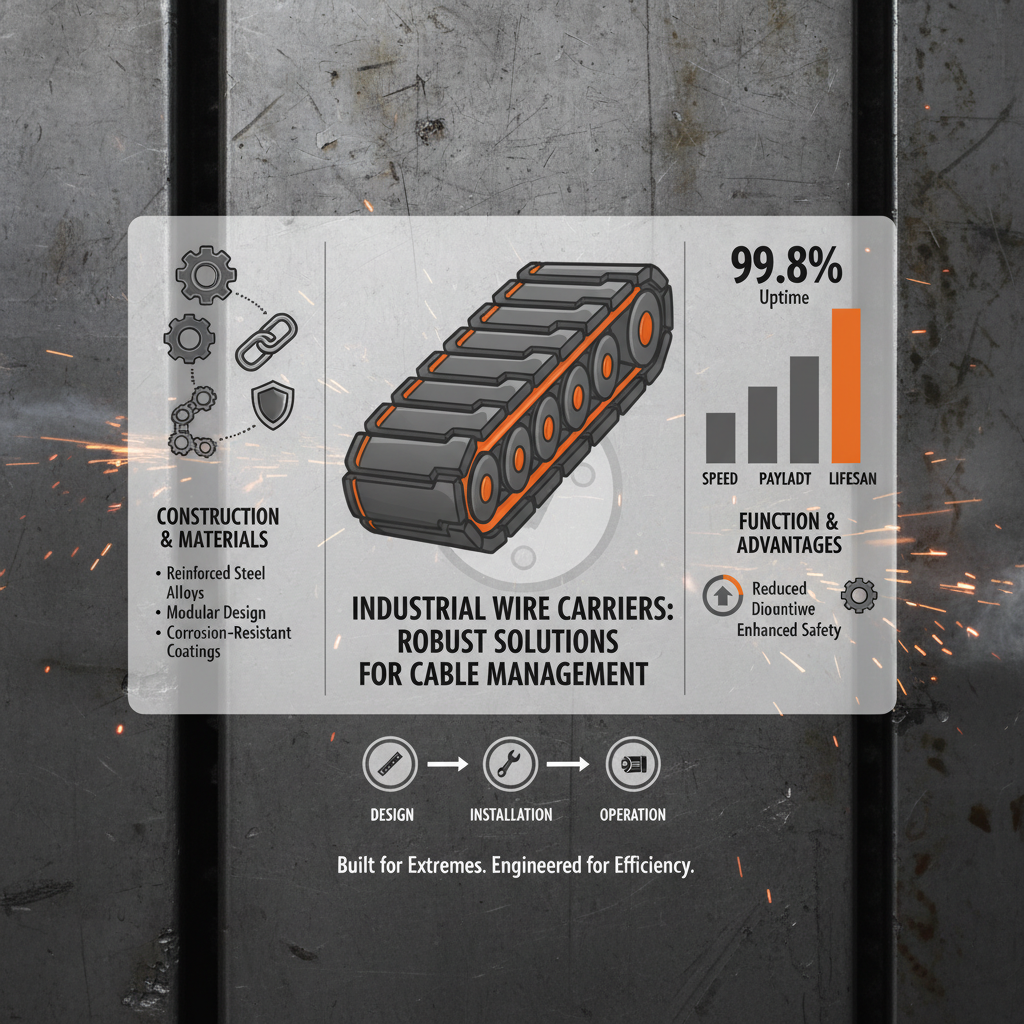
Wire Carrier Performance Metrics
Advantages and Long-Term Value Proposition
The advantages of utilizing wire carriers are multifaceted. Tangible benefits include reduced labor costs through automation, increased efficiency in material handling, and minimized environmental impact compared to traditional transportation methods. The sustainability aspect is particularly important, as wire carriers often require less land disturbance and consume less energy than trucks or other vehicles. wire carriers offer lasting benefits.
Beyond the quantifiable benefits, wire carriers offer a strong long-term value proposition. The enhanced safety they provide fosters trust and minimizes the risk of accidents and injuries. The reliability of these systems contributes to operational continuity and reduces downtime. Ultimately, investing in wire carrier technology demonstrates a commitment to innovation, sustainability, and responsible logistical practices.
Future Trends and Technological Innovations
The future of wire carriers is poised for significant advancements driven by technological innovation. The integration of sensor technology and data analytics will enable real-time monitoring of system performance, predictive maintenance, and optimized load management. Automation, powered by artificial intelligence, will further enhance efficiency and reduce the need for manual intervention.
The development of new materials, such as ultra-high-strength synthetic fibers and lightweight alloys, will lead to lighter, more durable, and more efficient wire carrier systems. Furthermore, the growing emphasis on sustainability will drive the adoption of eco-friendly materials and energy-efficient designs.
Challenges and Potential Solutions
Despite their numerous advantages, wire carrier systems face certain challenges. Initial investment costs can be relatively high, particularly for complex installations. Maintaining system integrity requires regular inspections and maintenance, which can be time-consuming and expensive. Adapting to varying terrain and environmental conditions can also present logistical hurdles.
However, these challenges can be mitigated through careful planning, strategic investment, and the adoption of innovative solutions. Modular designs can reduce installation costs and facilitate adaptation to different environments. Predictive maintenance programs, enabled by sensor technology, can minimize downtime and extend system lifespan. Government incentives and public-private partnerships can help to offset initial investment costs.
Standardization of components and interfaces is crucial for promoting interoperability and reducing maintenance costs. Collaborative research and development efforts can accelerate the pace of innovation and address the evolving needs of the industry. A proactive approach to addressing these challenges will ensure the continued growth and success of wire carrier technology.
Summary of Key Challenges and Potential Solutions for Wire Carriers
| Challenge |
Severity (1-10) |
Potential Solution |
Implementation Cost (USD) |
| High Initial Investment |
8 |
Modular Design & Phased Rollout |
50,000 - 200,000 |
| Maintenance Requirements |
7 |
Predictive Maintenance with Sensor Integration |
20,000 - 80,000 |
| Terrain Adaptability |
6 |
Advanced Suspension Systems & Dynamic Adjustment |
30,000 - 150,000 |
| Environmental Impact |
5 |
Eco-Friendly Materials & Energy-Efficient Operation |
10,000 - 50,000 |
| Lack of Standardization |
7 |
Industry-Wide Collaboration for Component Standardization |
Ongoing - 10,000/year |
| Operator Training |
6 |
Comprehensive Training Programs & Certification |
5,000 - 20,000 |
FAQS
Wire carriers offer significant advantages over traditional methods like trucks or trains, particularly in challenging terrains or remote locations. They often have a smaller environmental footprint, require less infrastructure, and can provide faster, more direct transport routes. Their ability to traverse obstacles like mountains, rivers, and forests makes them ideal for projects where conventional transport is impractical or cost-prohibitive. Moreover, wire carrier systems can reduce labor costs and improve safety by automating material handling processes.
Wire carrier systems are designed with versatility in mind. Load weights are managed through carefully engineered cable and support structures, ensuring sufficient capacity without compromising safety. Varying sizes are accommodated through adjustable carrier attachments and configurable loading platforms. Modern systems often incorporate load-balancing mechanisms to distribute weight evenly and prevent instability. Regular inspections and maintenance are essential to ensure the system can consistently handle anticipated loads.
Regular maintenance is crucial for ensuring the longevity and safety of wire carrier systems. This includes visual inspections of cables, ropes, and fittings for signs of wear and tear, lubrication of moving parts, and periodic testing of load-bearing components. More advanced maintenance programs incorporate sensor technology to monitor system performance and predict potential failures. Thorough record-keeping and adherence to manufacturer guidelines are essential for proactive maintenance.
Compared to traditional transportation methods, wire carriers can be significantly more environmentally friendly. They often require less land disturbance, consume less energy, and generate fewer emissions. Ongoing efforts to minimize environmental impact include utilizing eco-friendly materials in construction, optimizing energy efficiency in operation, and implementing responsible waste management practices. Selecting routes that minimize impact on sensitive ecosystems is also a critical consideration.
Modern wire carrier designs prioritize safety through a range of features. These include redundant cable systems, automatic braking mechanisms, emergency stop controls, and comprehensive safety monitoring systems. Load limiters prevent overloading, while anti-sway devices minimize oscillations. Regular inspections and operator training are also critical components of a robust safety program. Compliance with relevant industry standards and regulations is paramount.
The lifespan of a wire carrier system varies depending on factors such as environmental conditions, load frequency, and maintenance practices. However, with proper care and regular maintenance, a well-designed wire carrier system can have a lifespan of 20 to 50 years or even longer. Using high-quality materials, implementing predictive maintenance programs, and adhering to manufacturer recommendations are all essential for maximizing system longevity. Periodic inspections and component replacements are necessary to ensure continued safe operation.
Conclusion
In conclusion, wire carriers represent a vital and versatile logistical solution with applications spanning numerous industries and humanitarian efforts. Their ability to efficiently and safely transport materials and equipment, particularly in challenging environments, makes them indispensable for modern infrastructure development and disaster relief. The benefits extend beyond mere transportation, encompassing cost savings, sustainability, and enhanced safety protocols. The continued innovation in materials, automation, and monitoring technologies promises to further refine and expand the capabilities of wire carrier systems.
Looking ahead, embracing standardization, investing in research and development, and fostering collaboration between industry stakeholders will be crucial for unlocking the full potential of wire carriers. As the demand for efficient and sustainable infrastructure continues to grow, these systems will undoubtedly play an increasingly important role in shaping a more connected and resilient world. To learn more about how wire carriers can benefit your operations, visit our website today!

 FIND USHIGH-TECH ZONE
 CALL US TODAY
 EMAIL US NOW