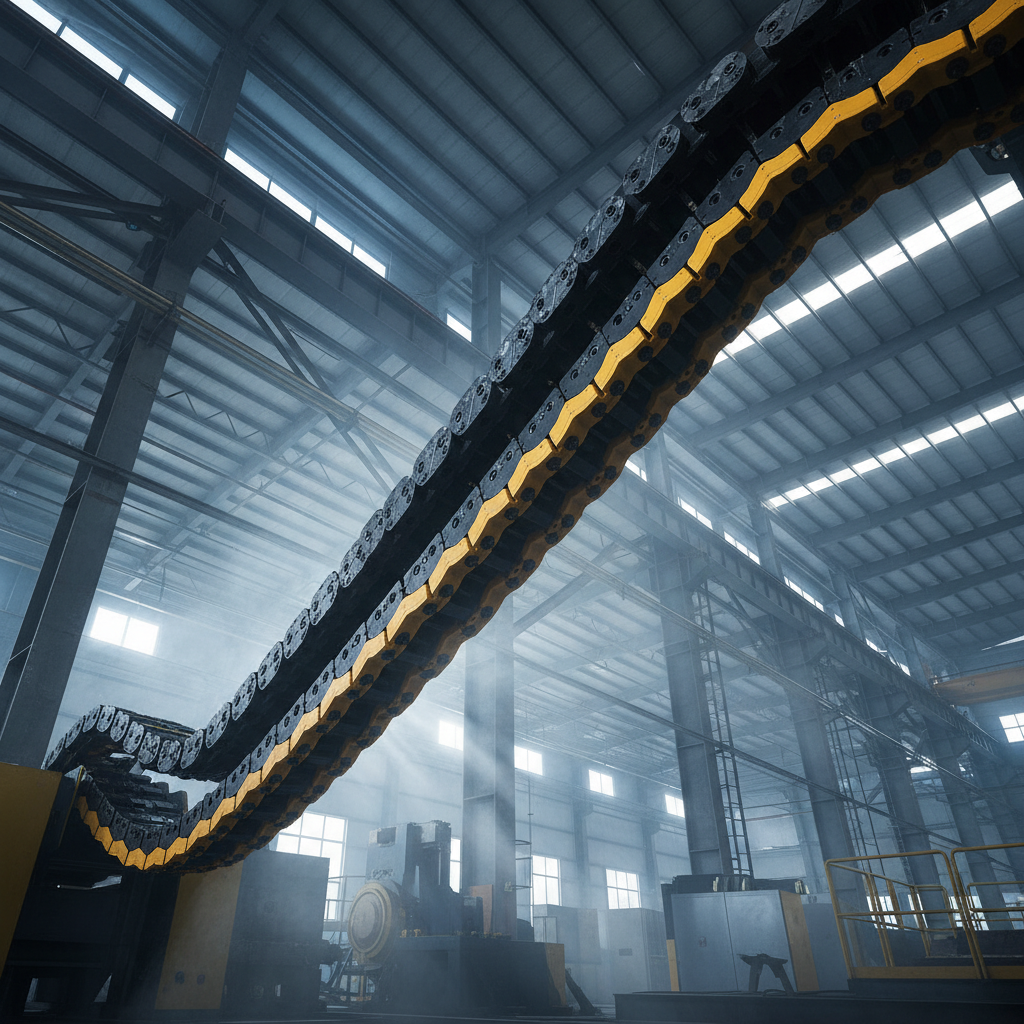
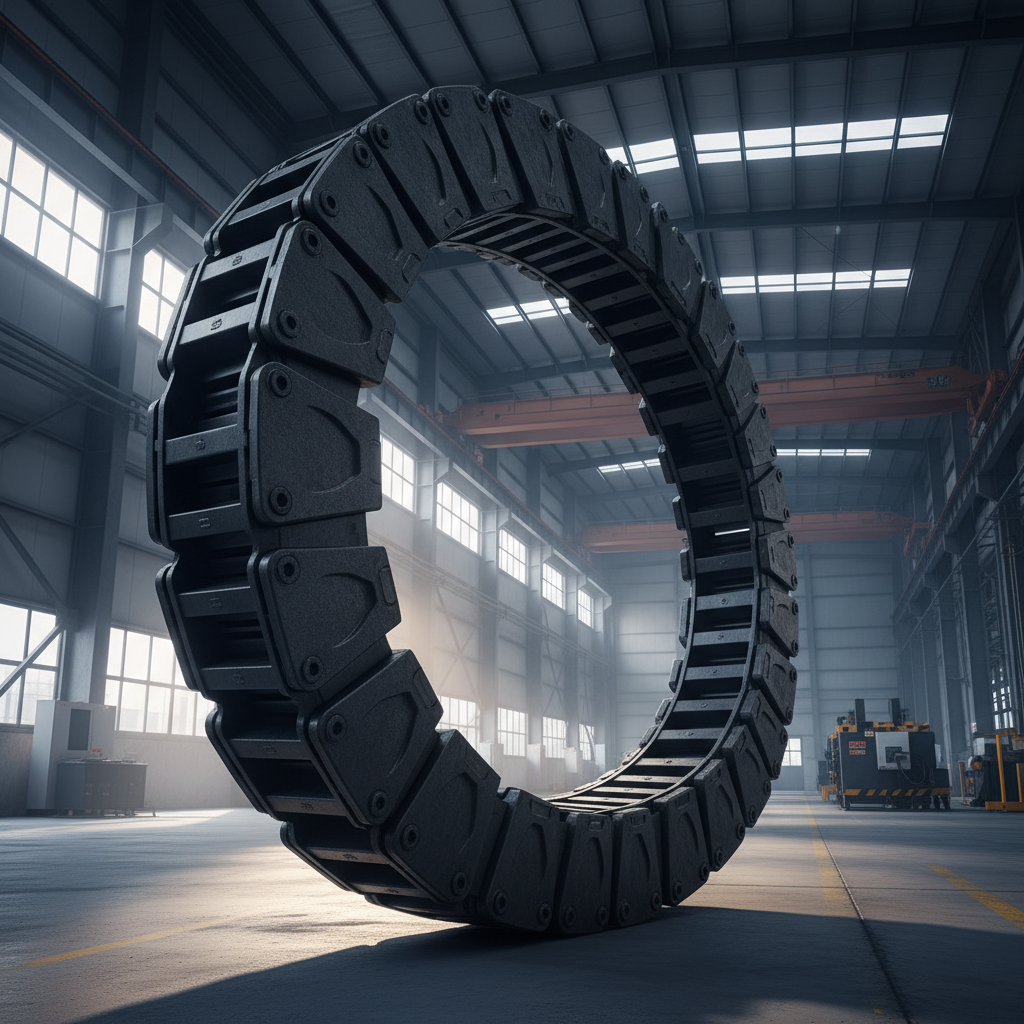
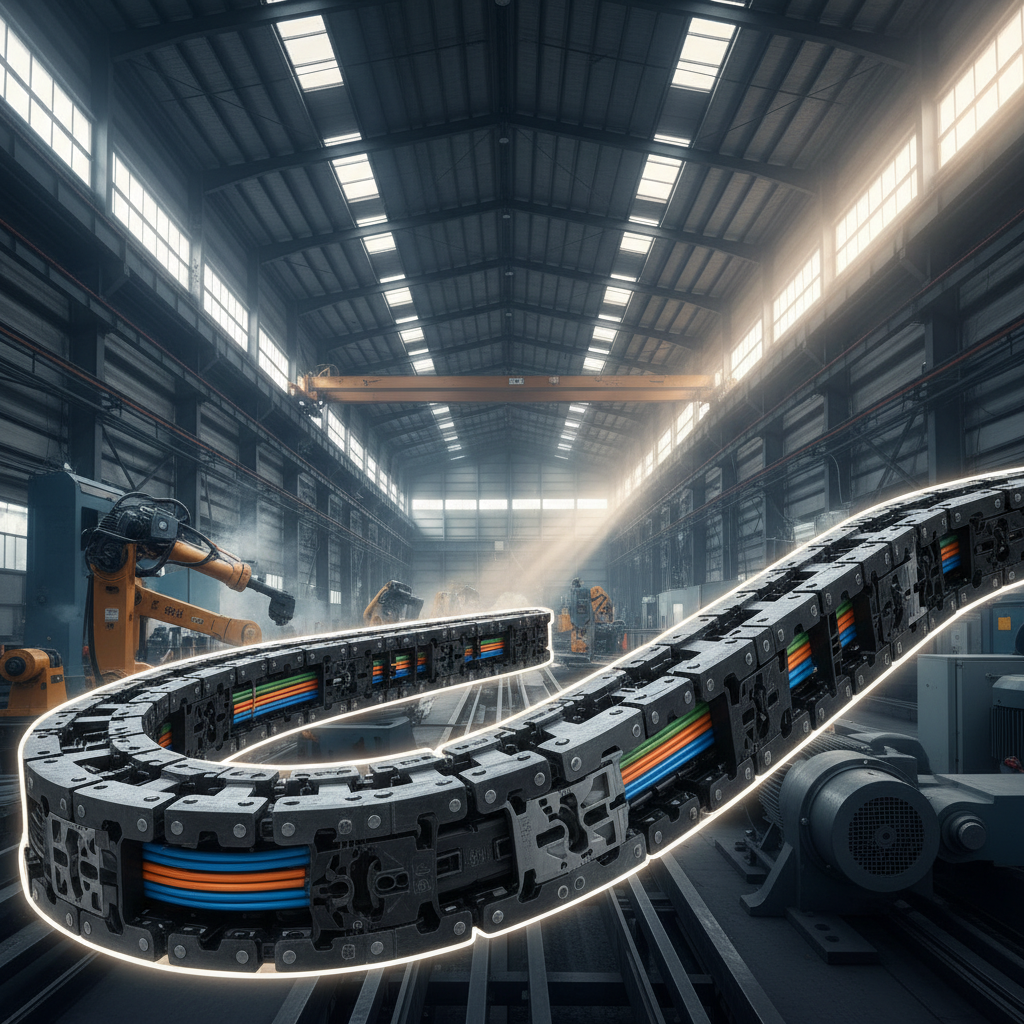
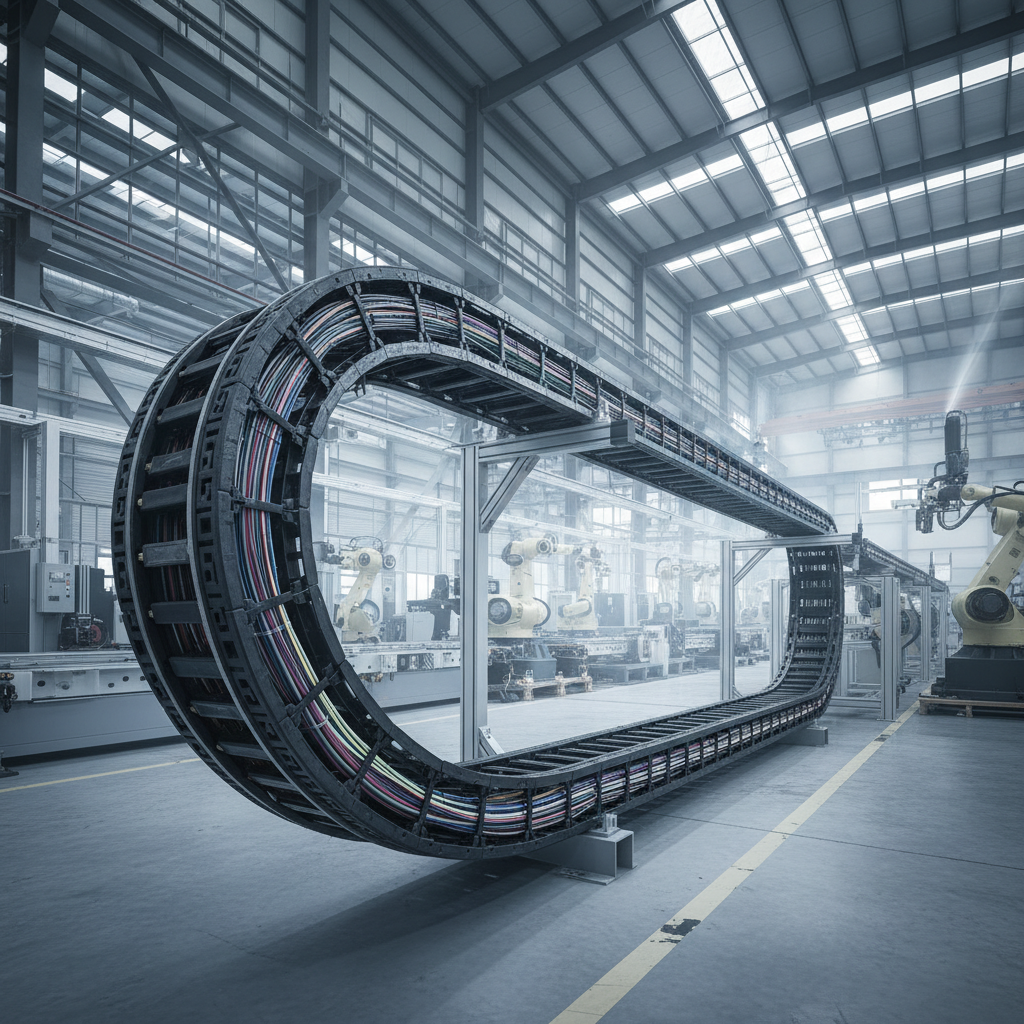
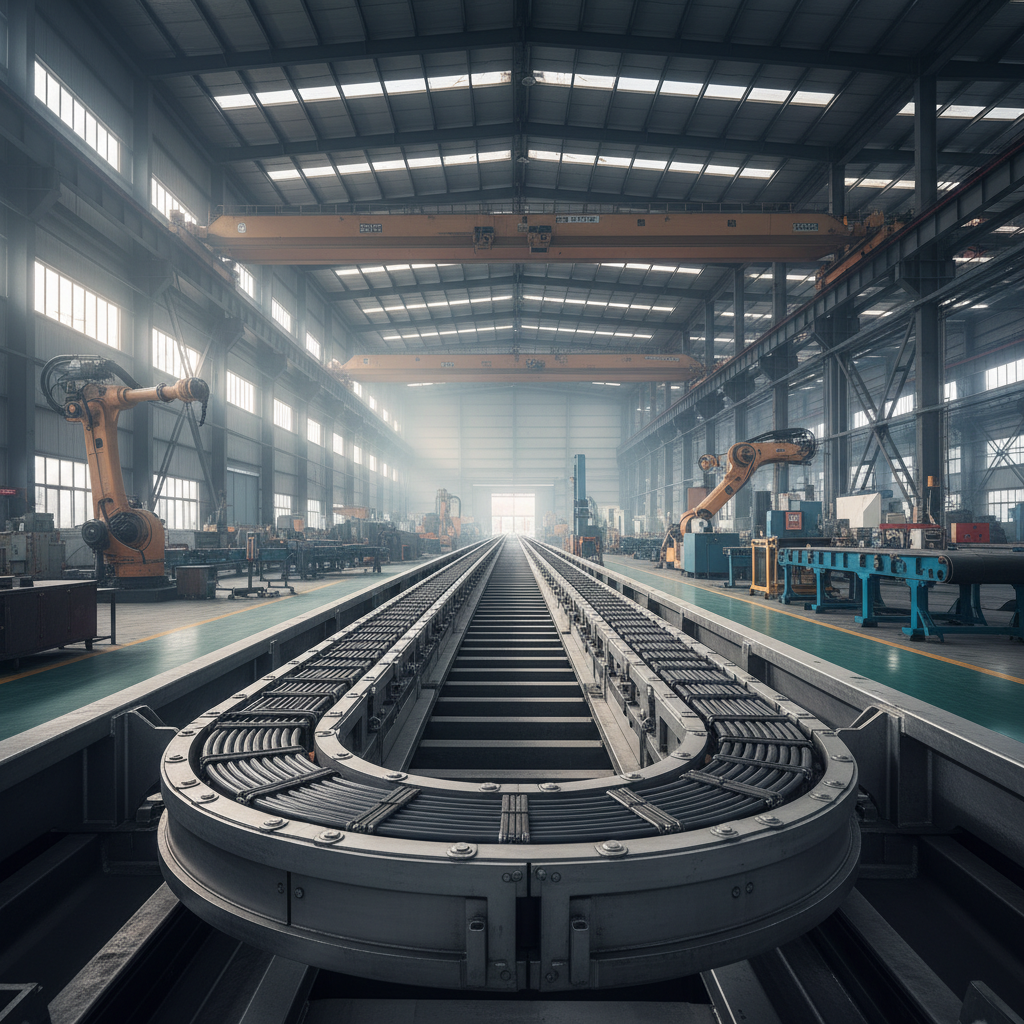
Plastic drag chain systems are revolutionizing industries worldwide, offering a robust and adaptable solution for managing cables, hoses, and other essential components in dynamic applications. From industrial automation and robotics to stage technology and renewable energy, the demand for reliable and efficient cable management is soaring. Understanding the principles and benefits of plastic drag chain is crucial for engineers, technicians, and anyone involved in designing or maintaining modern systems.
The global market for drag chain systems is experiencing significant growth, driven by factors like increasing automation, the expansion of renewable energy sectors, and the need for enhanced workplace safety. According to recent industry reports, the market is projected to reach billions of dollars in the coming years. This growth underscores the importance of selecting the right drag chain solution for specific needs, considering factors such as load capacity, environmental conditions, and flexibility requirements. A focus on innovation and sustainability is also shaping the future of this technology.
The inherent advantages of plastic drag chain – lightweight construction, corrosion resistance, and cost-effectiveness – make it an increasingly preferred alternative to traditional metal chains. This shift is not only improving operational efficiency but also contributing to a more sustainable industrial landscape. Proper implementation and maintenance of a plastic drag chain system directly translates to reduced downtime and extended equipment lifespan.
Introduction to Plastic Drag Chain
A plastic drag chain, also known as an energy chain or cable carrier, is a system designed to guide and protect electrical cables and air/fluid hoses in moving machinery. It's a crucial component in a wide variety of automated systems, ensuring the uninterrupted flow of power and resources. These chains are essential for maximizing the lifespan of cables and reducing the risk of system failures.
The increasing adoption of automation across various industries is fueling the demand for effective cable management solutions. Plastic drag chain systems provide a flexible and reliable method for containing and protecting vital connections, contributing to increased productivity and reduced maintenance costs. They offer a significant improvement over traditional methods like free-hanging cables or cumbersome cable trays.
Global Relevance and Industry Context
The need for robust cable management is a global concern, impacting industries from manufacturing and robotics to healthcare and entertainment. The United Nations Sustainable Development Goals (SDGs), particularly those related to industry, innovation, and infrastructure, indirectly benefit from advancements in technologies like plastic drag chain by enabling more efficient and reliable automation. The increasing prevalence of Industry 4.0 initiatives worldwide further drives demand for these systems.
Globally, industries are facing mounting pressure to improve efficiency, reduce downtime, and enhance safety. Inefficient cable management can lead to costly disruptions, damage to equipment, and even safety hazards. According to the International Organization for Standardization (ISO), proper cable management is a critical aspect of maintaining quality and safety standards in industrial environments.
The challenge lies in finding solutions that are both durable and adaptable to varying operational requirements. Traditional metal cable carriers can be heavy and prone to corrosion, whereas plastic drag chain systems offer a lightweight, corrosion-resistant, and cost-effective alternative, making them increasingly popular across diverse applications globally.
Defining Plastic Drag Chain
A plastic drag chain is essentially a flexible conduit comprised of interconnected links, typically made from high-strength polymers like polypropylene or polyamide. These links form a chain that guides and protects cables and hoses as they move along with machinery or equipment. The design allows for continuous bending and twisting without damaging the enclosed components.
This technology is intimately connected to the advancement of modern industry and humanitarian needs. In manufacturing, it ensures the reliable operation of robotic arms and automated machinery. In humanitarian settings, plastic drag chain can be used to protect power and communication lines in temporary shelters or field hospitals, providing essential services in challenging environments.
Essentially, it bridges the gap between stationary and moving parts, enabling the seamless transfer of energy and information. The increasing complexity of automated systems has made efficient and reliable cable management, provided by plastic drag chain, an indispensable component.
Key Factors and Core Components
Several key factors define the effectiveness of a plastic drag chain system. Durability is paramount, with materials chosen for their resistance to wear, impact, and environmental factors. Flexibility ensures the chain can accommodate complex movements without stressing the cables within. Load capacity dictates the amount of weight the chain can safely support.
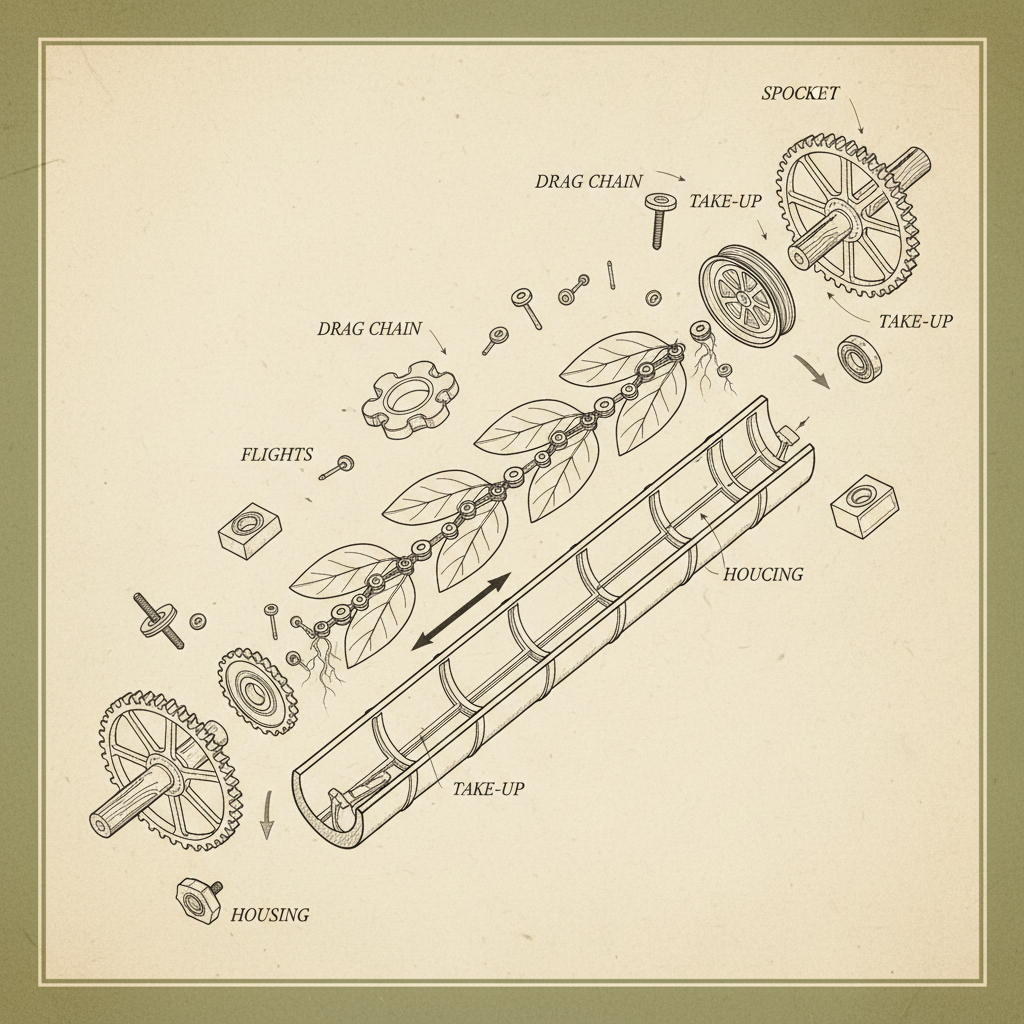
Other essential components include the chain links themselves, often available in various sizes and materials. Side openings allow for easy access to cables. Strain relief systems minimize stress on cables during bending. And connectors enable the chain to be easily assembled and extended. These components work in synergy to provide a comprehensive cable management solution.
Plastic Drag Chain Performance Metrics
Global Applications & Use Cases
Plastic drag chain systems are implemented across a wide range of industries. In the automotive sector, they are used in robotic welding and painting applications. In the aerospace industry, they protect cables in aircraft maintenance equipment. And in the food and beverage industry, their hygienic properties make them ideal for use in automated packaging lines.
In post-disaster relief operations, portable generators and communication systems often rely on plastic drag chain to ensure reliable power and connectivity. In remote industrial zones, such as mining operations or offshore platforms, they provide critical cable protection in harsh environments. The versatility of the systems makes them a valuable asset in diverse scenarios.
Advantages & Long-Term Value
The advantages of using plastic drag chain are numerous. Cost-effectiveness is a major driver, as plastic chains are generally more affordable than their metal counterparts. Sustainability is enhanced through the use of recyclable materials and reduced energy consumption during manufacturing. Social impact is improved by enhancing workplace safety and reducing the risk of accidents.
Reliability is arguably the most significant benefit. By protecting cables from damage and wear, plastic drag chain reduces downtime and extends the lifespan of critical equipment, increasing overall productivity. This translates to long-term cost savings and a more sustainable operational model. The peace of mind that comes with knowing your cables are securely protected fosters trust and confidence in your systems.
Future Trends & Innovations
The future of plastic drag chain is poised for significant innovation. Researchers are exploring new materials, such as bio-based plastics, to further enhance sustainability. The integration of smart sensors into drag chain systems is enabling predictive maintenance and remote monitoring capabilities.
The increasing adoption of digital transformation initiatives and automation will drive demand for more sophisticated cable management solutions. The combination of plastic drag chain with technologies like artificial intelligence and machine learning will enable optimized performance and reduced downtime, aligning with the goals of Industry 5.0.
Furthermore, the growing focus on green energy and sustainable manufacturing is pushing the development of plastic drag chain systems designed for extreme environments and demanding applications.
Summary of Challenges and Solutions Related to Plastic Drag Chain
| Challenge |
Impact on Plastic Drag Chain Performance |
Potential Solution |
Implementation Difficulty (1-5) |
| Material Degradation |
Reduced lifespan and structural integrity |
Utilize UV-resistant and chemically inert plastics |
2 |
| Cable Wear |
Potential for short circuits and system failures |
Implement internal cable guides and strain relief systems |
3 |
| Environmental Contamination |
Reduced chain flexibility and increased wear |
Select sealed chain designs or implement regular cleaning protocols |
4 |
| Incorrect Sizing |
Restricted cable movement and potential damage |
Accurate cable fill calculation and appropriate chain selection |
1 |
| High Dynamic Loads |
Chain fatigue and premature failure |
Reinforced chain designs and load distribution strategies |
3 |
| Maintenance Neglect |
Gradual degradation of performance and eventual failure |
Regular inspection, lubrication, and component replacement |
2 |
FAQS
Plastic drag chain offers several advantages, including significantly lighter weight, corrosion resistance, lower cost, and quieter operation. Metal chains can be prone to rust and require more maintenance, making plastic an ideal solution for many applications. It's also less likely to damage cables due to its smoother interior surfaces, contributing to longer cable lifespans.
Determining the correct size involves calculating the total cross-sectional area of all cables and hoses that will be contained within the chain. You need to allow for some free space (typically 30-40%) to ensure smooth movement and prevent stress on the cables. Consider both static and dynamic bending radii and consult manufacturer specifications for load capacity.
The most common materials used for plastic drag chain are polypropylene (PP) and polyamide (PA), also known as nylon. PP is lightweight and cost-effective, suitable for less demanding applications. PA offers higher strength, abrasion resistance, and temperature resistance, making it ideal for heavier loads and harsher environments.
Proper installation involves securely mounting the chain ends, ensuring correct chain length, and carefully arranging cables within the chain to prevent tangling or twisting. Avoid sharp bends and ensure the chain moves freely throughout its entire range of motion. Regularly check for proper alignment and tension.
The lifespan of a plastic drag chain depends on various factors, including the operating environment, load, speed, and quality of the materials. With proper maintenance and correct application, a plastic drag chain can last for several years – often exceeding five years – before requiring replacement. Regular inspections can help identify and address potential issues before they lead to failure.
Periodic maintenance includes visual inspections for wear and tear, cleaning to remove debris, and lubrication of the chain links, if recommended by the manufacturer. Check for proper cable fill and alignment. Addressing minor issues promptly can prevent more significant problems and extend the overall lifespan of the system.
Conclusion
Plastic drag chain systems represent a critical component in modern automation and industrial operations, providing a reliable and cost-effective solution for cable and hose management. Their versatility, durability, and ease of installation make them a preferred choice across diverse applications, from manufacturing and robotics to renewable energy and disaster relief. By understanding the key factors and benefits of these systems, engineers and technicians can optimize performance, reduce downtime, and enhance workplace safety.
Looking ahead, continued innovation in materials, design, and integration with smart technologies will further enhance the capabilities of plastic drag chain. Embracing these advancements will not only improve operational efficiency but also contribute to a more sustainable and resilient industrial landscape. For high-quality plastic drag chain solutions and expert guidance, visit our website today.

 FIND USHIGH-TECH ZONE
 CALL US TODAY
 EMAIL US NOW