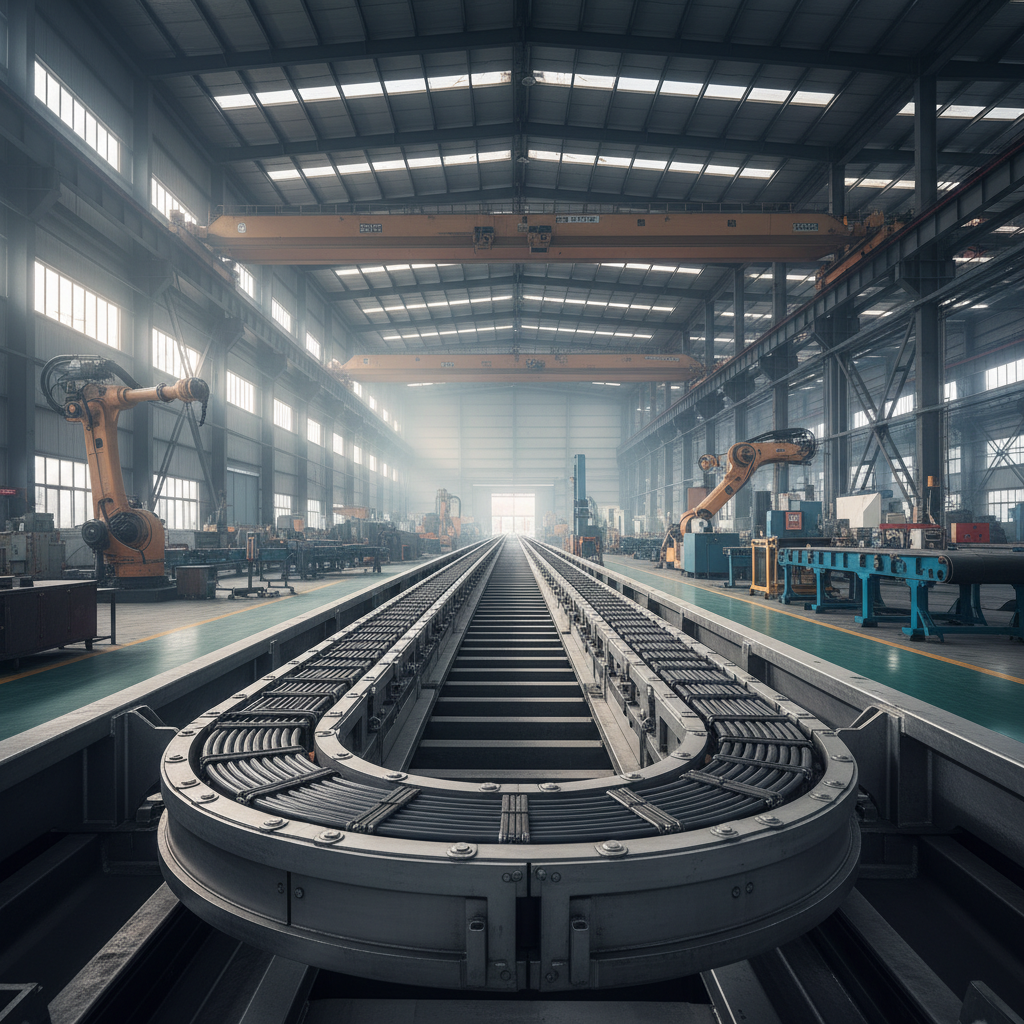
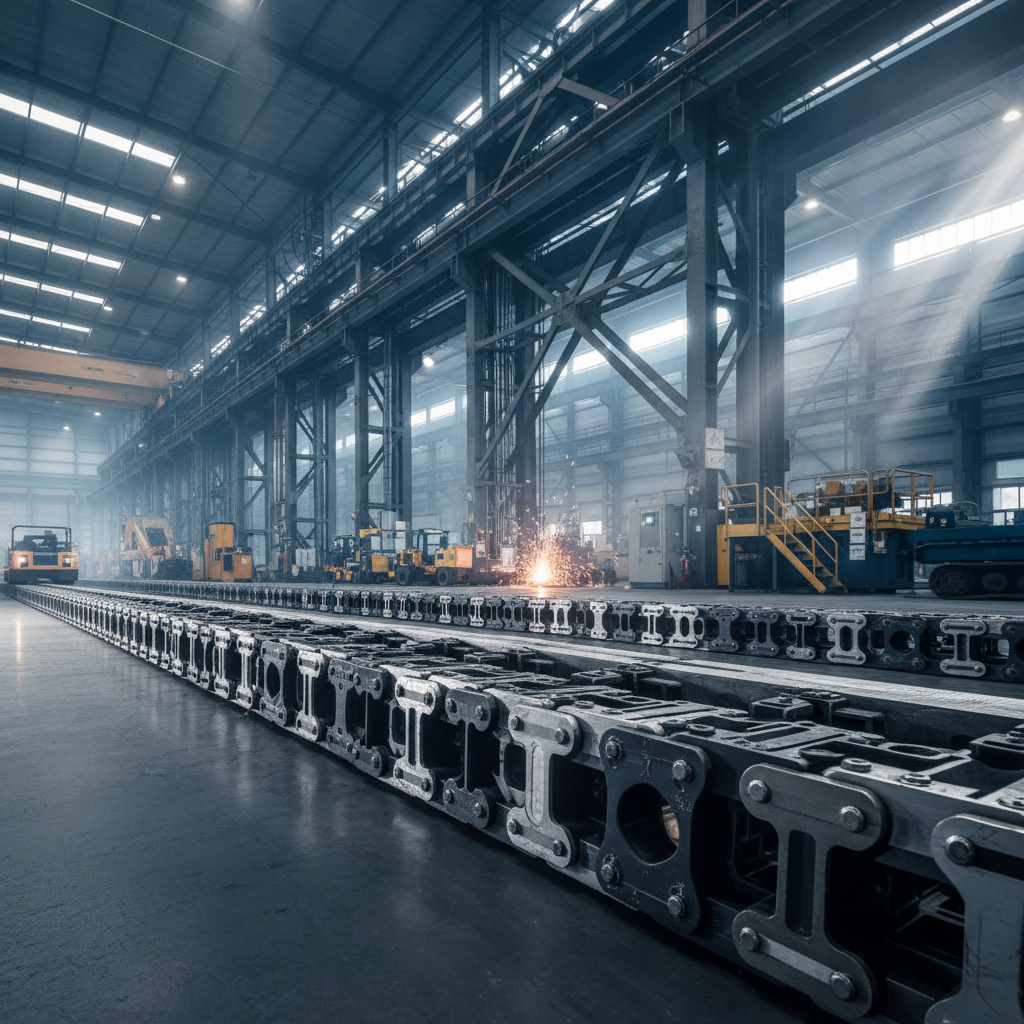
Plastic drag chain cable carriers are essential components in modern automation and robotics, providing crucial protection and guidance for moving electrical cables and hoses. Their widespread adoption is driven by the increasing demand for efficient and reliable systems in industries ranging from manufacturing and construction to renewable energy and aerospace. Understanding the intricacies of these systems—their design, materials, applications, and future trends—is vital for engineers, technicians, and anyone involved in the implementation and maintenance of automated equipment. They enable continuous operation, minimize downtime, and enhance the overall safety and longevity of industrial machinery.
Globally, the demand for plastic drag chain cable carriers is surging, fuelled by rapid industrialization in emerging economies and the ongoing automation revolution across developed nations. The United Nations Industrial Development Organization (UNIDO) reports a consistent increase in industrial output worldwide, demanding more sophisticated cable management solutions. ISO standards increasingly emphasize safety and operational efficiency, further driving the need for reliable drag chain systems. Addressing challenges like cable wear, environmental factors, and complex motion profiles requires innovative drag chain designs and materials.
The core function of a plastic drag chain cable carrier is to organize and protect electrical cables and hoses as they move with machinery. Often referred to simply as “energy chains” or “cable carriers,” these systems prevent cables from tangling, snagging, or suffering abrasion during dynamic applications. They’re a fundamental element in enabling automation, robotics, and material handling processes, playing a critical role in various industries and contributing to increased productivity and operational safety.
Introduction to plastic drag chain cable carrier
Plastic drag chain cable carriers are the workhorses of modern automated systems, enabling the reliable and protected movement of vital cables and hoses. Their robust design and adaptability make them indispensable in various industrial settings, contributing to improved efficiency and reduced downtime. Selecting the right plastic drag chain cable carrier for a specific application requires careful consideration of factors like load capacity, speed, and environmental conditions.
The evolution of these carriers reflects a broader trend towards optimized industrial processes. Early cable management solutions were often rudimentary and prone to failure, resulting in costly repairs and interruptions. Today’s plastic drag chain cable carriers represent a sophisticated and engineered approach, offering superior protection, flexibility, and longevity.
Global Relevance & Industry Context
The global market for plastic drag chain cable carriers is closely tied to the growth of automation and robotics. According to a recent report by Market Research Future, the global energy chain market is projected to reach USD 6.5 billion by 2030, with a CAGR of over 6%. This growth is primarily driven by the increasing adoption of automation in sectors such as automotive, electronics, and food processing. Furthermore, the expansion of renewable energy infrastructure, particularly wind and solar power, is creating significant demand for reliable cable management solutions.
Industries that heavily rely on plastic drag chain cable carriers include manufacturing, material handling, and machine tools. In automotive manufacturing, they are essential for robot arms and automated assembly lines. The packaging industry utilizes them in high-speed filling and labeling machines. The increasing complexity of these systems demands robust and adaptable cable carriers to ensure smooth and continuous operation.
A significant challenge the plastic drag chain cable carrier addresses is the protection of sensitive cables and hoses from harsh environments. Exposure to dust, moisture, chemicals, and extreme temperatures can lead to cable degradation and system failures. A well-designed drag chain provides a protective enclosure, extending the lifespan of cables and reducing the risk of costly downtime.
Defining Plastic Drag Chain Cable Carriers
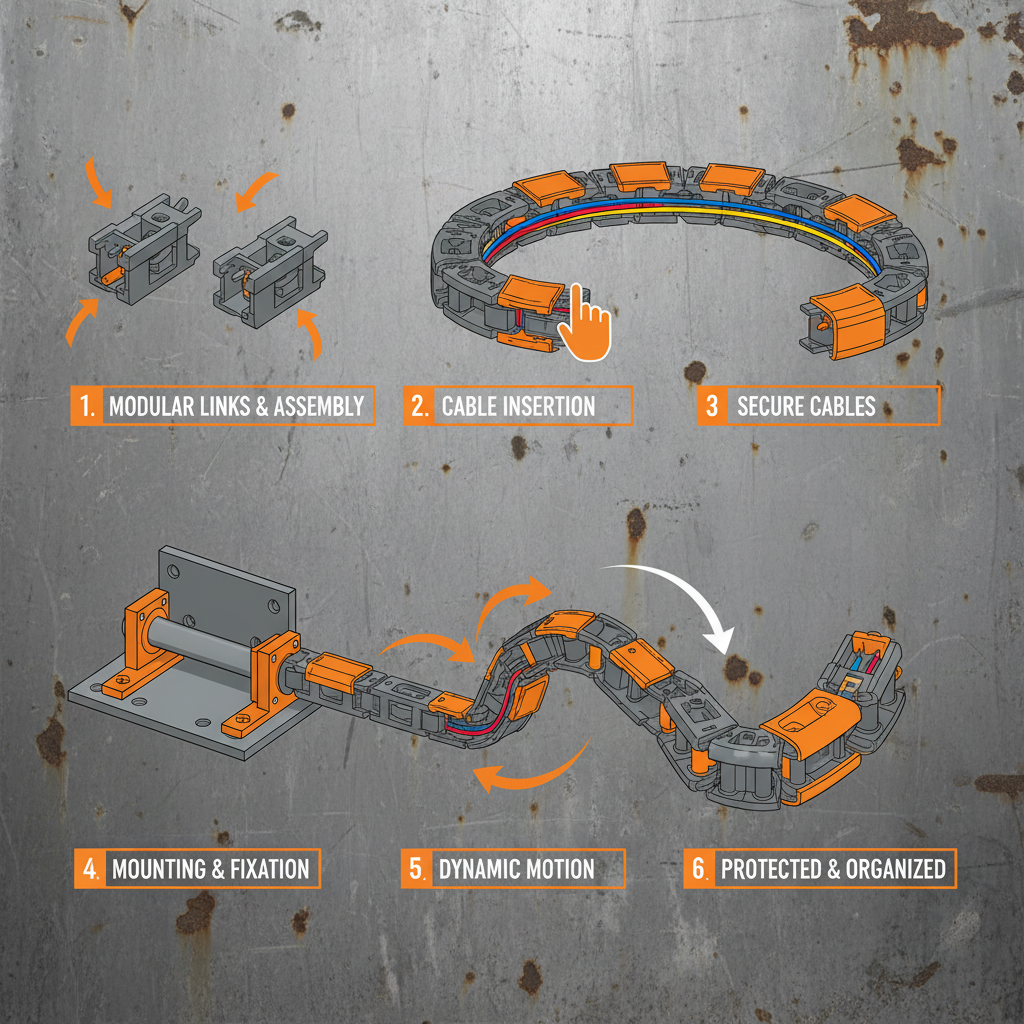
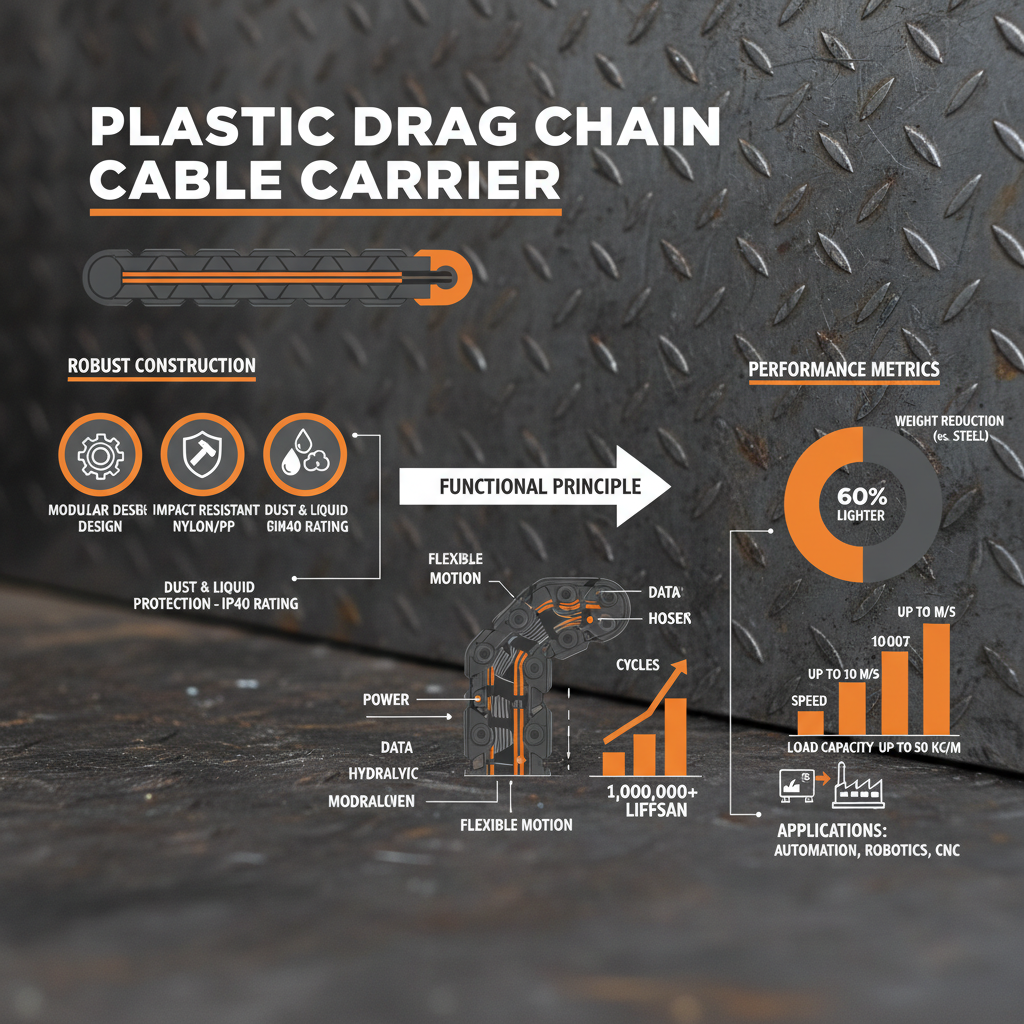
A plastic drag chain cable carrier is a flexible conduit system designed to support, protect, and guide moving cables and hoses in industrial machinery. It's comprised of interconnected links, typically made from high-strength polymers like polypropylene, polyethylene, or polyamide, forming a chain-like structure. These links are designed to flex and bend in multiple directions, allowing the cables to move smoothly with the machinery without becoming tangled or damaged.
The connection between a plastic drag chain cable carrier and modern industry stems from the need for reliable automation. As industries increasingly adopt robotic and automated processes, ensuring the smooth and protected movement of power and data cables is paramount. They are also integral to humanitarian needs, providing critical power and communication to field hospitals, disaster relief centers, and remote monitoring stations.
Unlike traditional cable wrapping or unsupported cable runs, a plastic drag chain provides a structured and organized approach to cable management. This not only protects the cables but also simplifies maintenance and troubleshooting. The modular design of many drag chains allows for easy modification and expansion, adapting to changing system requirements.
Key Factors of plastic drag chain cable carrier
One crucial aspect is Durability. High-quality plastic drag chain cable carriers are constructed from materials resistant to wear, abrasion, and chemical exposure. This ensures a long service life, even in demanding industrial environments. A robust design minimizes the risk of breakage and cable damage, reducing downtime and maintenance costs.
Scalability is another key consideration. Drag chains are available in a wide range of sizes and configurations, allowing them to accommodate various cable quantities and sizes. Modular designs facilitate easy expansion or modification to adapt to changing system needs. This flexibility is essential for accommodating future upgrades or modifications to the automated system.
Cost Efficiency is a significant advantage. While the initial investment may be higher than basic cable management methods, the long-term cost savings from reduced downtime, cable replacement, and maintenance often outweigh the upfront expense. The extended lifespan and reduced repair needs contribute to a lower total cost of ownership.
Flexibility allows for complex movement patterns. Drag chains can accommodate multiple axes of movement, including horizontal, vertical, and rotational motions. This is critical for applications involving robotic arms, CNC machines, and other dynamic equipment. The ability to bend and twist without compromising cable integrity is a defining feature.
Ease of Installation & Maintenance is paramount. Modern plastic drag chain cable carriers are designed for quick and easy installation, often requiring minimal tools or specialized expertise. The modular design also simplifies maintenance, allowing for quick replacement of individual links or sections if needed.
Environmental Resistance is vital. Depending on the application, drag chains must withstand exposure to various environmental factors, such as extreme temperatures, humidity, dust, and chemicals. Selecting the appropriate material for the specific environment is crucial for ensuring long-term reliability.
Plastic Drag Chain Cable Carrier Performance Metrics
Global Applications and Use Cases
In the automotive industry, plastic drag chain cable carriers are vital for robotic welding, painting, and assembly applications. They ensure the reliable movement of cables powering and controlling robotic arms, contributing to increased production efficiency and quality control. Automotive manufacturers in Germany, Japan, and the United States are major consumers of these systems.
Within the renewable energy sector, particularly wind turbines, drag chains are used to manage cables connecting the nacelle (turbine housing) to the base. These cables transmit power and control signals, and must withstand constant movement and harsh weather conditions. In remote wind farms, minimizing maintenance and ensuring reliability is crucial.
In post-disaster relief operations, portable plastic drag chain cable carrier systems can be quickly deployed to establish temporary power and communication networks. Their lightweight and modular design make them ideal for rapid deployment in challenging environments. Remote industrial zones, lacking extensive infrastructure, also benefit from the ease of installation and flexibility offered by these systems.
Advantages & Long-Term Value
The tangible benefits of using plastic drag chain cable carriers are numerous. Cost savings stem from reduced cable replacement costs, minimized downtime, and decreased maintenance requirements. The increased reliability of automated systems translates to higher productivity and improved overall operational efficiency. Furthermore, the protection afforded to cables enhances workplace safety by reducing the risk of electrical hazards.
The long-term value extends beyond purely economic considerations. Utilizing durable and reliable cable management solutions contributes to sustainability by reducing waste and extending the lifespan of equipment. The emotional aspect of safety and the trust placed in a reliable system are also important factors. Innovation in drag chain design further enhances these benefits, offering even greater protection, flexibility, and ease of use.
Future Trends & Innovations
The future of plastic drag chain cable carriers is closely linked to advancements in materials science and automation technologies. The development of new polymers with enhanced strength, flexibility, and temperature resistance will lead to even more durable and reliable systems. Integration with smart sensors and IoT platforms will enable real-time monitoring of cable health and predictive maintenance.
The growing focus on sustainability is driving demand for eco-friendly materials and recyclable drag chain designs. The integration of lightweight materials and optimized designs will contribute to energy efficiency. Furthermore, the convergence of drag chain technology with digital transformation and automation initiatives will unlock new possibilities for intelligent cable management.
Challenges & Solutions
A common challenge is selecting the appropriate drag chain for specific applications. Factors like cable weight, bending radius, and environmental conditions must be carefully considered. Incorrect selection can lead to premature failure and downtime. A solution is utilizing vendor expertise and detailed application analysis to ensure optimal compatibility.
Another limitation is the potential for noise generation, particularly in high-speed applications. This can be mitigated through the use of low-friction materials, optimized link designs, and sound-dampening features. Regularly lubricating the chain links can also reduce friction and noise.
Addressing cable strain and stress concentration within the drag chain is also critical. Proper cable routing, appropriate chain size, and the use of strain relief mechanisms can prevent cable damage and extend lifespan. Regular inspections and maintenance are essential for identifying and addressing potential issues before they escalate.
Summary of Challenges and Solutions for Plastic Drag Chain Cable Carriers
| Challenge |
Severity (1-10) |
Proposed Solution |
Implementation Cost (1-10) |
| Incorrect Chain Selection |
8 |
Detailed Application Analysis |
3 |
| Noise Generation |
6 |
Low-Friction Materials & Lubrication |
4 |
| Cable Strain |
9 |
Proper Routing & Strain Relief |
5 |
| Environmental Degradation |
7 |
Material Selection Based on Environment |
2 |
| Link Failure |
5 |
Regular Inspection & Replacement |
3 |
| Limited Flexibility |
4 |
Modular Design & Optimized Link Geometry |
6 |
FAQS
The optimal bending radius depends on the specific design and material of the drag chain. Generally, a larger bending radius is preferred to minimize stress on the cables. Manufacturers typically provide recommendations based on the chain's dimensions and load capacity. Using a radius smaller than recommended can cause cable damage and premature failure, leading to costly downtime. Refer to the product datasheet for specific guidance, as exceeding the recommended bending radius can severely compromise functionality.
Determining the correct size requires considering the number and diameter of cables and hoses, the travel distance, and the application’s environmental conditions. Measure the bundled diameter of all cables and add at least 20% to allow for movement and flexibility. Ensure the selected drag chain’s inner height and width accommodate the bundle with sufficient clearance. Consulting with a supplier like plastic drag chain cable carrier can ensure proper sizing and optimize performance.
Plastic drag chain cable carriers are commonly manufactured from Polypropylene (PP), Polyethylene (PE), Polyamide (Nylon), or a combination of these materials. PP offers good chemical resistance and affordability. PE is lightweight and provides impact resistance. Polyamide (Nylon) boasts high strength, abrasion resistance, and temperature stability. Material selection depends on the application’s specific requirements and operating environment.
Regular inspection and maintenance are crucial for ensuring long-term reliability. Visually inspect the drag chain for signs of wear, damage, or misalignment at least monthly. Lubricate the links periodically to reduce friction and noise. Check cable routing and ensure proper strain relief. Address any issues promptly to prevent further damage and downtime. A proactive maintenance schedule significantly extends the lifespan of the system.
Yes, plastic drag chains can be used outdoors, but selecting the appropriate material is essential. UV-resistant materials like specialized polyamides or PP compounds are necessary to withstand prolonged exposure to sunlight. Consider temperature fluctuations and potential exposure to moisture and chemicals. Ensure the drag chain is properly supported and protected from extreme weather conditions for optimal performance.
Closed-style drag chains provide a higher degree of protection against dirt, dust, and other contaminants, making them ideal for harsh environments. They also offer improved cable support and prevent cables from falling out during movement. While they may be slightly more expensive than open-style chains, the added protection and reliability often justify the cost in demanding applications.
Conclusion
Plastic drag chain cable carriers are indispensable components in modern industrial automation, offering a robust, reliable, and cost-effective solution for managing cables and hoses in dynamic applications. Their versatility, scalability, and ease of maintenance make them essential for various industries, contributing to increased productivity, enhanced safety, and reduced downtime. Understanding the factors that influence their performance and selecting the right system for a specific application is crucial for maximizing their benefits.
Looking ahead, continued innovation in materials science and design will drive further improvements in drag chain technology. The integration of smart sensors and IoT connectivity will enable predictive maintenance and optimized performance. Embracing these advancements will unlock even greater potential for plastic drag chain cable carriers to streamline industrial processes and contribute to a more sustainable and efficient future. Visit our website at www.agilechains.com to explore our range of high-quality solutions.

 FIND USHIGH-TECH ZONE
 CALL US TODAY
 EMAIL US NOW