-
 FIND USHIGH-TECH ZONE
 -
 CALL US TODAY
 -
 EMAIL US NOW
cnc drag chains are essential components in modern industrial automation, particularly within CNC machining environments. These robust and flexible systems facilitate the safe and organized management of cables and hoses as they move with the machine tool during operation. Their importance stems from their ability to prevent entanglement, abrasion, and potential failure of critical machine control and power lines, ultimately boosting productivity and extending equipment lifespan.
The global demand for cnc drag chains is directly tied to the growth of the manufacturing sector, especially in regions experiencing rapid industrialization like Asia-Pacific. According to recent reports, the CNC machine market is projected to reach \$95.5 billion by 2028, driving a corresponding need for reliable cable management solutions. The absence of effective cable and hose management leads to costly downtime, reduced machine accuracy, and increased safety hazards, highlighting the critical role these chains play.
Understanding cnc drag chain technology isn't merely about hardware; it’s about optimizing manufacturing processes, enhancing operational safety, and future-proofing industrial infrastructure. From small workshops to large-scale automated factories, these systems offer a scalable and cost-effective solution for managing dynamic machine elements.
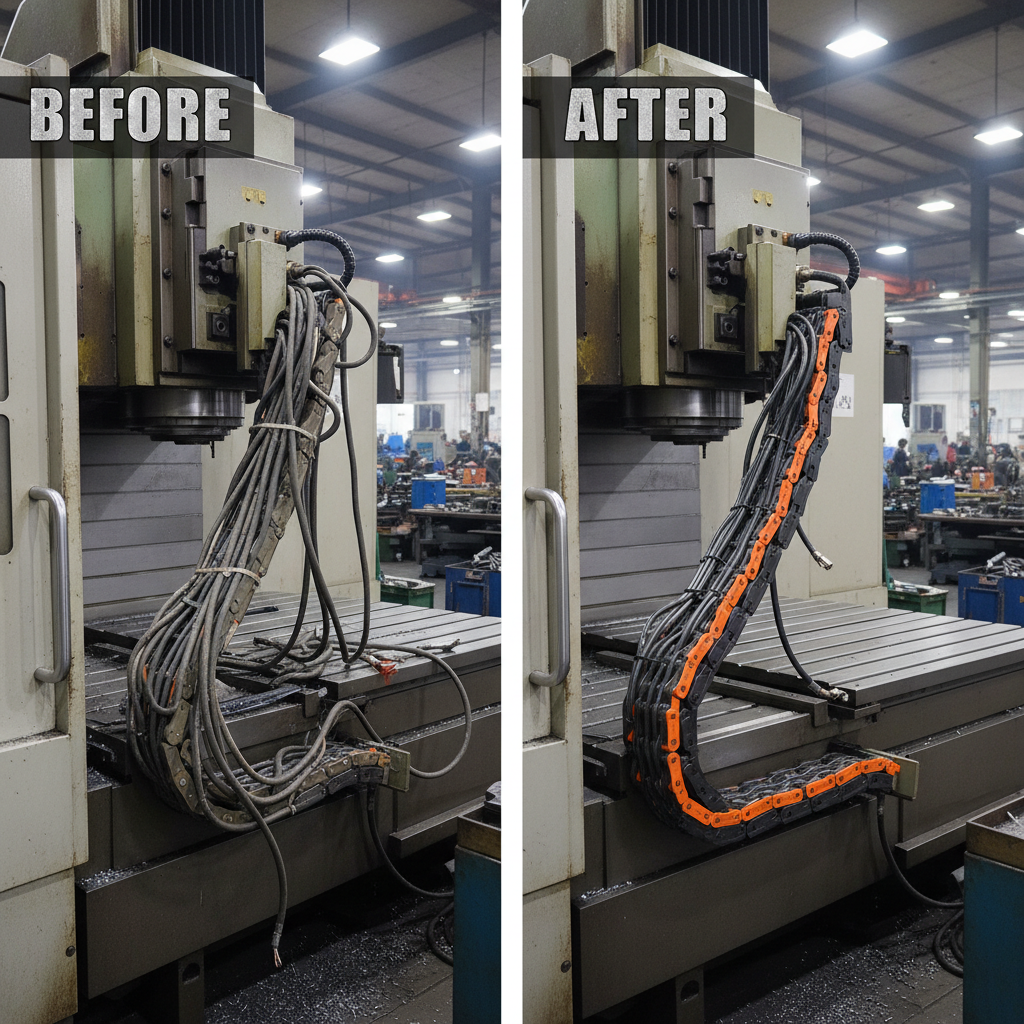
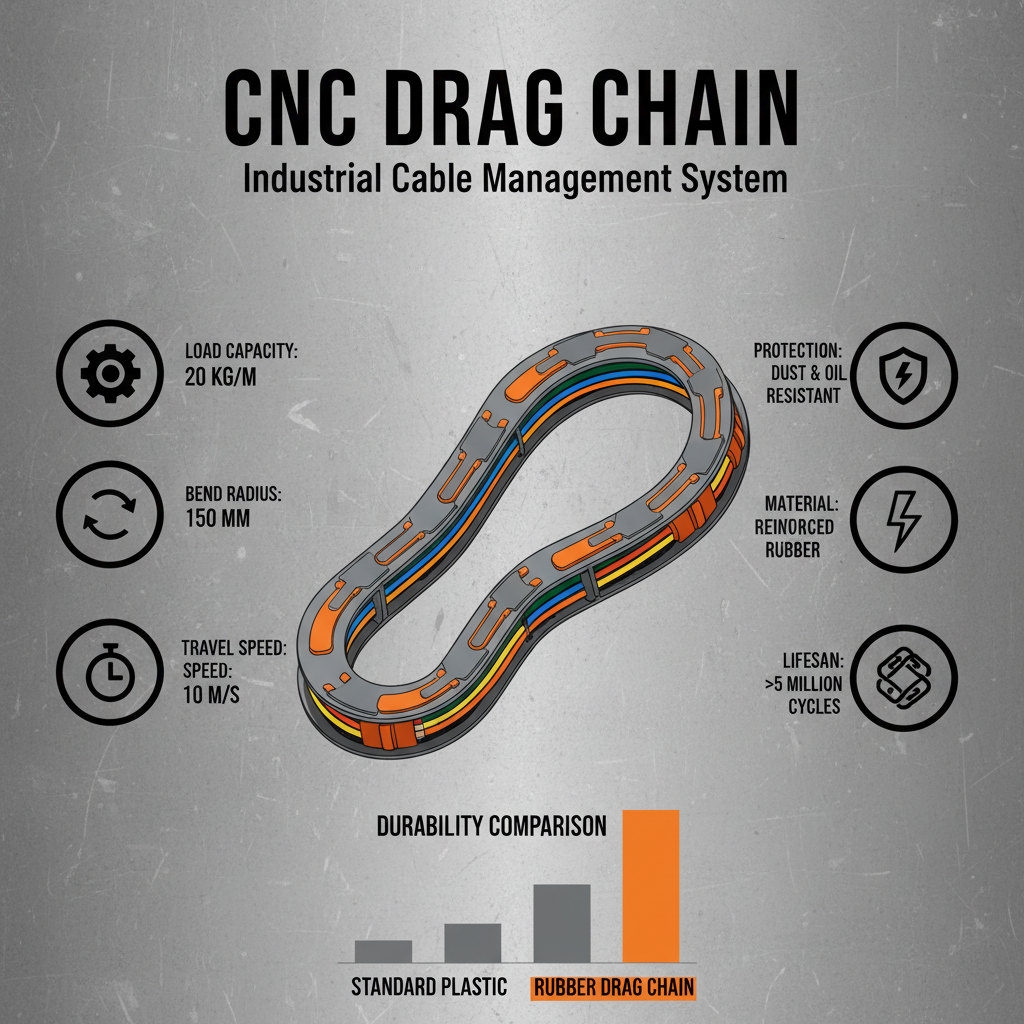
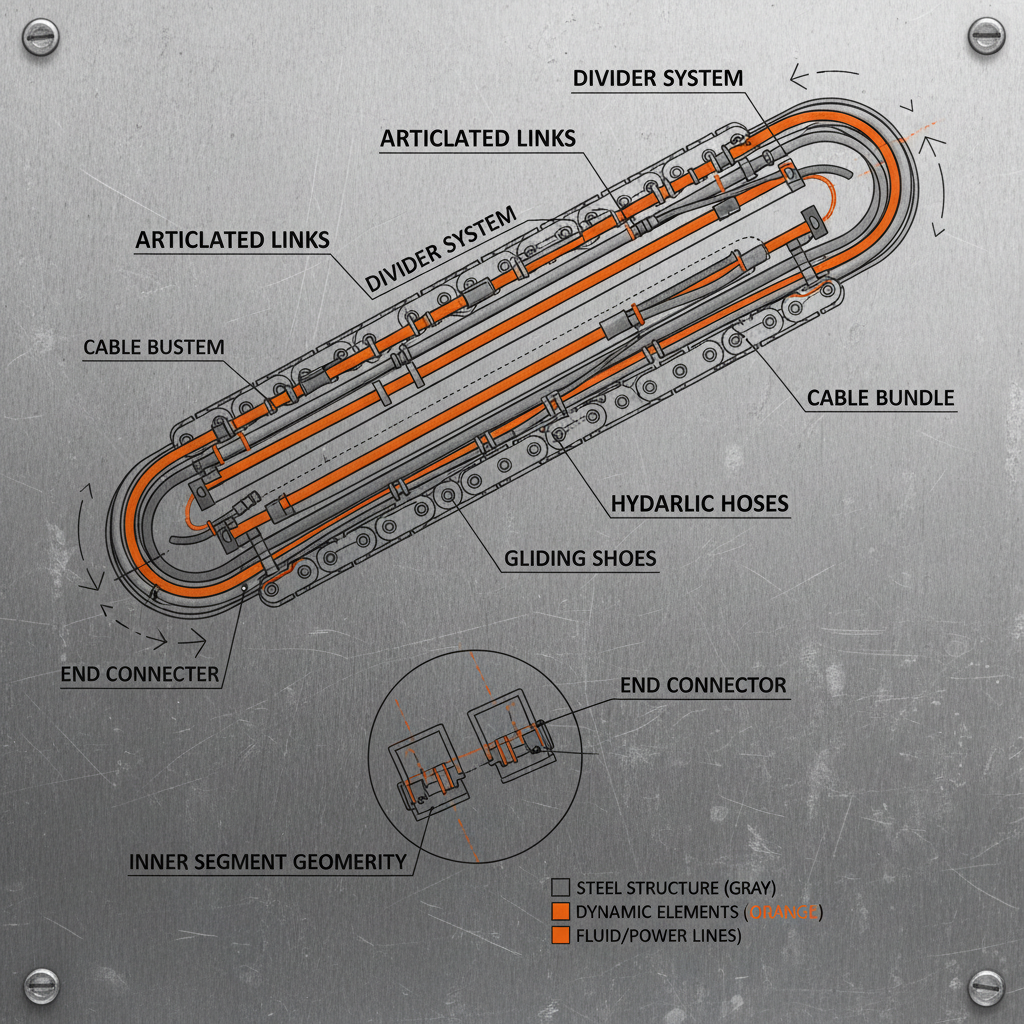
cnc drag chains, also known as energy chains or cable carriers, are fundamental to the reliable operation of CNC machines. They provide a guided pathway for moving cables and hoses, protecting them from wear, tear, and potential damage during continuous motion. Without these systems, the delicate wiring and fluid lines of a CNC machine are vulnerable to failure, impacting production efficiency and safety.
The design of a cnc drag chain isn’t simply about containment. Modern chains are engineered to accommodate various cable types, sizes, and bending radii, ensuring optimal performance and longevity. The choice of material, link construction, and chain geometry all contribute to the overall effectiveness of the system, tailored to the specific demands of the CNC application.
Choosing the right cnc drag chain involves assessing your application’s specific needs. Key considerations include the weight of the cables and hoses, the bending radius required, the operating environment (temperature, chemicals, etc.), and the travel speed and acceleration. Also, consider the type of links (open, closed, or hybrid) and the material composition for optimal durability and performance. A thorough analysis will ensure you select a chain that meets your requirements and provides long-lasting reliability.
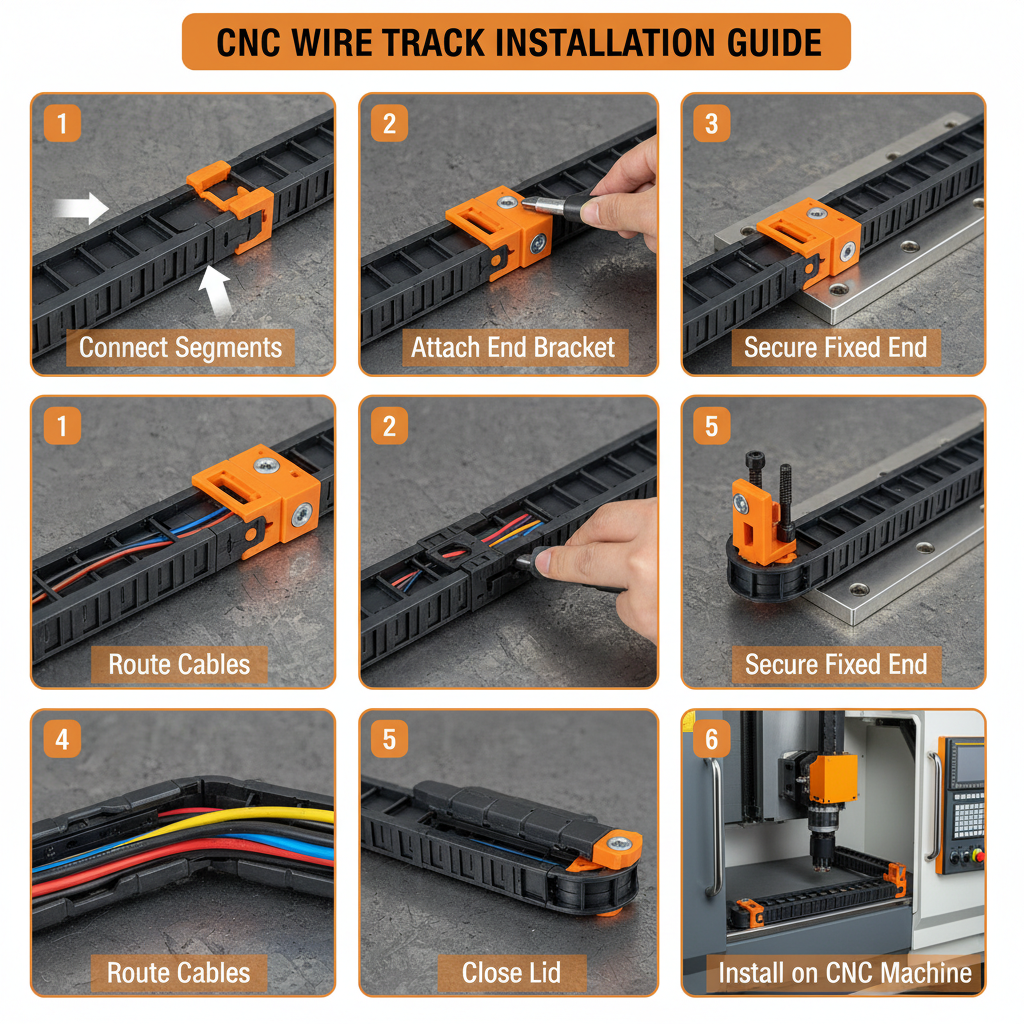
Proper installation is crucial for the longevity and performance of your cnc drag chain. Begin by ensuring the chain is sized correctly for the application. Securely mount the chain’s end connectors to the machine frame and moving carriage, ensuring alignment. Carefully route the cables and hoses through the chain, avoiding tight bends or twists. Utilize strain relief systems to prevent stress on the cables. Regular inspection and adjustment are essential for maintaining optimal performance.
The lifespan of a cnc drag chain varies depending on the operating conditions, maintenance practices, and the quality of the materials used. With proper installation and regular maintenance, a well-chosen chain can last for several years, often exceeding 5 million cycles. However, harsh environments, heavy loads, and inadequate maintenance can significantly shorten its lifespan. Regular inspections and timely replacements of worn components are essential.
Closed-style cnc drag chains offer superior protection against contamination, such as dust, dirt, and chips. This makes them ideal for applications in harsh environments where debris can damage cables and hoses. They also provide increased stability and load capacity compared to open-style chains. Their sealed design offers a more secure and reliable solution for critical applications.
Minor damage to a cnc drag chain, such as a broken link, can often be repaired with replacement links and connectors. However, extensive damage or wear may necessitate a full chain replacement. Attempting to repair a severely damaged chain can compromise its structural integrity and safety. It is generally recommended to consult with a qualified technician for complex repairs or replacements.
Determining the correct bending radius for your cnc drag chain is essential to prevent cable damage and ensure smooth operation. The bending radius is typically specified by the chain manufacturer and is dependent on the chain's internal width and material. Always adhere to the manufacturer’s recommendations to avoid stressing the cables and reducing the chain’s lifespan. Improper bending radius can lead to premature failure.
cnc drag chains are undeniably critical components in modern industrial automation, providing essential protection and management for cables and hoses in CNC machinery and beyond. Their adoption enhances safety, reduces downtime, lowers operational costs, and ultimately boosts overall productivity. From their core construction to the latest innovations in materials and smart technologies, these systems represent a key enabling factor for efficient and reliable manufacturing.
Looking ahead, we can expect continued advancements in cnc drag chain technology, driven by the demands of increasingly complex and automated industrial processes. Investing in high-quality cable management solutions is not merely a cost-saving measure; it’s a strategic imperative for businesses seeking to remain competitive and future-proof their operations. Visit our website at www.agilechains.com to explore our range of solutions.