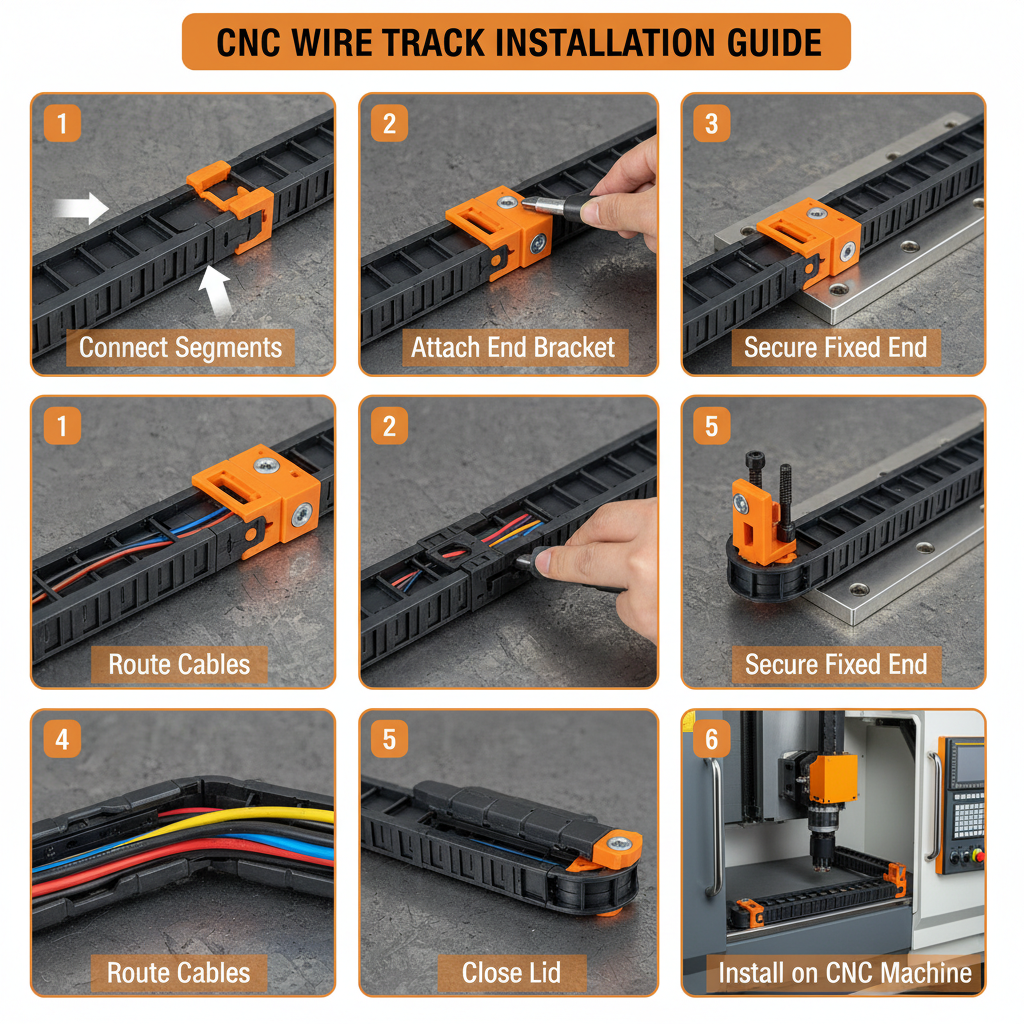
Wire cable track systems have become increasingly vital across a diverse range of industries, from construction and material handling to renewable energy and even artistic installations. Their primary function – the safe and efficient conveyance of cables and wiring – addresses a critical need in modern infrastructure and operational environments. The increasing complexity of these systems, combined with the demand for greater reliability and adaptability, underscores the importance of understanding their design, implementation, and potential applications. This knowledge is not merely technical; it impacts safety, cost-effectiveness, and overall project success.
Globally, the market for wire cable track is experiencing substantial growth, driven by factors such as increased industrial automation, the expansion of infrastructure projects in emerging economies, and a growing emphasis on workplace safety. According to recent reports, the Asia-Pacific region represents the largest and fastest-growing market, fueled by rapid industrialization in countries like China and India. Furthermore, the demand for specialized track systems tailored to specific applications, such as high-temperature environments or exposure to corrosive substances, is also on the rise. The inherent need to protect and organize cabling is universal.
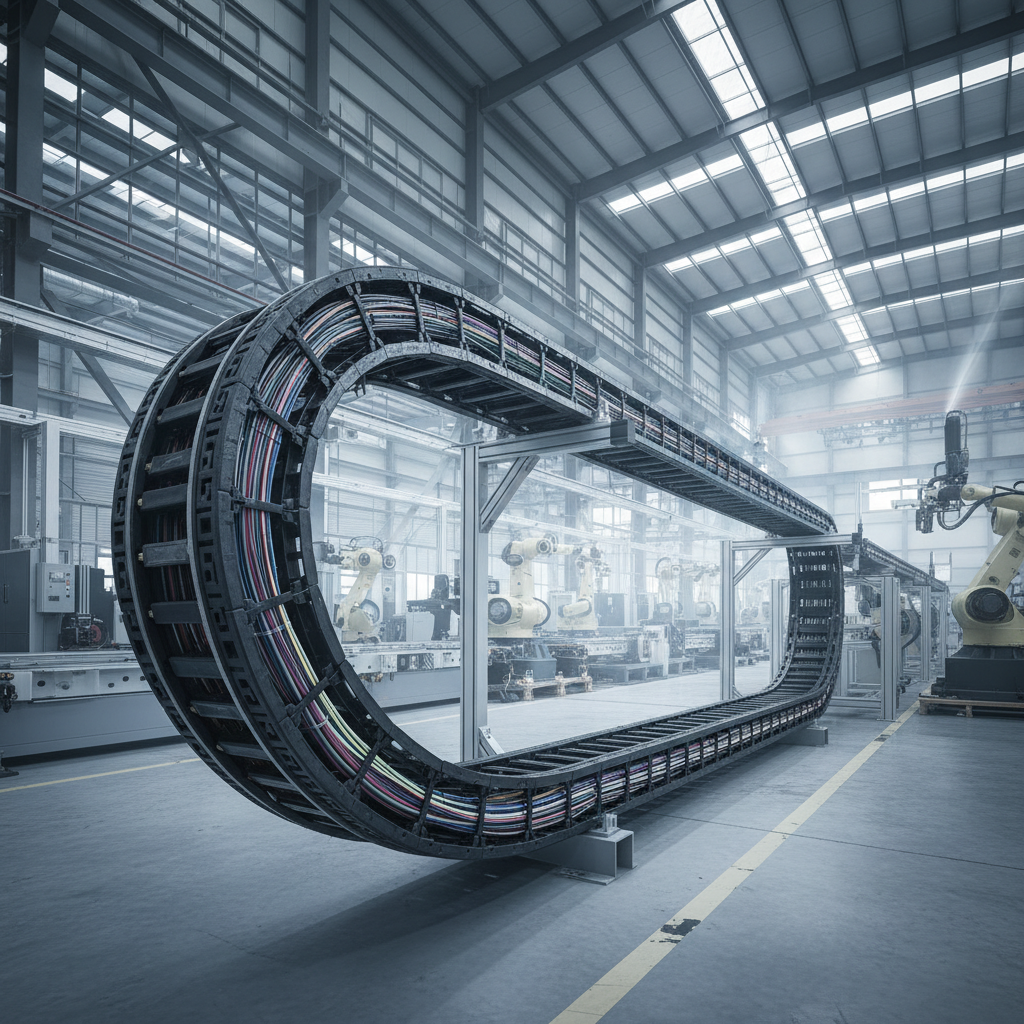
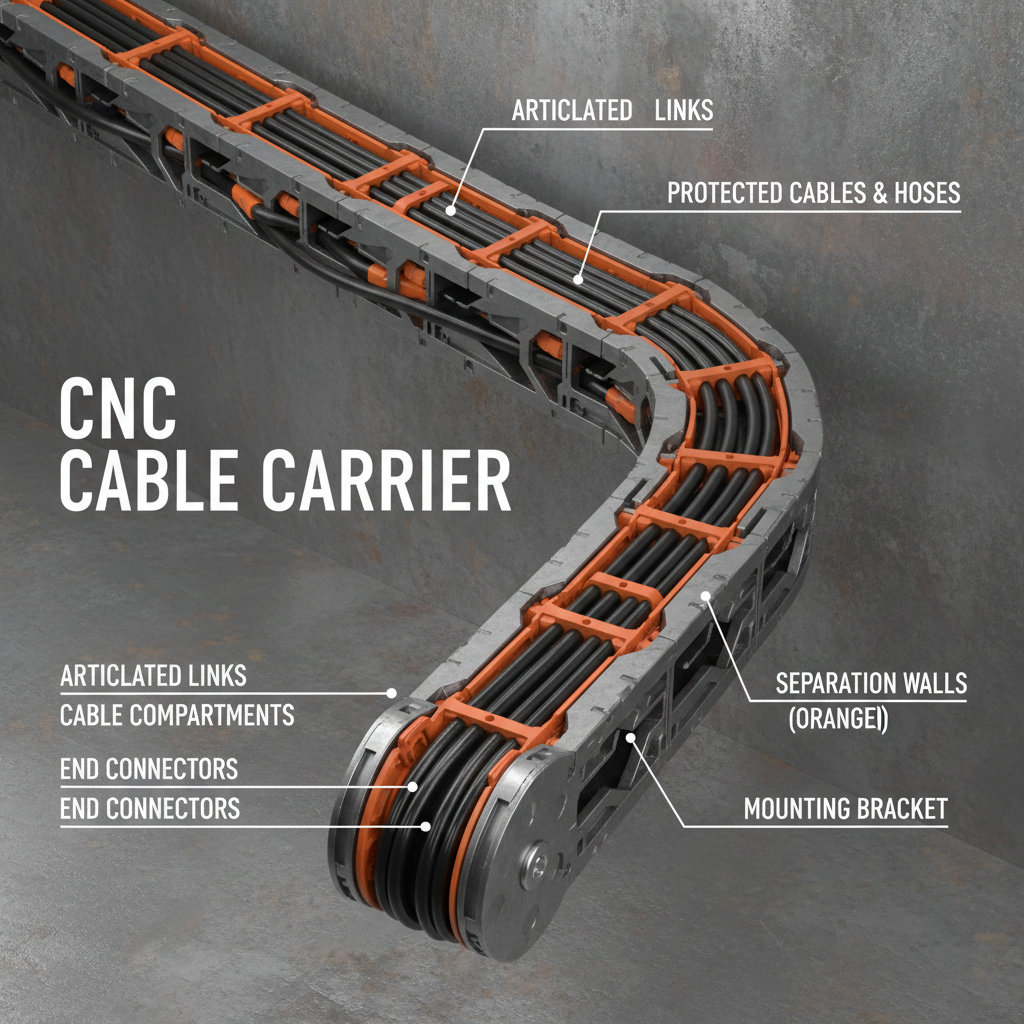
At its core, wire cable track, also known as cable carrier or energy chain, is a system designed to guide and protect electrical and other cables and hoses during dynamic applications. Unlike static cable management solutions, wire cable track allows for continuous movement in one, two, or three dimensions, making it ideal for robotic arms, CNC machines, and other automated equipment. This allows for freedom of movement while safeguarding against wear, tear, and potential damage, enhancing the lifespan and reliability of critical components.
Introduction to wire cable track
The initial adoption of wire cable track was largely driven by the automation sector, specifically the need to manage cabling for industrial robots. Early systems were often custom-built and lacked the standardization seen today. However, as demand increased and technology advanced, manufacturers began producing modular and highly configurable wire cable track systems. This evolution has led to a wider range of materials, designs, and functionalities, making them suitable for an expanding array of applications.
Today, wire cable track is considered a crucial component in a vast spectrum of automated systems, contributing significantly to improved operational efficiency, reduced downtime, and enhanced safety. Its ability to adapt to complex movements and protect sensitive cables makes it an indispensable solution for modern industrial environments. As automation continues to expand into new sectors, the demand for innovative and reliable wire cable track solutions will undoubtedly grow.
Global Relevance and Industry Context
The global demand for wire cable track is intrinsically linked to the expansion of manufacturing, logistics, and infrastructure development worldwide. Countries undergoing rapid industrialization, particularly in Asia, are witnessing significant investment in automation technologies, directly driving the need for effective cable management solutions. The United Nations Industrial Development Organization (UNIDO) estimates that global manufacturing output will continue to grow in the coming decades, further fueling this demand. The need for robust and reliable cable protection is paramount for maintaining productivity and minimizing disruptions in these dynamic environments.
Furthermore, the increasing adoption of Industry 4.0 principles – characterized by interconnected systems, data exchange, and automation – is intensifying the focus on cable management. Modern factories require complex cabling networks to support sensors, actuators, and communication systems. Wire cable track plays a vital role in ensuring the integrity of these networks, preventing signal interference, and enabling seamless data transfer. The ISO 9001 standard for quality management systems often mandates rigorous cable management practices, further emphasizing the importance of reliable solutions.
A major challenge lies in adapting wire cable track systems to the evolving needs of different industries and applications. The demand for customized solutions, capable of withstanding extreme temperatures, corrosive environments, and high mechanical stress, is constantly increasing. This necessitates ongoing innovation in materials science, design engineering, and manufacturing processes to provide cable track systems that meet the most demanding requirements.
Defining wire cable track
In simple terms, wire cable track is an engineered system designed to enclose, guide, and protect cables and hoses as they move during dynamic applications. It typically consists of interlocking links or segments, forming a continuous chain that supports and shields the enclosed carriers. Unlike traditional cable conduits, which are fixed in place, wire cable track is engineered to bend, twist, and rotate with the moving equipment, ensuring continuous operation and preventing cable damage.
The connection to modern industry lies in its enabling role for automation and robotics. Without effective cable management, the intricate movements of robots and automated machinery would be severely limited, and the risk of cable failure would be unacceptably high. Wire cable track is integral to the function of CNC machines, 3D printers, and automated assembly lines, ensuring the continuous flow of power, data, and control signals.
From a humanitarian perspective, wire cable track also contributes to the efficient deployment of mobile infrastructure in disaster relief and emergency response situations. Portable power generators, communication equipment, and temporary lighting systems often rely on wire cable track to manage cabling and ensure reliable operation in challenging environments. It's a foundational element supporting the rapid restoration of essential services.
Core Components and Key Factors
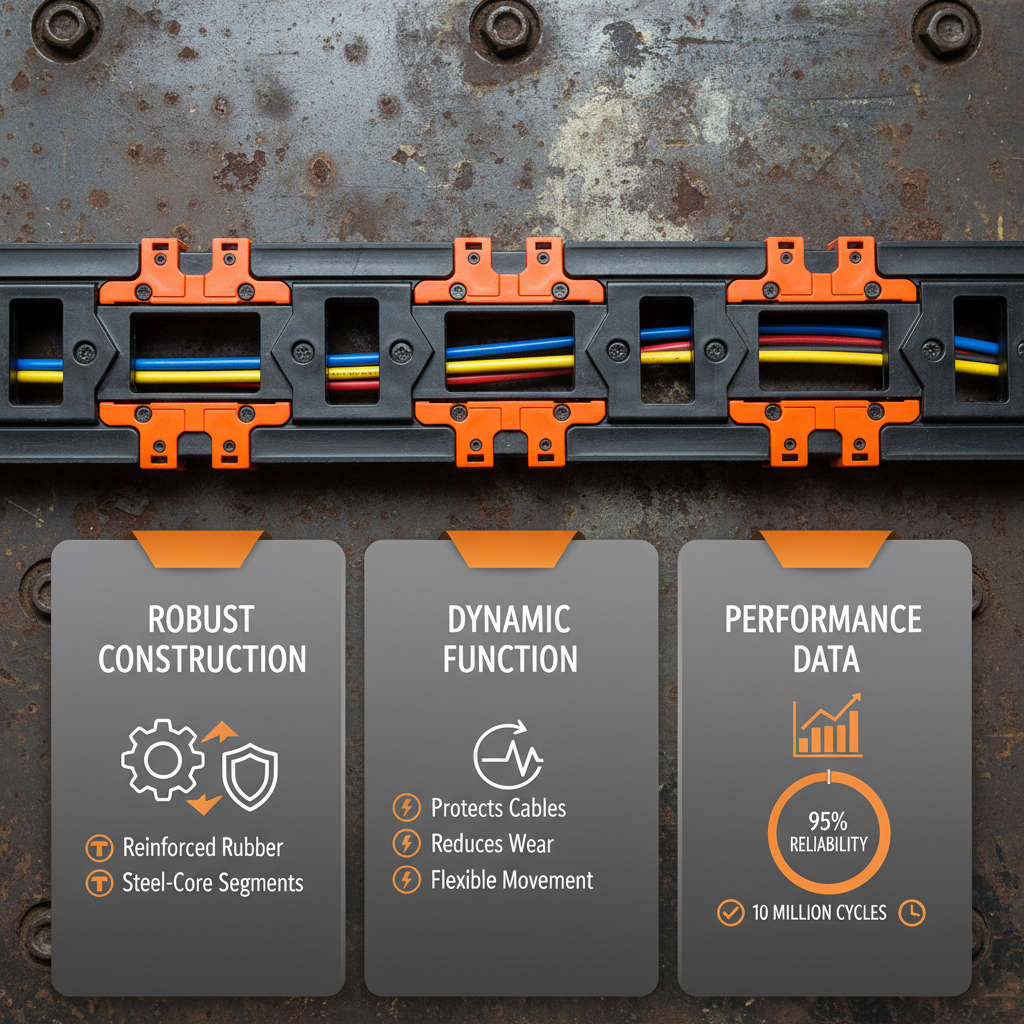
Durability is paramount when considering wire cable track. The materials used – typically high-strength plastics, stainless steel, or aluminum – must withstand repeated bending, twisting, and exposure to environmental factors. High-quality track systems are designed to resist wear, corrosion, and impact damage, ensuring a long service life and minimizing the need for frequent replacements.
Scalability refers to the ability to easily adapt the wire cable track system to changing needs. Modular designs allow for simple extension or modification, accommodating additional cables or adjusting to different travel distances. This flexibility is essential for future-proofing installations and ensuring that the system can evolve with the application.
Wire Cable Track Performance Metrics
Global Applications and Use Cases
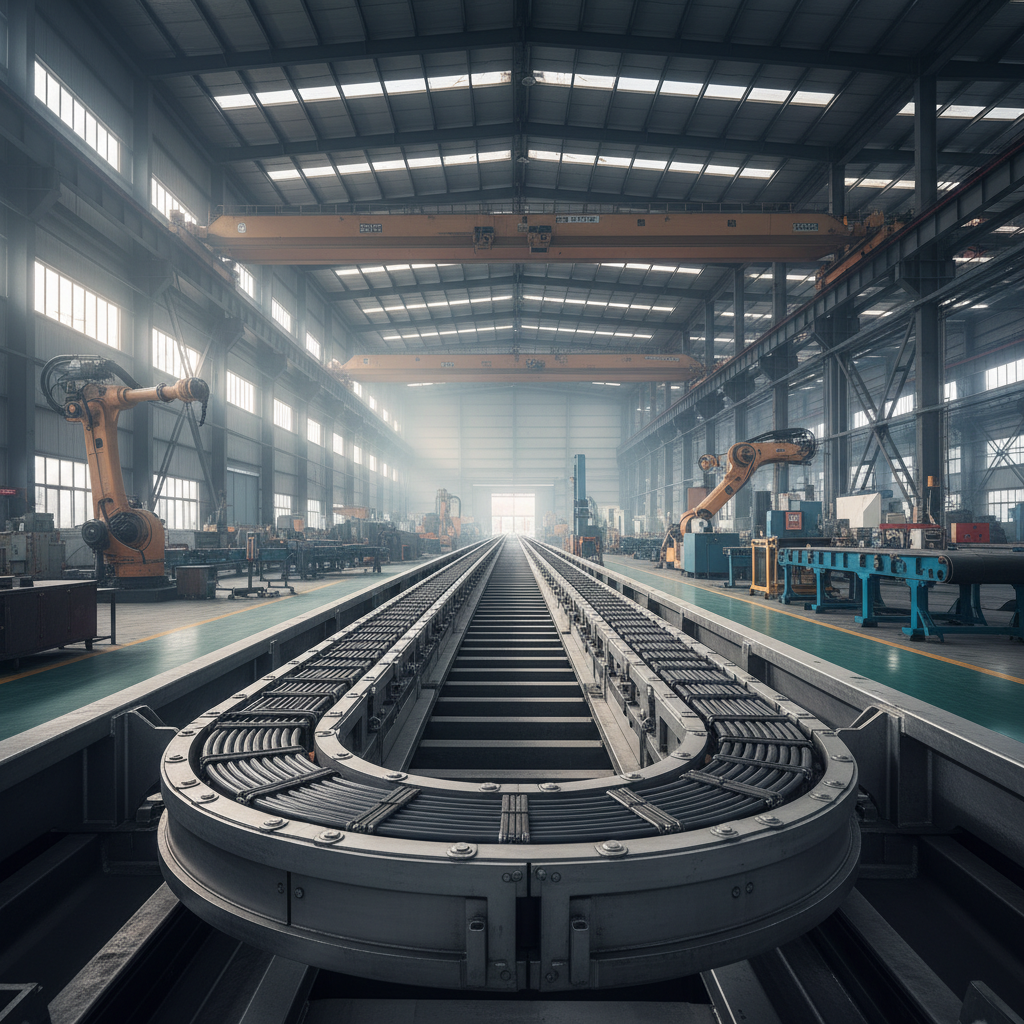
In the automotive industry, wire cable track is extensively used in robotic welding cells, paint booths, and assembly lines. It ensures the reliable operation of robotic arms and manipulators, protecting cables from wear and tear as they move through complex trajectories. Similarly, in the aerospace sector, wire cable track is crucial for maintaining the functionality of robotic drilling and fastening systems used in aircraft manufacturing.
In post-disaster relief operations, portable power generation units and communication systems utilize wire cable track for deploying cabling quickly and safely. Its ability to withstand harsh conditions and provide reliable cable management is invaluable in emergency situations. In remote industrial zones, such as offshore oil platforms or mining operations, wire cable track provides a robust solution for protecting cables in challenging environments where downtime can be extremely costly.
The energy sector relies heavily on wire cable track for managing cabling in wind turbines, solar tracking systems, and hydroelectric power plants. The dynamic movements of these systems require robust cable protection to ensure continuous power generation. The trend toward renewable energy sources is thus a significant driver for the growth of the wire cable track market.
Advantages and Long-Term Value
The cost savings associated with using wire cable track are substantial. By protecting cables from damage, it significantly reduces the frequency of replacements and minimizes downtime, resulting in lower maintenance costs and increased productivity. The inherent safety benefits are also significant, reducing the risk of electrical hazards and improving overall workplace safety.
From a sustainability perspective, wire cable track contributes to resource conservation by extending the lifespan of cables and reducing waste. Many modern track systems are manufactured from recyclable materials, further minimizing their environmental impact. The increased reliability and efficiency enabled by wire cable track also contribute to reduced energy consumption and improved overall resource utilization.
Future Trends and Innovations
Several exciting innovations are emerging in the field of wire cable track. The development of lightweight, high-strength materials, such as carbon fiber reinforced polymers, is enabling the creation of track systems that offer superior performance and reduced weight. Smart cable track systems, incorporating sensors and data analytics, are also gaining traction, allowing for proactive monitoring of cable health and predictive maintenance.
The integration of Industry 4.0 technologies, such as digital twins and augmented reality, is transforming the design, installation, and maintenance of wire cable track systems. These technologies allow for virtual prototyping, remote diagnostics, and optimized performance monitoring. Furthermore, the growing focus on circular economy principles is driving the development of modular and reusable track systems, minimizing waste and maximizing resource utilization.
Challenges and Solutions
One common challenge is selecting the appropriate wire cable track system for a specific application. Factors such as cable diameter, travel speed, acceleration, and environmental conditions must be carefully considered to ensure optimal performance and longevity. Incorrect selection can lead to premature failure and costly downtime.
To overcome this challenge, manufacturers are offering increasingly sophisticated design tools and expert consultation services to help customers choose the right system for their needs. Another challenge is managing the complexity of cabling in highly dynamic applications. Solutions include the use of specialized cable glands, strain relief systems, and integrated cable routing solutions.
Finally, ensuring the long-term reliability of wire cable track systems in harsh environments requires ongoing maintenance and inspection. Implementing a preventative maintenance program, including regular lubrication, cleaning, and visual inspections, can significantly extend the lifespan of the system and prevent costly failures.
Key Considerations for Wire Cable Track Selection and Implementation
| Application Environment |
Material Compatibility |
Load Capacity & Speed |
Maintenance Requirements |
| High Temperature |
High-temp plastics (e.g., PEEK) |
Medium (Up to 5 m/s) |
Regular lubrication |
| Corrosive Environment |
Stainless Steel |
High (Up to 10 m/s) |
Protective coating application |
| Cleanroom Application |
ESD-safe plastics |
Low (Up to 2 m/s) |
Frequent cleaning |
| Outdoor Application |
UV-resistant plastics |
Medium (Up to 5 m/s) |
Regular inspection for weathering |
| Heavy Industrial Load |
Reinforced Steel |
Very High (Up to 15 m/s) |
Scheduled bearing replacement |
| Robotic Arm Application |
Hybrid (plastic/steel) |
Variable (Up to 10 m/s) |
Dynamic cable management check |
FAQS
Wire cable track offers superior flexibility and dynamic performance compared to traditional conduits. While conduits are designed for static installations, cable track is engineered to accommodate continuous movement in multiple axes, making it ideal for robots, CNC machines, and other automated equipment. It also provides better cable protection from wear, abrasion, and environmental factors, extending cable life and reducing downtime.
Selecting the right wire cable track involves considering several factors, including the number and diameter of cables, the travel speed and acceleration, the operating environment (temperature, humidity, chemicals), and the bending radius. Manufacturers typically provide sizing guides and application engineers to assist with the selection process. Incorrect sizing can lead to premature failure or restricted movement.
Regular maintenance is crucial for ensuring the long-term reliability of wire cable track. This includes periodic lubrication, cleaning, and inspection for wear and tear. Check for proper cable support, ensure the track is free from obstructions, and replace any damaged links or components promptly. Implementing a preventative maintenance schedule can significantly reduce downtime and extend the lifespan of the system.
Yes, wire cable track is available in various materials, including plastics (such as polyamide and polypropylene), stainless steel, and aluminum. The best material depends on the application requirements. Plastics are lightweight and cost-effective, while stainless steel offers superior strength and corrosion resistance. Aluminum provides a good balance of weight, strength, and cost. Consider the operating environment and potential exposure to chemicals, temperatures, and mechanical stress when selecting a material.
Yes, wire cable track can be used outdoors, but it's essential to choose a material and design that are suitable for the specific environmental conditions. UV-resistant plastics and stainless steel are recommended for outdoor applications to withstand exposure to sunlight, rain, and temperature fluctuations. Proper sealing and drainage are also important to prevent water ingress and corrosion.
Lead times for custom wire cable track solutions vary depending on the complexity of the design, the materials used, and the manufacturer's workload. Typically, lead times range from 4 to 12 weeks. It's best to consult with the manufacturer early in the project planning phase to get an accurate estimate and ensure timely delivery.
Conclusion
In conclusion, wire cable track represents a vital component in modern industrial automation and beyond. Its ability to protect and guide cables during dynamic applications ensures reliable operation, reduces downtime, and enhances safety. The ongoing evolution of materials, designs, and smart technologies is further expanding its capabilities and broadening its application scope. Understanding the core principles, key factors, and future trends surrounding wire cable track is essential for engineers, technicians, and project managers involved in the design, implementation, and maintenance of automated systems.
Looking ahead, the demand for innovative and sustainable wire cable track solutions will continue to grow. Investing in high-quality systems, implementing preventative maintenance programs, and staying abreast of the latest technological advancements are crucial for maximizing the long-term benefits of this essential technology. To explore cutting-edge solutions and expert guidance, visit our website at www.agilechains.com.

 FIND USHIGH-TECH ZONE
 CALL US TODAY
 EMAIL US NOW