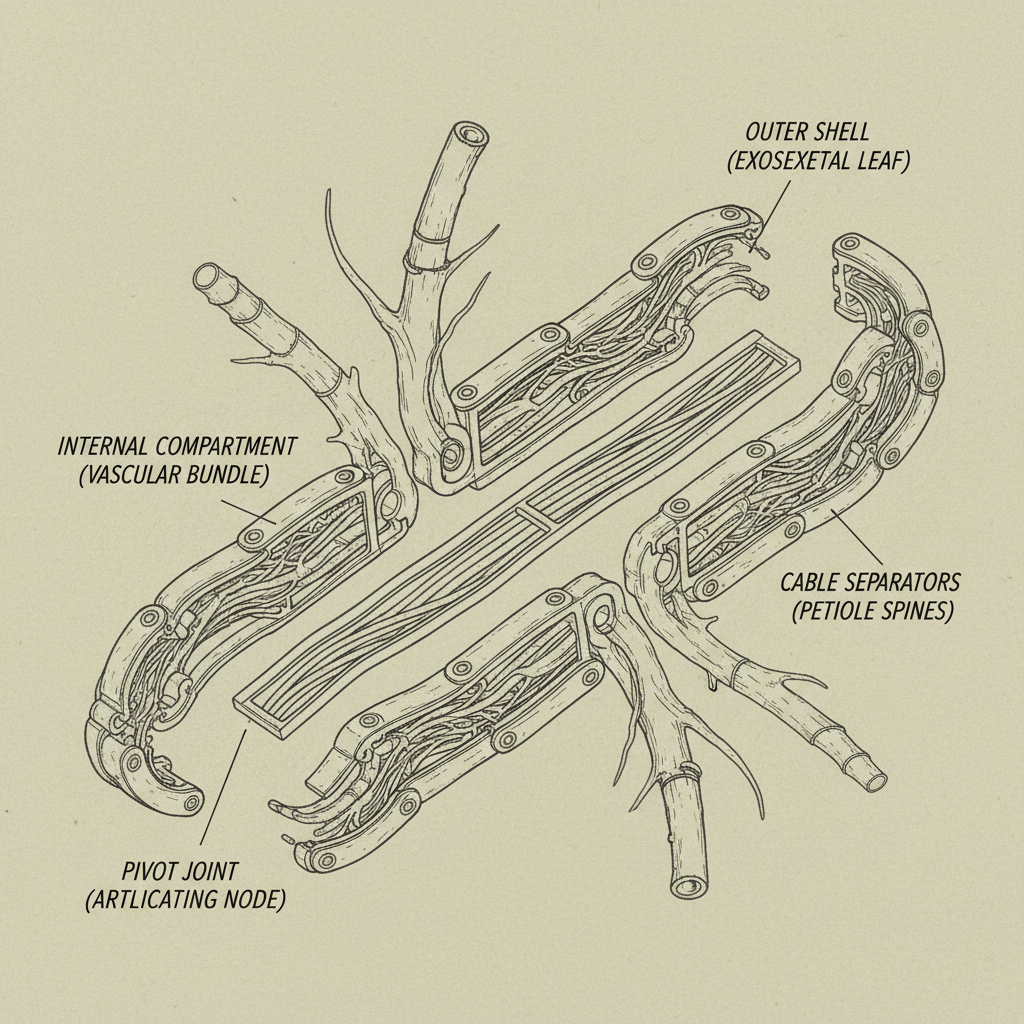
Flexible wire track systems are revolutionizing how we approach infrastructure deployment across a diverse range of applications. From creating adaptable workspaces to ensuring rapid electrical connectivity in emergency situations, this technology provides a cost-effective and highly versatile solution. Understanding its capabilities is increasingly vital for industries prioritizing agility, scalability, and resilience. This exploration delves into the core principles, practical applications, and future potential of flexible wire track, highlighting its impact on modern operations.
The global demand for efficient and adaptable infrastructure is surging, driven by factors such as urbanization, the growth of remote work, and the increasing frequency of natural disasters. Traditional wiring and cable management solutions often prove inflexible and costly to modify, hindering responsiveness to evolving needs. Flexible wire track addresses this challenge by offering a dynamic platform for power and data distribution, streamlining installation, maintenance, and reconfiguration processes. This adaptability is becoming a critical asset for organizations seeking a competitive edge.
At its core, flexible wire track provides a modular and easily customizable system for managing electrical wiring and data cables. Its inherent adaptability makes it superior to rigid conduit systems, allowing for quick adjustments, additions, and relocations without the need for extensive reconstruction. This translates to significant time and cost savings, particularly in environments where layouts frequently change or where rapid deployment is crucial.
Introduction to Flexible Wire Track
Flexible wire track systems aren't simply about organizing cables; they represent a fundamental shift towards adaptable and responsive infrastructure. This approach moves away from fixed, cumbersome installations, embracing a dynamic system that can evolve alongside changing requirements. The use of flexible wire track allows for faster project completion, reduced labor costs, and minimized disruption, making it an invaluable asset in modern environments.
The adaptability provided by flexible wire track facilitates easy modifications and upgrades, extending the lifespan of the installation and reducing long-term maintenance expenses. Its inherent modularity ensures that only necessary components need to be replaced or adjusted, preventing costly and time-consuming system-wide overhauls. This contributes to a more sustainable and economically sound infrastructure solution.
Global Relevance and Challenges
The need for robust and adaptable infrastructure is a global concern, especially in rapidly developing countries and regions prone to natural disasters. The United Nations reports increasing displacement due to climate change and conflict, creating an urgent demand for rapid deployment of shelter and essential services. Flexible wire track can significantly contribute to these efforts by facilitating quick and efficient power and data connections in temporary housing and emergency response centers.
Globally, industries such as manufacturing, healthcare, and data centers rely heavily on uninterrupted power and data transmission. Outages and disruptions can result in significant financial losses and compromise operational efficiency. ISO standards emphasize the importance of reliable infrastructure, and flexible wire track provides a solution for ensuring consistent performance, even in dynamic environments.
A key challenge is the standardization of flexible wire track components and installation practices. Lack of universal standards can lead to compatibility issues and compromise system integrity. Furthermore, awareness of the benefits of flexible wire track is still limited in some sectors, hindering wider adoption. Overcoming these challenges requires collaborative efforts from industry stakeholders and regulatory bodies.
Defining Flexible Wire Track
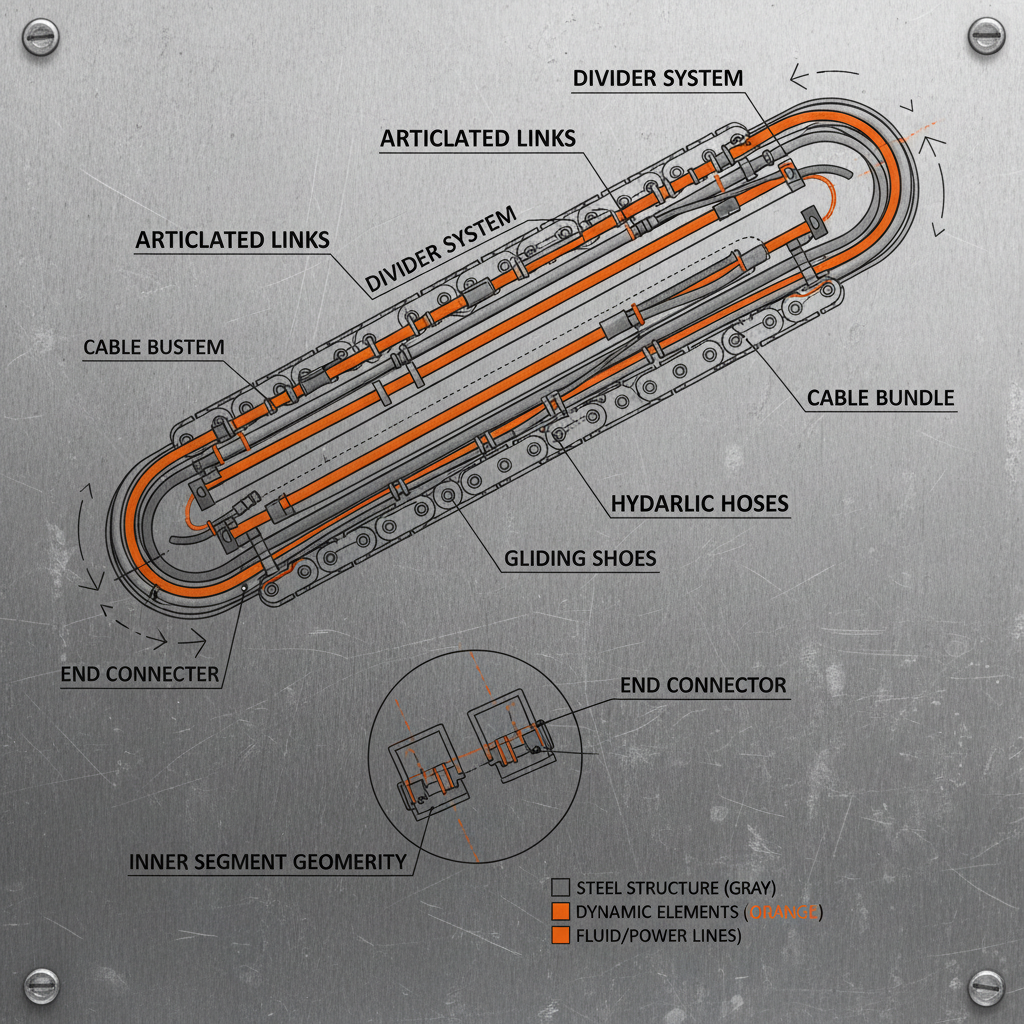
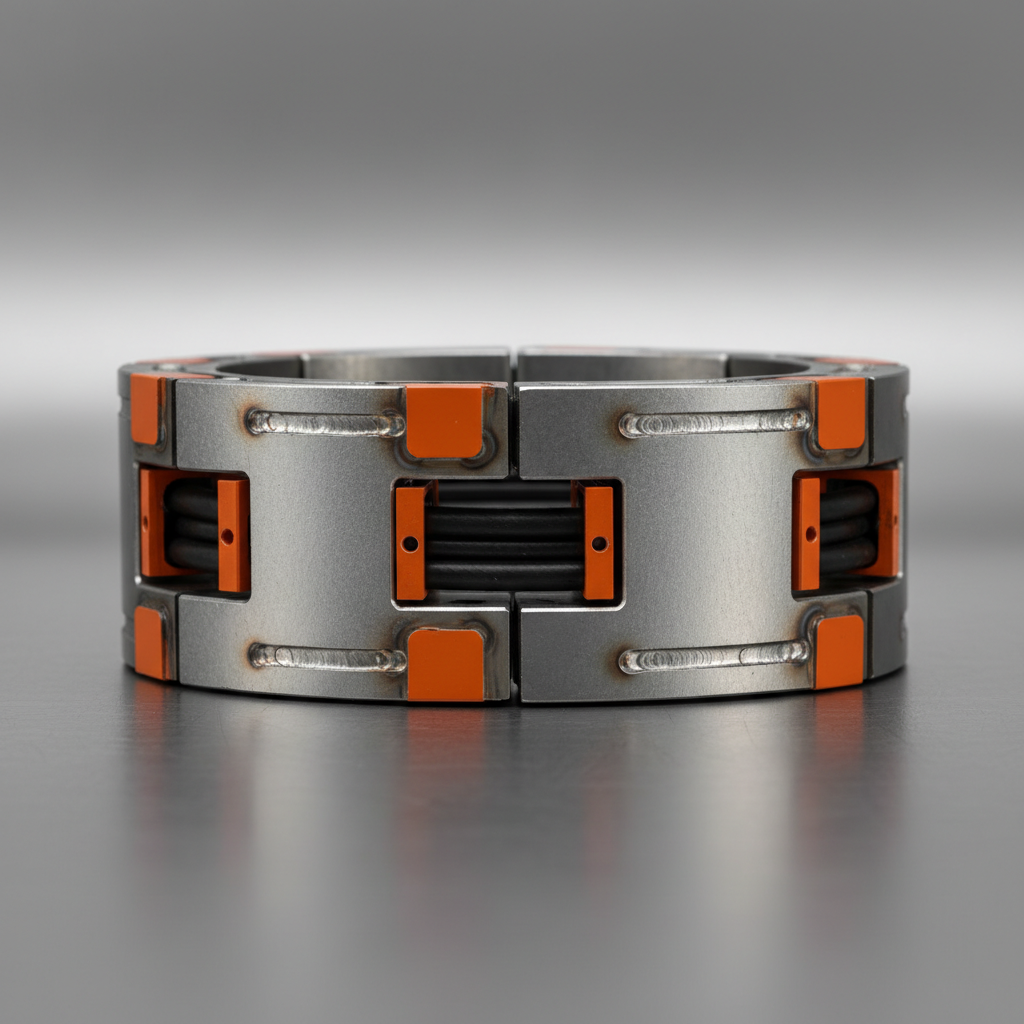
Flexible wire track, sometimes referred to as cable management track or wireway, is a system designed to support and route electrical wiring and data cables in a configurable and adaptable manner. Unlike traditional rigid conduit systems, it consists of interconnected sections – often made from PVC, steel, or aluminum – that can be easily bent, joined, and modified to accommodate changing layouts and wiring configurations.
The core principle behind flexible wire track lies in its modularity. Each section allows for the addition or removal of cables without requiring extensive dismantling or reconstruction. This contrasts sharply with traditional methods that often necessitate cutting, bending, and securing individual cables, a process that is both time-consuming and prone to errors.
Its connection to modern industrial and humanitarian needs is clear. In industrial settings, it facilitates efficient workspace reconfiguration and supports automated systems. In humanitarian applications, it enables rapid deployment of power and communication networks in disaster relief efforts and refugee camps, providing essential services where they are needed most.
Core Components and Factors
Several key factors contribute to the effectiveness of a flexible wire track system. Durability is paramount, with materials selected for resistance to environmental factors, abrasion, and impact. High-quality track systems are designed to withstand harsh conditions and provide long-lasting performance.
Scalability is another crucial aspect. The ability to easily expand or contract the system to accommodate changing needs is essential for long-term adaptability. Modular design allows for seamless additions and modifications without disrupting existing infrastructure.
Performance Metrics of Flexible Wire Track Systems
Real-World Applications
In post-disaster relief operations, flexible wire track allows for the rapid establishment of temporary power and communication infrastructure in affected areas. Its lightweight and easy-to-install nature makes it ideal for deploying emergency services and providing essential support to communities in need. Organizations like the Red Cross are increasingly leveraging this technology to streamline their response efforts.
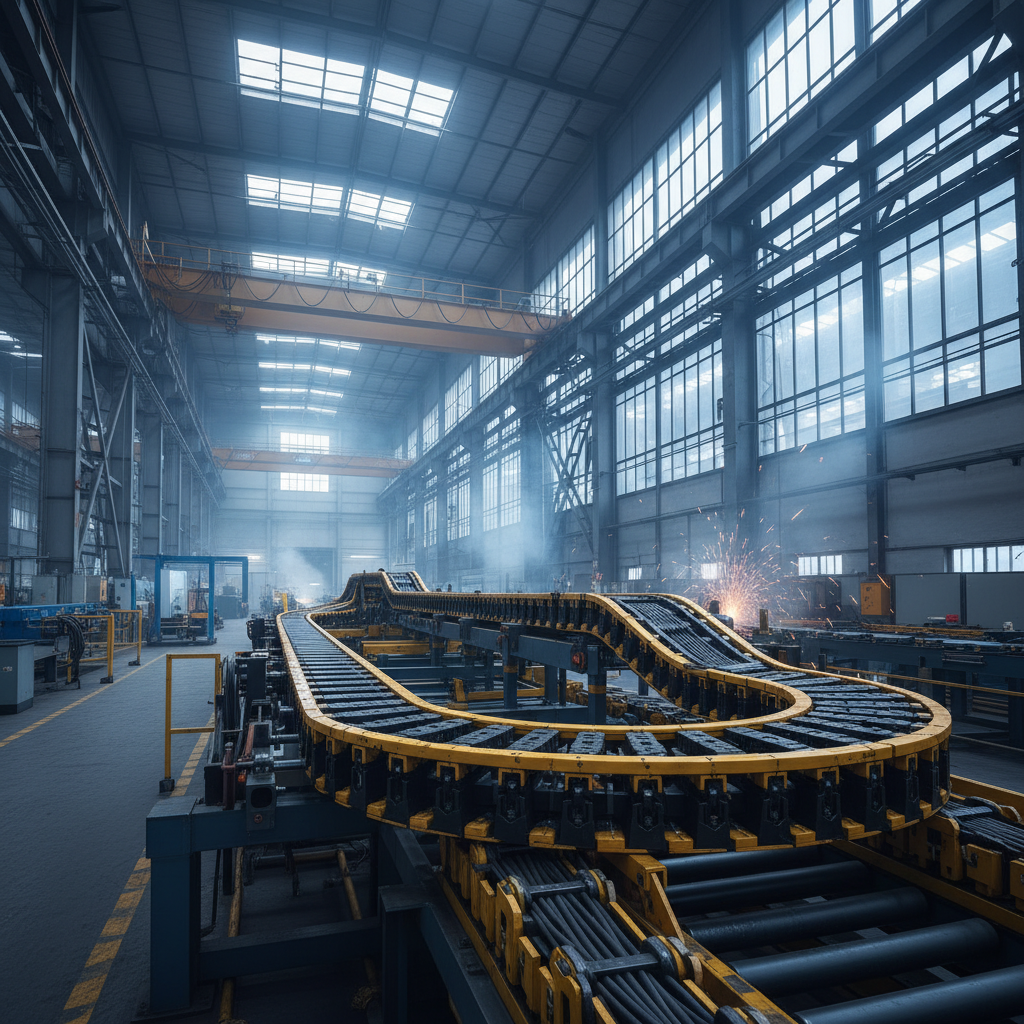
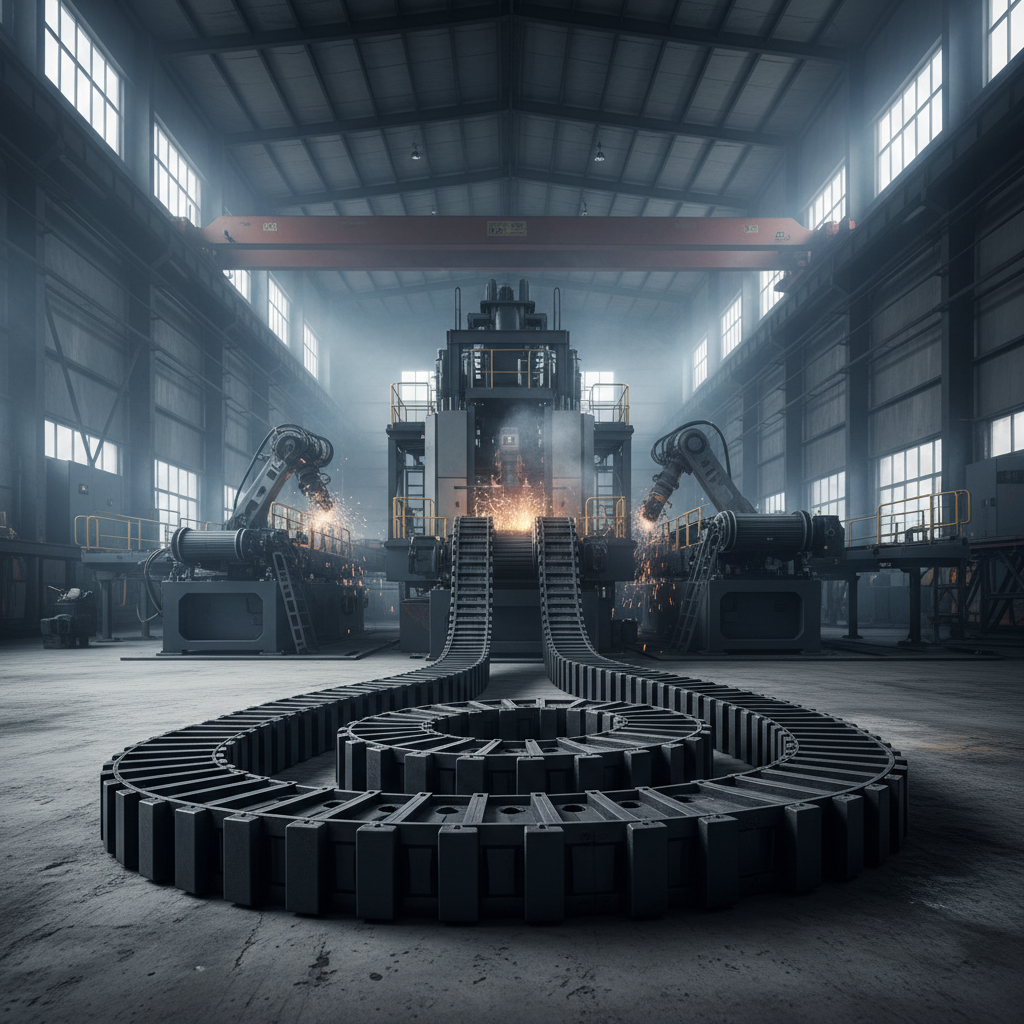
Within industrial facilities, flexible wire track facilitates efficient cable management in dynamic environments. Robotics and automation systems often require frequent reconfiguration, and this technology enables quick adjustments to wiring layouts without disrupting production. Automotive manufacturing plants and data centers are prime examples of industries benefiting from this adaptability.
Advantages and Long-Term Value
The tangible benefits of flexible wire track are substantial. Cost savings are realized through reduced installation time, lower labor expenses, and minimized downtime. Furthermore, the system's inherent flexibility promotes sustainability by extending the lifespan of infrastructure and reducing the need for frequent replacements. This translates to reduced waste and a smaller environmental footprint.
Beyond the economic advantages, flexible wire track enhances safety and promotes innovation. The organized cable management minimizes trip hazards and reduces the risk of electrical shorts. The adaptability of the system encourages a more agile and responsive approach to infrastructure design, fostering innovation and improving operational efficiency. Building trust with stakeholders by delivering reliable and safe infrastructure.
Future Trends and Innovations
Integration with Building Information Modeling (BIM) is poised to revolutionize the design and installation of flexible wire track systems. BIM allows for virtual modeling of infrastructure, enabling precise planning and minimizing potential conflicts. Smart cable management systems, incorporating sensors and data analytics, will provide real-time monitoring of cable loads and environmental conditions, enhancing system reliability and preventing failures.
The development of eco-friendly materials for flexible wire track is another significant trend. Utilizing recycled plastics and bio-based polymers will further reduce the environmental impact of these systems. Furthermore, advancements in wireless power transfer technology could potentially reduce the reliance on traditional wiring altogether, complementing the benefits of flexible wire track.
Automation in the installation process is also gaining traction. Robotic systems equipped with specialized tools can significantly accelerate deployment, particularly in large-scale projects. These advancements promise to make flexible wire track even more accessible and cost-effective.
Key Comparison of Flexible Wire Track Material Options
| Material Type |
Durability Score (1-10) |
Cost Effectiveness Score (1-10) |
Environmental Impact Score (1-10) |
| PVC |
7 |
8 |
4 |
| Steel |
9 |
6 |
5 |
| Aluminum |
8 |
7 |
6 |
| Recycled Plastic |
6 |
9 |
8 |
| Bio-Based Polymer |
7 |
7 |
9 |
| Fiberglass Reinforced Polymer |
9 |
5 |
7 |
FAQS
Flexible wire track offers significantly greater adaptability and ease of modification compared to rigid conduit. It allows for quick adjustments to wiring layouts without the need for cutting, bending, or reconstructing entire systems. This translates to reduced downtime, lower labor costs, and improved responsiveness to changing needs. Furthermore, the modular nature of flexible wire track simplifies future upgrades and expansions.
Yes, many flexible wire track systems are designed for outdoor use, featuring UV-resistant materials and weatherproof enclosures. However, it’s crucial to select a system specifically rated for the intended environmental conditions. Factors like temperature extremes, moisture exposure, and potential impact from debris should be considered when choosing the appropriate material and construction.
The lifespan of a flexible wire track installation depends on several factors, including the quality of materials, environmental conditions, and maintenance practices. However, with proper installation and regular inspections, a well-maintained system can easily last 10-20 years or more. Selecting durable materials and protecting the system from excessive wear and tear will maximize its longevity.
When installed correctly, flexible wire track is a safe and reliable cable management solution. However, it's crucial to adhere to electrical codes and standards during installation. Proper grounding and protection against overloads are essential. Regular inspections should be conducted to identify and address any potential hazards, such as damaged cables or loose connections.
While the initial cost of flexible wire track might be slightly higher than traditional wiring methods, the long-term cost savings often outweigh the initial investment. Reduced installation time, lower labor expenses, minimized downtime, and simplified future modifications all contribute to a lower total cost of ownership. Additionally, the adaptability of the system reduces the need for costly replacements and upgrades.
Flexible wire track can support a wide range of cables, including power cables, data cables (Ethernet, fiber optic), control cables, and communication cables. The specific load capacity of the system will depend on the size and design of the track, as well as the weight and diameter of the cables. It's important to consult the manufacturer's specifications to ensure compatibility and avoid overloading the system.
Conclusion
Flexible wire track represents a significant advancement in cable management technology, offering unparalleled adaptability, cost-effectiveness, and long-term value. Its ability to streamline installation, facilitate modifications, and enhance safety makes it a crucial asset for a diverse range of industries, from manufacturing and healthcare to disaster relief and infrastructure development. Understanding its capabilities and embracing its potential is essential for organizations seeking to optimize their operations and build resilient infrastructure.
As technology continues to evolve, the demand for flexible and responsive infrastructure will only increase. Investing in flexible wire track systems is not merely a tactical decision; it's a strategic move that positions organizations for success in a rapidly changing world. To learn more about how flexible wire track can benefit your specific application, visit our website: agilechains.com

 FIND USHIGH-TECH ZONE
 CALL US TODAY
 EMAIL US NOW