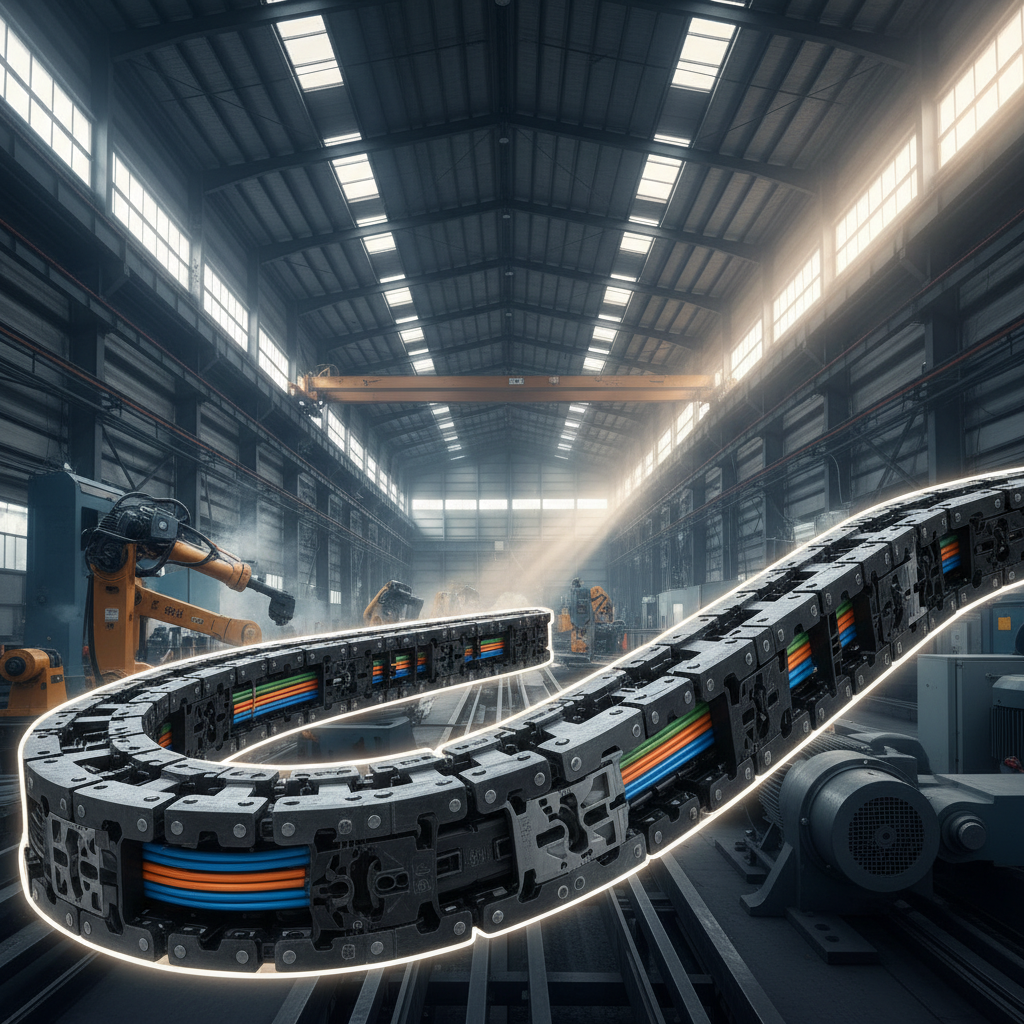
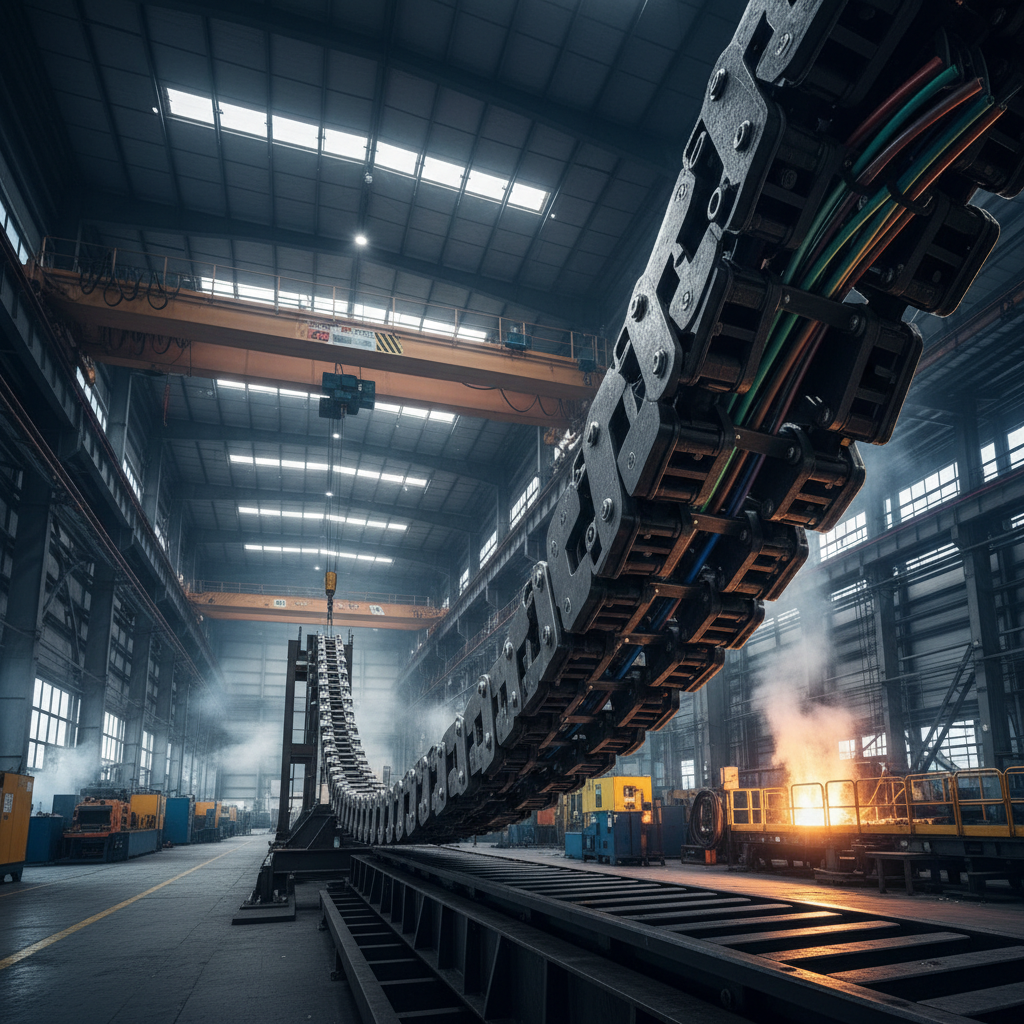
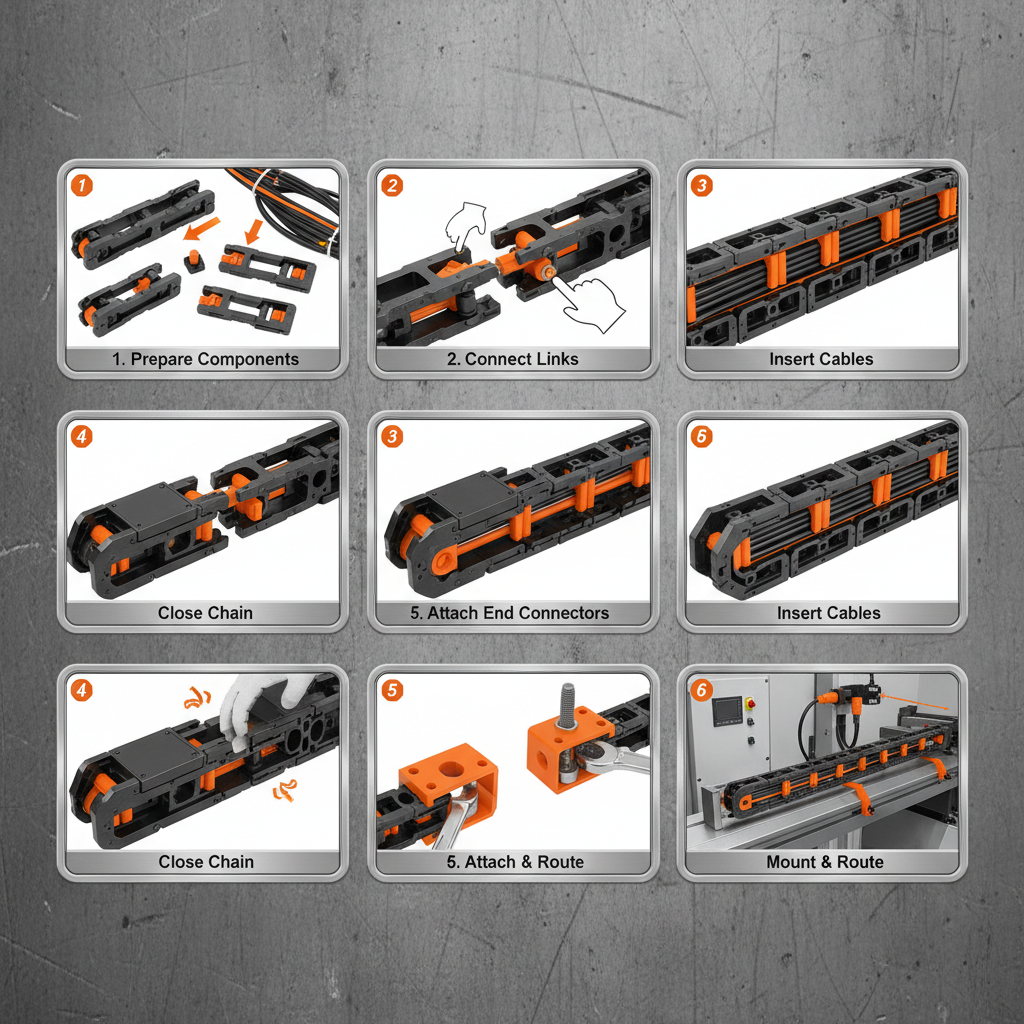
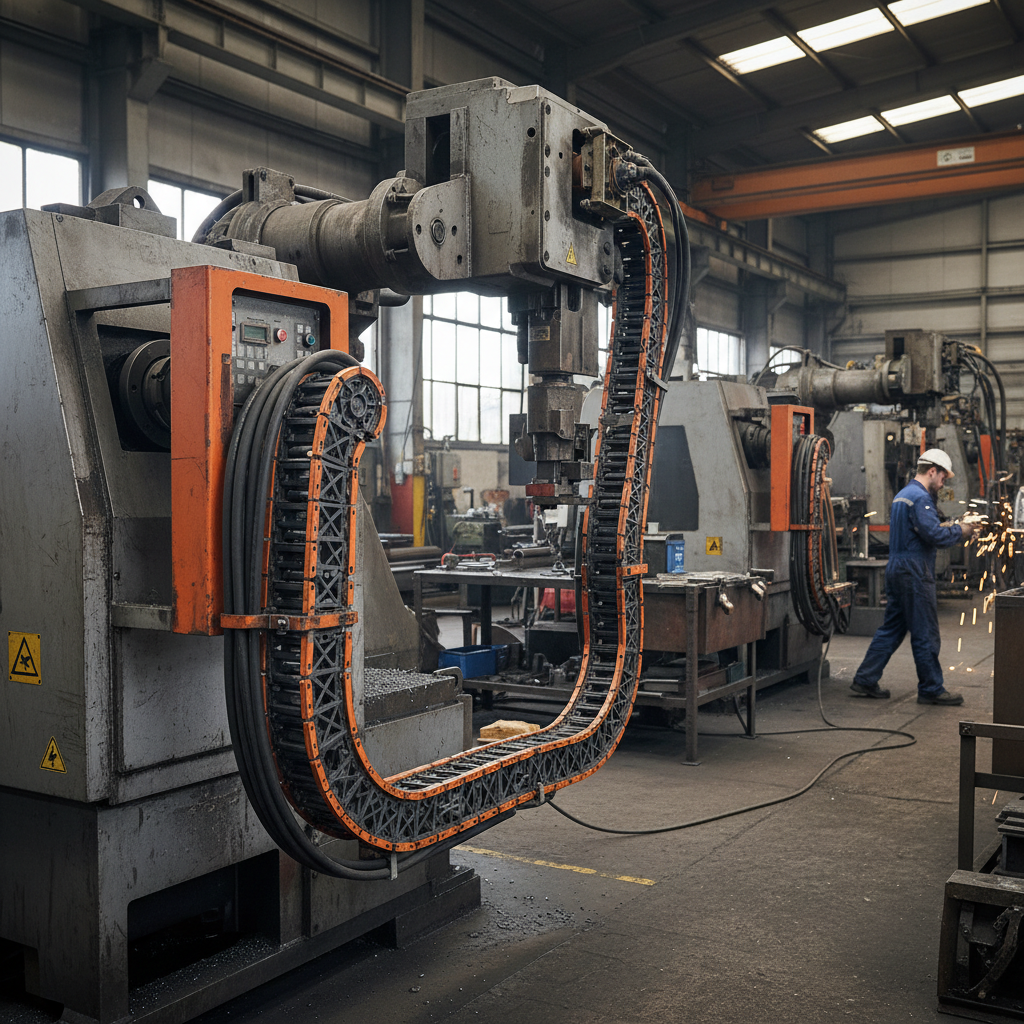
Energy chain cable systems, often referred to as e-chains, are a crucial component in modern automation and dynamic machine applications. They provide a safe and organized pathway for electrical, hydraulic, pneumatic, and data cables, protecting them from wear and tear while enabling continuous movement. The global reliance on automated processes across various industries drives the demand for reliable and efficient cable management solutions, with energy chain cable at the forefront.
The significance of these systems extends beyond mere cable protection. They contribute to increased machine uptime, reduced maintenance costs, and enhanced overall system performance. As industries increasingly adopt principles of Industry 4.0 and smart manufacturing, the need for robust and adaptable cable management solutions like energy chain cable continues to grow. This is especially pertinent in sectors demanding high reliability, such as robotics, aerospace, and medical technology.
Understanding energy chain cable isn't just for engineers; it’s essential for anyone involved in the design, maintenance, or operation of automated systems. From streamlining production lines to enabling complex robotic movements, these systems are quietly revolutionizing how we approach automation and industrial efficiency. Choosing the right energy chain cable is pivotal for ensuring longevity and minimal disruptions in critical operations.
Introduction to Energy Chain Cable
Energy chain cable systems are engineered to manage and guide moving cables and hoses within machinery. They provide a protected environment, preventing cable entanglement, abrasion, and premature failure. The core principle is to encapsulate the cables within a robust housing, allowing for smooth, controlled movement alongside the machine's axes.
These systems aren't simply about containment; they are integral to the overall efficiency and reliability of automated processes. By minimizing downtime associated with cable repairs and replacements, energy chain cable directly contributes to increased productivity and reduced operational costs. Their versatility allows them to be integrated into a vast range of applications.
Global Relevance and Industry Context
The global market for cable management solutions, including energy chain cable, is experiencing significant growth, driven by the expansion of automation across various sectors. According to recent reports, the industrial robotics market alone is projected to reach over $80 billion by 2028, directly fueling demand for reliable cable management. Countries with rapidly developing manufacturing sectors, such as China, India, and Brazil, are major consumers of these systems.
Furthermore, the increasing emphasis on safety standards, particularly those outlined by organizations like ISO and OSHA, is pushing industries to adopt safer and more organized cabling solutions. Traditional cable carriers often pose safety risks due to exposed cables and potential entanglement hazards. Energy chain cable addresses this challenge by providing a fully enclosed and protected system.
A significant challenge facing manufacturers today is minimizing downtime. Cable failures are a common cause of unplanned outages, leading to costly production delays. The implementation of robust energy chain cable systems is a proactive measure to mitigate this risk, ensuring continuous operation and improved overall efficiency.
Defining Energy Chain Cable Systems
An energy chain cable system (or e-chain) is a dynamic cable carrier designed to guide and protect cables and hoses as they move with machinery. Unlike static cable trays, e-chains are engineered to accommodate continuous flexing and bending, making them ideal for robotic arms, CNC machines, material handling systems, and other dynamic applications.
The term "energy chain cable" encompasses not just the plastic carrier itself, but also the cables and hoses housed within it. These cables are specifically selected for their flexibility, durability, and resistance to dynamic stresses. The system functions by compartmentalizing each cable or hose, preventing them from colliding or interfering with each other during movement.
The core concept behind energy chain cable stems from the need to solve the inherent problems associated with flexible applications. Without a dedicated system, cables are prone to abrasion, tangling, and eventual failure. This leads to costly downtime and potential safety hazards. Energy chain cable provides a structured and reliable solution, ensuring consistent performance and longevity.
Key Characteristics of Energy Chain Cable
Several key factors differentiate high-quality energy chain cable systems. First and foremost is Durability. These systems are constructed from robust materials, often high-performance polymers, capable of withstanding demanding operating conditions, including extreme temperatures, chemicals, and mechanical stress.
Another important aspect is Scalability. Energy chain cable systems are modular, meaning they can be easily adapted to accommodate varying cable and hose quantities, sizes, and travel distances. This flexibility allows for seamless integration into existing machinery or new designs.
Performance Metrics of Energy Chain Cable Systems
Real-World Applications of Energy Chain Cable
Energy chain cable systems find application across a diverse range of industries. In the automotive industry, they are extensively used in robotic welding cells, paint spraying systems, and assembly lines. In aerospace, they are crucial for managing cables in aircraft maintenance robots and automated inspection systems.
Within medical technology, precise and reliable cable management is paramount. Energy chain cable systems are incorporated into surgical robots, diagnostic imaging equipment, and patient handling systems, ensuring smooth and accurate movements. Even in stage and theater technology, these systems enable dynamic lighting and scenery changes without compromising cable integrity.
Benefits and Long-Term Value
The advantages of implementing energy chain cable systems extend far beyond simple cable protection. Reduced downtime is a significant benefit, as these systems minimize the risk of cable failures that can halt production. Moreover, the increased lifespan of cables and hoses translates into lower replacement costs and reduced waste.
From a sustainability perspective, energy chain cable contributes to a more environmentally friendly operation by minimizing material consumption and reducing the need for frequent replacements. The inherent safety features, such as enclosed cable pathways, protect personnel from potential hazards and promote a safer working environment. These systems also instill trust and reliability in automated processes.
Future Trends and Innovations
The future of energy chain cable is intertwined with the ongoing evolution of automation and Industry 4.0. We are seeing a growing trend towards lightweight materials and more compact designs, enabling integration into increasingly space-constrained applications. Smart e-chain systems, incorporating sensors and monitoring capabilities, are also emerging.
The integration of predictive maintenance features, using data analytics to anticipate potential cable failures, will further enhance system reliability and minimize downtime. Furthermore, the development of energy chain cable systems specifically designed for high-speed robotics and demanding applications in areas like additive manufacturing is a key area of innovation. Sustainability remains a driving force, with a focus on utilizing recycled materials and designing for circular economy principles.
The convergence of energy chain cable with digital technologies will unlock new levels of efficiency and optimization. Remote monitoring, diagnostics, and control will become increasingly commonplace, enabling proactive maintenance and improved overall system performance. This aligns with the broader trend towards digital transformation in the industrial sector.
FAQS
Energy chain cable systems offer superior protection, greater flexibility, and reduced wear and tear on cables compared to traditional open cable carriers. They provide a fully enclosed environment, preventing cable entanglement and abrasion, which extends cable lifespan and minimizes downtime. Their modular design also allows for easy adaptation and expansion. They are specifically designed for dynamic applications where continuous movement is required.
Selecting the right energy chain cable involves considering several factors, including travel speed, travel distance, cable diameter, environmental conditions (temperature, chemicals), and the weight of the cables and hoses. Consulting with a cable management specialist is recommended to ensure optimal performance and longevity. You need to analyze the forces, accelerations, and bending radii involved in your application.
Regular visual inspections are crucial to identify any signs of wear or damage. Lubrication of the chain links may be required depending on the operating environment and duty cycle. It's also important to periodically check the cables and hoses for any signs of stress or abrasion. Preventative maintenance can significantly extend the lifespan of the system.
Yes, energy chain cable systems are available in various materials and configurations to withstand harsh environments. Options include UV-resistant polymers, chemically resistant materials, and systems designed for extreme temperatures. Proper selection of materials is key to ensuring reliable operation in challenging conditions. The IP ratings also need to be considered for dust and water ingress protection.
The lifespan of an energy chain cable system depends on the application, operating conditions, and maintenance practices. With proper maintenance and selection of high-quality components, a well-designed system can last for several years, often exceeding 5-10 years. Factors like travel speed, cable load, and environmental exposure significantly impact lifespan.
Yes, smart energy chain cable systems are becoming increasingly available. These systems incorporate sensors to monitor chain wear, cable health, and operating conditions. Data can be transmitted wirelessly for remote monitoring and predictive maintenance, enabling proactive interventions to prevent downtime and optimize performance. These 'smart' solutions are part of the growing trend towards Industry 4.0.
Conclusion
In conclusion, energy chain cable systems are not merely accessories, but essential components of modern automation. They provide a critical solution for managing dynamic cables and hoses, enhancing system reliability, reducing downtime, and improving safety. Understanding the key characteristics, applications, and future trends surrounding these systems is crucial for professionals across various industries.
As automation continues to evolve, the demand for innovative and efficient cable management solutions will only grow. Investing in high-quality energy chain cable systems is a strategic decision that delivers long-term value, improved operational efficiency, and a competitive edge. For more information and to explore our range of energy chain cable solutions, visit our website: www.agilechains.com.

 FIND USHIGH-TECH ZONE
 CALL US TODAY
 EMAIL US NOW