0%

Table of Contents

Look, cat track electrical – it's not glamorous stuff. We're talking about getting power where it needs to be, reliably, often in the roughest conditions. I’ve spent years crawling around construction sites, dodging rebar and dealing with mud, and a solid electrical distribution system is the backbone of everything. Without it, everything grinds to a halt. It’s the difference between a project that’s on time and under budget, and one that’s a total disaster. We’re past the days of just slapping something together and hoping it works. Modern construction demands robust, scalable, and frankly, smart cat track electrical solutions.

What’s really changed in recent years is the demand. Projects are getting bigger, more complex, and the tolerances for downtime are shrinking. We need systems that can handle fluctuating loads, adapt to changing site conditions, and integrate seamlessly with other technologies like Building Information Modeling (BIM). The old ways just don’t cut it anymore. It’s not about just running wires; it’s about building a resilient power network that supports the entire operation. And frankly, the safety aspect is paramount. A poorly planned cat track electrical system is a recipe for accidents, injuries, and project delays.

And it's not just construction. Think about remote mining operations, large-scale agricultural facilities, even temporary event venues. Anywhere you need to deliver power efficiently and safely, you need to think about cat track electrical. The need for flexible and adaptable power distribution is growing exponentially, and that's where the real innovation is happening. We’re moving towards smarter, more modular systems that can be easily reconfigured and scaled as needed.
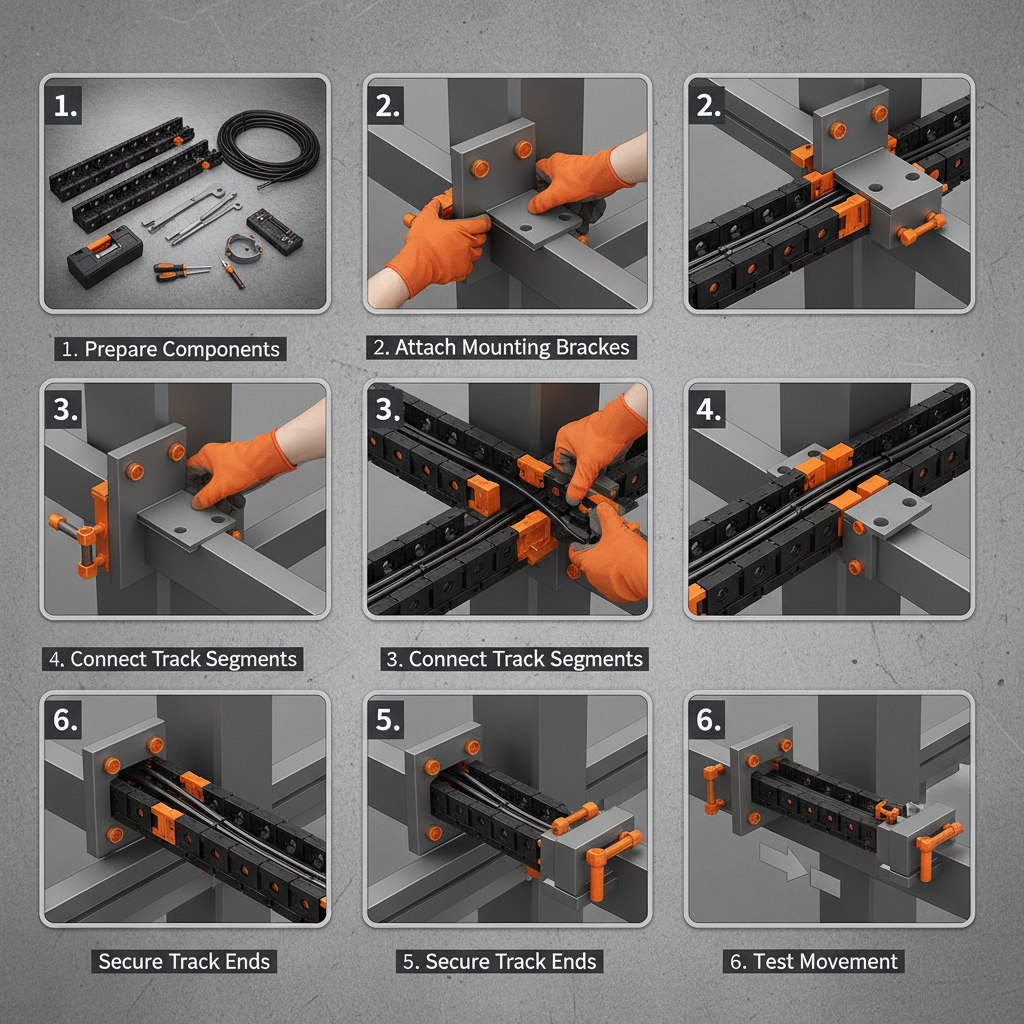
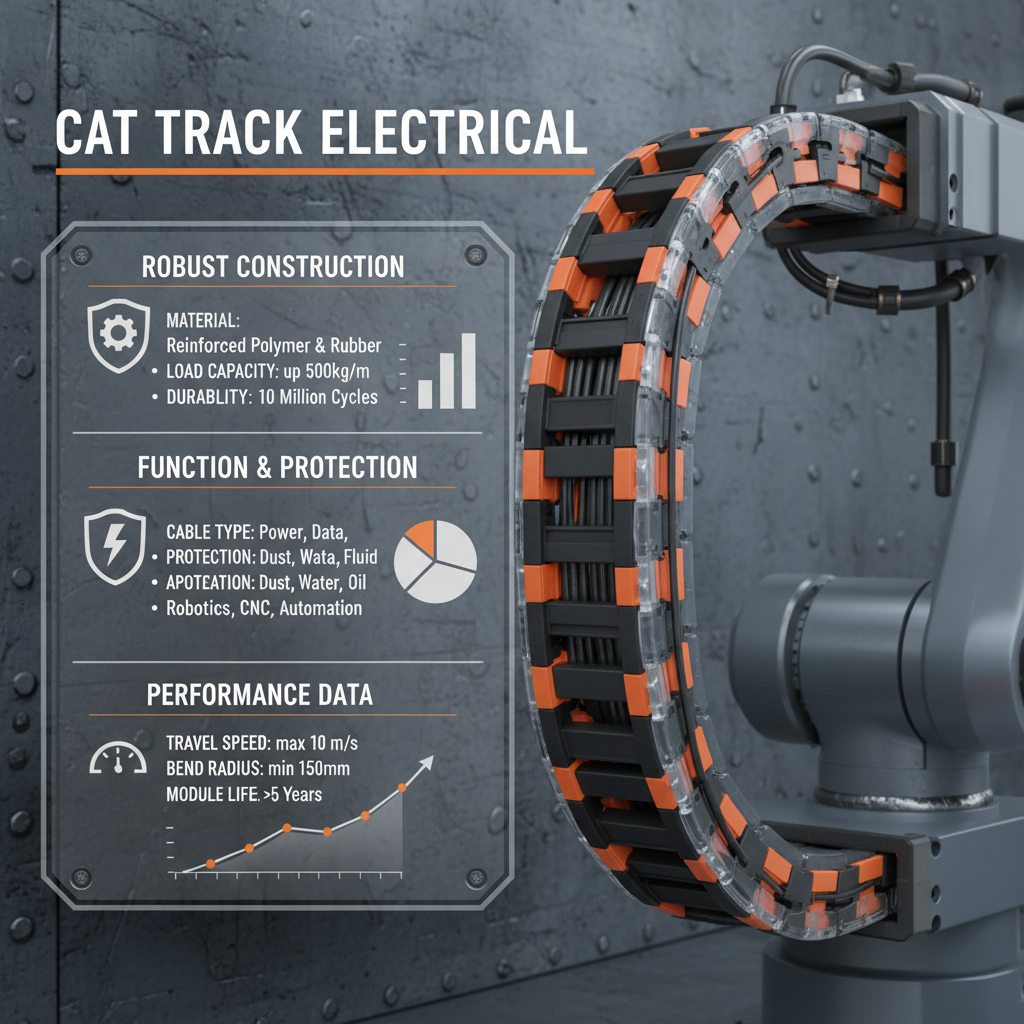
Reliable Cat Track Electrical Solutions for Construction and Industrial Power Needs

The Importance of Robust cat track electrical Systems

Reliable Cat Track Electrical Solutions for Construction and Industrial Power Needs

Honestly, a good cat track electrical setup is the silent workhorse of any construction project. You don’t notice it when it’s working right, but you sure notice when it’s not. It’s about more than just providing power; it’s about ensuring the safety of the workers, maintaining the schedule, and ultimately delivering a high-quality finished product. I've seen projects delayed for weeks, even months, because of electrical issues. It’s a huge cost driver.

We're seeing increased demand for temporary power solutions that can handle the high energy needs of modern construction equipment. Think about welders, concrete mixers, heavy-duty lighting – these things eat up power. And it’s not just the quantity, it’s the quality. Sensitive electronic equipment requires clean, stable power, or you're looking at malfunctions and downtime.

Understanding cat track electrical: A Definition

At its core, cat track electrical refers to the temporary electrical distribution system used on construction sites, industrial projects, and even event venues. It’s the network of cables, connectors, distribution panels, and safety devices that deliver power from the main service to the various tools and equipment on site. It's a temporary, but critical, infrastructure.

It's different from permanent electrical installations in that it's designed to be mobile and adaptable. Things change rapidly on a construction site, and the electrical system needs to be able to keep up. You're constantly adding and removing loads, reconfiguring the layout, and adapting to changing conditions. It’s about flexibility and responsiveness.

This isn’t just about plugging things in. A proper cat track electrical system needs to be engineered to handle the specific loads and conditions of the site. It needs to comply with all relevant safety regulations, and it needs to be regularly inspected and maintained to ensure its continued reliability.

Core Components of Effective cat track electrical

Durability is key. You're dealing with harsh environments – rain, mud, dust, heavy equipment. Cables and connectors need to be built to withstand that abuse. We see a lot of failures because people skimp on quality. Cheap cables get damaged easily, leading to shorts, outages, and safety hazards. It's worth investing in robust, heavy-duty components.

Scalability is another big one. Projects evolve. You start with a certain amount of power, and then you need to add more as the project progresses. A good system needs to be easily expandable, allowing you to add more circuits and distribution panels as needed. We use modular systems when possible - it saves a ton of time and headache.

Safety features are non-negotiable. Ground Fault Circuit Interrupters (GFCIs), overcurrent protection, and proper grounding are essential. We conduct regular safety inspections to identify and address any potential hazards. It’s not just about complying with regulations; it’s about protecting the lives of the workers on site.

Practical Applications Across Industries

We see cat track electrical in action everywhere. In large-scale commercial construction, it’s powering everything from cranes and hoists to welding equipment and lighting. In infrastructure projects like bridge building and road construction, it's providing power to remote work sites.

It's also heavily used in industrial maintenance and repair. When a plant needs to shut down for maintenance, we set up a temporary cat track electrical system to provide power for the repair work. This allows them to keep the downtime to a minimum.

Even in the entertainment industry, cat track electrical plays a vital role. Concerts, festivals, and movie sets all rely on temporary power distribution systems to run the lights, sound equipment, and other essential equipment.

cat track electrical Method Comparison


Advantages and Long-Term Value Proposition

A well-designed cat track electrical system translates directly into cost savings. Reduced downtime, fewer accidents, and improved efficiency all contribute to a lower overall project cost. It's not just about the initial investment; it's about the long-term return.

Sustainability is becoming increasingly important. Modern systems often incorporate energy-efficient components and features, reducing energy consumption and minimizing environmental impact. We're also seeing a growing demand for systems that can integrate with renewable energy sources like solar power.

Future Trends and Innovation in cat track electrical

Smart cat track electrical systems are the future. Integrating sensors and data analytics allows us to monitor power usage, identify potential problems, and optimize performance in real-time. This will lead to even greater efficiency and reliability.

Wireless power distribution is another area of innovation. It eliminates the need for cables, reducing trip hazards and simplifying setup. While it's still in its early stages, it has the potential to revolutionize the way we deliver power on construction sites.

Challenges and Solutions in cat track electrical Implementation

One of the biggest challenges is dealing with changing site conditions. Construction sites are dynamic environments, and the electrical system needs to be constantly adapted to accommodate new equipment, changing layouts, and unforeseen obstacles.

Another challenge is ensuring compliance with safety regulations. Regulations vary by location, and it's crucial to stay up-to-date on the latest requirements. We provide training to our crews to ensure they're fully aware of all safety protocols.

The key is planning. Thorough site assessment, detailed electrical design, and proactive communication are essential for a successful cat track electrical implementation. It's about anticipating potential problems and having solutions in place before they arise.

Summary of Common cat track electrical Challenges & Mitigation Strategies

Challenge Impact Level (1-5) Mitigation Strategy Cost of Mitigation (Estimate)
Cable Damage 4 Use heavy-duty cables & protective coverings $500 - $2000
Overload Protection Failures 5 Regular inspections & GFCI implementation $200 - $500
Changing Site Layouts 3 Modular & scalable distribution systems $1000 - $3000
Weather-Related Issues 4 Waterproof connectors & enclosures $300 - $1000
Safety Regulation Non-Compliance 5 Mandatory safety training & inspections $500 - $1500
Insufficient Power Capacity 3 Detailed load calculations & contingency planning $200 - $800

FAQS

What are the key safety considerations when setting up cat track electrical on a construction site?

Safety is paramount. Always use GFCIs, ensure proper grounding, inspect cables for damage regularly, and provide adequate protection from the elements. Training is crucial – all personnel working with the system should be properly trained on safe procedures. Regular inspections by a qualified electrician are also vital to identify and address any potential hazards. Never overload circuits, and always use appropriately rated equipment.

How do I determine the correct power capacity needed for my construction site?

Start by creating a detailed list of all the electrical equipment that will be used on site, including their voltage and amperage requirements. Add up the total power demand, and then add a safety margin of at least 20% to account for fluctuations and potential future needs. Consider peak demand times – when multiple pieces of equipment are running simultaneously. A qualified electrician can help you perform a thorough load calculation.

What’s the difference between single-phase and three-phase cat track electrical?

Single-phase is typically used for smaller loads like lighting and power tools. Three-phase is required for larger equipment like welders, compressors, and heavy machinery. Three-phase power is more efficient and can handle higher loads. The choice depends on the specific needs of your project. If you’re unsure, consult with an electrician to determine the best option.

How often should cat track electrical systems be inspected and maintained?

Regular inspections are vital. At a minimum, the system should be inspected daily before use to check for any visible damage. A more thorough inspection by a qualified electrician should be performed weekly, or more frequently if the system is subjected to harsh conditions. Maintenance should include cleaning connectors, tightening connections, and replacing any damaged components immediately.

What are some common troubleshooting steps for cat track electrical issues?

First, check the circuit breaker to see if it's tripped. If so, reset it and try again. If the breaker trips again, there's likely a short circuit. Inspect the cables and connectors for damage. If you suspect a short circuit, disconnect the power immediately and call a qualified electrician. Always use a voltage tester to verify that the power is off before working on the system.

Are there any emerging technologies impacting cat track electrical solutions?

Absolutely. Smart cat track electrical systems with remote monitoring and control are gaining traction. Wireless power transfer is also on the horizon, promising to eliminate cables and improve safety. We're also seeing increased integration with renewable energy sources and battery storage systems. These technologies will make cat track electrical systems more efficient, reliable, and sustainable.

Conclusion

In the end, cat track electrical isn’t just about cables and connectors – it’s about keeping projects running smoothly, safely, and efficiently. It's about understanding the needs of the jobsite, investing in quality components, and prioritizing safety above all else. From small renovations to large-scale construction, a reliable power distribution system is the foundation of success.

Looking ahead, we'll continue to see innovation in this space, with smart systems and wireless power becoming increasingly prevalent. It’s crucial for contractors and project managers to stay informed about these advancements and embrace technologies that can improve efficiency, reduce costs, and enhance safety. If you need a reliable and efficient cat track electrical solution for your next project, visit our website: www.agilechains.com

Daniel Garcia

Daniel Garcia

Daniel Garcia is a Customer Service and Technical Support Specialist at Shijiazhuang Agile Company. He is the first point of contact for many of our clients, providing expert advice on selecting the right cable protection solutions for their specific applications. Daniel joined Agile in 2020, bringing a strong technical background
Previous Optimizing Industrial Automation with Durable cnc cable carrier Solutions
Next Optimizing Industrial Efficiency with Durable Cantilever Drag Chain Systems