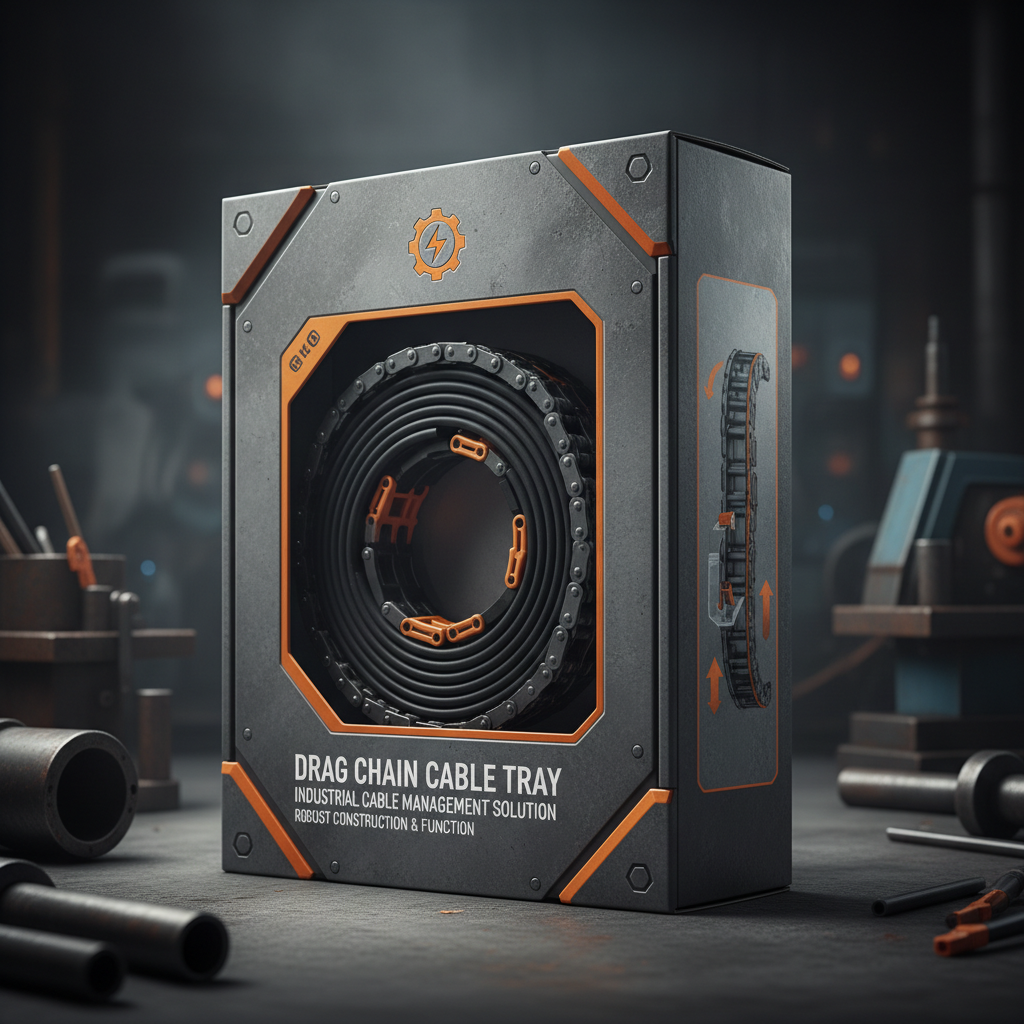
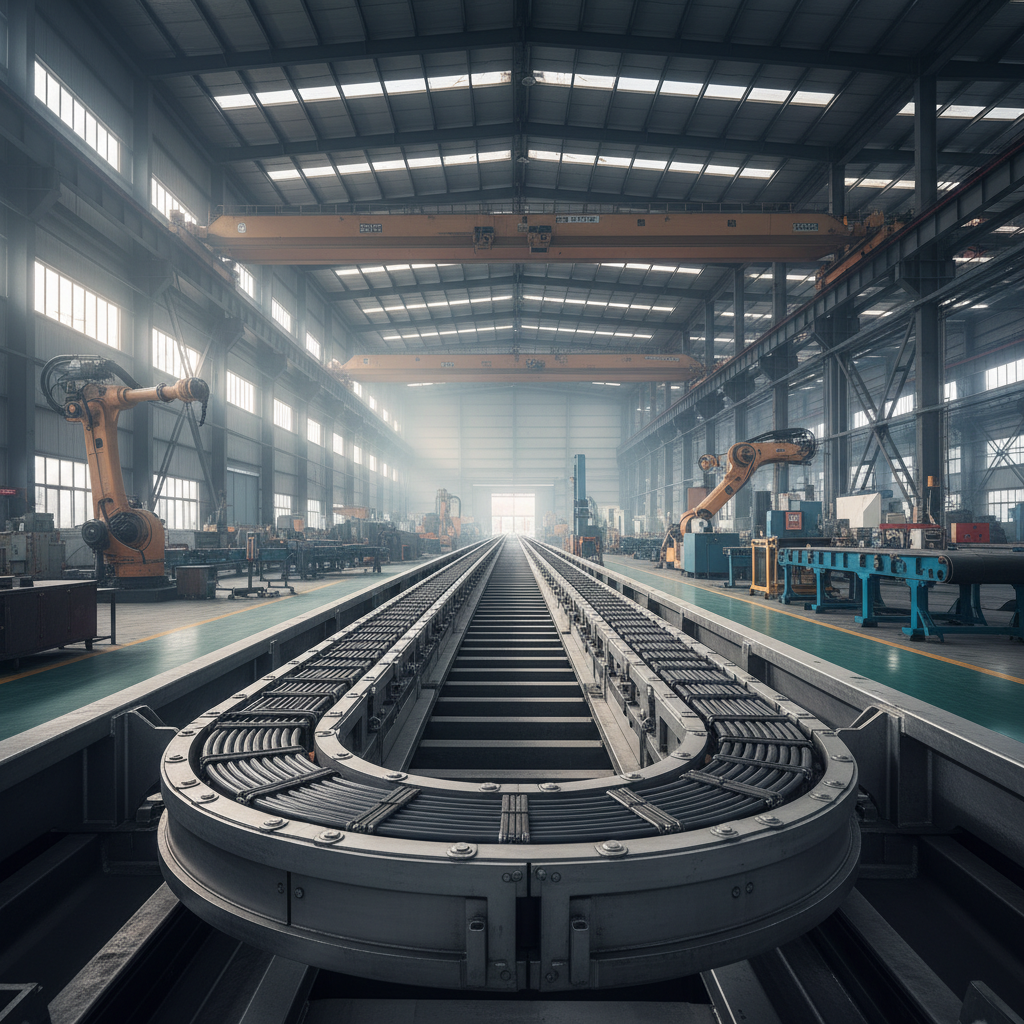
In the high-precision world of industrial automation, the management of moving cables and hoses is a critical factor in determining machine longevity. A drag chain cable tray serves as the backbone of dynamic motion systems, providing a structured and protected path for electrical conductors that must move repeatedly without failing. Without this essential guiding system, cables would be prone to twisting, abrasion, and premature fatigue, leading to costly unplanned downtime in manufacturing environments.
Globally, the demand for robust cable management has surged as industries shift toward Industry 4.0, where robotics and CNC machining require extreme reliability. The implementation of a professional drag chain cable tray is no longer just an accessory but a strategic necessity to ensure safety and operational efficiency. By mitigating the mechanical stress placed on wiring, these systems allow for faster cycle times and higher precision in automated movements.
Understanding the nuances of cable carrier selection—from material composition to bend radius—allows engineers to optimize their equipment for maximum uptime. Whether it is for a lightweight assembly line or a heavy-duty industrial press, the right drag chain cable tray prevents the "cable spaghetti" effect and ensures that every wire is managed with mathematical precision, reflecting a commitment to engineering excellence.
Global Relevance of Drag Chain Cable Tray Systems
From a global perspective, the integration of a drag chain cable tray is fundamental to the stability of the global supply chain. According to ISO standards for mechanical safety, the proper containment of moving parts is essential to prevent workplace accidents. In regions like East Asia and Europe, where high-density automated manufacturing is the norm, these trays prevent the catastrophic failure of power lines that could halt an entire production plant.
The challenge lies in the extreme environments these systems face—ranging from the freezing temperatures of cold-storage logistics to the searing heat of automotive smelting plants. A failure in the cable carrier system doesn't just mean a broken wire; it means hours of lost productivity and potentially dangerous electrical shorts. This makes the selection of high-grade polymers and steel for the tray structure a global priority for maintenance engineers.
Defining the Mechanics of Drag Chain Cable Trays
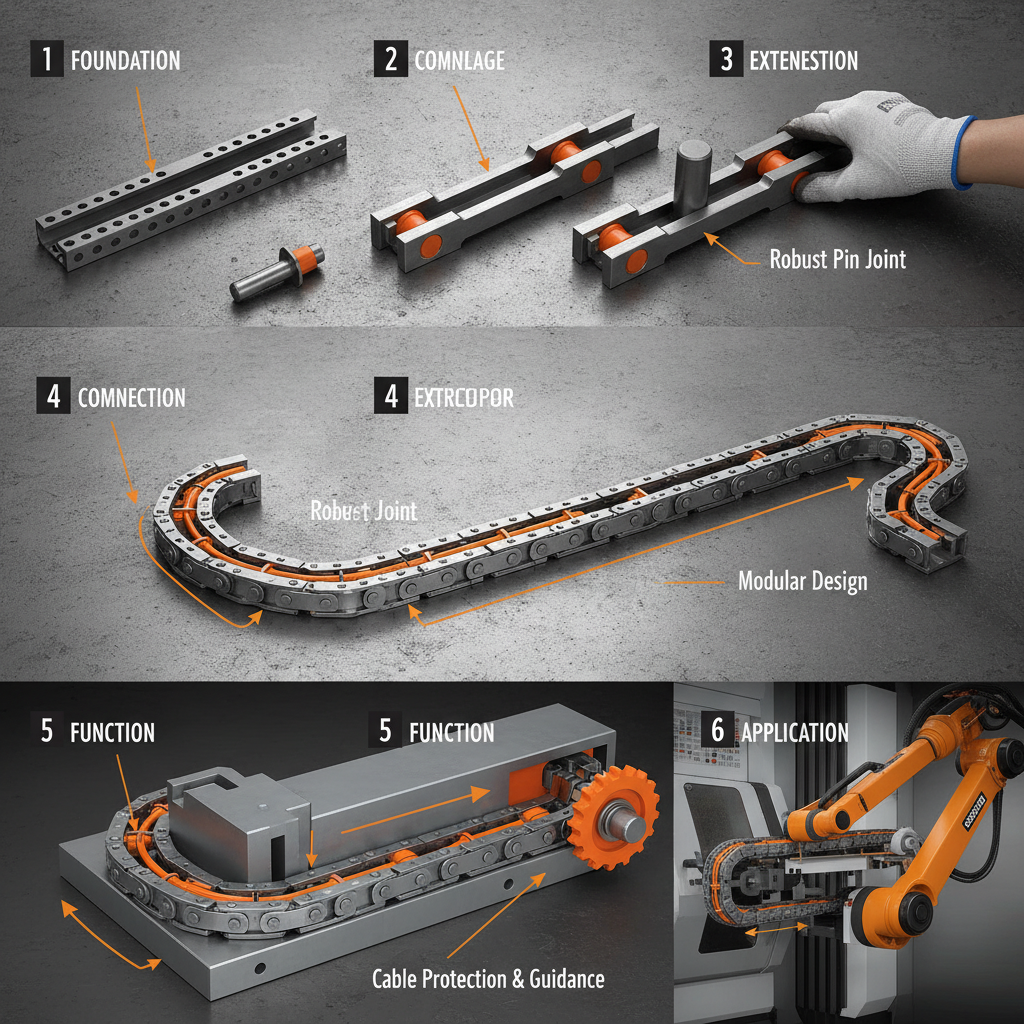
At its core, a drag chain cable tray is a flexible, articulated conduit designed to guide cables and hoses along a predefined path. Unlike static cable trays, the drag chain is engineered to bend in one direction while remaining rigid in others, preventing the cables from twisting or kinking. This controlled motion is what allows a CNC machine head to move rapidly across an axis without compromising the integrity of the wiring.
In modern industry, these trays are the invisible heroes of kinematics. They bridge the gap between static power sources and moving tool-heads. By ensuring a consistent bend radius, the drag chain prevents the copper strands inside the cables from snapping due to repetitive stress—a phenomenon known as fatigue failure. This is especially crucial in humanitarian-grade medical equipment and precision laboratory robotics where failure is not an option.
The connection to modern industry is rooted in the need for modularity. Whether using the MT series for general purpose or the TSK series for heavy-duty loads, the drag chain cable tray allows for easy expansion. As a factory adds more sensors or power lines to a machine, the modular nature of the tray allows for seamless integration without needing to redesign the entire movement architecture.
Core Components for Maximum Durability
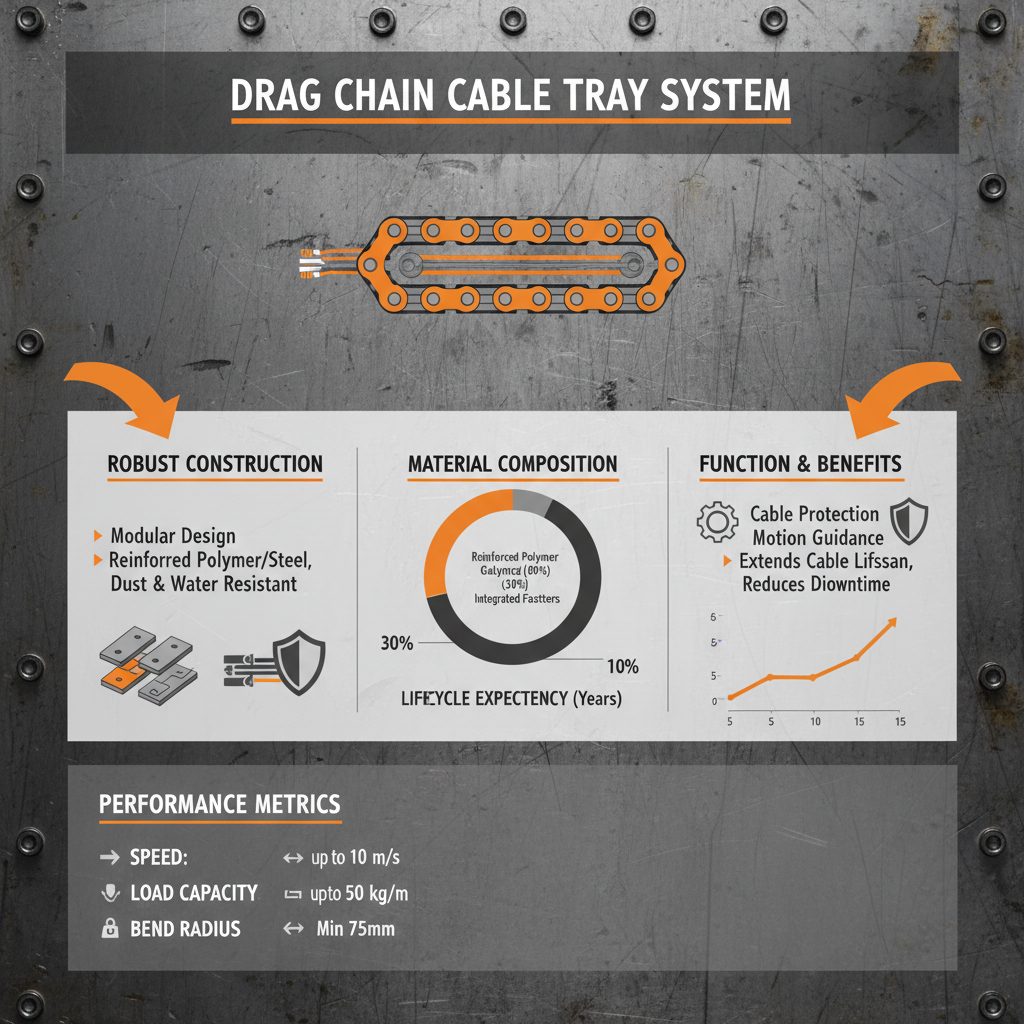
The durability of a drag chain cable tray begins with the material science of its links. High-performance polyamide (Nylon) is often used for its self-lubricating properties and resistance to wear, ensuring that the chain glides smoothly over thousands of cycles. For more aggressive environments, stainless steel or reinforced plastics are utilized to withstand chemical corrosion and high-impact forces.
Scalability is another critical factor. A professional drag chain cable tray system must accommodate varying cable diameters and quantities. By utilizing internal separators, engineers can prevent different types of cables—such as high-voltage power lines and low-voltage data cables—from rubbing against each other, which eliminates electromagnetic interference (EMI) and physical wear.
Finally, cost efficiency is achieved through the balance of life-cycle value over initial purchase price. While a premium drag chain cable tray may have a higher upfront cost, the reduction in replacement frequency and the prevention of machine downtime create a massive return on investment. Precision-engineered links ensure that the system does not "snap" or derail, which is the primary cause of expensive emergency repairs in automated lines.
Performance Metrics and Cost Efficiency
When evaluating the efficiency of a drag chain cable tray, engineers look at the "cycle life"—the number of times the chain can bend and straighten before showing signs of wear. High-quality systems can withstand millions of cycles, whereas inferior versions may fail within a few thousand. This longevity directly impacts the Total Cost of Ownership (TCO) for any industrial facility.
Furthermore, the weight-to-strength ratio is pivotal. A lighter drag chain cable tray reduces the load on the machine's motors, leading to lower energy consumption and less wear on the drive mechanisms. By selecting the appropriate series, such as the VSK or MTK series, operators can match the tray's physical properties to the machine's specific acceleration and deceleration profiles.
Performance Rating of Drag Chain Cable Tray Variants
Global Industrial Applications and Use Cases
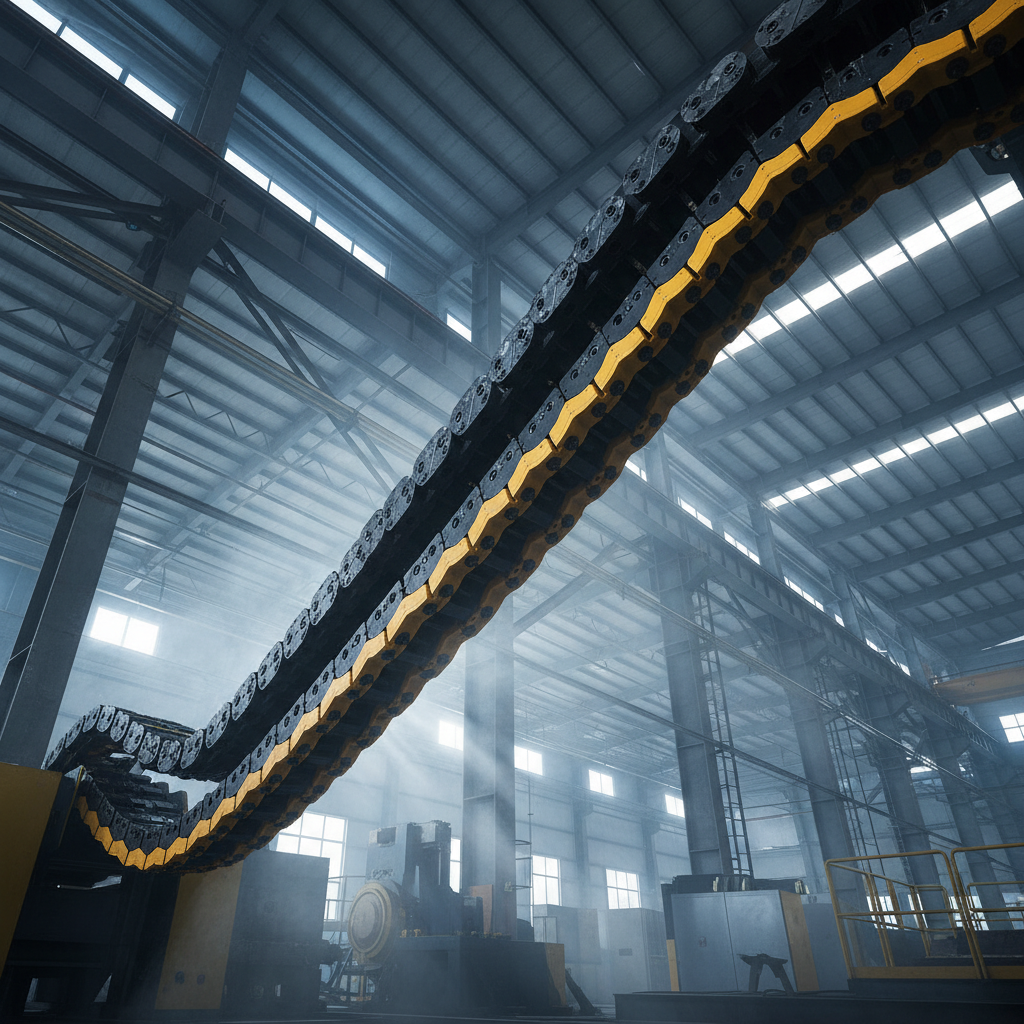
The versatility of the drag chain cable tray allows it to be deployed in virtually every sector of modern manufacturing. In the automotive industry, for example, these trays are used in robotic welding arms that move in complex 3D patterns, ensuring that power and gas lines never tangle. In the semiconductor industry, where cleanliness is paramount, specialized non-outgassing trays are used to prevent particles from contaminating silicon wafers.
Beyond the factory floor, these systems are vital in remote industrial zones, such as mining operations or offshore oil rigs. In these harsh environments, a drag chain cable tray protects critical control cables from salt spray, dust, and extreme vibrations. This reliability ensures that remote-operated vehicles (ROVs) and heavy drilling equipment can function without the risk of electrical failure in locations where repairs are nearly impossible.
Long-term Value and Operational Reliability
Investing in a high-quality drag chain cable tray provides more than just physical protection; it provides peace of mind. When a system is designed for long-term reliability, the emotional stress on the maintenance team is significantly reduced. They no longer have to worry about "random" cable breaks that cause midnight emergency calls and production halts, fostering a culture of trust in the machinery.
From a sustainability angle, using a durable drag chain cable tray reduces industrial waste. Cheap, low-grade carriers often need replacement every few months, leading to piles of plastic waste and discarded cabling. A premium system lasts for years, aligning with green manufacturing goals by reducing the consumption of raw materials and the frequency of waste disposal.
Ultimately, the logic is simple: reliability equals profit. By ensuring that every cable is managed through a precise drag chain cable tray, companies can guarantee a consistent output quality. In high-precision industries, even a slight cable tug can cause a micro-deviation in a machine's path, leading to rejected parts. Precision cable management is therefore a direct contributor to product quality and brand reputation.
Future Innovations in Cable Management Technology
The future of the drag chain cable tray is being shaped by the digital transformation. We are seeing the rise of "Smart Trays" equipped with embedded sensors that can monitor the wear and tear of the chain in real-time. These sensors can alert operators via IoT platforms when a specific link is nearing its fatigue limit, allowing for predictive maintenance rather than reactive repairs.
Material science is also evolving. The next generation of drag chain cable tray systems will likely utilize bio-based polymers and carbon-fiber reinforcements, offering an even higher strength-to-weight ratio while reducing the environmental footprint. These innovations will enable faster machine speeds, as the lower mass of the tray reduces the inertia that motors must overcome during rapid acceleration.
As automation moves toward more collaborative environments (cobots), cable management is becoming more discreet and flexible. The development of ultra-compact trays, like the refined SK or TUB series, ensures that cables are hidden and safe, preventing them from becoming snagging hazards for human workers. The evolution of the drag chain cable tray is a mirror of the evolution of the industry itself—moving toward a future that is smarter, cleaner, and more efficient.
Comparative Analysis of Drag Chain Cable Tray Series for Different Industrial Needs
| Tray Series |
Load Capacity |
Wear Resistance |
Best Use Case |
| MT Series |
Medium |
High |
General CNC Machining |
| TSK Series |
Very High |
Extreme |
Heavy Industrial Presses |
| VSK Series |
Low |
Medium |
Light Assembly Robotics |
| MTK Series |
Medium-High |
High |
Automated Packaging |
| VMTK Series |
High |
High |
Complex 3-Axis Motion |
| TUB Series |
Medium |
Medium |
Laboratory Automation |
FAQS
To select the correct size, you must first calculate the total cross-sectional area of all cables and hoses. A general rule of thumb is to leave about 10% to 25% of free space within the drag chain cable tray to prevent overcrowding, which can lead to cable friction and overheating. Also, ensure the internal width allows cables to move without being pinched during the bend.
Yes, provided you select a tray made from high-temperature resistant polymers like reinforced polyamide. While standard plastics may deform, specialized drag chain cable tray materials are designed to withstand heat without losing structural integrity. For extreme heat (e.g., near furnaces), stainless steel versions are recommended over plastic.
In most industrial contexts, these terms are used interchangeably. Both refer to the articulated system that manages moving cables. However, "cable carrier" is a broader term, while drag chain cable tray specifically emphasizes the chain-like, linked structure that ensures a controlled bend radius and prevents cable torsion.
Inspection frequency depends on the cycle rate of your machine. For high-speed robotics, a monthly visual check is recommended. Look for "stress whitening" in plastic links, which indicates material fatigue, or signs of metal shavings in steel trays. Replacing a drag chain cable tray proactively is always cheaper than replacing the cables inside after a chain collapse.
While a plastic tray itself does not block EMI, a professional drag chain cable tray provides internal separators. These allow you to physically isolate power cables from sensitive data lines, which is a primary method for reducing electromagnetic interference and ensuring signal integrity in automated systems.
The bend radius should be based on the specifications of the thickest cable being used. Most cables have a minimum bend radius (e.g., 10x the outer diameter). Your drag chain cable tray must have a radius equal to or greater than this minimum to prevent the internal conductors from snapping over time.
Conclusion
In summary, the drag chain cable tray is a cornerstone of modern industrial engineering, transforming the chaotic management of moving wires into a streamlined, predictable system. By focusing on material quality, correct bend radius, and modular scalability, manufacturers can drastically reduce downtime and extend the operational life of their machinery. The synergy between mechanical protection and electrical reliability is what allows the high-speed precision of today's automated world to exist.
Looking forward, the shift toward smart manufacturing and sustainable materials will further refine how we protect our critical cabling. We encourage engineers and plant managers to move beyond "good enough" solutions and invest in precision-engineered cable carriers that anticipate the needs of tomorrow's robotics. For those seeking to optimize their motion systems and ensure maximum uptime, explore the full range of industrial solutions. Visit our website: www.agilechains.com

 FIND USHIGH-TECH ZONE
 CALL US TODAY
 EMAIL US NOW