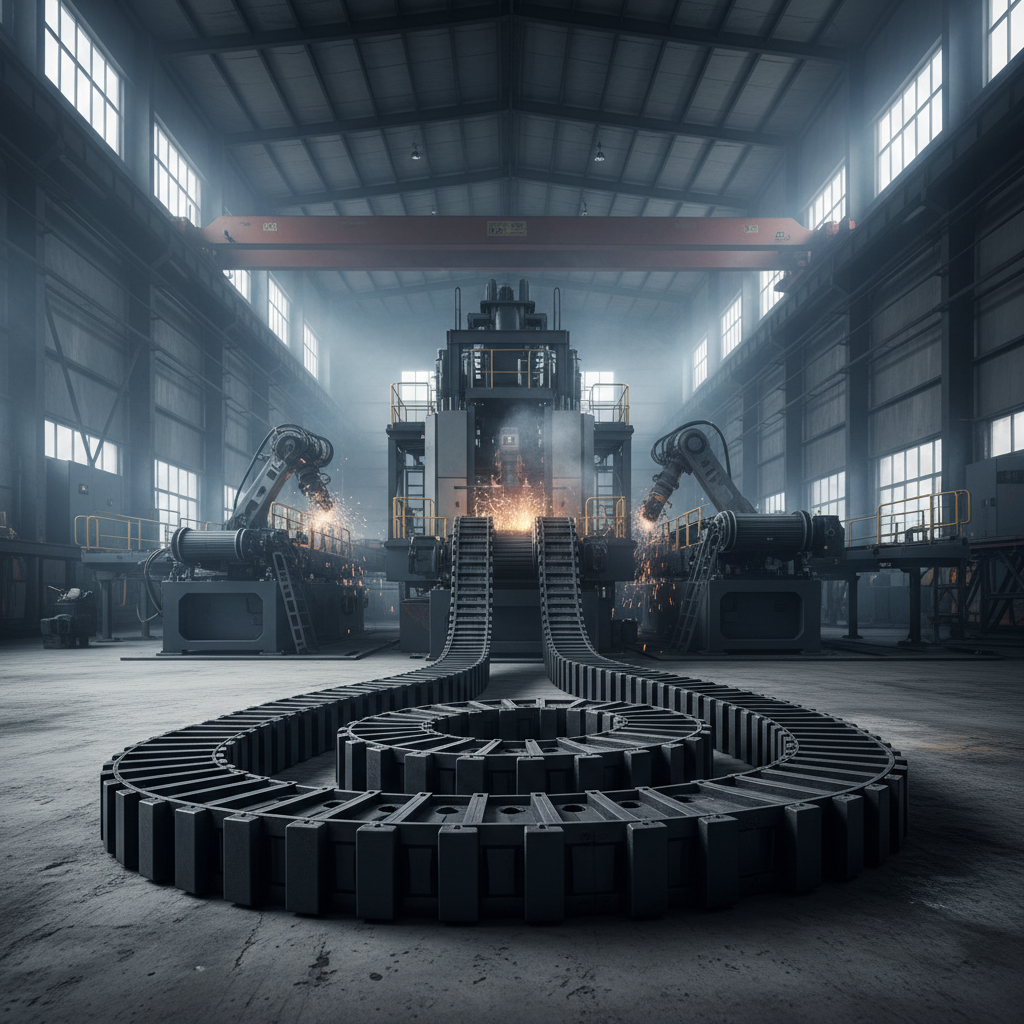
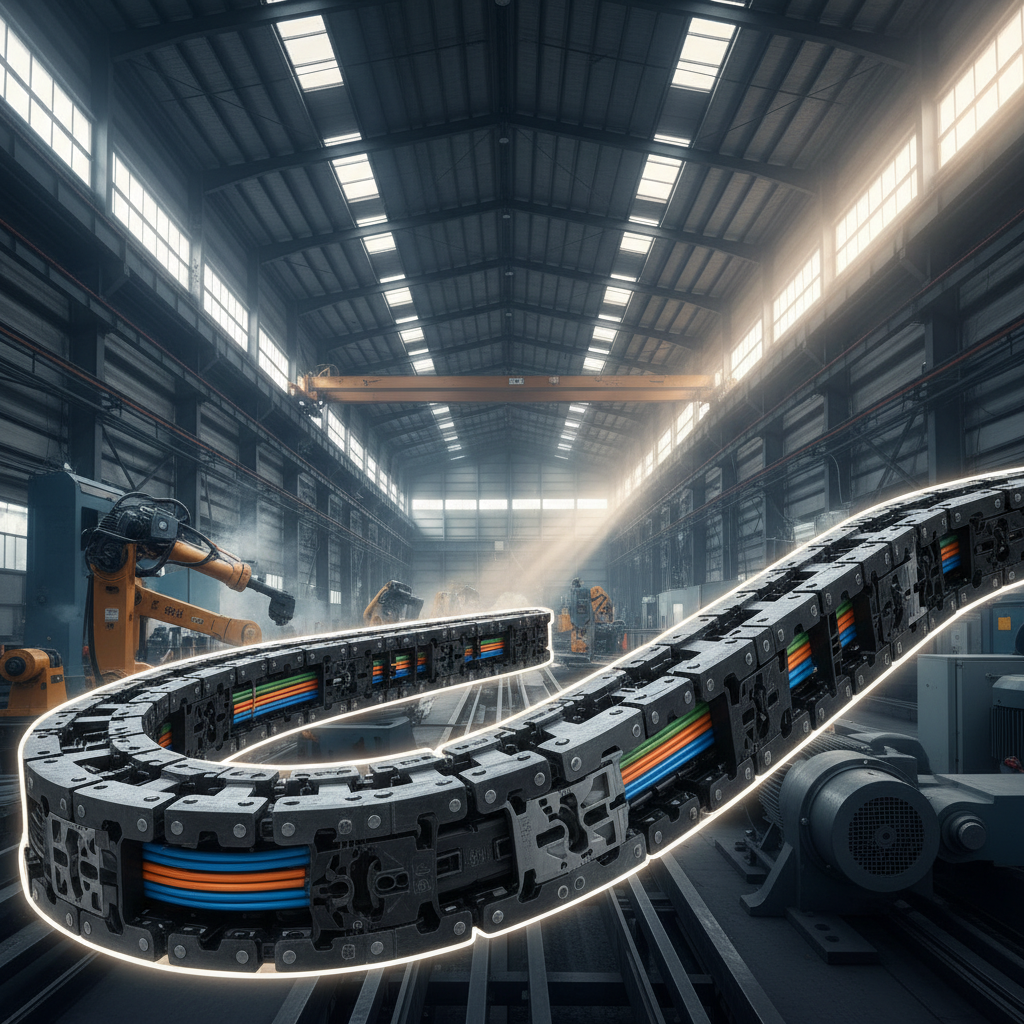
Look, I’ve spent the last fifteen years crawling around construction sites, getting dust in my teeth and grease on my hands. I’ve seen a lot of material handling solutions come and go, and let me tell you, when it comes to keeping things moving smoothly – especially in tight spaces – a good cantilever drag chain is absolutely critical. It's not glamorous, but it’s the backbone of efficiency, preventing downtime and keeping projects on schedule. We're talking about minimizing cable wear, maximizing machine uptime, and ultimately, saving serious money.
What I’ve noticed is that too many companies treat drag chains as an afterthought. They grab the cheapest option and then wonder why they’re constantly replacing cables or dealing with frustrating failures. A quality cantilever drag chain isn’t just a plastic sleeve; it’s an investment in the longevity and reliability of your equipment. It’s about understanding the specific demands of the application and choosing a chain that can handle the load, the environment, and the movement.
And honestly, the industry is finally starting to catch on. We’re seeing more innovative designs, stronger materials, and a greater focus on customization. The days of one-size-fits-all solutions are numbered. The demand for robust and adaptable solutions, especially as automation increases, is driving the need for better cantilever drag chain systems.
The Importance of cantilever drag chain in Modern Industry
From automated warehouses to complex robotic arms, modern industry relies heavily on the continuous movement of cables and hoses. Without a robust system to guide and protect these vital components, we’d be facing constant breakdowns and costly repairs. That’s where the cantilever drag chain steps in. Globally, the demand for efficient automation is skyrocketing, and with it, the need for reliable cable management solutions. The UN estimates that global industrial output will continue to grow significantly in the coming decades, driving the demand for improved infrastructure.
I’ve seen firsthand the impact of a failing drag chain. A simple break can halt an entire production line. Companies are losing thousands of dollars every hour when they have to shut down and troubleshoot cable failures. That’s why choosing the right cantilever drag chain isn’t just about cost; it’s about minimizing risk and maximizing uptime. It’s a preventative measure that pays dividends in the long run.
Understanding cantilever drag chain: A Definition
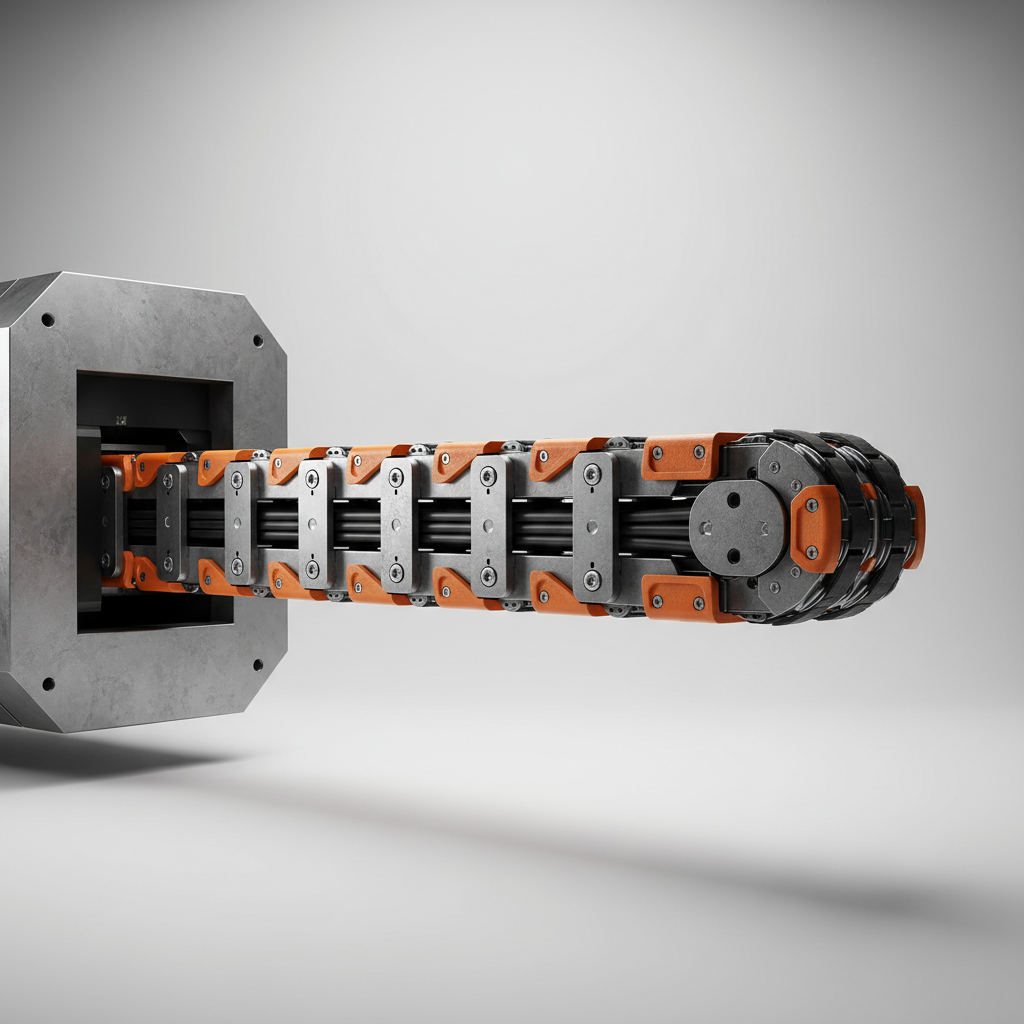
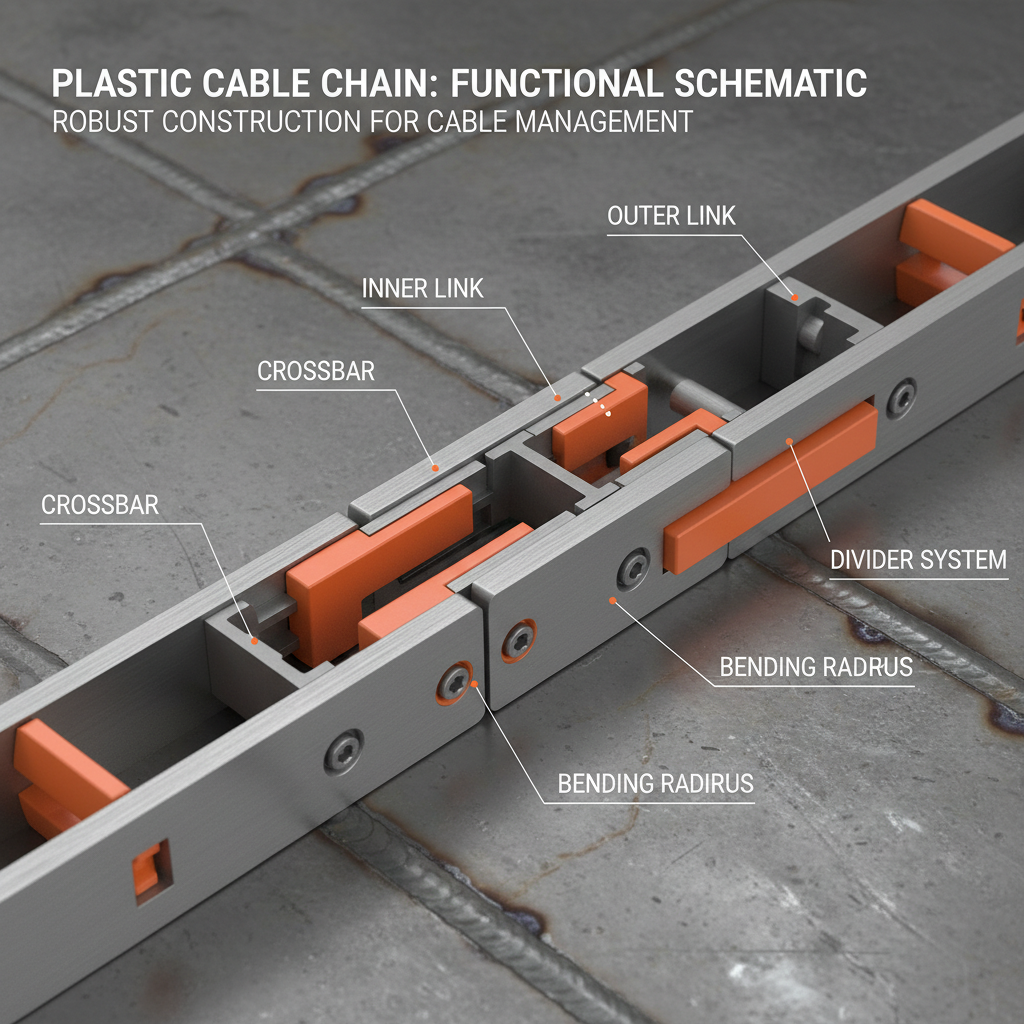
Simply put, a cantilever drag chain is a flexible conduit system designed to guide and protect electrical cables, hydraulic hoses, pneumatic lines, and other components during dynamic applications. Think of it as a protective spine for your machine's nervous system. The "cantilever" design refers to the way the chain is supported, often extending out from a fixed point. It's different than a fully enclosed drag chain, offering greater accessibility for cable maintenance and installation.
These aren’t new inventions. They've evolved over decades, initially born out of the need to manage cables in machine tools. But their relevance has exploded with the rise of automation and robotics. They’re essential for everything from CNC machines and 3D printers to automated packaging systems and robotic welding cells.
The connection to modern industry and humanitarian needs might not be immediately obvious, but think about disaster relief. Quickly deployable robotic systems, guided by protected cables within cantilever drag chain, can be used for search and rescue operations, infrastructure assessment, and delivering essential supplies. Reliability in these situations isn’t just a convenience; it’s a matter of life and death.
Key Factors of High-Performance cantilever drag chain
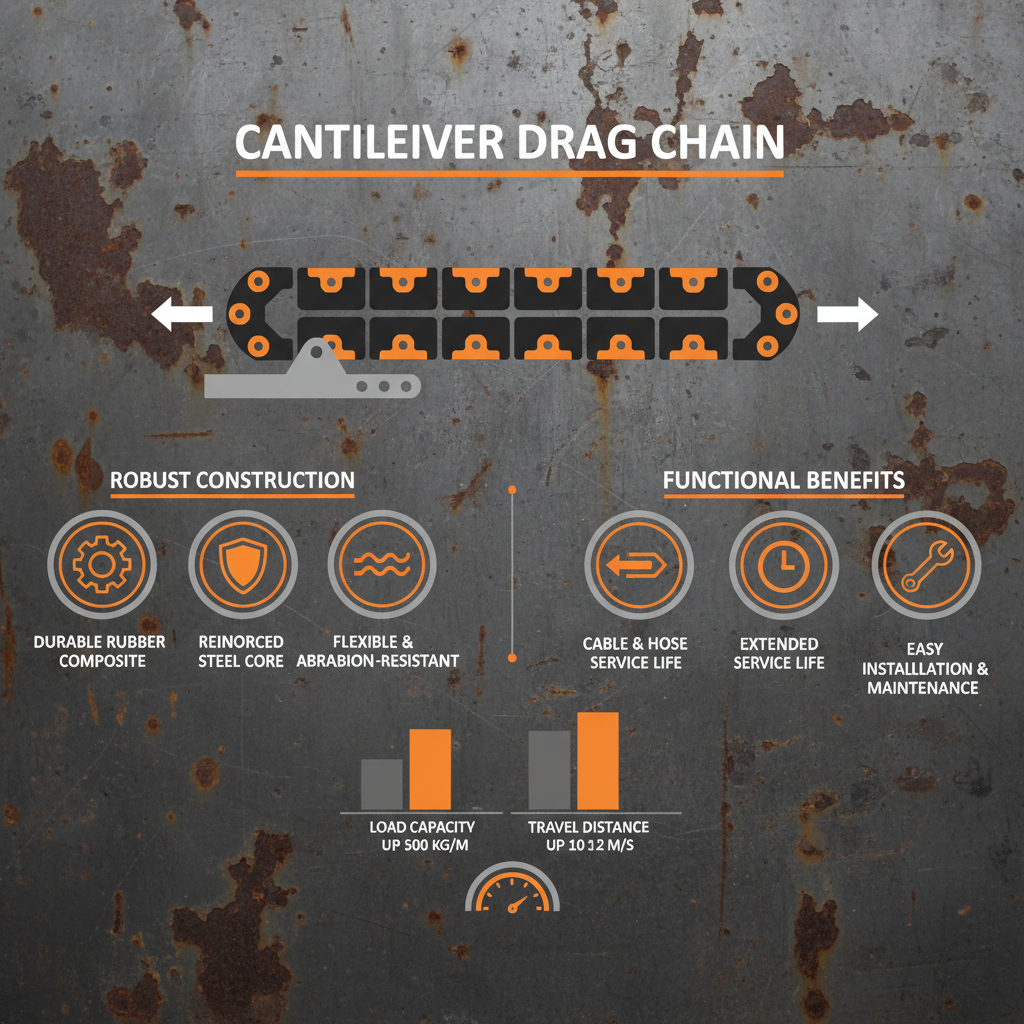
Durability is paramount. These chains take a beating – constant flexing, exposure to harsh environments, and the sheer weight of the cables they carry. Look for chains made from high-quality polymers, like polypropylene or nylon, with reinforced links. I’ve seen chains made from cheap materials crack and fail within months, leading to catastrophic downtime.
Another critical factor is the chain’s ability to handle the specific application's radius. A tighter bend radius requires a more flexible chain, while heavier loads demand a stronger, more rigid design. Getting this wrong leads to premature wear and tear. Scalability is important too – can the chain be easily expanded or modified as your needs change?
Cost efficiency isn't just about the initial purchase price. It’s about the total cost of ownership. A slightly more expensive, high-quality chain that lasts for years will ultimately be cheaper than a cheap chain that needs to be replaced constantly. Finally, consider the ease of installation and maintenance. A chain that’s difficult to work with will end up costing you valuable time and resources.
Global Applications of cantilever drag chain
You’ll find cantilever drag chain in virtually every industrialized nation. In Germany, they’re a mainstay in automotive manufacturing, protecting cables in robotic welding and painting systems. In China, they’re widely used in electronics assembly and automated material handling. And in the US, they're becoming increasingly common in aerospace, medical device manufacturing, and food processing.
I recently worked on a project in a remote mining operation in Chile. The harsh desert environment and constant vibrations made reliable cable management crucial. We implemented a custom cantilever drag chain system that withstood the extreme conditions and kept the mining equipment running smoothly.
In post-disaster relief operations, you’ll see robotic search and rescue teams utilizing these chains to protect their delicate sensors and communication cables. These systems need to be robust and reliable in challenging and unpredictable environments. Even in smaller-scale applications, like 3D printing farms, cantilever drag chain help maintain precision and prevent cable tangles.
cantilever drag chain Performance Comparison
Advantages & Long-Term Value of cantilever drag chain
The most obvious benefit is cost savings. Minimizing downtime, reducing cable replacement frequency, and simplifying maintenance all contribute to a lower total cost of ownership. But there are less tangible benefits too. A well-designed cantilever drag chain system enhances safety by protecting cables from damage and preventing tripping hazards.
From a sustainability perspective, reducing waste and extending the lifespan of equipment is a win-win. By protecting cables and hoses, we’re reducing the need for frequent replacements, which conserves resources and minimizes environmental impact. And in terms of innovation, these chains are enabling the development of more sophisticated and reliable automated systems.
Future Trends & Innovations in cantilever drag chain Technology
We're seeing a move towards smarter drag chains, incorporating sensors that monitor cable wear and predict potential failures. This predictive maintenance capability will revolutionize the way we manage these systems. The use of new materials, like carbon fiber reinforced polymers, is also on the rise, offering increased strength and reduced weight.
The integration of drag chains with digital twins – virtual representations of physical assets – will allow for remote monitoring, diagnostics, and optimization. As automation continues to evolve, the demand for customized drag chain solutions will only increase. We’ll likely see more modular designs and 3D-printed components, allowing for greater flexibility and faster lead times.
Challenges and Solutions for cantilever drag chain Implementation
One common challenge is selecting the right chain for a specific application. It requires a thorough understanding of the load, the environment, and the range of motion. A mismatch can lead to premature failure and costly downtime. That’s where working with an experienced supplier is crucial.
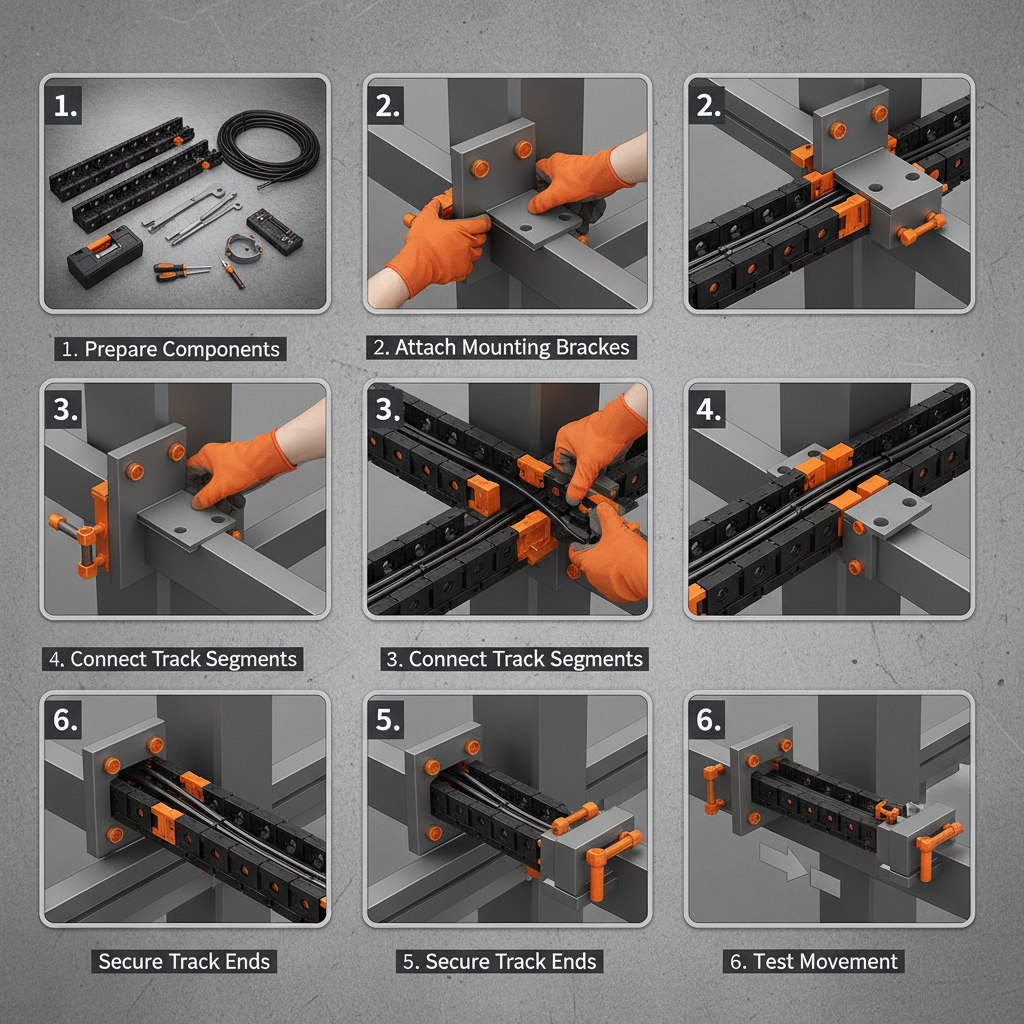
Another issue is proper installation. Incorrect installation can damage the chain and void the warranty. Training personnel on proper installation techniques is essential. Finally, maintaining the chain requires regular inspection and lubrication. A preventative maintenance program can significantly extend the lifespan of the chain and prevent unexpected breakdowns.
To overcome these challenges, companies are investing in engineering support, training programs, and advanced diagnostic tools. The future of cantilever drag chain isn’t just about the hardware; it’s about the complete system and the expertise that supports it.
Analysis of cantilever drag chain Implementation Issues and Solutions
| Issue |
Severity (1-10) |
Potential Impact |
Proposed Solution |
| Incorrect Chain Selection |
8 |
Reduced Lifespan, Downtime |
Detailed Application Analysis |
| Improper Installation |
7 |
Damage, Warranty Void |
Certified Installer Training |
| Lack of Lubrication |
6 |
Increased Wear, Friction |
Automated Lubrication System |
| Environmental Contamination |
5 |
Corrosion, Degradation |
Corrosion-Resistant Materials |
| Cable Strain/Overload |
9 |
Chain Failure, Cable Damage |
Load Capacity Analysis |
| Inadequate Maintenance Schedule |
4 |
Unnoticed Wear, Reduced Lifespan |
Preventative Maintenance Program |
FAQS
The lifespan of a cantilever drag chain heavily depends on the application, environmental conditions, and maintenance. Generally, a well-maintained chain in a typical industrial setting can last anywhere from 3 to 7 years. However, in harsh environments with extreme temperatures or corrosive materials, the lifespan may be shorter. Regular inspection and proper lubrication are key to maximizing longevity.
Choosing the correct size involves several considerations. First, measure the diameter of the largest cable or hose that needs to be accommodated. Then, add at least 20% to that measurement to allow for bending radius and movement. Next, determine the travel distance and speed, as this will influence the chain’s required flexibility. Finally, consider the environment and select a material that can withstand the conditions.
Cantilever drag chains offer easier access for cable maintenance and replacement. The open design simplifies adding or removing cables without disassembling the entire chain. They are also generally more lightweight and cost-effective than fully enclosed options. However, they may offer slightly less protection against debris and contaminants.
Lubrication frequency depends on the operating environment and load. As a general guideline, lubricate the chain every 3-6 months. In dusty or corrosive environments, more frequent lubrication may be necessary. Use a lubricant specifically designed for plastics to avoid damaging the chain material. Automated lubrication systems are a great option for consistent and efficient maintenance.
Yes, but material selection is critical. Standard polypropylene chains have a limited temperature range. For high-temperature applications, consider chains made from materials like high-density polyethylene (HDPE) or other engineered plastics that can withstand the heat. For low-temperature applications, ensure the material remains flexible and doesn’t become brittle.
Common failure points include link breakage, especially under heavy loads or stress. Wear and tear on the chain's interior surfaces due to friction can also occur. Improper installation, such as over-bending or misalignment, can cause premature failure. Regular inspection and preventative maintenance can help identify and address these issues before they become major problems.
Conclusion
From my years on the ground, I can tell you that a reliable cantilever drag chain isn’t just a component; it's a critical investment in the efficiency, safety, and longevity of your operations. Choosing the right chain, installing it correctly, and maintaining it diligently will pay dividends in reduced downtime, lower costs, and increased productivity.
As automation continues to reshape industries, the demand for robust and adaptable cable management solutions will only grow. Stay ahead of the curve by embracing innovative technologies, partnering with experienced suppliers, and prioritizing preventative maintenance. Visit our website at www.agilechains.com to learn more about how we can help you optimize your systems.

 FIND USHIGH-TECH ZONE
 CALL US TODAY
 EMAIL US NOW