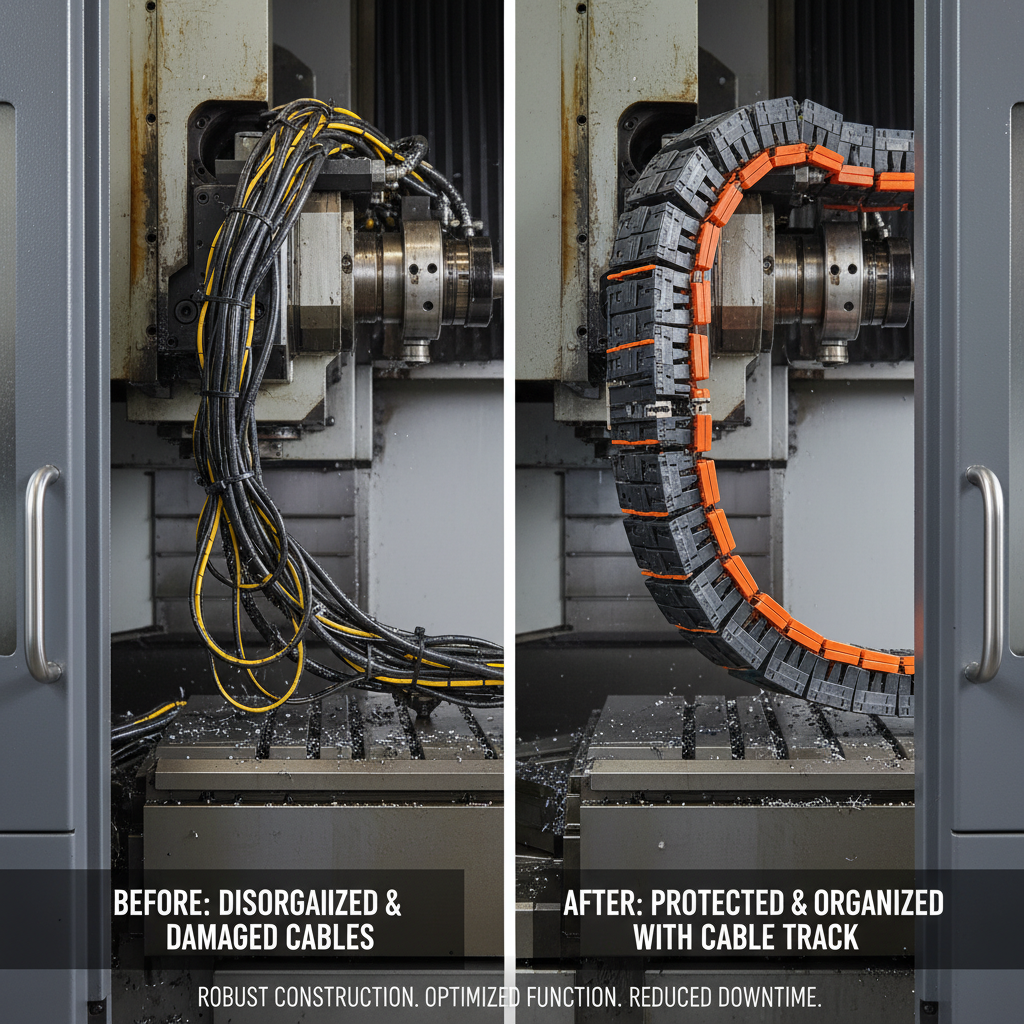
Cable & hose carriers, often unseen yet vital, are fundamental to modern industry and infrastructure. These systems, encompassing energy chains, cable tracks, and protective conduits, safeguard sensitive cables and hoses from environmental factors, mechanical stress, and potential damage. Their importance extends across numerous sectors, from robotics and manufacturing to renewable energy and aerospace, enabling reliable operation and minimizing downtime. Understanding their application is crucial for optimizing efficiency, enhancing safety, and driving innovation in a rapidly evolving technological landscape.
Globally, the demand for robust and adaptable cable management solutions is rising, fueled by increasing automation, the growth of renewable energy projects, and the expansion of industrial infrastructure in emerging economies. The United Nations Sustainable Development Goals, particularly those related to infrastructure, innovation, and responsible consumption, indirectly drive the need for durable and efficient systems like cable & hose carriers. A report by the World Bank highlights the significance of reliable infrastructure in fostering economic growth, and effective cable management is a cornerstone of that reliability.
The increasing complexity of modern machinery and the demands of Industry 4.0 necessitate sophisticated cable & hose carrier systems. Challenges associated with dynamic applications, harsh environments, and the increasing density of cabling require continuous development and refinement of these critical components. The ability to ensure seamless operation and reduce maintenance costs makes understanding and correctly implementing cable & hose carriers a key differentiator for businesses across diverse sectors.
The Global Significance of cable & hose carriers
The reach of cable & hose carriers is truly global, impacting industries in virtually every corner of the world. From the intricate robotic arms in automotive manufacturing plants in Germany and Japan to the complex cable networks supporting offshore wind farms in the North Sea, these systems are essential. The burgeoning manufacturing sector in Southeast Asia and the rapid development of infrastructure in Africa also rely heavily on dependable cable management solutions. The increasing demand is linked to stringent safety regulations and the drive for operational efficiency.
This demand isn’t simply about replacing damaged cables; it's about proactively safeguarding critical infrastructure. In environments prone to extreme temperatures, corrosive substances, or heavy mechanical stress, the use of robust cable & hose carriers significantly reduces the risk of failure, minimizing costly downtime and ensuring worker safety. The economic impact of these systems extends beyond direct cost savings, fostering innovation and enabling the adoption of advanced technologies.
Defining Cable & Hose Carrier Systems
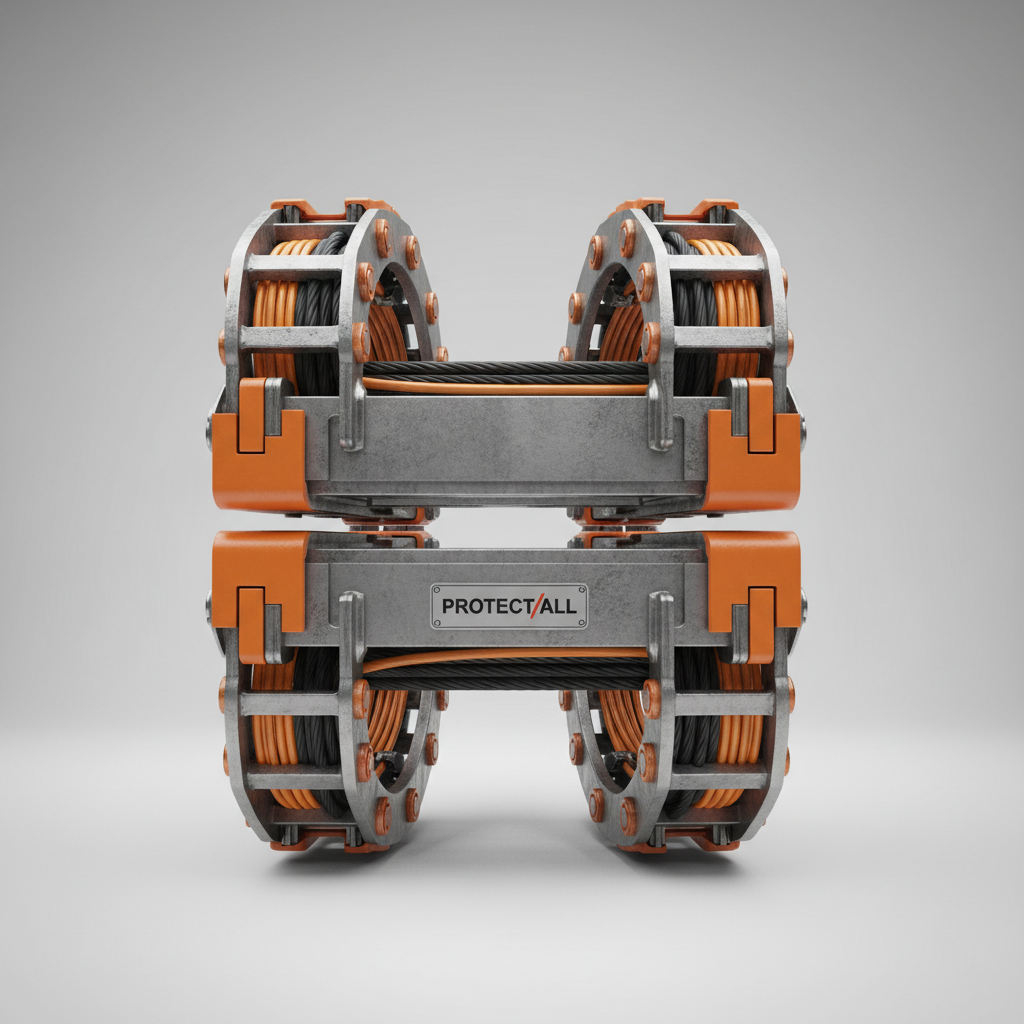
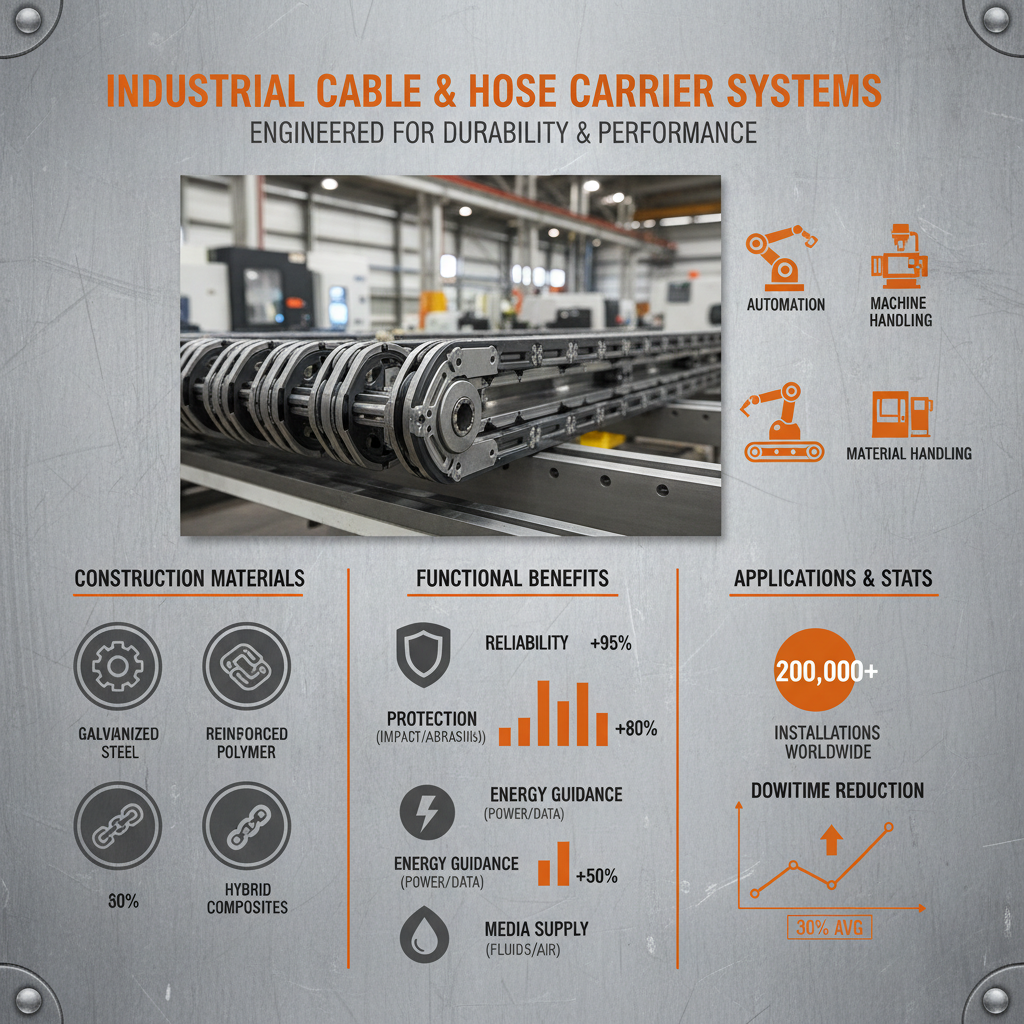
Cable & hose carriers, in their simplest form, are guiding systems designed to enclose, protect, and support moving cables and hoses. They come in a variety of configurations, including energy chains (comprised of interlocking links), cable tracks (with integrated rollers), and flexible conduits. These systems allow for unrestricted movement in multiple axes, preventing cable entanglement, abrasion, and fatigue. Their primary function is to ensure the continuous and reliable transmission of power, data, and fluids.
The connection to modern industry is undeniable. Robotics, automated machinery, and computer numerical control (CNC) systems all rely on the precise and dependable movement of cables and hoses, which cable & hose carriers facilitate. Beyond manufacturing, they are crucial in the operation of medical equipment, stage technology, and even amusement park rides. Essentially, any application requiring dynamic cable or hose movement benefits from these systems.
These systems also play a role in humanitarian applications. In disaster relief scenarios, mobile power generators and communication equipment often rely on flexible cable management to quickly establish critical infrastructure. The ability to rapidly deploy and reconfigure these systems makes them invaluable in emergency response situations.
Key Characteristics of Effective cable & hose carriers
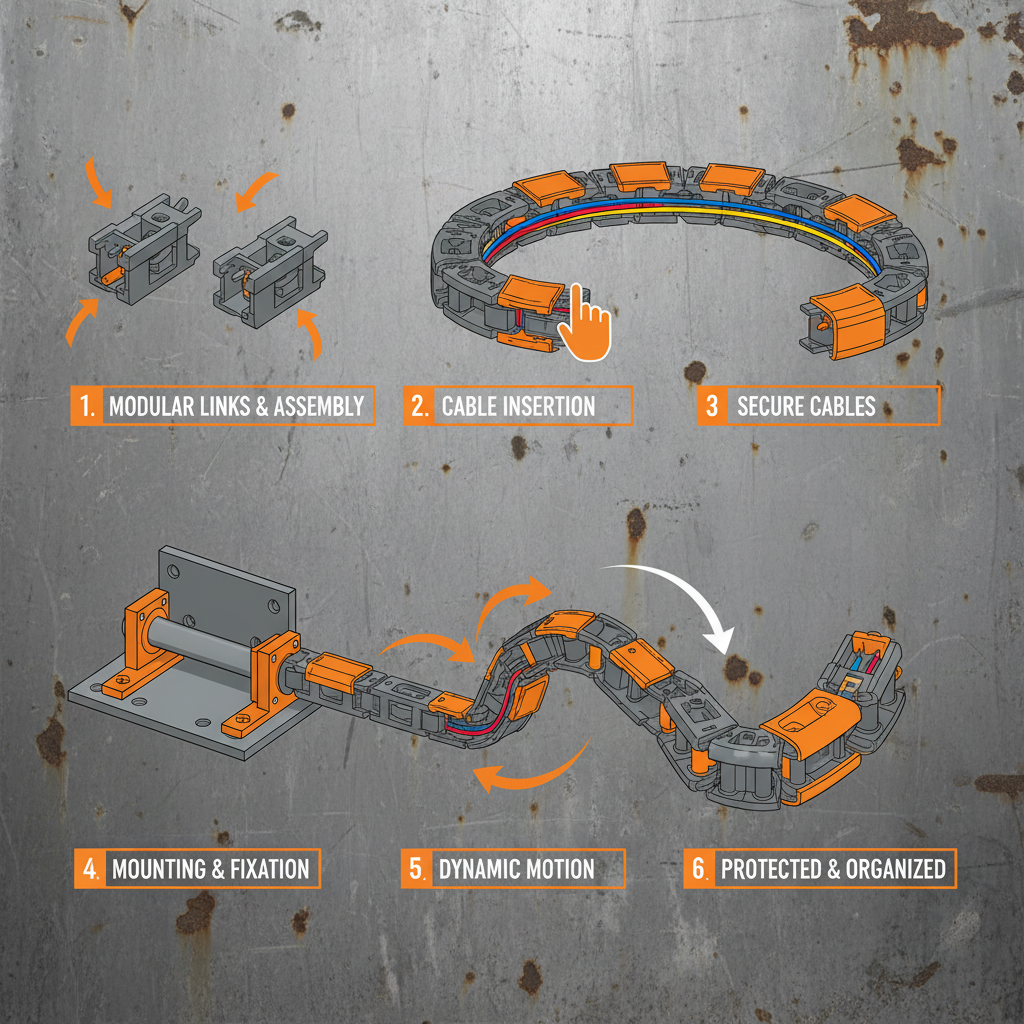
A high-performing cable & hose carrier is defined by several key characteristics. Firstly, durability is paramount. The system must withstand continuous flexing, exposure to harsh environmental conditions (UV radiation, chemicals, temperature extremes), and potential impact. Secondly, modularity allows for easy customization and expansion, adapting to changing application requirements.
Ease of installation and maintenance is also critical. Systems that are quick to assemble, disassemble, and reconfigure significantly reduce downtime and labor costs. Finally, noise reduction features are increasingly important, particularly in applications where a quiet operating environment is essential. The correct selection considers the type of cable, the speed of movement, and the surrounding environment.
Beyond these core traits, weight can be a significant factor in applications where minimizing overall system mass is crucial, such as in aerospace or mobile robotics. Additionally, chemical resistance is essential in industries handling corrosive materials. Choosing the appropriate material – from polymers to metals – is key to ensuring longevity and preventing system failure.
Core Components and Performance Metrics
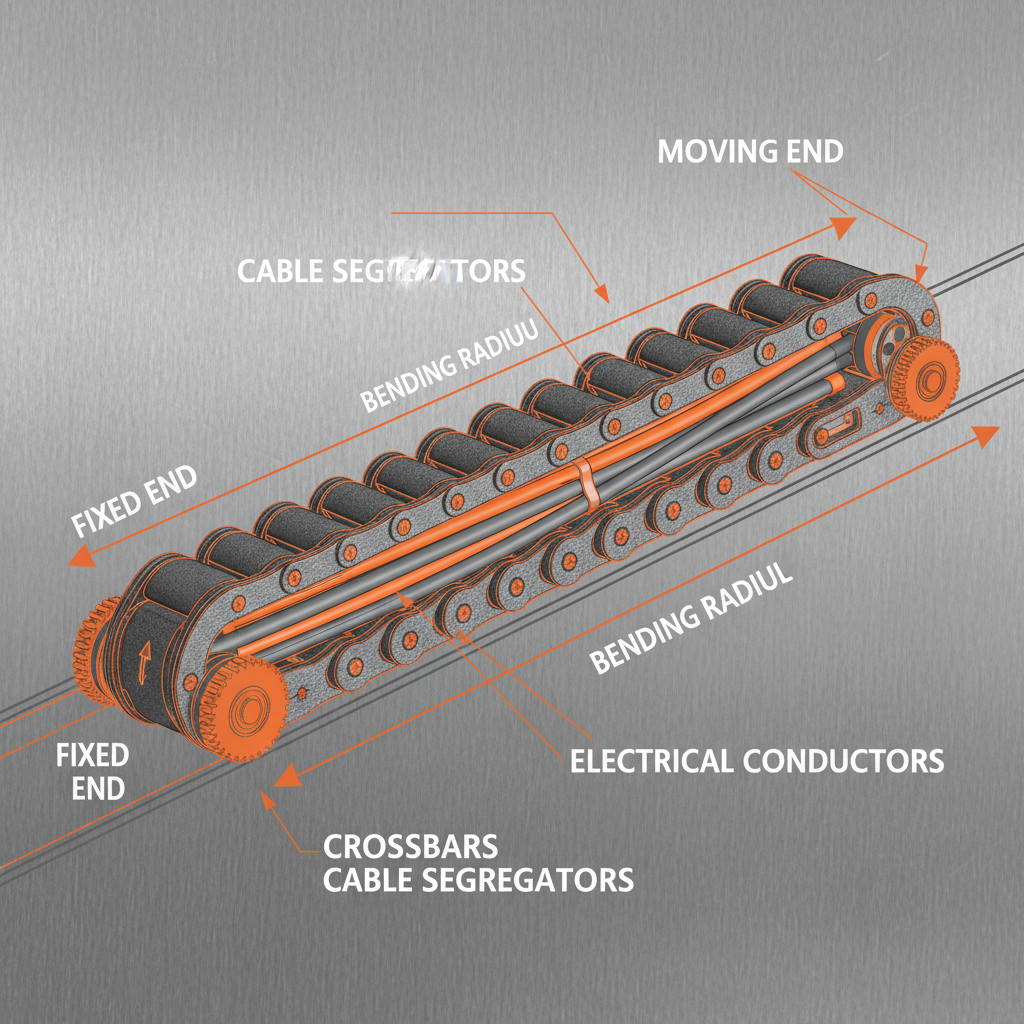
Understanding the core components of a cable & hose carrier system allows for informed selection and optimized performance. The chain or track body provides the structural support and guiding mechanism. Interior separation elements (dividers, shelves) organize and protect individual cables and hoses. Strain relief systems prevent stress on connections. End brackets and mounting accessories secure the system to the machinery or infrastructure.
Performance is measured by several metrics. Bending radius dictates the minimum space required for the system to flex without damaging the cables. Dynamic load capacity specifies the maximum weight the system can handle during movement. Tensile strength measures the system's resistance to pulling forces. And service life, often expressed in millions of cycles, indicates the expected lifespan under normal operating conditions.
Cable & Hose Carrier System Comparison
Real-World Applications Across Industries
The applications of cable & hose carriers are incredibly diverse. In the automotive industry, they are vital in robotic welding cells, paint shops, and assembly lines, ensuring the reliable operation of automated equipment. Within the aerospace sector, they are used in aircraft maintenance facilities and in the manufacturing of aircraft components, providing protection and flexibility for sensitive wiring and hydraulic lines.
Renewable energy projects, particularly wind farms, rely heavily on these systems to manage the cabling connecting turbines to the grid. In the marine industry, they protect cables and hoses on cranes, drilling rigs, and other offshore equipment, enduring harsh saltwater environments. Medical technology utilizes them in robotic surgery systems and patient monitoring equipment, requiring high precision and reliability.
Benefits and Long-Term Value Proposition
The advantages of using cable & hose carriers extend beyond simple cable protection. Reduced downtime due to fewer cable failures translates directly into cost savings. Increased operational efficiency is achieved through smoother, more reliable equipment performance. Enhanced safety is realized by minimizing the risk of exposed cables and potential electrical hazards. These benefits offer a significant return on investment.
From a sustainability perspective, the longevity of these systems reduces the need for frequent replacements, minimizing waste and contributing to a more circular economy. The increased reliability fostered by these systems builds trust with customers and stakeholders, enhancing brand reputation and fostering innovation. Properly implemented cable management demonstrates a commitment to quality and continuous improvement.
Future Trends and Technological Advancements
The future of cable & hose carriers is marked by several exciting trends. The integration of smart technologies, such as sensors and predictive maintenance algorithms, will enable proactive monitoring of system health and prevent unexpected failures. The development of lightweight materials, including carbon fiber composites, will reduce system weight and improve energy efficiency.
Increasingly, systems are being designed with modularity and customization in mind, allowing for rapid adaptation to evolving application requirements. Furthermore, advancements in 3D printing are enabling the creation of bespoke cable management solutions tailored to specific needs. The growing emphasis on sustainability will drive the development of eco-friendly materials and manufacturing processes.
Summary of Key Performance Indicators for Cable & Hose Carrier Systems
| System Type |
Material Composition |
Operating Environment |
Maintenance Frequency |
| Roller Energy Chain |
High-Density Polyethylene (HDPE) |
Indoor, Moderate Temperature |
Bi-Annual Lubrication |
| Trough Chain |
Polypropylene (PP) |
Outdoor, UV Exposure |
Annual Inspection |
| Stainless Steel Chain |
Stainless Steel 304 |
Corrosive Environments |
Semi-Annual Cleaning |
| Micro Fliz Chain |
TPE |
Cleanroom Applications |
Quarterly Verification |
| Hybrid Chain |
HDPE & Steel |
High Dynamic Load |
As Needed Inspection |
| SpaceFlex Chain |
Carbon Fiber Reinforced Polymer |
Aerospace Applications |
Annual Non-Destructive Testing |
FAQS
Choosing the right cable & hose carrier for a robotic arm requires careful consideration of several factors. Bending radius is crucial – ensure it’s small enough to accommodate the arm’s movements without stressing the cables. Dynamic load capacity must match the weight of the cables and hoses. Consider the arm’s speed and acceleration to determine the required tensile strength. Finally, the operating environment (temperature, dust, liquids) will dictate the appropriate material selection.
Determining the correct size involves assessing the number, diameter, and type of cables and hoses you need to accommodate. Calculate the total cross-sectional area required and choose a carrier with sufficient internal space. Capacity relates to the weight the carrier can support during movement. Factor in the weight of the cables, hoses, and any additional components. Always choose a carrier with a safety factor to prevent overloading.
Regular maintenance is crucial for maximizing the lifespan of cable & hose carriers. This typically involves visual inspections for wear and tear, checking for proper lubrication, and ensuring secure mounting. Depending on the environment, occasional cleaning may be necessary to remove debris. For roller chains, periodic lubrication is essential. More complex systems may require scheduled professional inspections.
Yes, certain materials are far more resistant to corrosion than others. Stainless steel, particularly grades 304 and 316, offers excellent corrosion resistance. High-performance polymers like Polyamide (Nylon) and Polypropylene (PP) are also good choices. However, the specific corrosive agents present (saltwater, chemicals, acids) will influence the best material selection. Consult with a material specialist to ensure compatibility.
Extending service life involves several practices. Proper selection of the carrier based on the application is critical. Regular maintenance, including lubrication and inspection, prevents premature wear. Avoid exceeding the specified load capacity and bending radius. Shield the system from extreme temperatures, UV radiation, and corrosive substances. And consider using cable protection elements within the carrier to prevent abrasion.
Modular systems offer significant flexibility and cost savings. They allow you to easily adapt the carrier to changing application requirements by adding or removing segments. This reduces the need to purchase entirely new systems when modifications are needed. Modularity also simplifies repairs and replacements, as you can replace individual segments instead of the entire carrier. They are ideal for applications with evolving needs.
Conclusion
Cable & hose carriers represent a critical, often overlooked, component of modern industrial infrastructure. Their ability to protect, guide, and support moving cables and hoses ensures the reliable operation of countless machines and systems, contributing to increased efficiency, enhanced safety, and reduced downtime. Understanding the principles of selection, implementation, and maintenance is crucial for maximizing their value.
Looking ahead, the integration of smart technologies and the development of advanced materials will further enhance the performance and versatility of these systems. Investing in high-quality cable & hose carriers is not merely a cost of doing business; it’s a strategic investment in long-term reliability, sustainability, and innovation. For optimized cable management solutions, visit our website: cable & hose carriers.

 FIND USHIGH-TECH ZONE
 CALL US TODAY
 EMAIL US NOW