-
 FIND USHIGH-TECH ZONE
 -
 CALL US TODAY
 -
 EMAIL US NOW
Steel cable carrier systems, often unseen yet critically important, are the backbone of modern industrial automation and material handling. These systems protect sensitive cables and hoses from wear, tear, and environmental factors, ensuring reliable operation of machinery and robotics across diverse sectors. Understanding their design, applications, and future trends is crucial for optimizing efficiency, safety, and longevity in a wide range of industries.
The global demand for effective cable management solutions is soaring, driven by advancements in automation, robotics, and renewable energy. According to reports, the global cable management market is projected to reach significant growth in the coming years, highlighting the increasing reliance on robust and reliable systems like steel cable carrier. This demand isn't limited to developed nations; emerging economies are rapidly adopting automation, creating further opportunities for innovative solutions.
A key challenge in many industries is minimizing downtime and ensuring the continuous operation of critical equipment. Steel cable carrier plays a vital role in achieving this, reducing the risk of cable failure and associated disruptions. Moreover, advancements are focusing on lightweight materials and intelligent monitoring, offering enhanced performance and predictive maintenance capabilities.
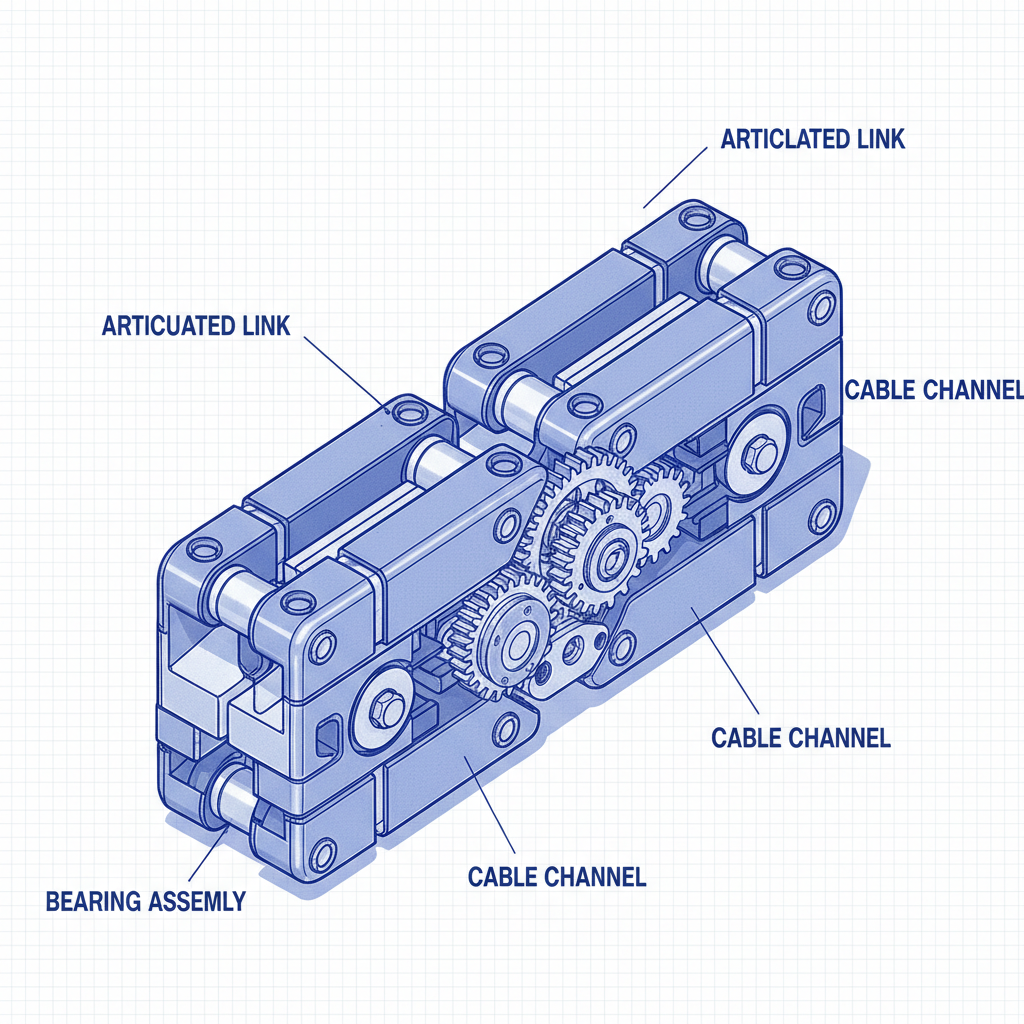
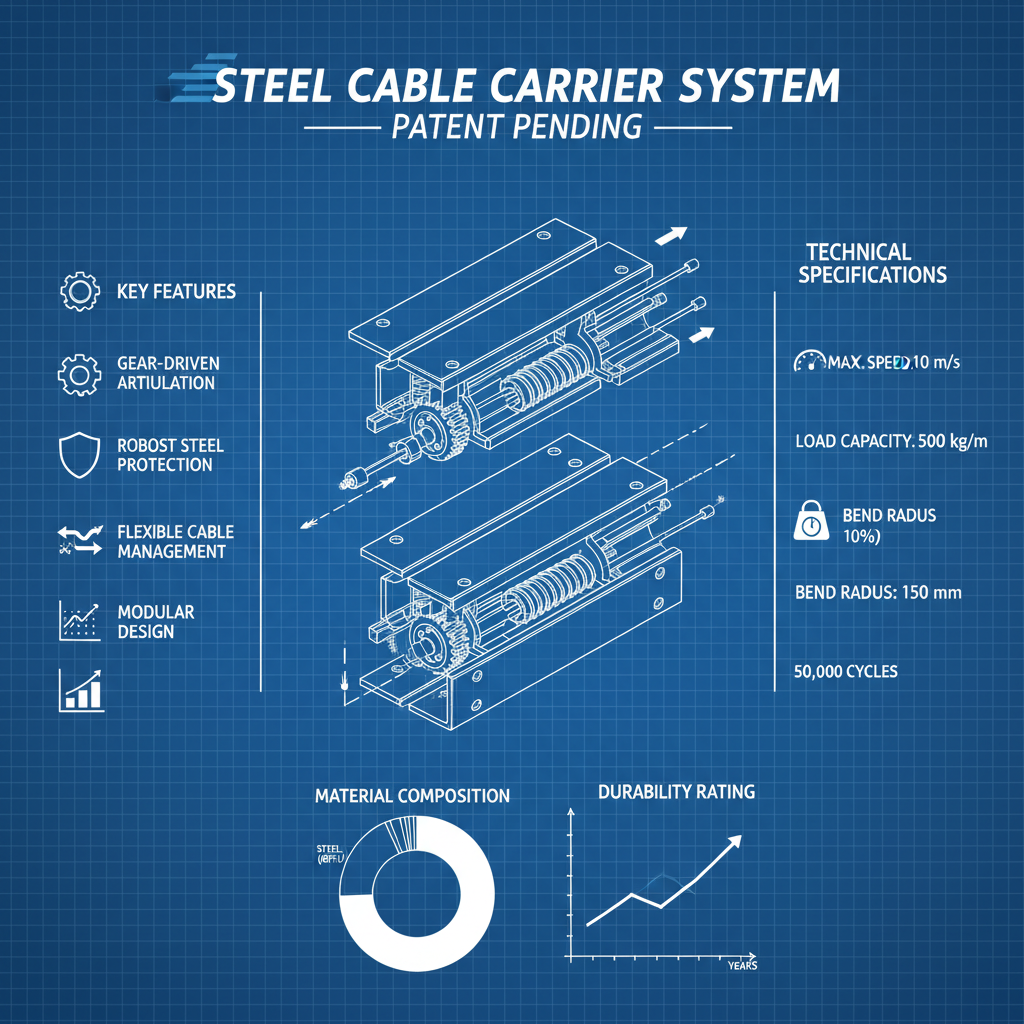
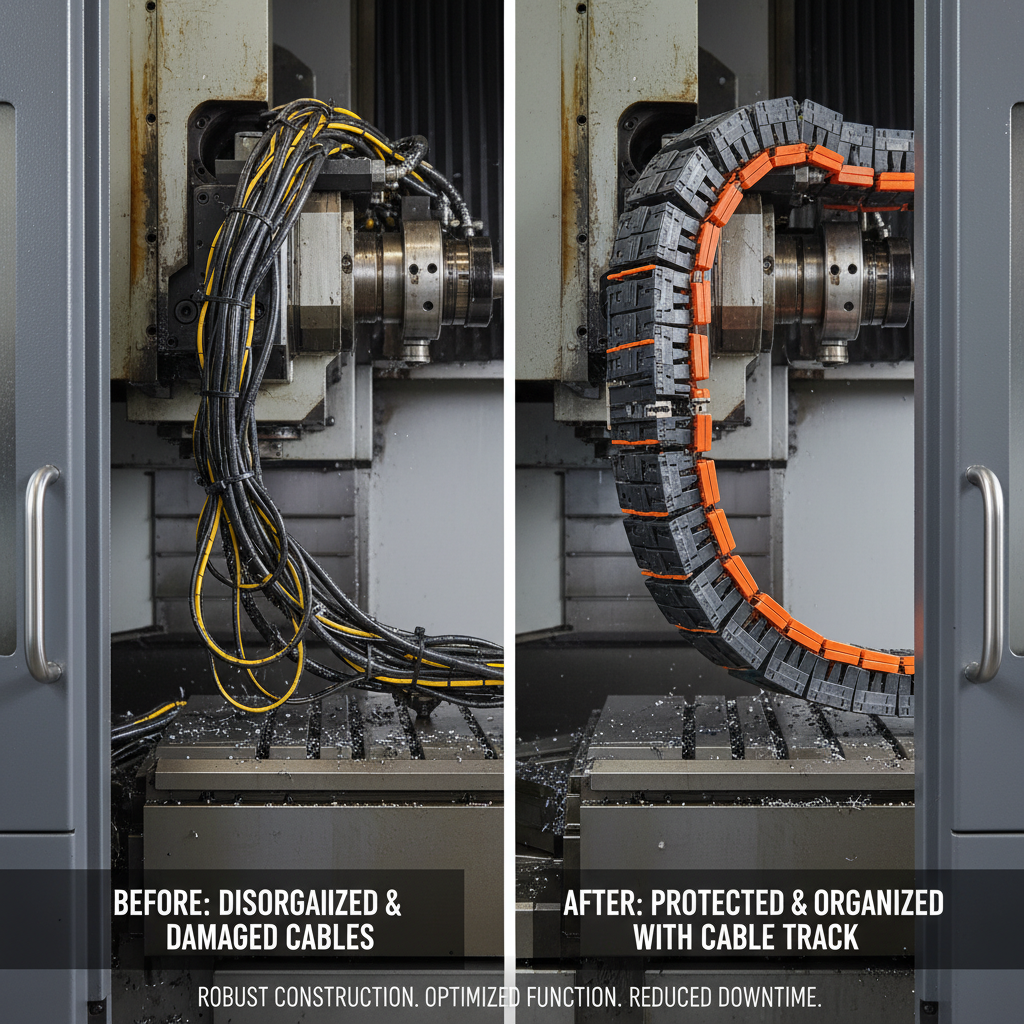
Steel cable carrier systems aren’t merely conduits for cables; they are integral components in ensuring operational integrity within complex machinery. Their robust construction provides essential protection against abrasion, impact, and environmental contaminants, leading to reduced maintenance costs and extended equipment lifespan.
These systems contribute directly to workplace safety by containing moving cables and hoses, minimizing trip hazards and potential entanglement risks. The use of steel cable carrier demonstrates a commitment to proactive risk management and a focus on employee well-being, a crucial aspect of responsible industrial practice.
Choosing the right steel cable carrier involves evaluating several key factors. Consider the application's dynamic stress, operating speed, environmental conditions (temperature, humidity, chemicals), cable diameter and weight, and required travel distance. Ensuring the carrier is appropriately sized and constructed from suitable materials is crucial for optimal performance and longevity. Also, factor in the need for accessories like strain relief and cable securing elements.
Proper installation is essential for the reliable operation of a steel cable carrier. Begin by carefully planning the cable routing and securing the carrier’s mounting points. Ensure the carrier has sufficient slack for movement and that cables are not overstressed during bending. Avoid sharp bends or kinks in the cables. Use appropriate strain relief systems to prevent cable pull-out and secure cables within the carrier links to minimize movement. Refer to the manufacturer’s guidelines for specific instructions.
Regular maintenance extends the lifespan of steel cable carrier systems. Visually inspect the carrier for wear, damage, or debris buildup. Check the cables for signs of fatigue or insulation damage. Lubricate the carrier links periodically to ensure smooth movement. Tighten any loose mounting hardware. Depending on the application, consider implementing a scheduled inspection program and replacing worn components proactively.
Yes, specialized steel cable carrier systems designed for cleanroom applications are available. These carriers utilize materials and designs that minimize particle generation and contamination. They often feature closed designs, low-friction materials, and are manufactured to meet stringent cleanroom standards. Ensure the chosen carrier is certified for the specific cleanroom class required by your application.
Steel cable carrier offer higher strength, durability, and resistance to extreme temperatures compared to plastic options. They are ideal for demanding applications involving heavy loads, high speeds, or harsh environments. Plastic cable carrier are lighter weight, more cost-effective, and suitable for less demanding applications. The choice depends on the specific requirements of the application, including load, speed, temperature, and budget.
A well-implemented steel cable carrier significantly improves machine uptime by protecting cables and hoses from damage caused by bending, torsion, and abrasion. This reduces the frequency of cable failures, which are a common cause of machine downtime. By providing a secure and reliable pathway for cables, steel cable carrier minimizes interruptions and maximizes production efficiency. Furthermore, predictive maintenance facilitated by integrated sensors further enhances uptime.
Steel cable carrier systems represent a critical, yet often overlooked, component in modern industrial automation and a range of other applications. Their ability to protect and guide cables and hoses effectively minimizes downtime, enhances safety, and improves operational efficiency. From automotive manufacturing to renewable energy, these systems play a vital role in supporting reliable and sustainable operations.
Looking ahead, advancements in materials, intelligent monitoring, and integration with Industry 4.0 principles will continue to drive innovation in steel cable carrier technology. Investing in high-quality steel cable carrier systems is not merely a matter of cost savings, but a strategic step toward building more resilient, efficient, and future-proof infrastructure.