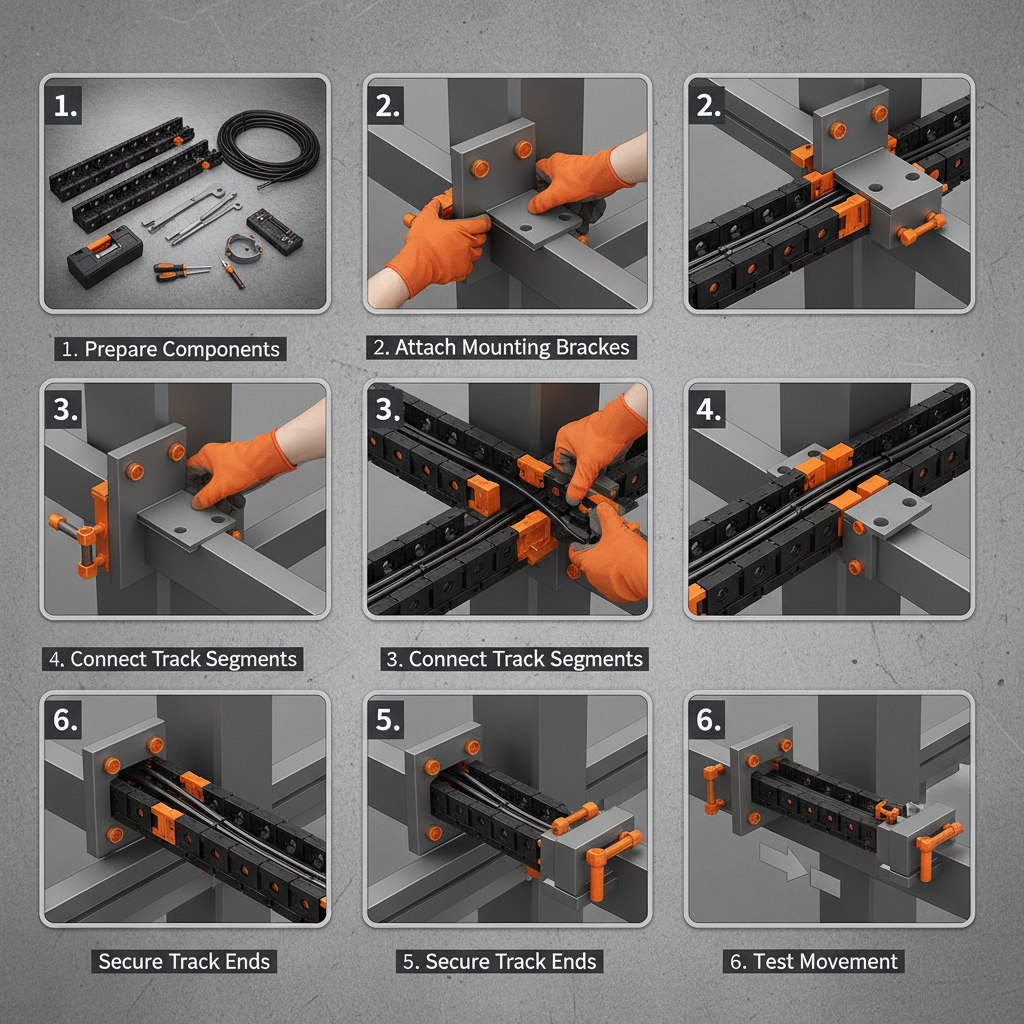
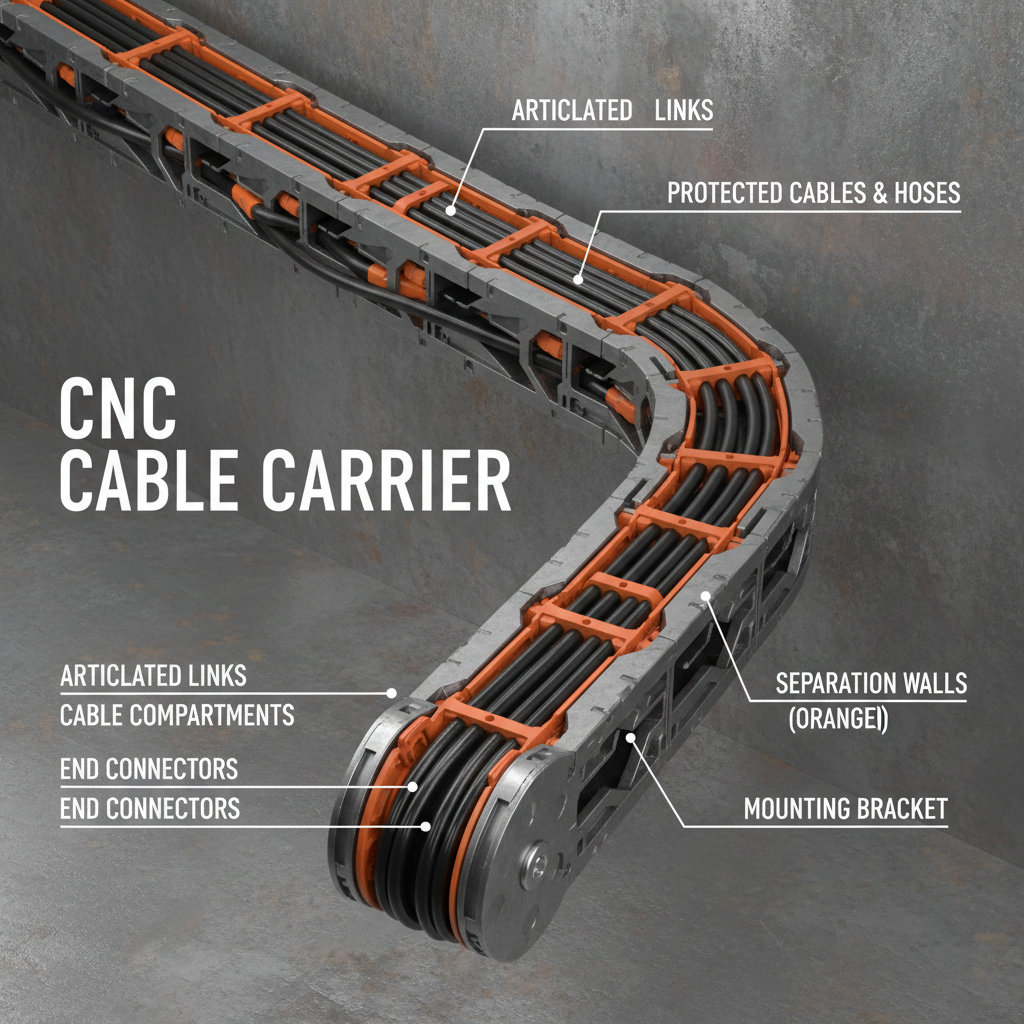
Drag chain conveyors represent a vital component in modern material handling systems, facilitating efficient and reliable transportation across diverse industries. The global demand for these systems is driven by increasing automation, a focus on streamlining logistics, and the need for robust solutions in challenging environments. Understanding the nuances of drag chain conveyor for sale is crucial for businesses seeking to optimize their operations and achieve significant cost savings.
The increasing complexity of supply chains necessitates adaptable and durable conveyor systems. Drag chain conveyors excel in handling a wide range of materials – from bulk solids like coal and cement to manufactured goods – making them a versatile choice for many applications. This versatility, coupled with their relatively low maintenance requirements, positions drag chain conveyors as a key investment for businesses aiming for long-term operational efficiency.
Furthermore, advancements in drag chain conveyor technology are continually addressing industry-specific challenges, providing tailored solutions that enhance productivity and minimize downtime. From specialized designs for abrasive materials to energy-efficient models, the evolution of drag chain conveyor for sale reflects a commitment to innovation and customer satisfaction.
Introduction to Drag Chain Conveyor Systems
Drag chain conveyors are enclosed conveyor systems designed for the horizontal or slightly inclined transport of bulk materials. They utilize a heavy-duty chain with attached flights to move materials within a closed trough, protecting them from the environment and minimizing dust generation. This makes them ideal for various industries where material purity and environmental control are paramount.
These systems are particularly favored for applications requiring continuous material flow and a high degree of reliability. Their robust construction ensures longevity, even in demanding operational conditions. When considering a drag chain conveyor for sale, businesses benefit from a solution that minimizes downtime and maximizes throughput.
Defining Drag Chain Conveyors
A drag chain conveyor, also known as an apron conveyor, utilizes a series of interconnected chain links that drag material along a trough. The chain is typically constructed from hardened steel for durability, and the flights are often made of steel or specialized materials depending on the application. These systems are particularly effective at handling heavy, abrasive, and irregularly shaped materials.
Unlike other conveyor types, drag chain conveyors are fully enclosed, providing a contained environment for material transport. This is a significant advantage in industries like power generation, mining, and cement production, where minimizing material loss and dust emissions is critical. Investing in a drag chain conveyor for sale means investing in a controlled and efficient material handling process.
This enclosed design also enhances safety by protecting workers from exposure to hazardous materials and moving parts, contributing to a safer and more compliant work environment.
Key Components and Features
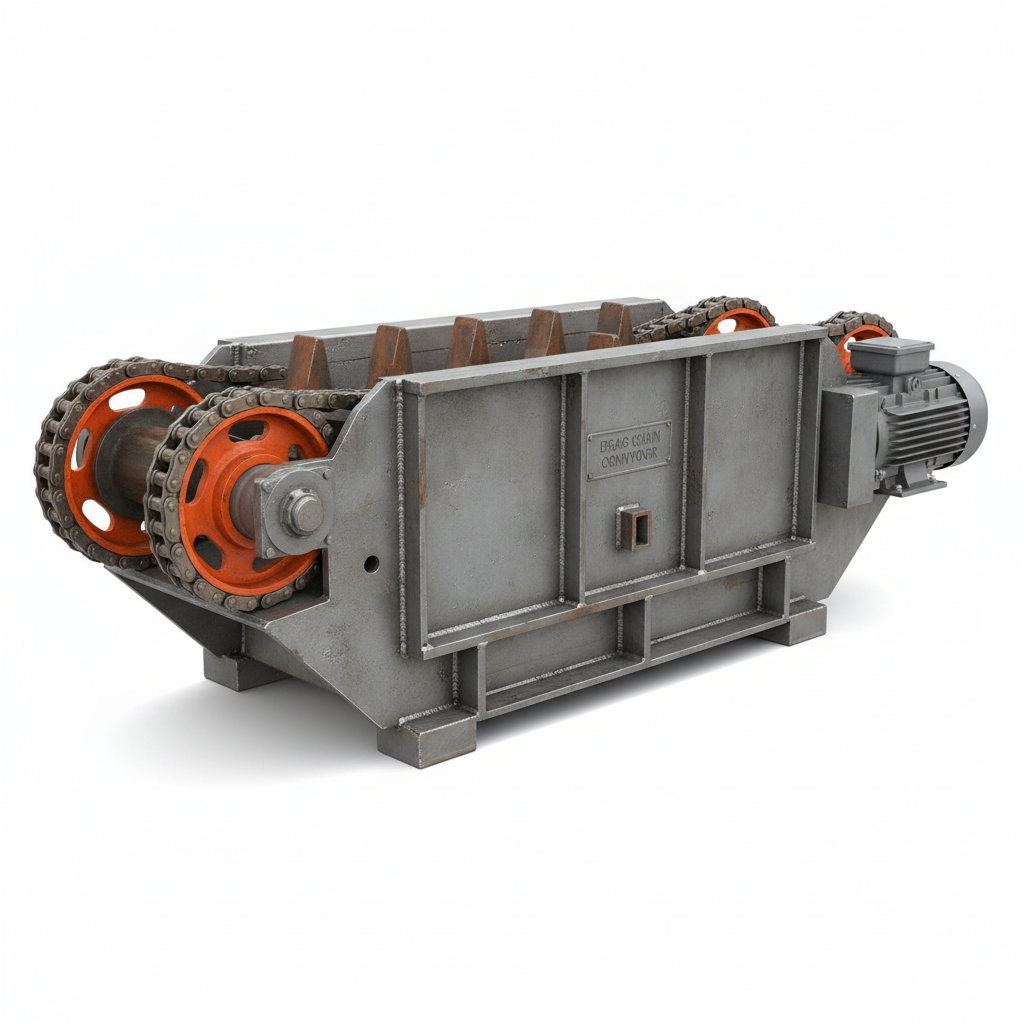
Drag chain conveyors consist of several core components working in harmony. These include the heavy-duty chain, the scraper flights, the drive unit, the trough, and the enclosure. The chain provides the pulling force, while the flights capture and move the material. The drive unit powers the chain, and the trough contains the material during transport.
Key features contributing to their performance include adjustable speed controls, automatic lubrication systems to reduce wear and tear, and robust construction designed to withstand heavy loads and abrasive materials. Choosing a reliable drag chain conveyor for sale means selecting a system built to last and operate efficiently over extended periods.
Furthermore, modern drag chain conveyors often incorporate advanced monitoring systems that provide real-time data on performance, allowing for proactive maintenance and minimizing unexpected downtime.
The Benefits of Durability and Scalability
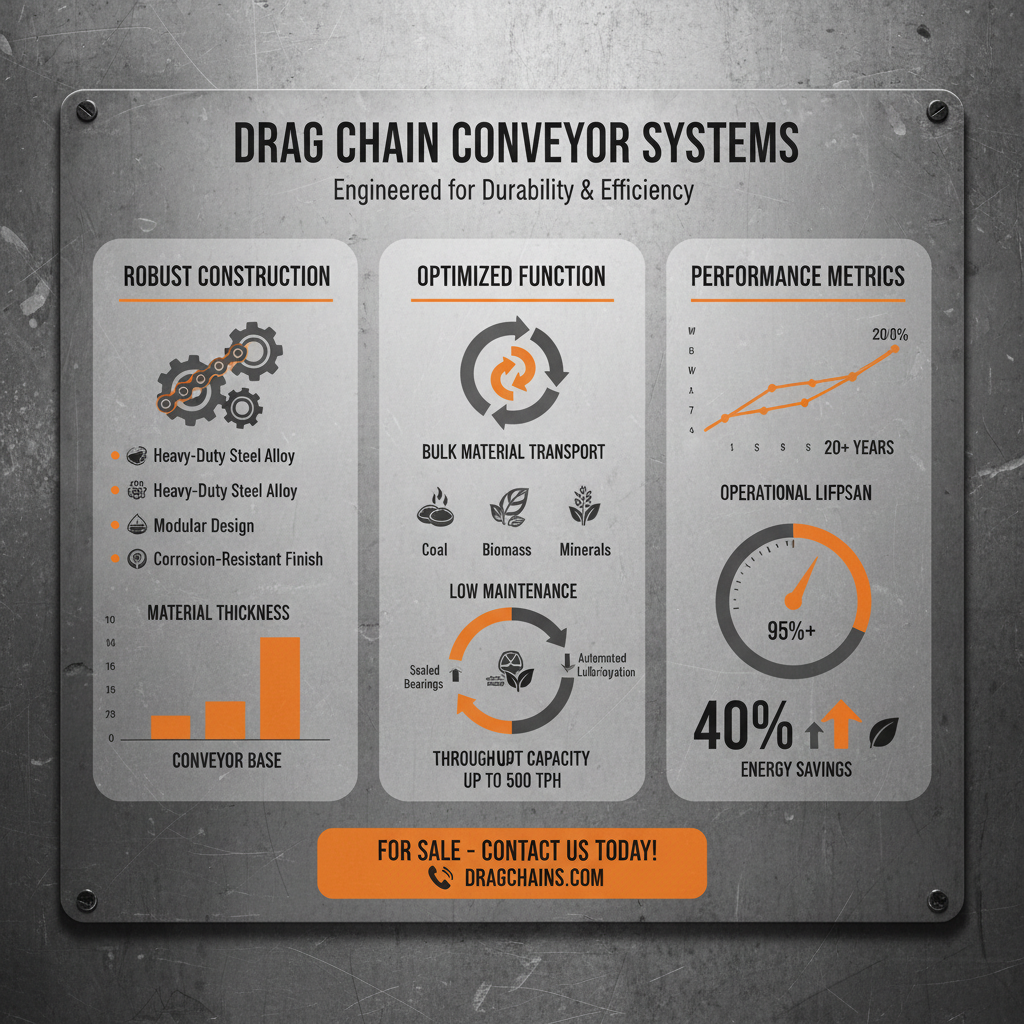
Durability is a cornerstone of drag chain conveyor design. Constructed from high-strength materials, these systems are built to withstand the rigors of continuous operation in harsh environments. This longevity translates to reduced maintenance costs and minimized downtime, maximizing return on investment.
Scalability is another significant advantage. Drag chain conveyors can be readily adapted to meet changing production demands. They can be extended or modified to accommodate increased throughput or different material types. This flexibility ensures that your drag chain conveyor remains a valuable asset as your business grows.
Drag Chain Conveyor Performance Metrics
Global Applications Across Industries
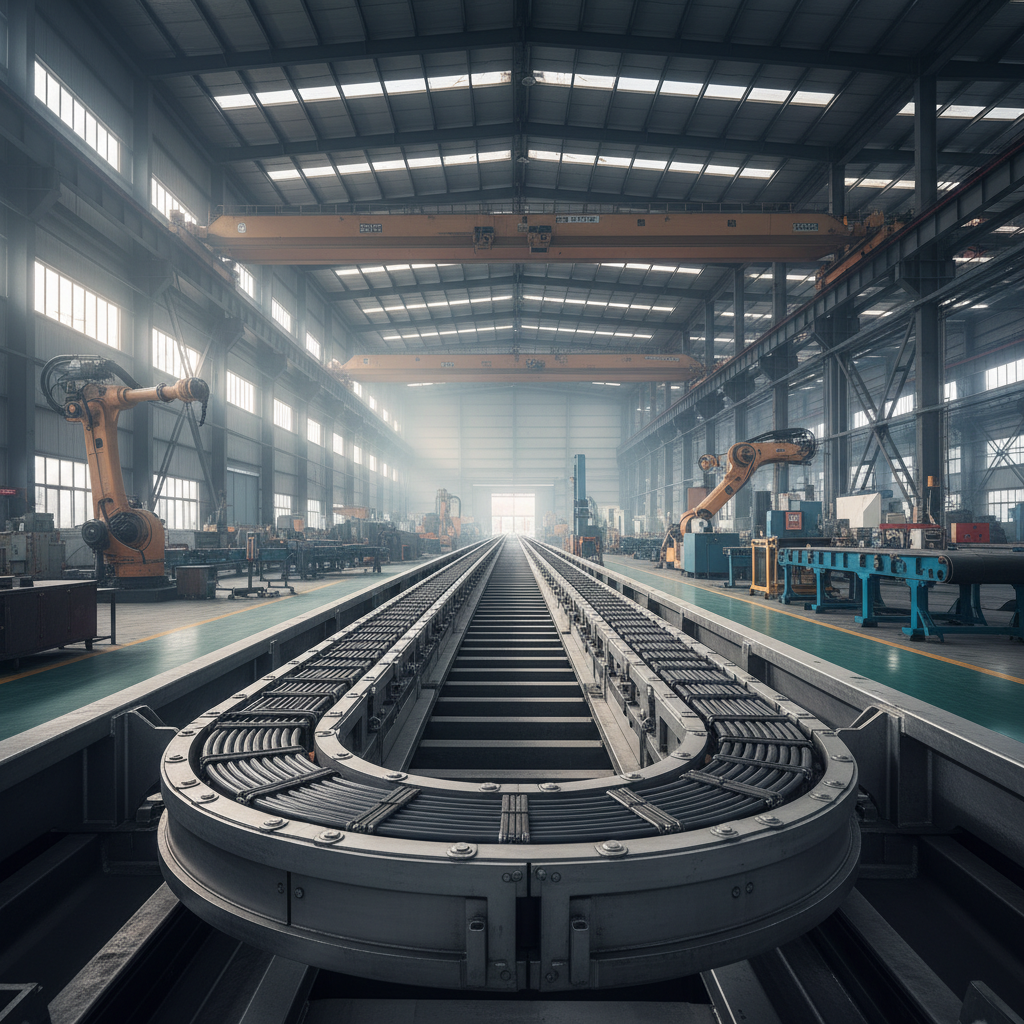
Drag chain conveyors find widespread application in various sectors globally. In the power generation industry, they efficiently handle coal and ash. The mining industry utilizes them for transporting ore and overburden. Cement plants rely on them for moving clinker and raw materials.
Furthermore, they are increasingly employed in the recycling industry for handling shredded materials and waste. In remote industrial zones, where access to maintenance resources is limited, their robust design and low maintenance requirements make them particularly valuable. Considering a drag chain conveyor for sale unlocks potential across diverse operational landscapes.
Long-Term Value and Cost Considerations
While the initial investment in a drag chain conveyor may be higher than some other conveyor types, the long-term value is significant. Reduced maintenance costs, increased uptime, and extended operational life contribute to a lower total cost of ownership.
The reliability and efficiency of these systems translate to improved productivity and profitability. The environmental benefits, stemming from enclosed material transport, further enhance their value proposition, aligning with sustainability goals.
Choosing a reputable supplier of drag chain conveyor for sale is paramount. Consider factors such as build quality, after-sales support, and customization options.
Future Trends in Drag Chain Conveyor Technology
The future of drag chain conveyor technology is focused on increased automation, energy efficiency, and integration with smart manufacturing systems. Advancements in sensor technology and data analytics are enabling predictive maintenance, minimizing downtime, and optimizing performance.
The incorporation of variable frequency drives (VFDs) allows for precise speed control, reducing energy consumption and improving material handling efficiency. The use of lightweight, high-strength materials is also gaining traction, further reducing energy requirements and extending the lifespan of the conveyors.
Sustainable practices, such as utilizing recycled materials in conveyor construction and designing systems for easy disassembly and component reuse, are becoming increasingly important.
Summary of Drag Chain Conveyor Performance Factors
| Component Quality |
Maintenance Schedule |
Material Abrasion |
Operating Environment |
| High (9/10) |
Preventative (8/10) |
Moderate (6/10) |
Indoor (7/10) |
| Medium (7/10) |
Reactive (4/10) |
High (2/10) |
Outdoor (5/10) |
| Low (5/10) |
Minimal (2/10) |
Low (8/10) |
Controlled (9/10) |
| High (9/10) |
Preventative (8/10) |
Moderate (6/10) |
Indoor/Outdoor (7/10) |
| Medium (7/10) |
Scheduled (6/10) |
High (3/10) |
Harsh (4/10) |
| High (8/10) |
Automated (9/10) |
Low (7/10) |
Clean (8/10) |
FAQS
Drag chain conveyors are widely utilized in power generation (coal handling), mining (ore transport), cement production (clinker movement), recycling (shredded material handling), and agriculture (grain transport). Their ability to handle abrasive materials and operate in enclosed environments makes them suitable for diverse applications where efficient and contained material movement is vital.
Regular maintenance includes chain lubrication, inspection for wear on flights and chain links, checking drive components, and ensuring the enclosure is sealed properly. A proactive maintenance schedule minimizes downtime and extends the life of the conveyor. Choosing a drag chain conveyor for sale with automatic lubrication systems can simplify this process.
While primarily designed for horizontal transport, drag chain conveyors can typically handle inclines of up to 30 degrees. Steeper inclines may require specialized design considerations, such as increased chain tension and modified flight designs, to prevent material slippage and ensure efficient operation. Consult with a supplier when considering steep inclines.
The enclosed design minimizes material spillage, reduces dust emissions, and protects the material from external contaminants like rain and debris. This is particularly crucial when handling sensitive or hazardous materials, ensuring a cleaner and safer work environment, and complying with environmental regulations.
Chains are typically made from hardened steel for strength and durability. Flights are often constructed from steel, but can also be made from specialized materials like abrasion-resistant alloys or polymers, depending on the material being conveyed. The trough and enclosure are commonly built from steel or stainless steel.
Cost is influenced by conveyor length, width, capacity, material of construction, level of automation, and any customized features. The complexity of the application and any required engineering modifications also contribute to the overall cost. Exploring a drag chain conveyor for sale with various customization options will optimize your investment.
Conclusion
Drag chain conveyors represent a robust and versatile solution for a wide array of material handling challenges across diverse industries. Their durability, scalability, and enclosed design contribute to enhanced efficiency, reduced maintenance, and improved safety. By understanding the core components and key benefits of these systems, businesses can make informed decisions that optimize their operations and maximize their return on investment.
As technology continues to advance, drag chain conveyors are poised to become even more sophisticated, incorporating smart sensors, data analytics, and automation features. Investing in a high-quality drag chain conveyor today positions your business for sustained success in the evolving landscape of material handling. Visit our website at www.agilechains.com to explore our comprehensive range of conveyor solutions.

 FIND USHIGH-TECH ZONE
 CALL US TODAY
 EMAIL US NOW