-
 FIND USHIGH-TECH ZONE
 -
 CALL US TODAY
 -
 EMAIL US NOW
The realm of industrial automation and robotics increasingly demands robust and reliable cable management solutions. cnc cable track systems are at the forefront of this need, providing organized pathways for power and signal cables within moving machinery. This is critical not only for the longevity of the equipment but also for maintaining operational safety and efficiency. The global manufacturing landscape, driven by efficiency and precision, relies heavily on these systems to support the complex movements inherent in CNC machines and automated processes.
As manufacturing processes become more intricate and require greater flexibility, the demand for sophisticated cable management solutions grows exponentially. The challenges of dynamic applications – where cables are constantly bending, twisting, and stretching – necessitate materials and designs that can withstand significant stress and prevent premature failure. cnc cable track addresses these issues, minimizing downtime, reducing maintenance costs, and ultimately contributing to increased productivity.
Understanding the intricacies of cnc cable track systems is crucial for engineers, technicians, and anyone involved in the design, operation, and maintenance of automated machinery. From selecting the appropriate track size and material to implementing correct installation procedures, a thorough grasp of these principles ensures optimal performance and reliability, safeguarding investments in crucial industrial infrastructure.
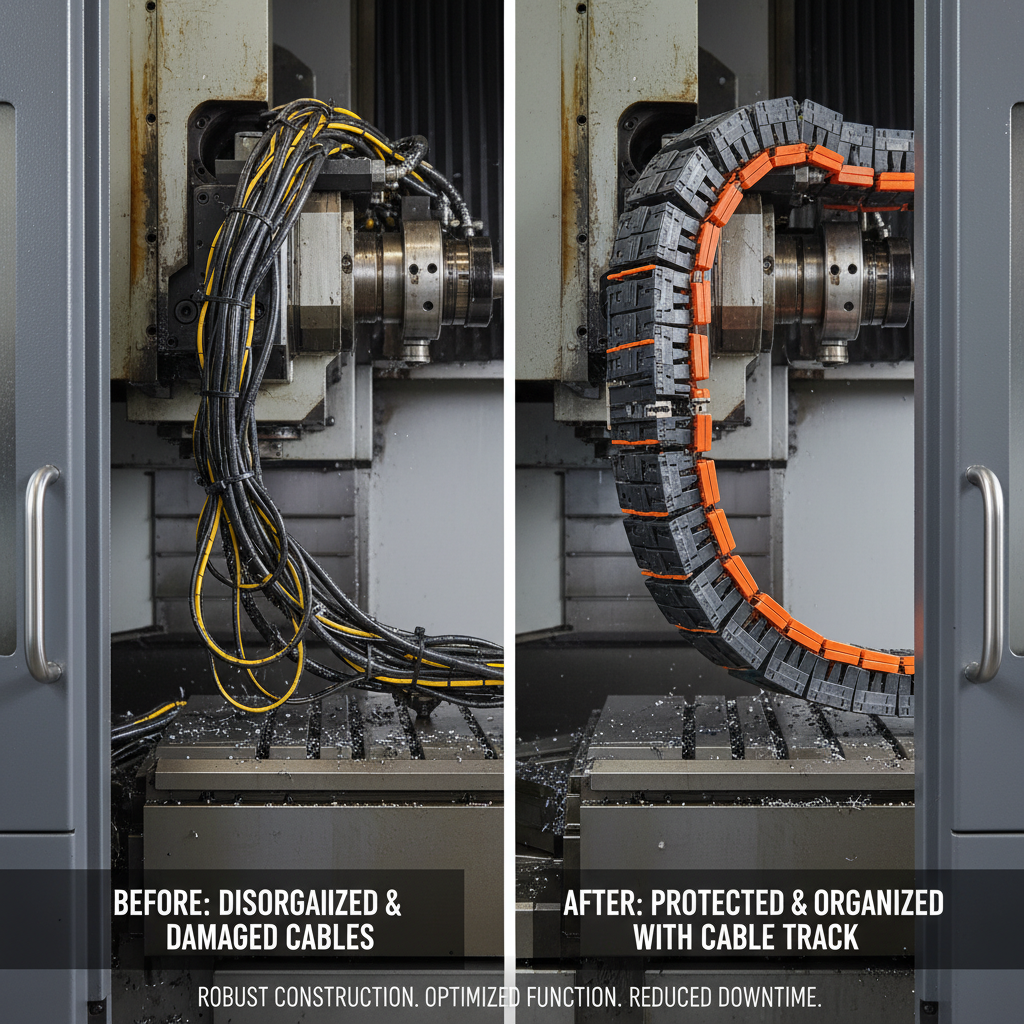
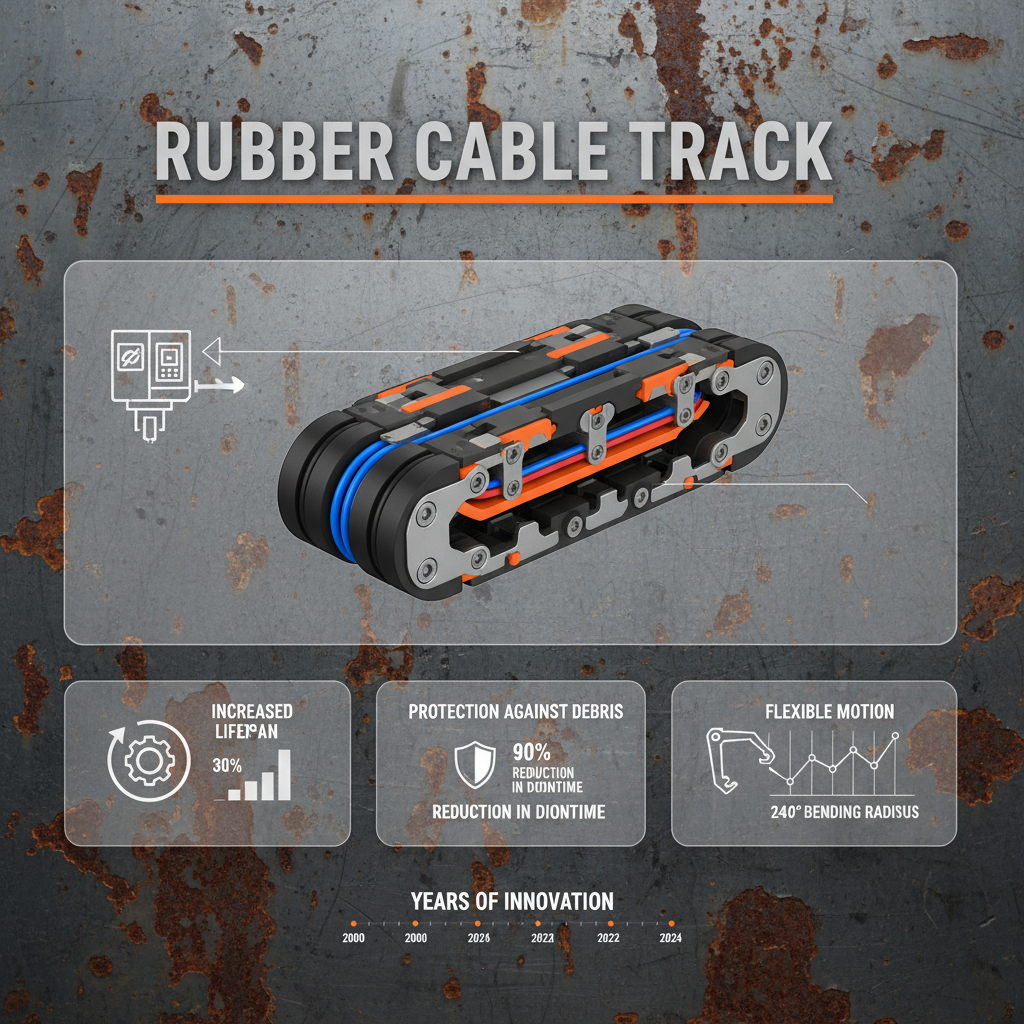
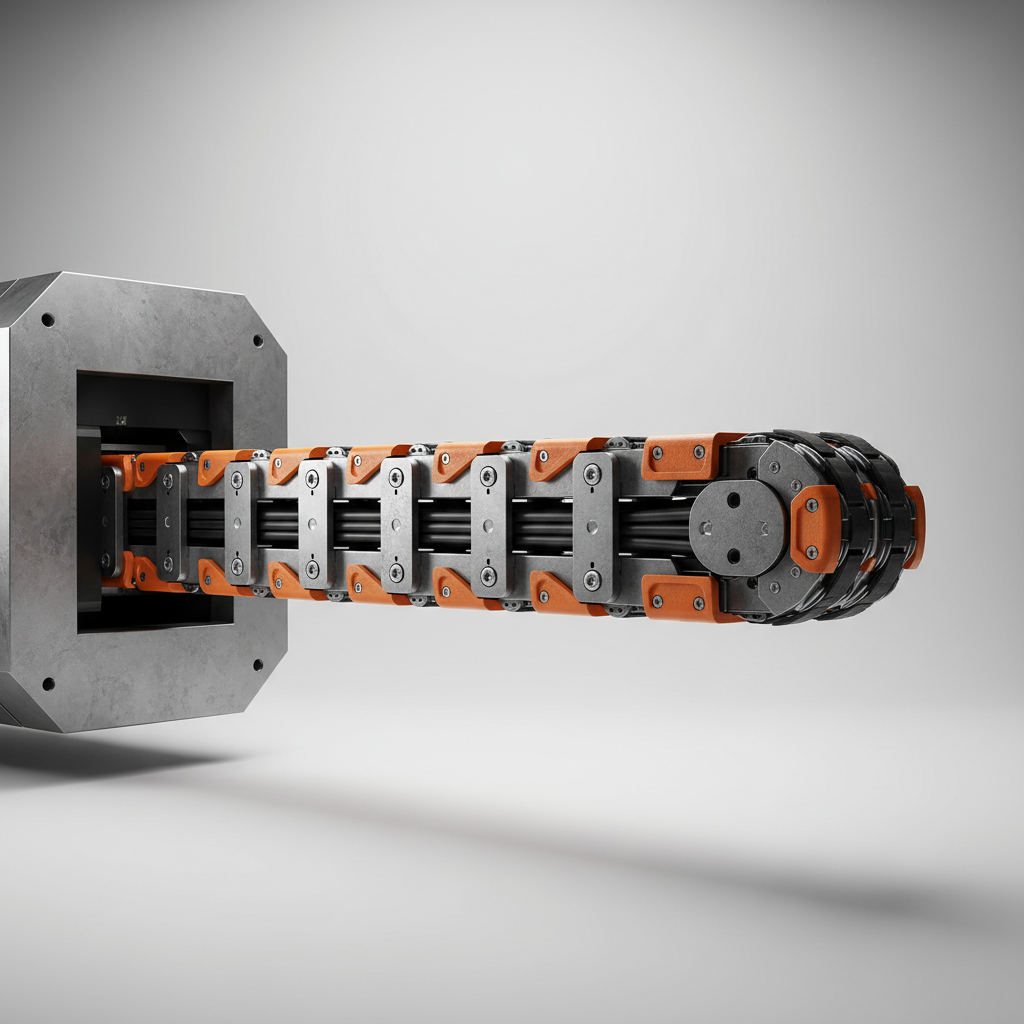
cnc cable track systems, often referred to as cable carriers or energy chains, represent a fundamental component of modern automated machinery. They are engineered to guide and protect electrical and pneumatic cables, as well as hydraulic hoses, within moving applications. This controlled movement prevents cable wear, reduces the risk of damage, and ensures the reliable operation of CNC machines, robots, and other automated systems.
These systems are not merely conduits for cables; they are carefully designed assemblies built to withstand repeated flexing, high speeds, and challenging environmental conditions. The selection of appropriate materials, dimensions, and configurations is critical to ensuring optimal performance and longevity, contributing significantly to the overall efficiency and productivity of industrial processes.
High-quality cnc cable track is typically constructed from durable materials such as high-strength polymers like polyamide (PA6, PA66), polypropylene (PP), or thermoplastic polyurethane (TPU). For applications demanding greater strength and resistance to harsh environments, stainless steel or other metal alloys are often employed. The specific material selection depends on factors like load capacity, operating temperature, and exposure to chemicals or UV radiation.
Determining the correct size involves calculating the total cross-sectional area of all cables and hoses that will be routed within the track. A general rule of thumb is to fill the track to no more than 40-50% of its capacity to allow for bending and movement. Consider the bending radius required for your application and ensure the track's inner and outer radius meet those needs. Consult with a cable track supplier to ensure optimal sizing.
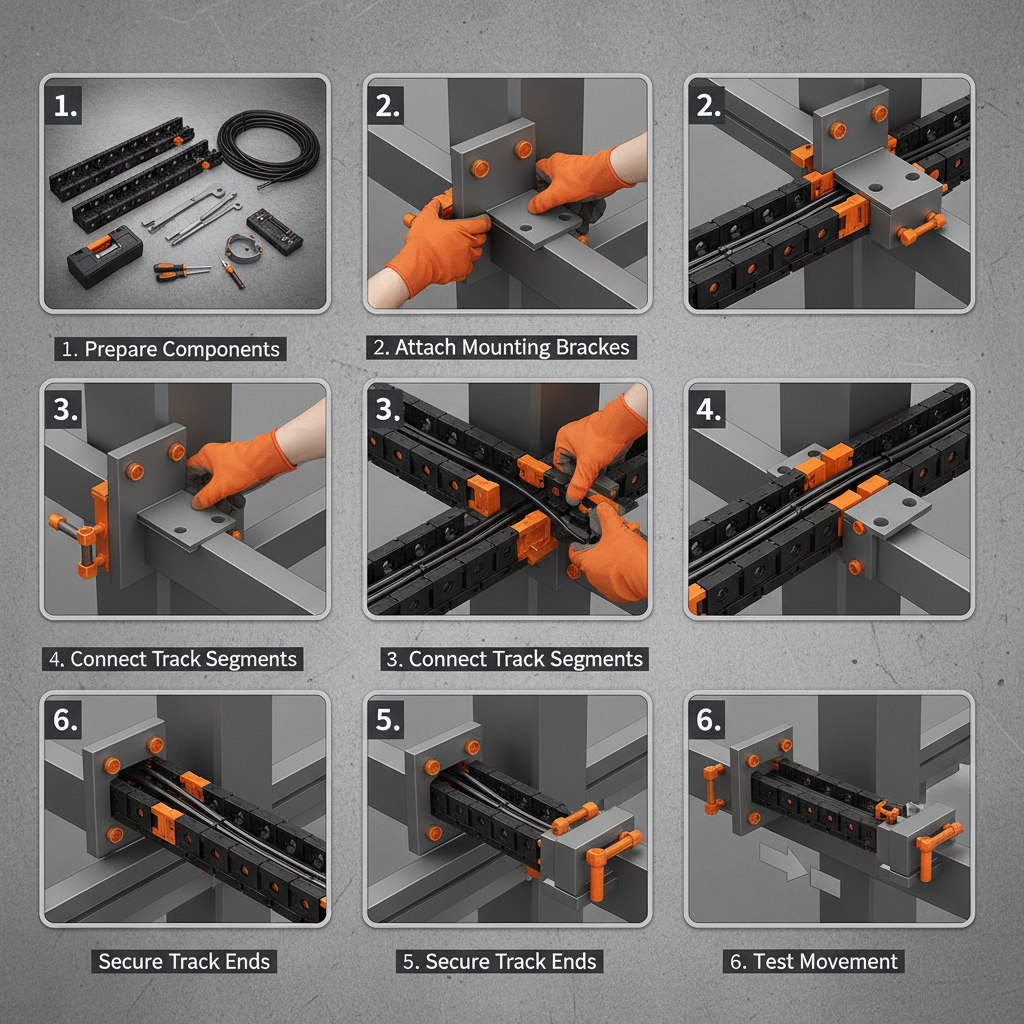
Regular inspection is crucial. Look for signs of wear, cracking, or damage to the track links. Lubricate the track periodically, especially in high-speed or heavily loaded applications. Ensure cables and hoses are properly secured within the track to prevent chafing. Clean the track regularly to remove debris and contaminants. Addressing minor issues promptly can prevent costly repairs and downtime.
Yes, but it's vital to select a track specifically designed for outdoor use. These tracks are typically made from UV-resistant materials and may have additional features like water protection seals. Consider the operating temperature range and ensure the track can withstand the expected environmental conditions. Proper installation and maintenance are also critical for long-term performance.
Open-style cnc cable track has gaps between the links allowing for easy cable access and modification. Closed-style tracks have fully enclosed links, providing greater protection against dirt, dust, and other contaminants. Closed tracks are ideal for applications where cleanliness and environmental protection are paramount.
The bending radius is a critical factor. A smaller bending radius requires more flexible track materials and careful cable management to avoid cable stress and damage. Exceeding the minimum bending radius can lead to premature failure. Selecting a track with an appropriate bending radius for your application is essential for ensuring long-term reliability and optimal performance.
In conclusion, cnc cable track systems are a fundamental component of modern industrial automation, offering significant advantages in terms of cable protection, system reliability, and operational efficiency. From automotive manufacturing to aerospace engineering, these systems are vital for ensuring the smooth and safe operation of complex machinery. Understanding the key factors influencing performance, from material selection to bending radius, is crucial for maximizing their benefits.
Looking ahead, the future of cnc cable track will be shaped by the increasing demands of Industry 4.0, with a focus on lighter materials, integrated sensors, and sustainable designs. By embracing these innovations, we can further enhance the reliability, longevity, and overall value of these essential systems, driving progress in manufacturing and beyond. Visit our website at www.agilechains.com to explore our range of cnc cable track solutions and learn how we can help optimize your operations.