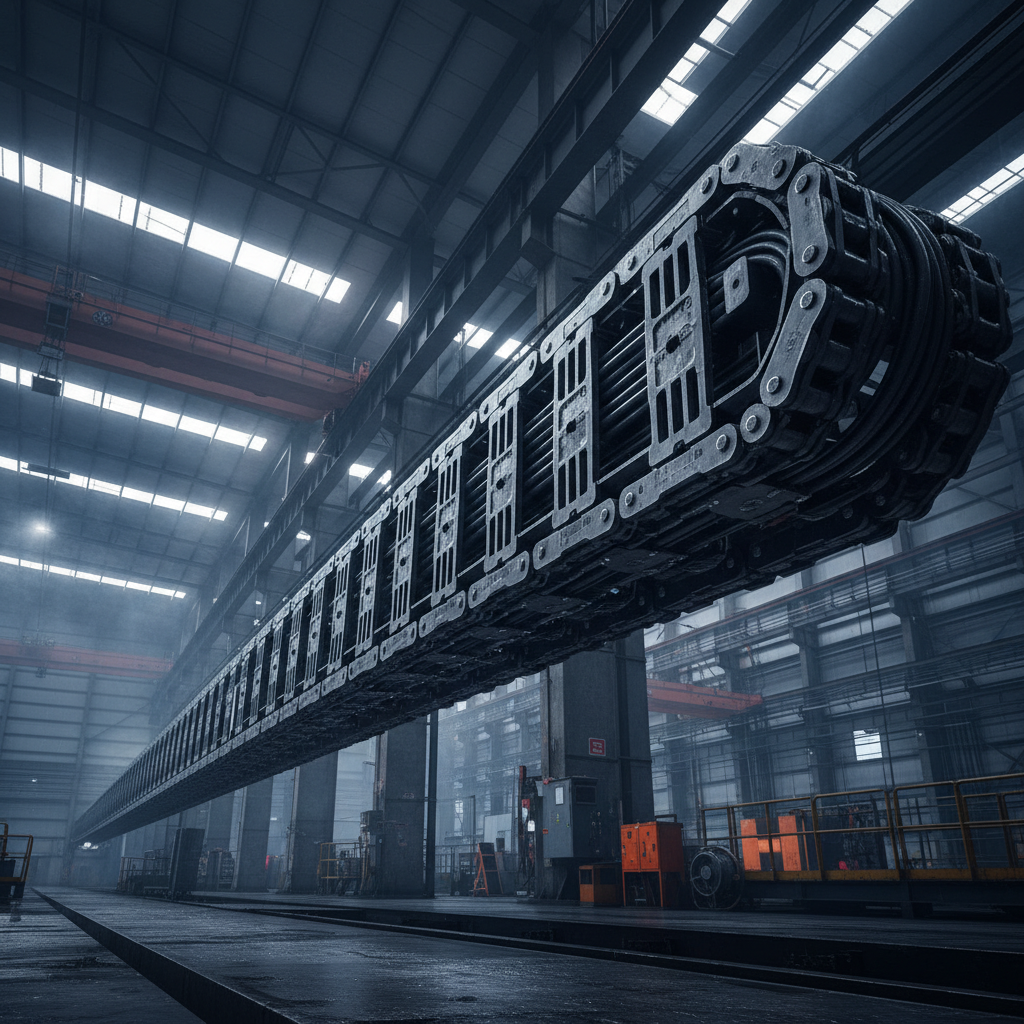
Cable carrier systems, often unseen yet fundamentally critical, are the backbone of modern automation and motion control. These systems, encompassing energy chains and cable management solutions, ensure the safe and reliable delivery of power, control, and communication signals to moving machinery. Their importance extends across a diverse range of industries, from manufacturing and robotics to material handling and even entertainment, playing a pivotal role in enhancing efficiency, reducing downtime, and improving overall operational performance. Understanding these systems is essential for engineers, technicians, and anyone involved in designing, maintaining, or operating automated equipment.
Globally, the demand for robust and adaptable cable carrier systems is increasing exponentially, driven by the proliferation of automation and the need for increasingly complex machine designs. The UN's Sustainable Development Goals (SDGs), particularly those relating to industrial innovation and infrastructure, indirectly rely on technologies like these to facilitate progress. ISO standards further underscore the importance of reliability and safety in these components. However, a key challenge remains: ensuring that cable carrier systems can keep pace with the rapid evolution of technologies like Industry 4.0 and the demands of highly dynamic applications.
A cable carrier system is essentially a protective conduit designed to guide and support moving cables and hoses. Unlike traditional trailing cable approaches, these systems offer a controlled environment, preventing snagging, wear, and ultimately, failure. They are modular, allowing for easy adaptation to changing machine configurations, and are available in various materials and designs to suit diverse applications and environments. This makes them integral to modern industrial needs, from enabling precise robotic movements to delivering vital power in challenging conditions.
Introduction to Cable Carrier Systems
The fundamental purpose of a cable carrier system is to provide organized and protected movement for electrical cables, hydraulic hoses, pneumatic lines, and other crucial components within machinery. Without effective cable management, these components are prone to damage from bending, abrasion, and environmental factors, leading to costly downtime and potential safety hazards. A well-designed cable carrier system minimizes these risks and ensures continuous operation.
These systems are not simply about containment; they contribute significantly to the longevity and performance of the entire machine. By reducing stress on cables, they extend their lifespan, minimize maintenance requirements, and ultimately, contribute to a lower total cost of ownership. The integration of these systems is often a crucial step in achieving optimized automation and robotics solutions.
Defining Cable Carrier Systems
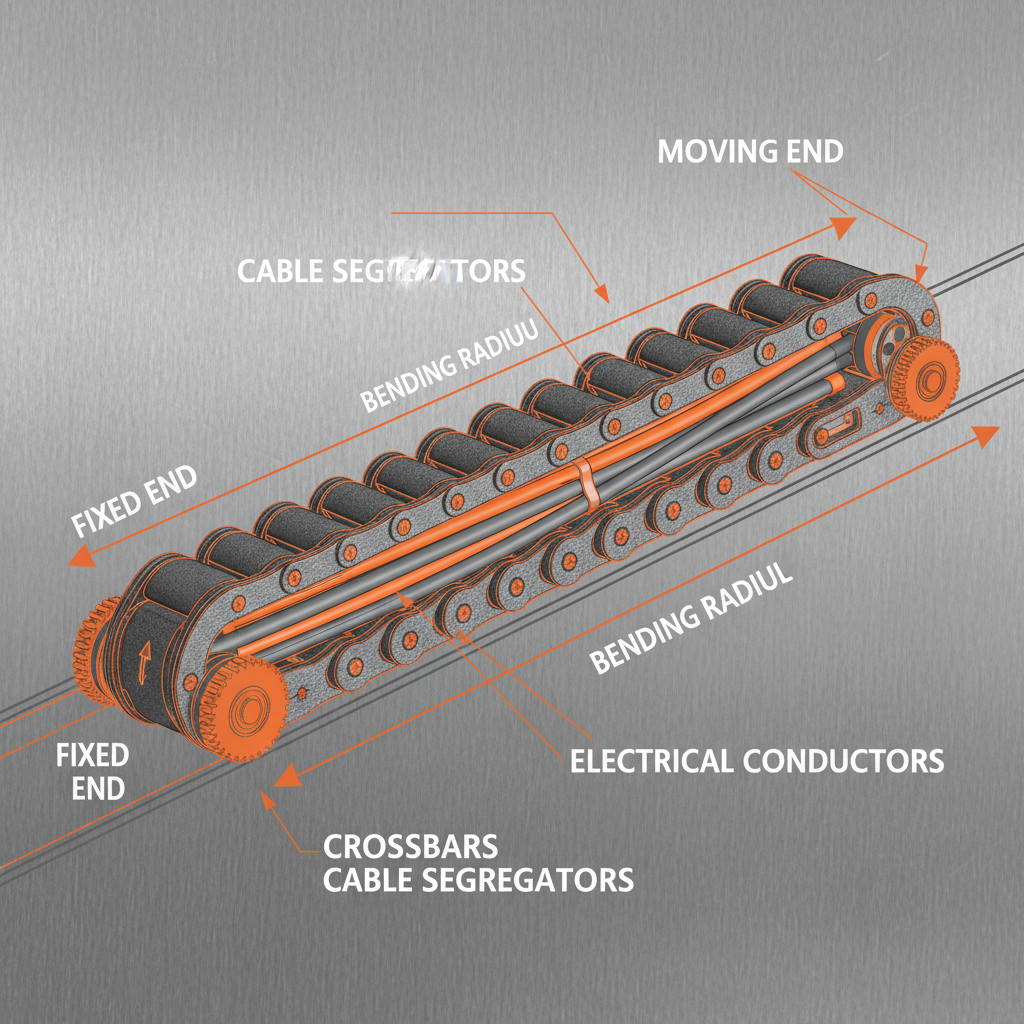
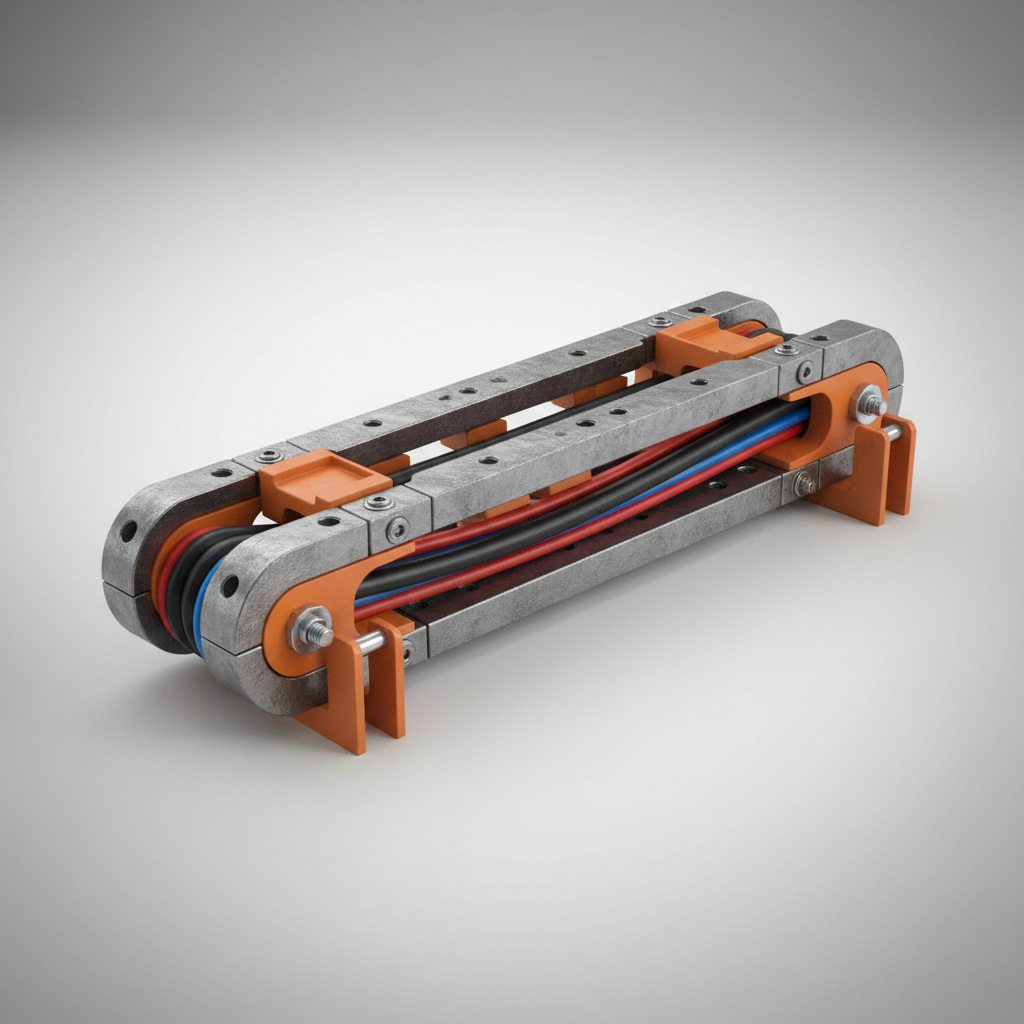
At its core, a cable carrier system, also known as an energy chain or cable track, is a fully enclosed system designed to contain and guide moving cables and hoses. It consists of interconnected links, forming a robust and flexible pathway that travels alongside the moving parts of a machine. These links are typically made from high-strength plastics, such as polyamide, polypropylene, or polyethylene, chosen for their durability, abrasion resistance, and ability to withstand varying temperatures and chemical exposures.
The evolution of cable carrier systems reflects the broader advancements in industrial automation. Initially, simple trailing cable approaches were used, but these proved inadequate for complex applications requiring numerous cables and hoses. Modern systems offer a modular design, allowing for customization to specific needs, and incorporate features such as noise reduction, cable protection, and easy access for maintenance. They are essential in creating safe and efficient automated processes.
These systems aren’t merely ancillary components; they’re integral to the functionality of countless machines, providing the vital nervous system that delivers power and control signals where they’re needed most.
Key Features of Effective Systems
Durability is paramount in a cable carrier system. The materials used must withstand continuous flexing, abrasion, and exposure to harsh environmental conditions. High-quality polymers and robust link designs are essential to ensure a long service life and minimize the risk of failure.
Scalability is another critical feature. Systems should be easily adaptable to accommodate changes in cable and hose requirements. Modular designs allow for the addition or removal of links, enabling seamless integration with evolving machine configurations. This flexibility ensures that the system can grow and adapt with the application.
Cost efficiency isn’t solely about the initial purchase price. It encompasses the total cost of ownership, including installation, maintenance, and downtime. A well-designed system minimizes maintenance needs, extends cable lifespan, and reduces the risk of costly interruptions, ultimately delivering significant cost savings.
Global Applications and Diverse Use Cases
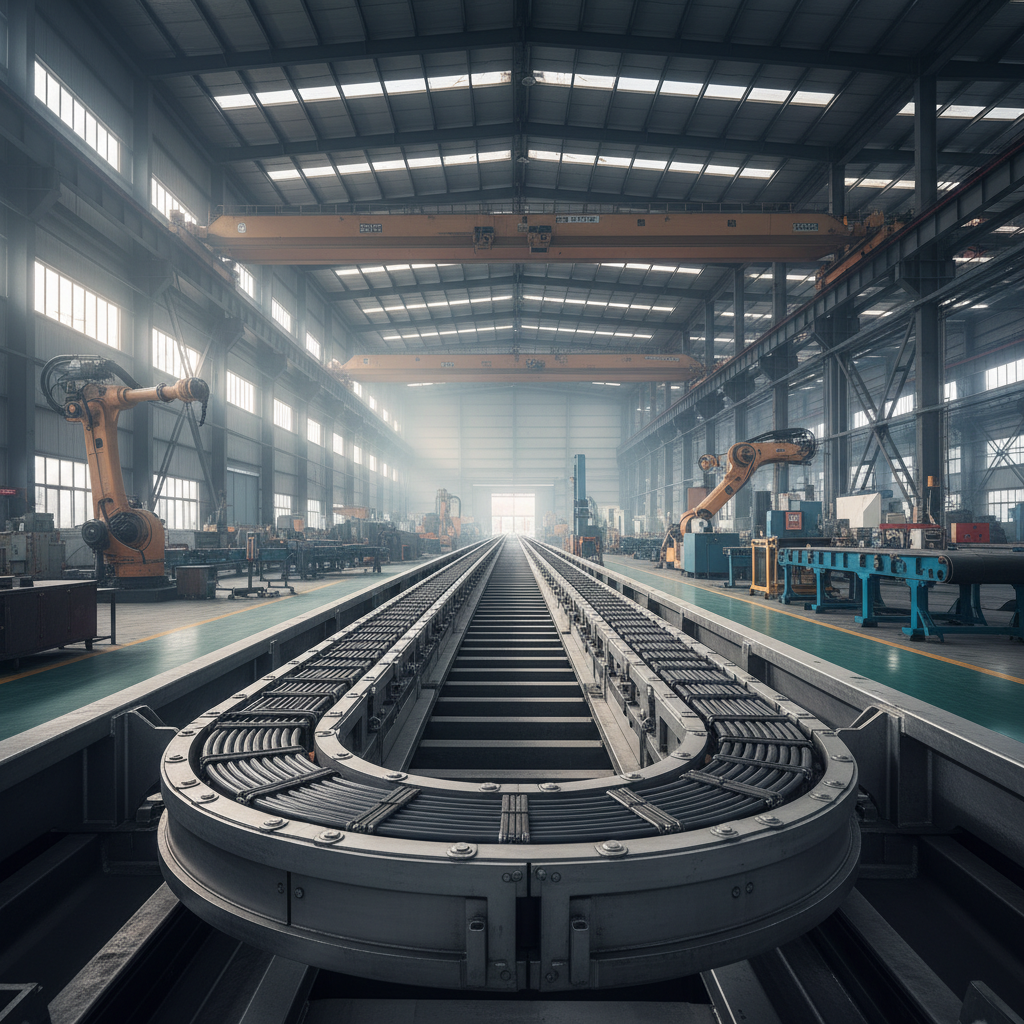
The versatility of cable carrier systems makes them applicable across a remarkably diverse range of industries. In manufacturing, they are widely used in robotic arms, CNC machines, and automated assembly lines. In material handling, they are essential for conveyor systems, cranes, and stacker machines. The automotive industry relies heavily on these systems for paint lines, welding robots, and automated testing equipment.
Beyond industrial applications, cable carrier systems are finding increasing use in specialized fields such as medical technology, where precision and reliability are critical. They are also employed in stage and theater technology for controlling lighting, sound, and special effects. In post-disaster relief operations, rapidly deployable systems are utilized to provide power and communication links for emergency equipment.
Geographically, the demand is particularly strong in regions with robust manufacturing sectors, such as China, Germany, and the United States. However, growth is accelerating in emerging markets like India and Brazil, as these countries invest in automation and infrastructure development.
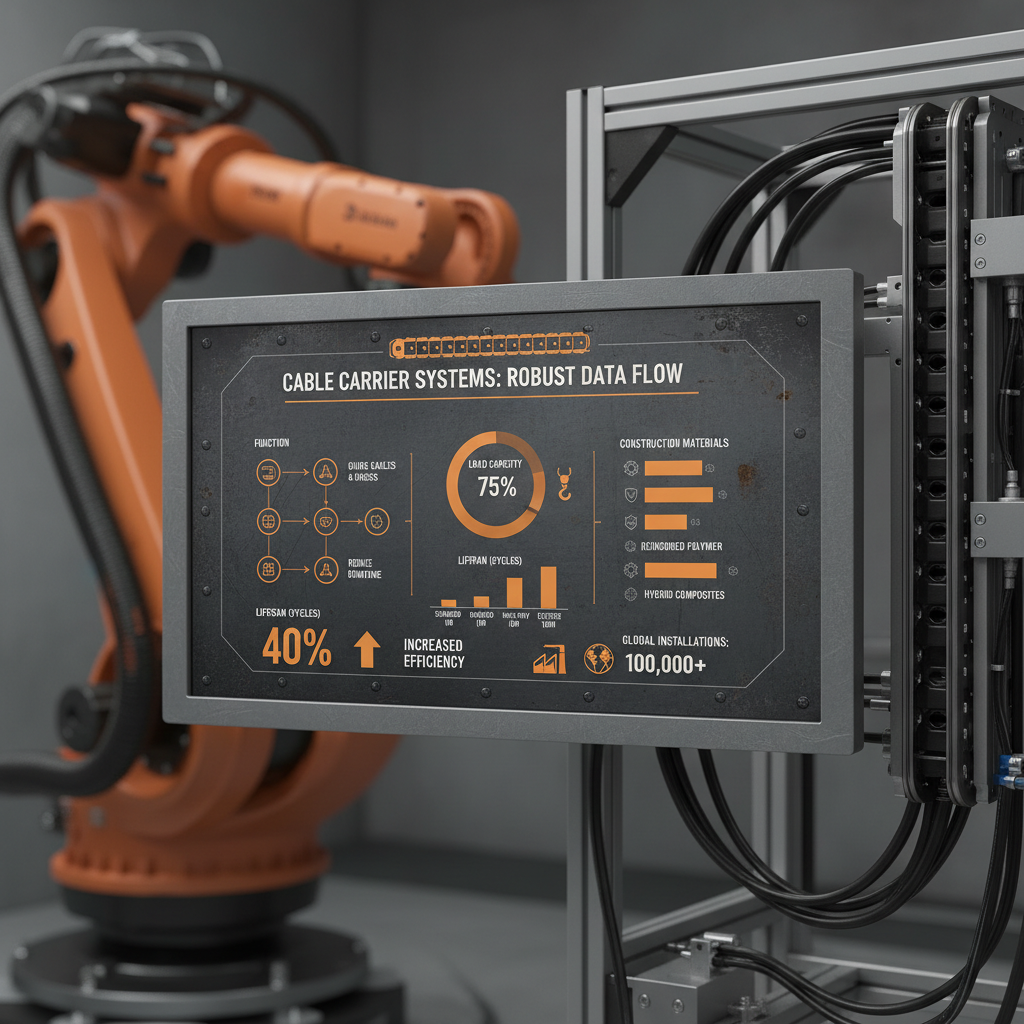
Cable Carrier System Performance Metrics
Advantages and Long-Term Value
The benefits of investing in a quality cable carrier system extend far beyond simply protecting cables. Reduced downtime is a significant advantage; by preventing cable failures, the system minimizes interruptions to production and ensures continuous operation. This translates directly into increased productivity and revenue. Furthermore, optimized cable management leads to improved machine performance and reduced wear and tear on moving parts.
From a sustainability perspective, these systems contribute to a longer lifespan for cables and equipment, reducing the need for frequent replacements and minimizing waste. The inherent safety features, such as enclosed cable pathways and reduced tripping hazards, enhance workplace safety and minimize the risk of accidents. The reliable operation also builds trust in the automated systems, fostering confidence among operators and stakeholders.
Future Trends in Cable Management
The future of cable carrier systems is closely tied to the advancements in automation, robotics, and Industry 4.0. We’re seeing a growing trend towards intelligent cable management systems that incorporate sensors to monitor cable stress, predict potential failures, and optimize maintenance schedules. These systems will provide real-time data on cable health, enabling proactive maintenance and minimizing downtime.
The development of new materials, such as carbon fiber reinforced polymers, promises even greater strength, durability, and weight reduction. Furthermore, the integration of 3D printing technologies is enabling the creation of customized cable carrier systems tailored to specific application requirements. The focus on sustainability will also drive the development of eco-friendly materials and designs.
Challenges and Innovative Solutions
Despite the many advantages, some challenges remain in the effective implementation of cable carrier systems. One common issue is dealing with the increasing density of cables and hoses in modern machines. This requires careful system design and the selection of appropriate link sizes and configurations. Another challenge is managing the dynamic movement of cables in high-speed applications, which can lead to increased wear and tear.
Innovative solutions are emerging to address these challenges. Self-supporting systems offer greater flexibility and stability in demanding applications. Hybrid systems, combining the benefits of cable carriers and free-hanging cables, can provide optimal performance in complex geometries. And the use of advanced simulation software allows engineers to optimize system design and predict performance under various operating conditions.
Furthermore, preventative maintenance programs alongside remote diagnostics can significantly mitigate potential problems before they escalate into costly downtime.
Core Attributes of Advanced Cable Carrier System Designs
| System Type |
Application Suitability |
Maintenance Frequency (Scale 1-5) |
Cost Effectiveness (Scale 1-5) |
| Standard Plastic Chain |
Light Industrial, General Automation |
3 |
4 |
| Steel Chain |
High Load, Harsh Environments |
2 |
3 |
| Micro Chain |
Small Robotics, Precision Machines |
4 |
3 |
| Energy Tube |
Welding, Dynamic Applications |
2 |
2 |
| Speed Chain |
High-Speed Robotics, Linear Systems |
3 |
4 |
| Hybrid System |
Complex Geometries, Combined Applications |
3 |
4 |
FAQS
A properly selected and maintained cable carrier system can easily last 5-10 years, sometimes even longer, depending on the operating environment and application. Regular inspections, lubrication, and timely replacement of worn links are crucial for maximizing lifespan. Factors like temperature, exposure to chemicals, and the frequency of movement all impact longevity. Choosing high-quality materials initially also plays a significant role.
Selecting the correct system requires considering several factors: the type of cables and hoses being carried, the travel distance, the speed of movement, the operating environment (temperature, chemicals, etc.), and the load requirements. Consulting with a cable carrier specialist can help determine the appropriate materials, link sizes, and system configuration to ensure optimal performance and reliability.
Regular maintenance is vital for ensuring the longevity and performance of a cable carrier system. This includes visual inspections for wear and tear, lubrication of the links, checking for proper cable support, and ensuring that the system is clean and free of debris. A preventative maintenance schedule can help identify and address potential issues before they lead to costly downtime.
Yes, cable carrier systems can be used outdoors, but it’s crucial to select materials that are UV-resistant and can withstand the specific environmental conditions. Some systems are specifically designed for outdoor use, featuring weatherproof materials and corrosion-resistant coatings. Proper installation and protection from extreme weather events are also essential.
Closed cable carrier systems provide superior protection for cables and hoses against abrasion, contamination, and environmental factors. They are also more suitable for dynamic applications with high speeds and accelerations. Open systems are generally less expensive but offer less protection and are best suited for static or low-dynamic applications.
Noise can be minimized by using systems with noise-dampening materials, lubricating the links regularly, ensuring proper cable support, and avoiding excessive cable slack. Some systems are specifically designed with noise reduction features, such as integrated dampening elements or optimized link geometry. Correct installation is also key.
Conclusion
Cable carrier systems are fundamental components in modern automation, providing a safe, reliable, and efficient way to manage cables and hoses in moving machinery. Their benefits extend beyond simple protection, contributing to increased productivity, reduced downtime, and enhanced safety. Understanding the key features, applications, and future trends of these systems is crucial for engineers, technicians, and anyone involved in automated processes.
Looking ahead, the continued development of intelligent cable management solutions, advanced materials, and sustainable designs will further enhance the performance and value of cable carrier systems. Investing in these technologies is not just about optimizing current operations; it’s about preparing for the future of automation and embracing the possibilities of Industry 4.0. For more information and to explore our comprehensive range of cable carrier solutions, visit our website at www.agilechains.com.

 FIND USHIGH-TECH ZONE
 CALL US TODAY
 EMAIL US NOW