

Cable carrier manufacturers specialize in the production of engineered energy chains designed to protect and guide flexible cables and hoses in reciprocating motion. These systems are critical in industrial automation, ensuring that power and data lines remain secure while moving across an axis, thereby preventing premature cable failure and unplanned machine downtime.
In the demanding environment of general equipment manufacturing, the lack of proper cable management often leads to abrasion, twisting, and eventual electrical shorts. For procurement managers and engineers, selecting a carrier that balances material strength with a minimal bend radius is essential for optimizing the operational lifespan of CNC machinery and robotic arms.
This technical analysis explores the critical selection criteria for choosing cable carrier manufacturers, evaluates the performance impact of different materials, and provides a practical framework for integrating these systems into heavy-duty industrial applications to reduce long-term maintenance costs.

1The Role of Cable Carriers in Industrial Motion

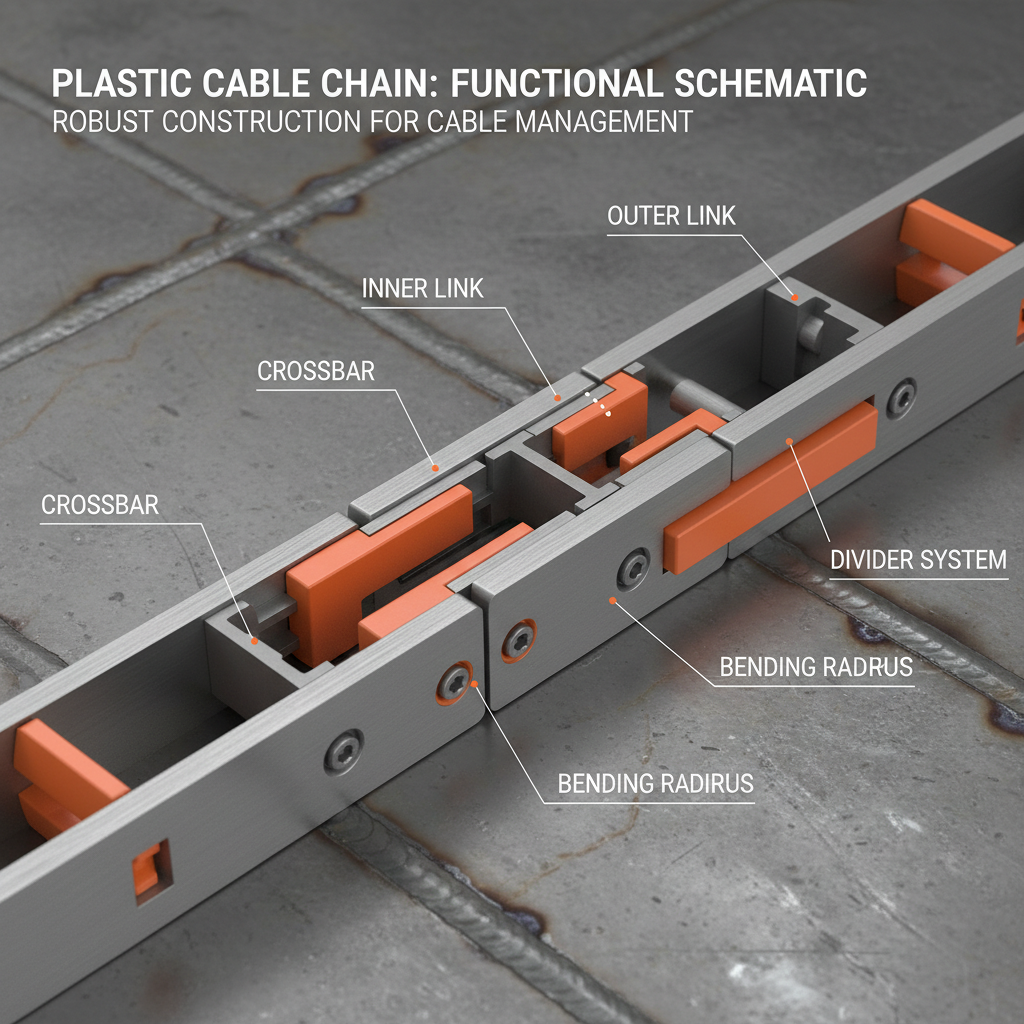
At its core, a cable carrier acts as a protective conduit that manages the movement of cables in machines with linear or multi-axis motion. By constraining the cables to a specific bend radius, cable carrier manufacturers prevent the internal conductors from stretching or breaking, which is a frequent failure point in high-cycle industrial environments.
The integration of these systems is particularly vital in the general equipment manufacturing sector, where reciprocating motion is constant. Without a structured carrier, cables are prone to snagging on machine parts or wearing down due to friction against the chassis.
Modern systems developed by experienced manufacturers focus on reducing the "windage" or friction during movement, which in turn lowers the energy requirements of the drive motor and increases the overall efficiency of the automated system.
2Core Technical Features and Design Requirements
High-performance cable carriers are defined by their material composition and structural integrity. Manufacturers typically utilize high-grade nylon or reinforced plastics to ensure the system can withstand millions of cycles without losing its shape or structural strength.
One of the most critical features is the separation of internal compartments. By separating power cables from data lines (such as Ethernet or sensor cables), manufacturers help eliminate electromagnetic interference (EMI), which can cause critical errors in precision machinery.
Additionally, the mounting hardware and end-stops are essential for stability. A well-designed carrier must have secure anchor points to prevent the chain from jumping off its track during high-speed movements, ensuring safety for both the operator and the equipment.
3Application Scenarios in Modern Manufacturing
Cable carriers find extensive use in CNC milling machines, where the X, Y, and Z axes require constant power and control signals while moving rapidly. In these scenarios, the carrier must handle high accelerations and decelerations without vibrating, which would otherwise affect the machining precision.
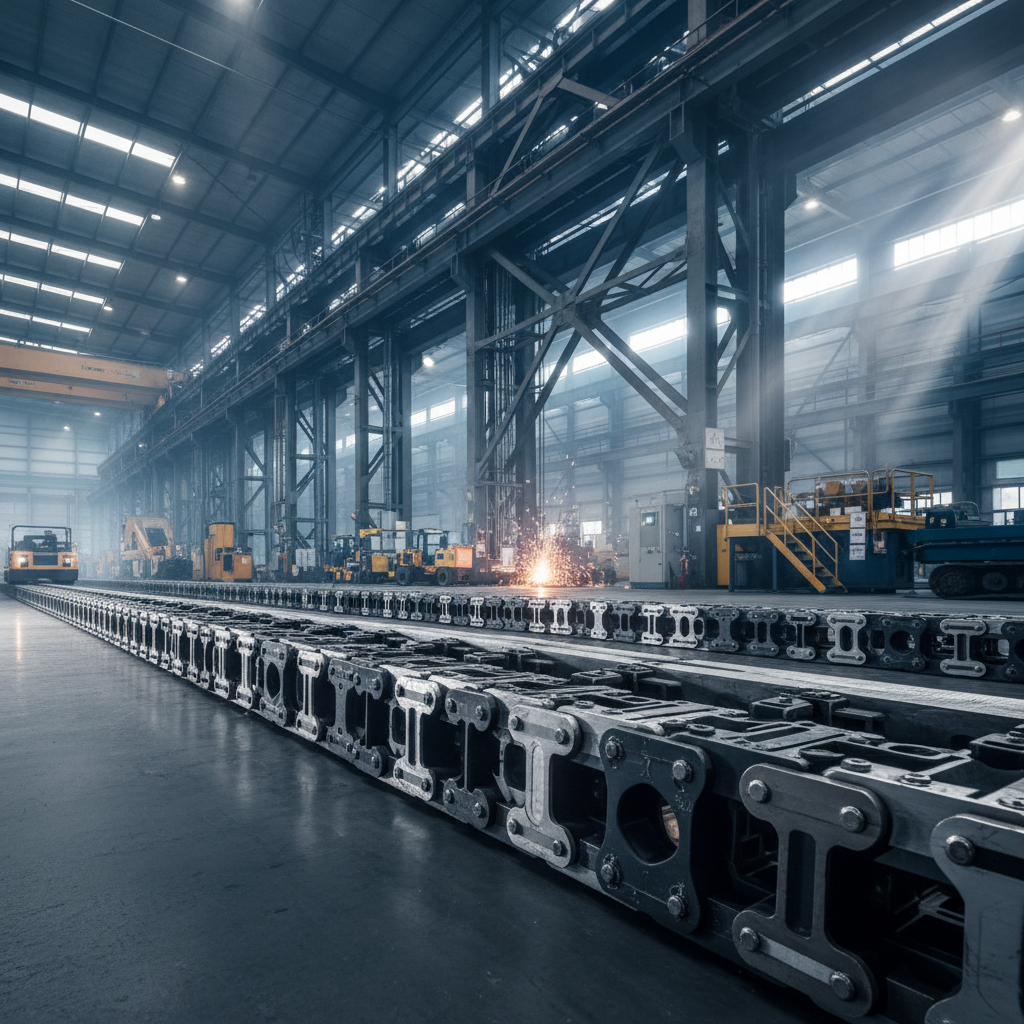
Beyond CNC, these systems are indispensable in automated warehouses and conveyor systems. For example, when using chip conveyors to move metal scrap, the cables powering the motor must be protected from the abrasive environment and oil splashes common in machining shops.
In robotic assembly lines, the flexibility of the carrier is paramount. Specialized multi-axis carriers allow for complex 3D movements, ensuring that the protective chain does not bind or create tension that could pull cables out of their terminals.
4Performance Metrics and Reliability Analysis
Evaluating the quality of a cable carrier involves analyzing its lifecycle performance. This is typically measured in "cycles," representing one full extension and retraction. Professional cable carrier manufacturers test their products to ensure they can survive millions of cycles under maximum load.
Reliability is also measured by the consistency of the bend radius. If a carrier warps over time, it creates uneven stress points on the cables, leading to localized failures. High-precision molding ensures that the geometry remains constant throughout the product's life.
cable carrier manufacturers Performance Metrics
As shown in the performance data, utilizing specialized carriers significantly extends the lifespan of the internal cabling compared to unmanaged or low-quality solutions. This reduction in cable wear directly translates to fewer maintenance interventions and higher machine uptime.
5Procurement Guide for Selecting Manufacturers
When sourcing from cable carrier manufacturers, procurement teams should look beyond the unit price and focus on the Total Cost of Ownership (TCO). A cheaper carrier that fails after six months creates significantly more cost in downtime and labor than a premium carrier that lasts five years.
Key evaluation criteria include the manufacturer's ability to provide customized inner widths and heights. Since every machine has different cable bundles, a manufacturer that offers a wide range of series (such as MT, MTK, or VMTK) provides better flexibility for system integration.
Furthermore, inquire about the quality control processes. Manufacturers who implement rigorous stress testing and provide detailed specification sheets for their series are generally more reliable partners for long-term industrial projects.
6Trends in High-Flex Cable Protection
The industry is moving toward "smart" cable management, where sensors are integrated into the carrier to monitor wear and tear. This predictive maintenance approach allows operators to replace the carrier before a failure occurs, eliminating the risk of sudden production halts.
There is also a growing demand for lightweight materials. By reducing the mass of the carrier, manufacturers enable machines to operate at higher speeds with less inertia, which improves energy efficiency and reduces the load on the drive motors.
Sustainable manufacturing is also becoming a priority. Many manufacturers are now using recyclable plastics and optimizing the production process to reduce waste, aligning their operations with global environmental standards.
7Comparing Carrier Material Options
Selecting the right material is the most critical decision in the design process. While nylon is the industry standard, certain environments require specialized materials to prevent degradation and ensure long-term operational stability.
The following table compares the most common material options used by professional cable carrier manufacturers, highlighting their strengths and primary limitations in industrial settings.
| Material Type | Best Use Case | Main Strength | Primary Limitation |
|---|---|---|---|
| Standard Nylon | General Automation | Cost-effective/Durable | Moderate Heat Resistance |
| Reinforced Plastic | Heavy-Duty CNC | High Load Capacity | Heavier Weight |
| Stainless Steel | Food/Pharma | Corrosion Resistant | High Cost/Less Flex |
| Polyurethane | Harsh Chemicals | Chemical Stability | Softer Structure |
| Aluminum | Extreme Heat | Heat Dissipation | Prone to Wear Friction |
| Carbon Fiber | High Speed/Aero | Ultra Lightweight | Very Expensive |
Ultimately, the choice depends on the specific operating conditions, such as temperature, exposure to coolants, and the required speed of movement. Consulting with technical experts at the manufacturing stage ensures the chosen material matches the application's stress profile.
Frequently Asked Questions
Conclusion
Selecting the right partner among cable carrier manufacturers is a strategic decision that impacts the long-term reliability of any automated system. By focusing on technical specifications like bend radius, material compatibility, and internal separation, engineers can significantly reduce the risks of electrical failure and unplanned maintenance.
For organizations looking to optimize their equipment's motion systems and reduce operational costs, reviewing the available product specifications and series can provide a clear path toward a more durable solution. Detailed technical information can be found at www.agilechains.com.