

Top Quality Reinforced Nylon Cable Drag Chain Suppliers
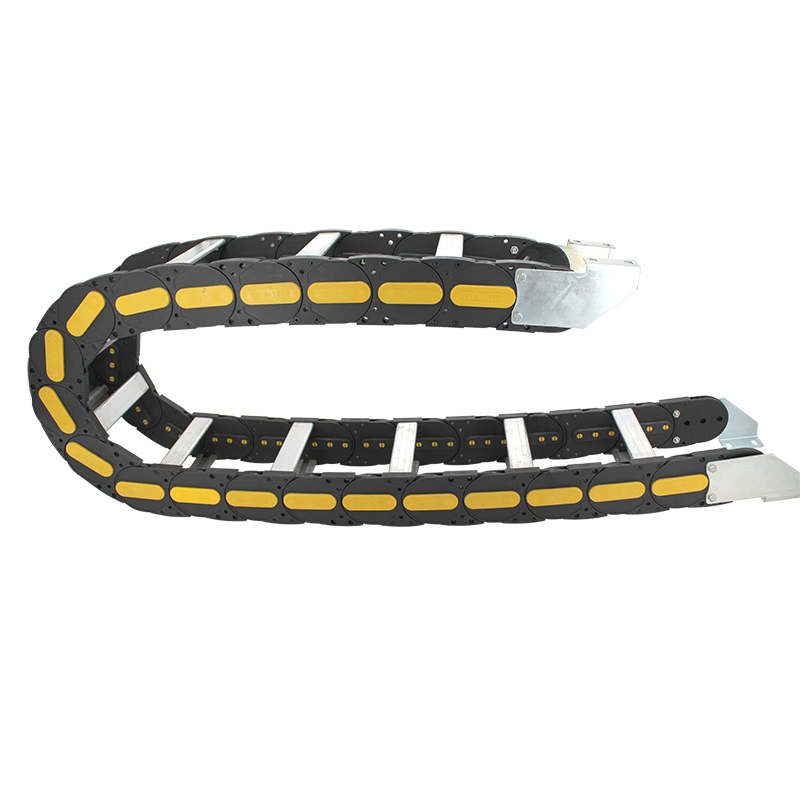
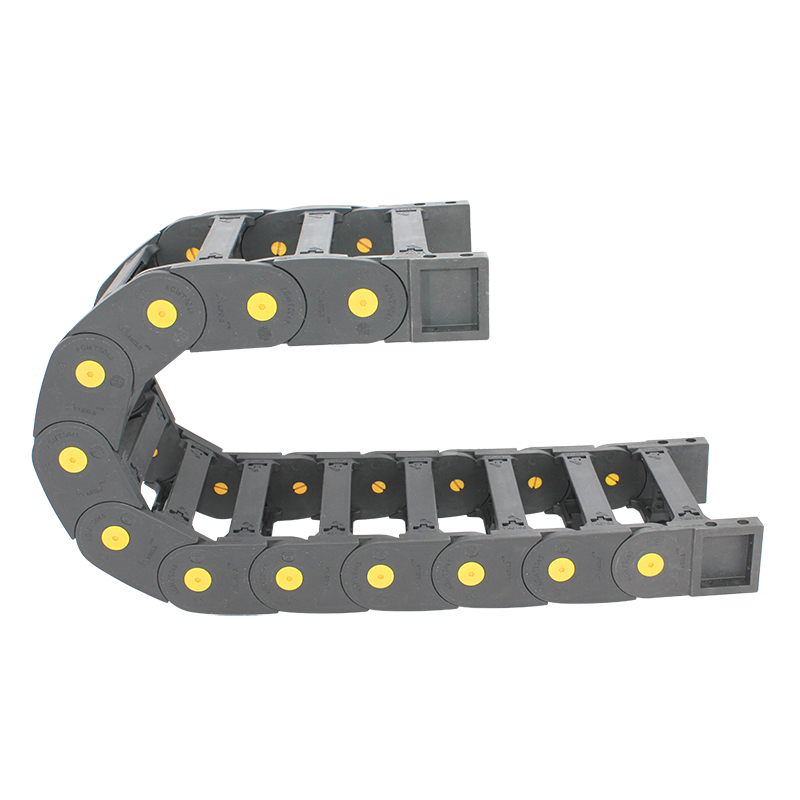
Ensuring the longevity of power cables and hydraulic lines in reciprocating motion systems requires a precise balance of flexibility and structural rigidity. For engineers managing high-cycle machinery, the choice of a cable carrier is not merely a hardware decision but a strategy to eliminate downtime caused by premature cable fatigue. Reinforced nylon cable chains provide a critical protective barrier, guiding conduits through complex paths while preventing torsion and abrasion.
When evaluating cable drag chain suppliers, the focus must shift from basic dimensions to material integrity and mould precision. Using virgin PA6 or PA66 nylon ensures that the physical performance remains consistent across thousands of cycles, unlike recycled alternatives that often fail under thermal stress or repetitive bending. By integrating self-lubricating properties and high-wear resistance, these systems optimize the efficiency of CNC machinery and automated transport lines.

The Engineering Logic Behind Reinforced PA6 and PA66 Nylon Construction
The performance of an energy chain is primarily dictated by its molecular structure. By utilizing original new reinforced nylon (PA6 and PA66), the carrier achieves a superior strength-to-weight ratio. This choice of material is essential for applications operating in temperatures ranging from -40 to 130 ℃, where plastic instability can lead to chain jamming or link breakage.
Key technical attributes of these materials include:
- Self-Lubricating Properties: Reduces the coefficient of friction between links, minimizing noise and wear without the need for external grease.
- Elasticity and Fire Resistance: Provides a safety margin in industrial environments where heat exposure or sudden mechanical shocks are common.
- Wear Resistance: The reinforced nylon resists abrasive particles, ensuring the chain maintains its profile over millions of cycles.
From a manufacturing perspective, the precision of the mould directly affects the "recommended gap" (typically around 10%). If the tolerances are too loose, the cables may shift; if too tight, the cables may be crushed during the bend radius. Professional engineering focuses on optimizing these internal dimensions to protect the interior conduits from mechanical stress.

Critical Selection Criteria for High-Cycle Reciprocating Motion
Selecting the correct carrier requires a deep dive into the kinematics of the machinery. The bend radius (R) is perhaps the most critical variable; a radius that is too small for the cable's minimum bend requirement will lead to internal conductor failure. Options such as R75, R100, and R150 allow engineers to match the chain to the specific flexibility of the cables being housed.
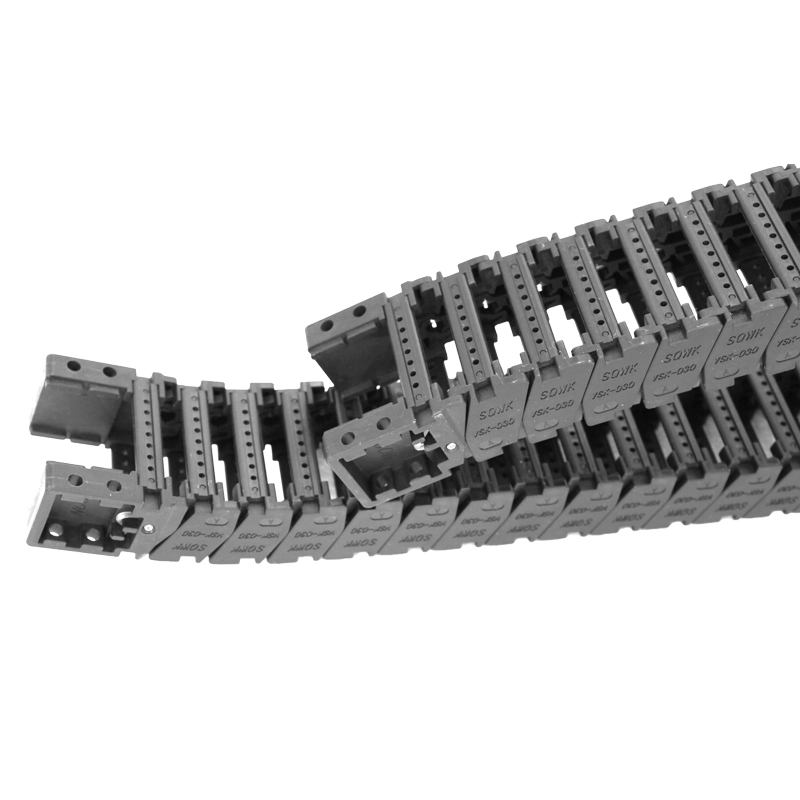
Beyond the radius, buyers must consider the Internal Dimensions (Height x Width). It is a common mistake to pack a chain to 100% capacity. Proper cable management requires a calculated clearance to allow cables to slide slightly during motion, preventing "bird-nesting" or tension buildup. The choice between open-side and enclosed types further depends on the environment—enclosed types provide superior protection against chips and coolant in CNC milling centers.
Reliability is also tied to the production flow. High-quality chains undergo rigorous mould modification based on user feedback, ensuring that the structural interlocking mechanism can withstand the forces of acceleration and deceleration without separating.
Industrial Application Scenarios and Operational Requirements
In the realm of general equipment manufacturing, these chains are indispensable for any system involving linear movement. In CNC electrical energy chains, for instance, the focus is on high speed and muted operation to prevent acoustic pollution in the factory while ensuring the precision of the electrical signals.
Typical application logic follows these requirements:
- Automated Warehousing: Requires long-travel distance capabilities and lightweight materials to reduce the load on the drive motor.
- Heavy Duty Machinery: Focuses on reinforced frames and larger cross-sections (e.g., 45150mm) to support heavier hydraulic hoses.
- Precision Electronics: Utilizes smaller, high-precision chains (e.g., 2538mm) to manage thin data cables without interference.
The interaction between the chain and the guide rail is another vital consideration. A well-matched nylon chain on a compatible rail reduces vibration, which in turn extends the service life of the cables and the mechanical components of the machine.
Technical Specification Matrix for Nylon Series
| Series Type | Inner Dimensions (HxW) | Bending Radius (R) | Weight Class |
|---|---|---|---|
| SK25 | 2538 mm | R55 - R150 | 0.77 - 1.00 Kg/m |
| SK35 | 3451 mm | R75 - R150 | 1.56 - 2.20 Kg/m |
| SK45 | 4550 mm | R75 - R150 | 1.81 - 2.33 Kg/m |
| Custom | Application-Specific | Tailored | Variable |
| Enclosed | Various Sizes | Standard DIN/ISO | Medium-High |
Quality Control and Manufacturing Integrity in Cable Management
The difference between a budget carrier and a professional-grade product lies in the raw material sourcing. The use of original nylon ensures that the chain does not become brittle over time. In the manufacturing process, strict adherence to DIN, GB, ISO, and JIS standards ensures that components are interchangeable and meet global engineering expectations.
Effective quality control involves more than just final inspection; it requires monitoring the production flow from raw material granulation to the final cooling process. Any impurity in the nylon can create a stress point, leading to a catastrophic failure of the chain during operation. This is why a "Quality First" approach is non-negotiable for suppliers who aim to solve real-world user problems.
Furthermore, the ability to develop new moulds for special requirements allows for the optimization of the chain's footprint in tight machine envelopes, ensuring that the protection system does not interfere with the machine's operational range.
Future Trends in Cable Protection and Procurement Advice
As industrial automation moves toward higher speeds and smaller footprints, the demand for "muted" and high-speed chains is increasing. The integration of lighter, stronger polymers and the move toward modular, disassembling designs allow for easier maintenance and cable replacement without dismantling the entire machine.
For procurement managers, the primary goal should be the total cost of ownership (TCO). A lower initial price for a chain made of recycled materials often leads to higher costs in the long run due to cable failure and unplanned production halts. It is recommended to prioritize suppliers who provide transparent material certifications and demonstrate a willingness to iterate designs based on actual usage feedback.
The shift toward customized energy management systems means that the most valuable partners are those who can provide both the hardware and the technical consultation to ensure the correct dimensions and radius are selected for the specific application.
Technical Insights and Frequently Asked Questions
What is the difference between PA6 and PA66 nylon in cable chains?
PA66 generally offers higher mechanical strength and better heat resistance compared to PA6, making it more suitable for high-temperature environments, while PA6 provides excellent toughness and flexibility for general industrial use.
How do I determine the correct bend radius for my application?
The bend radius should be based on the minimum bending radius of the cables being used. It is generally recommended to choose a chain radius that is 10% to 20% larger than the cables' minimum limit to avoid tension.
Why should I avoid recycled nylon in energy chains?
Recycled materials often have inconsistent physical properties and lower impact strength, which can lead to premature cracking and failure under the constant stress of reciprocating motion.
What is the purpose of the "recommended gap" in a drag chain?
The gap (typically 10%) ensures that cables have enough room to move slightly during bending, preventing them from rubbing against each other or being pinched, which extends the cable life.
Can these chains be used in outdoor or corrosive environments?
Reinforced nylon is naturally resistant to many chemicals and is suitable for various environments. However, for extreme corrosion or high-salt environments, specific material grades or stainless steel options should be considered.
What should I look for when evaluating cable drag chain suppliers?
Focus on their material sourcing (virgin vs. recycled), their ability to provide custom moulds, their adherence to international standards (ISO/DIN), and their track record of updating designs based on customer feedback.
Technical References and Industry Standards
- ISO International Standards for Mechanical Components
- DIN German Institute for Standardization
- NIST Technical Guidance on Material Performance
- ANSI Standards for Industrial Machinery
Optimizing your cable management system is a critical step in enhancing machine reliability. By selecting reinforced nylon carriers with the correct dimensions and bend radius, you protect your most vital electrical assets and ensure seamless operational continuity.
Related Technical Solutions