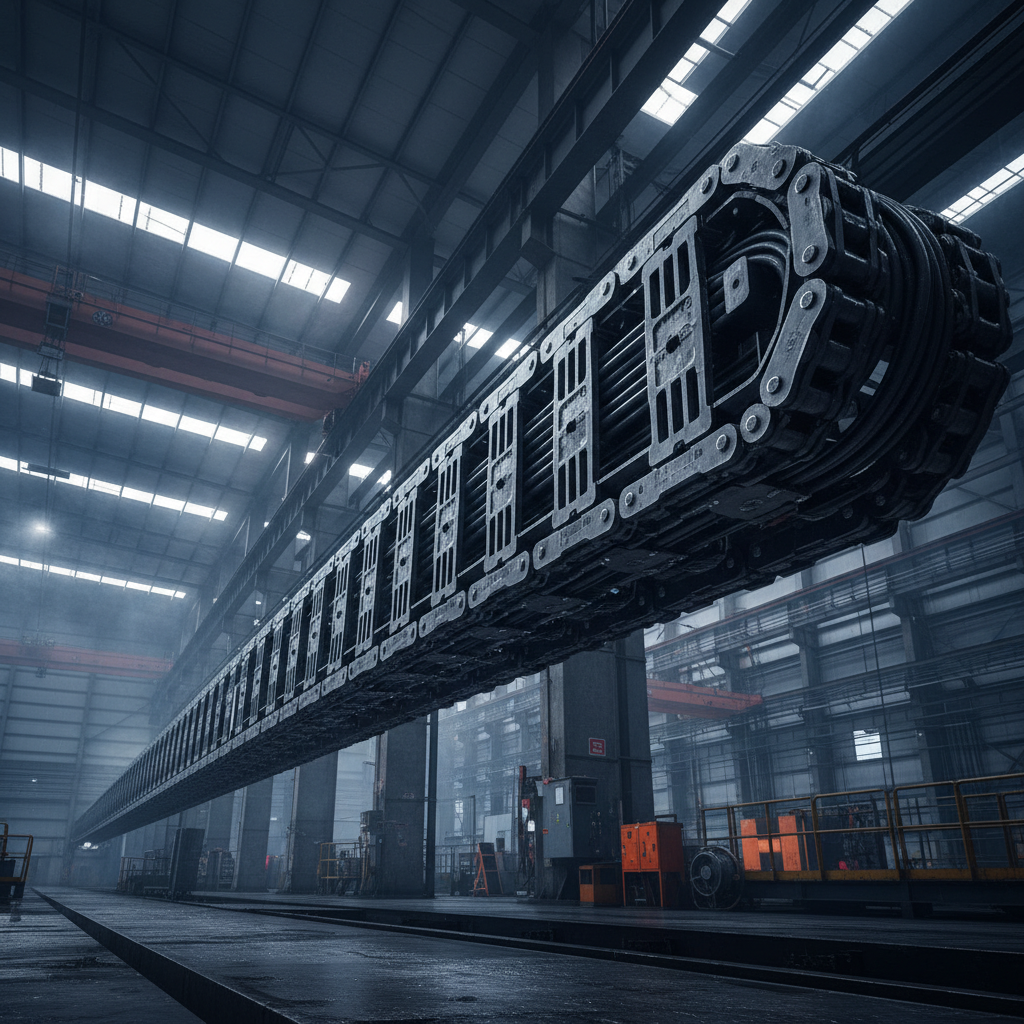


In the realm of precision engineering and CNC machining, the integrity of power and data transmission depends heavily on the protection of moving cables. A specialized drag chain manufacturer provides the essential hardware required to prevent cable fatigue, abrasion, and premature failure in reciprocating motion environments. This article explores the technical specifications and selection criteria for nylon energy chains designed for high-cycle industrial applications.
For engineers and procurement specialists, selecting the correct cable carrier is not merely about dimensions but about understanding the synergy between material science and mechanical stress. When cables are subjected to constant bending, the risk of internal conductor breakage increases. By utilizing reinforced polymers and optimized bridge designs, these systems ensure that the cables maintain their minimum bending radius, thereby extending the overall lifecycle of the CNC machine.
Readers will gain a comprehensive understanding of the differences between PA6 and PA66 nylon, the critical importance of inner height and width specifications, and how to evaluate a supplier based on raw material purity. We will also analyze the operational trade-offs between open-side and enclosed types to help you determine the most efficient protection method for your specific production environment.
The Role of Energy Chains in CNC Machinery
CNC machines operate with high precision and rapid repetitive movements, creating a challenging environment for wiring. Without a structured guidance system, cables would sag, tangle, or rub against the machine frame, leading to catastrophic downtime. An energy chain, also known as a cable carrier, provides a controlled path for these cables, ensuring they move in a predictable arc. This mechanical support is critical because it eliminates the tension and torsion that typically destroy flexible cables over time. By confining the cables within a modular link system, the drag chain manufacturer enables a seamless transition between the stationary and moving parts of the equipment. Furthermore, the use of reinforced nylon allows these systems to operate silently while resisting the chemical splashes and coolant mists common in milling and turning centers. The ultimate goal is to transition cable management from a potential point of failure to a reliable, low-maintenance component of the machine's architecture.
Evaluating High-Performance Cable Carriers
Selecting an energy chain requires a balance of technical parameters to ensure the system does not constrain the cables it is meant to protect. The following analysis breaks down the critical dimensions and material properties that define the performance of the SK series and similar nylon carriers.
Material Composition and PA6/PA66 Benefits
The choice between Polyamide 6 (PA6) and Polyamide 66 (PA66) determines the chain's strength and thermal stability. Reinforced nylon is preferred for CNC applications due to its high impact resistance and elasticity. High-quality production relies on original new nylon raw materials rather than recycled plastics, as recycling often compromises the physical performance and leads to brittle links. PA66 typically offers slightly higher heat resistance and stiffness, making it ideal for environments with fluctuating temperatures.
| Material Property | PA6 Reinforced | PA66 Reinforced | Performance Impact |
|---|---|---|---|
| Working Temp | -40 to 130°C | -40 to 130°C | High thermal stability |
| Wear Resistance | Excellent | Superior | Extends service life |
| Elasticity | High | Moderate | Prevents link snapping |
| Lubrication | Self-lubricating | Self-lubricating | Reduced friction noise |
| Chemical Resistance | Oil/Coolant resistant | Oil/Coolant resistant | Prevents degradation |
| Material Purity | New Raw Material | New Raw Material | Avoids structural weakness |
Inner Dimension and Sizing Logic
The inner height and width are the most critical dimensions for cable health. A common mistake is selecting a chain that is too tight, which causes cables to compress against each other. The industry standard recommends a 10% gap (recommended gap) between the cable bundle and the inner walls. For instance, the SK 45150 model provides ample space for multiple heavy-duty power lines and signal cables, ensuring they can slide freely within the carrier without friction.
Open vs. Enclosed Bridge Structures
Bridge-type (open) chains allow for easy cable insertion and the use of larger connectors that cannot fit through a closed link. They are easier to maintain and inspect. In contrast, enclosed types provide superior protection against external debris and chips, which is vital in heavy-duty machining. The SK series offers both options to match the specific contamination levels of the shop floor, allowing users to choose between accessibility and maximum shielding.
Bending Radius and Pitch Considerations
The bending radius (R) determines the curve the chain makes during movement. A larger radius (e.g., R150) reduces the stress on the cables but requires more installation space. The pitch—the distance between link centers—affects the smoothness of the motion and the total weight of the system. Matching the bending radius to the cables' own minimum bend radius is the only way to prevent internal wire fatigue.
Environmental Resistance and Thermal Limits
Industrial energy chains must withstand temperatures ranging from -40°C to 130°C. In CNC environments, the presence of cutting fluids and oils can degrade inferior plastics. Reinforced PA66 is engineered to be fireproof and chemically inert, ensuring that the carrier does not warp or crack when exposed to high-temperature coolants or industrial lubricants over years of operation.
Wear Resistance and Self-Lubrication
Mechanical wear occurs at the pivot points of each link. To mitigate this, high-grade nylon chains are designed with self-lubricating properties, reducing the need for external grease which can attract dust and metal chips. This "wearable" yet durable nature ensures that the chain maintains its structural integrity and operational silence even after millions of cycles.
Installation and Maintenance Efficiency
Ease of operation is a key value driver. Modern modular designs allow for simple disassembly and the addition or removal of links. By monitoring the usage feedback from final customers, manufacturers can refine mold structures to improve the interlocking mechanism. Regular inspection for link wear and ensuring cables remain properly spaced are the only requirements for maintaining these systems.
FAQ
What is the primary difference between PA6 and PA66 for energy chains?
PA6 and PA66 are both reinforced nylons, but PA66 generally offers higher mechanical strength and better resistance to heat. For most CNC applications, both provide the necessary flexibility and durability, but PA66 is often preferred in environments with higher thermal demands. The key is the use of original raw materials rather than recycled ones to ensure the physical performance of the chain.
How do I determine the correct inner size for my cable carrier?
You should calculate the total cross-sectional area of your cable bundle and add a 10% safety gap. For example, if your cable bundle measures 40mm by 140mm, an SK 45150 chain would be appropriate. This gap prevents cables from rubbing against the walls or each other, which significantly reduces the risk of insulation wear.
Should I choose an open bridge type or an enclosed type?
Choose an open bridge type if you need to install cables with large connectors or if you require frequent access for maintenance. Choose an enclosed type if your machine operates in an environment with heavy metal chips, dust, or abrasive debris that could enter the chain and damage the cables.
Why is the bending radius important in cable protection?
The bending radius dictates the tightest curve a cable will take. If the chain's radius is smaller than the cable's minimum allowable bend radius, the internal copper strands will experience excessive stress and eventually break. Selecting a larger radius (like R100 or R150) increases cable longevity but requires more space in the machine's layout.
How can I identify a high-quality nylon energy chain?
A high-quality carrier is characterized by the use of original, non-recycled nylon raw materials, which prevents brittleness. Check for smooth edges, consistent wall thickness, and a self-lubricating finish. Furthermore, a professional provider will offer multiple mold sizes and the ability to create custom molds for special requirements, indicating a robust manufacturing capability.
What is the typical lifespan of a PA66 drag chain in a CNC machine?
While lifespan depends on cycle frequency and environmental conditions, a reinforced PA66 chain using original raw materials is designed for millions of cycles. By maintaining a 10% internal gap and selecting the correct bending radius, most users find these systems last several years before the nylon exhibits significant wear at the joints.
References and further reading
- Technical Guide to Polyamide (PA6/PA66) Engineering Plastics in Industrial Motion.
- ISO/DIN Standards for Cable Carrier Systems and Bending Radius Specifications.
- CNC Machine Tool Design: Cable Management and Protection Protocols.
Related Articles