



Comprehensive Guide to Telescopic Bellow Covers for Industrial Machinery
Understanding Telescopic Bellow Covers: A Comprehensive Guide
In the world of industrial automation and CNC machinery, protecting sensitive components from dust, debris, and coolants is paramount. Telescopic bellow covers offer a robust and effective solution to this challenge. This article delves into the functionality, benefits, applications, and considerations when selecting telescopic bellows for your specific needs. Ensuring optimal machine performance and longevity often hinges on choosing the right protective covering.
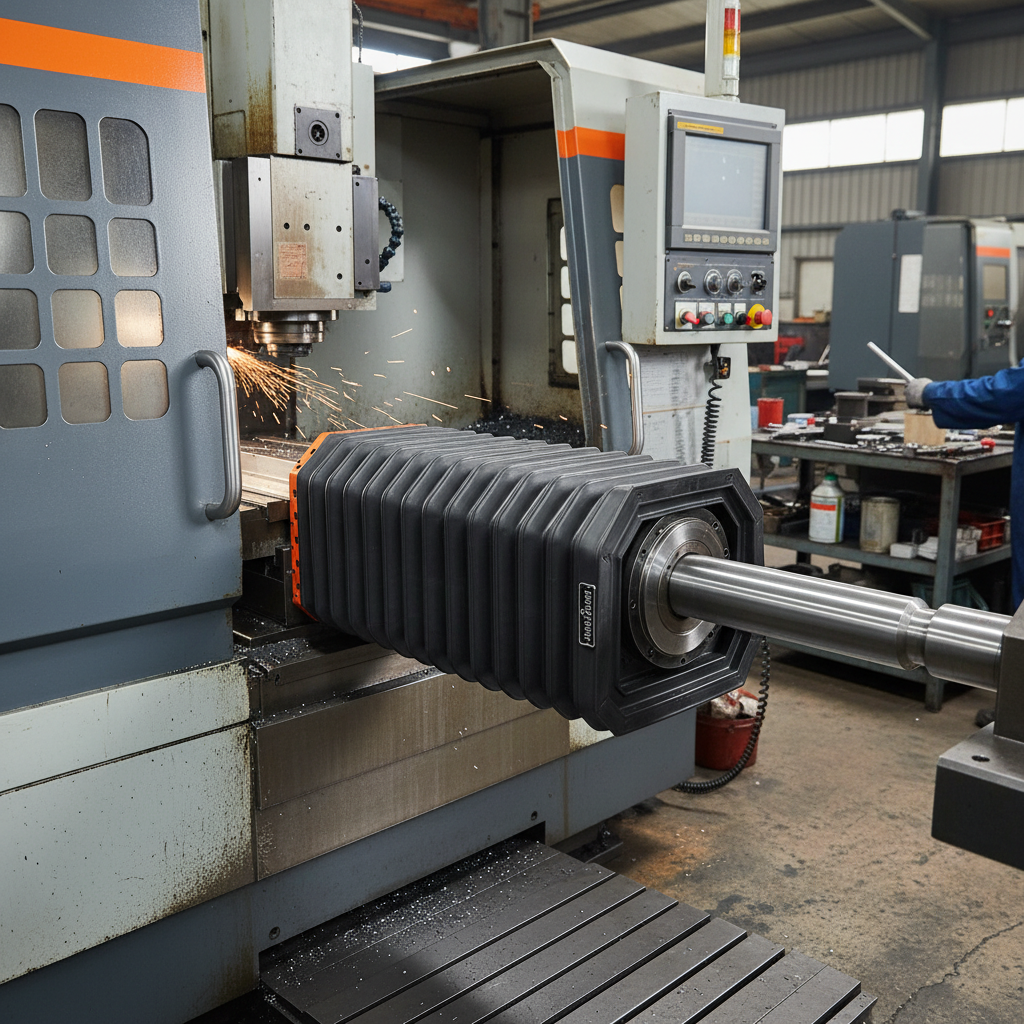
What are Telescopic Bellow Covers?
Telescopic bellow covers, also known as CNC machine covers or way covers, are protective shields designed to enclose moving parts of machinery, such as ball screws, linear guides, and lead screws. They are typically constructed from a series of interlocking, overlapping plates that expand and contract in unison with the machine's movements. This ensures continuous protection throughout the entire range of motion. These covers are critical for maintaining the precision and extending the lifespan of expensive machine components.
Key Benefits: Protects against dust, chips, coolant, and other contaminants. Extends machine lifespan. Reduces maintenance costs. Ensures consistent machine performance.
Materials Used in Telescopic Bellow Cover Manufacturing
The choice of material significantly impacts the performance and longevity of a telescopic bellow cover. Common materials include:
- Steel: Offers high strength and durability, ideal for heavy-duty applications.
- Stainless Steel: Provides excellent corrosion resistance, suitable for environments with coolant or other corrosive fluids.
- Aluminum: Lightweight and offers good corrosion resistance, often used in high-speed applications.
- Plastic: Cost-effective and suitable for light-duty applications.
The selection should align with the operating environment, load requirements, and budget constraints.
Telescopic Bellow Cover Design and Configurations
Various designs cater to specific application needs. Common configurations include:
- Round Bellows: Suitable for cylindrical machine components.
- Square/Rectangular Bellows: Designed for square or rectangular machine components.
- Custom Bellows: Tailored to unique machine geometries.
The internal structure, such as the number of convolutions and plate thickness, influences the flexibility, rigidity, and overall performance. Agile Chains specializes in creating customized bellow covers to meet exacting requirements.
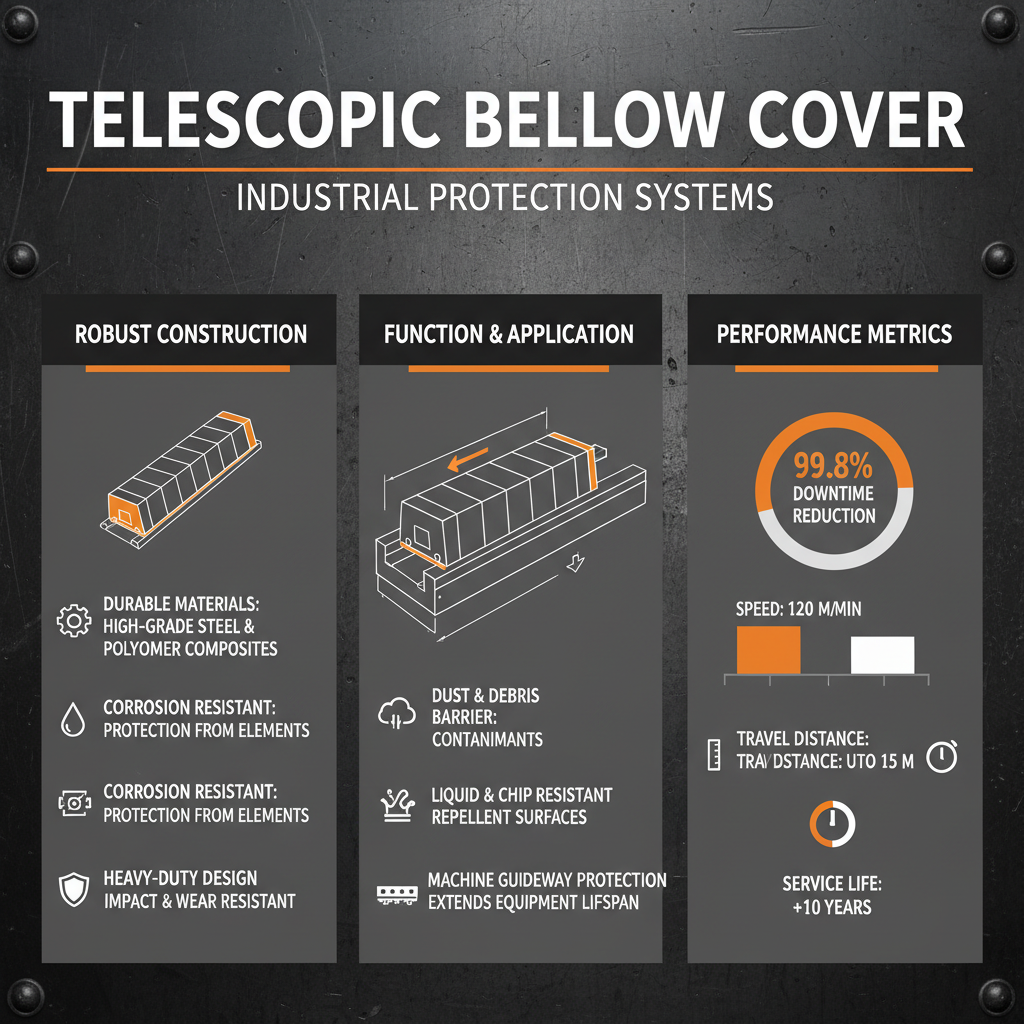
Applications of Telescopic Bellow Covers
Telescopic bellow covers find applications across a broad spectrum of industries, including:
- CNC Machining: Protecting ball screws and linear guides in milling machines, lathes, and routers.
- Robotics: Enclosing robot arms and joints to safeguard against contamination.
- Injection Molding: Shielding machinery from plastic debris and spills.
- Printing Industry: Protecting printing presses from ink and paper dust.
- Medical Equipment: Ensuring hygiene and preventing contamination in sensitive medical machinery.
Selecting the Right Telescopic Bellow Cover
When choosing a telescopic bellow cover, consider the following factors:
- Machine Dimensions and Travel: Accurate measurements are crucial for a proper fit.
- Operating Environment: Temperature, humidity, and exposure to chemicals.
- Load Capacity: The weight and forces acting on the cover.
- Material Compatibility: Ensure the material is compatible with the machine's materials and fluids.
- Maintenance Requirements: Consider ease of cleaning and inspection.
Conclusion: Protecting Your Investment with Agile Chains
Investing in high-quality telescopic bellow covers from a reputable supplier like Agile Chains is a proactive step towards safeguarding your valuable machinery. By protecting against contaminants and wear, you can minimize downtime, reduce maintenance costs, and extend the operational life of your equipment. Don't compromise on protection – choose a solution engineered for performance and reliability.
Frequently Asked Questions (FAQs)
What is the typical lifespan of a telescopic bellow cover?
The lifespan of a telescopic bellow cover is dependent on several factors, including the material, operating environment, and frequency of use. Generally, steel and stainless steel covers can last for 5-10 years with proper maintenance. Aluminum and plastic covers may have a shorter lifespan, typically 3-5 years. Regular inspection for wear and tear, as well as proper lubrication, can significantly extend the cover's lifespan. Environmental factors like exposure to corrosive fluids or extreme temperatures can also affect longevity.
Are telescopic bellow covers difficult to install?
Installation difficulty varies depending on the cover's complexity and the machine's configuration. Generally, most covers are designed for relatively straightforward installation, often involving mounting brackets and securing the cover to the machine frame. Detailed installation instructions are usually provided by the manufacturer. For complex installations or custom designs, professional assistance may be recommended. Agile Chains offers installation support to ensure proper fit and function.
What maintenance is required for telescopic bellow covers?
Regular maintenance is crucial for ensuring the long-term performance of telescopic bellow covers. This includes periodic cleaning to remove dust, debris, and coolant buildup. Lubrication of the moving parts is also essential, preventing friction and ensuring smooth operation. Inspect the cover regularly for signs of wear and tear, such as cracks, dents, or loose connections. Replace any damaged components promptly to maintain optimal protection. Following the manufacturer’s maintenance recommendations is highly advised.


