



Efficient CNC Lathe Chip Conveyor for Metalworking Productivity
Maximizing Efficiency with a CNC Lathe Chip Conveyor
In the high-precision world of metalworking, the accumulation of metal shavings, or "chips," can quickly become a bottleneck for productivity and a safety hazard for operators. Implementing a high-quality cnc lathe chip conveyor is the most effective way to automate the removal of waste materials, ensuring that your machinery runs without interruption. By integrating an automated disposal system, workshops can significantly reduce downtime spent on manual cleaning and prevent chip buildup from damaging the lathe's bed or tooling. In this guide, we will explore how the right conveyor system can transform your workshop's workflow and maintain a pristine operating environment.
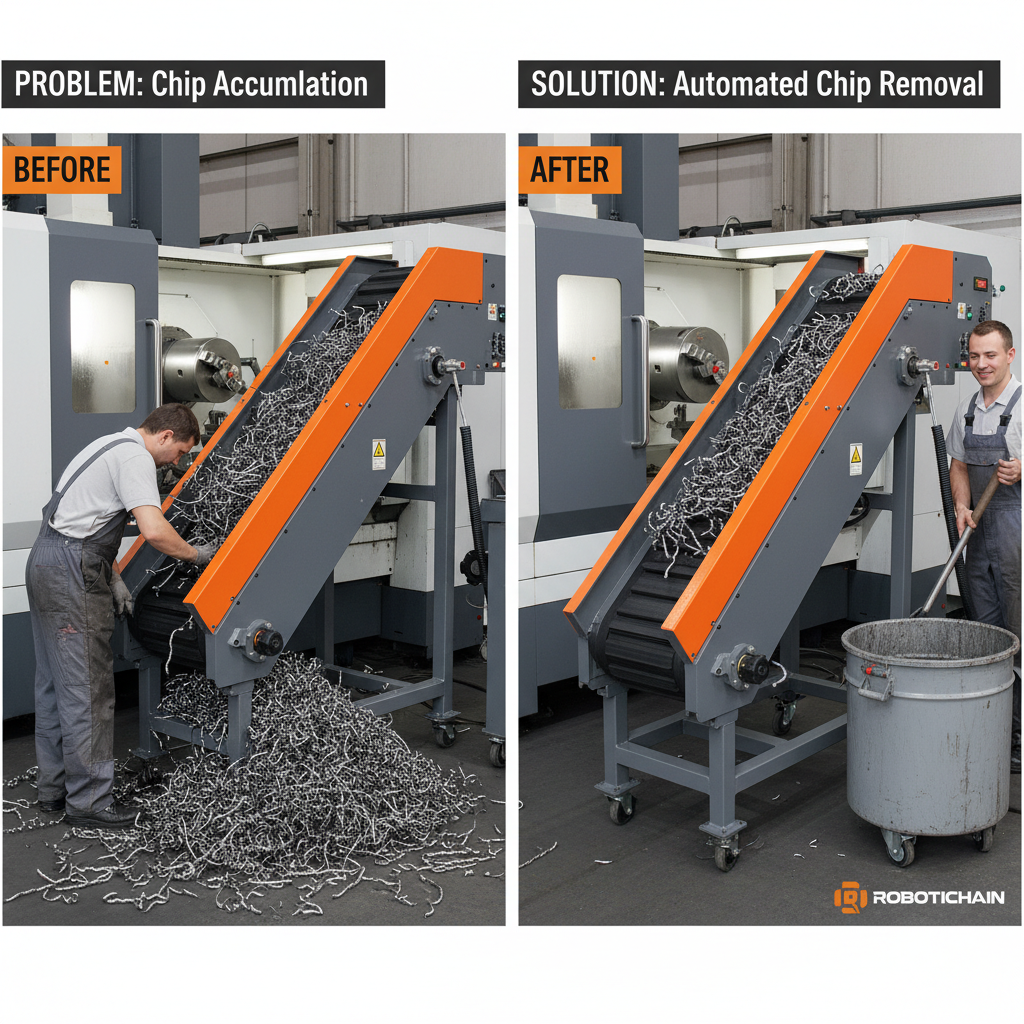
How a CNC Lathe Chip Conveyor Improves Productivity
The primary goal of any machining center is to maximize "spindle-on" time. Manual chip removal requires the operator to stop the machine, clear the debris, and restart the cycle, which leads to significant cumulative losses in production. A cnc lathe chip conveyor eliminates this inefficiency by continuously transporting chips away from the cutting zone. This automation allows for unattended machining, meaning the lathe can run for longer periods without human intervention. Furthermore, it ensures that the coolant flow remains unobstructed, as chips are removed before they can clog the filtration system, thereby extending the life of your cutting tools.
Efficiency Gain: Automating chip removal typically reduces machine downtime by 15-30%, depending on the volume of material removed and the frequency of manual cleaning cycles.
Types of CNC Lathe Chip Conveyors and Their Uses
Not all chips are created equal; some are long, curly strings (common in aluminum), while others are small, sharp fragments (typical of cast iron). Consequently, different cnc lathe chip conveyor designs are required. Hinge-belt conveyors are popular for their durability and ability to handle heavy loads, whereas screw-type conveyors are often preferred for wet, slurry-like chips. Selecting the wrong type can lead to jams or premature wear on the conveyor chain. It is essential to match the conveyor's mechanism to the material properties of the workpiece and the volume of chips generated per hour.
Selection Guide:
• Hinge Belt: Best for heavy, oily chips and long-distance transport.
• Screw/Auger: Ideal for small chips and integrated coolant recovery.
• Plate Conveyor: Suitable for extremely heavy-duty industrial applications.
Comparative Analysis: Automated vs. Manual Chip Removal
When calculating the ROI for a cnc lathe chip conveyor, the comparison between manual labor and automation becomes clear. Manual removal is not only slow but carries a high risk of injury due to the sharp nature of metal shavings. Automation provides a consistent flow, reducing the "shock" to the system that occurs when a machine is stopped abruptly. Below is a detailed comparison showing why automation is the industry standard for modern CNC workshops.
Key Maintenance Tips for Your CNC Lathe Chip Conveyor
To ensure the longevity of your cnc lathe chip conveyor, a proactive maintenance schedule is vital. Because these systems operate in harsh environments—exposed to abrasive metal chips and corrosive coolants—they are prone to wear. Regularly lubricating the chain and checking the tension of the belt can prevent sudden failures. Furthermore, inspecting the motor and drive gears for unusual noise or vibration can alert you to potential issues before they lead to a total system shutdown. Keeping the conveyor's sensors clean is also critical, as debris can cause false "full" signals, stopping the lathe unnecessarily.
Technical Specifications for Modern Chip Conveyors
When shopping for a cnc lathe chip conveyor, you must consider technical parameters such as belt width, load capacity, and motor power. The material of the conveyor—usually reinforced stainless steel or coated carbon steel—determines its resistance to rust and chemical corrosion. The following table outlines the typical specifications found in industrial-grade conveyor systems used for CNC lathes.
Conclusion: Enhancing Your Shop with the Right Conveyor
Investing in a professional cnc lathe chip conveyor is more than just a convenience—it is a strategic upgrade for any serious machining operation. By automating waste removal, you reduce labor costs, improve worker safety, and maximize the productivity of your CNC equipment. Whether you are dealing with light aluminum shavings or heavy steel chips, selecting a system with the right specifications ensures a seamless and clean production line. Elevate your workshop's efficiency today by choosing a durable, high-performance chip management solution.
Frequently Asked Questions (FAQs)
How do I choose the right size for my CNC lathe chip conveyor?
Choosing the right size depends on three main factors: the volume of chips your machine generates, the physical dimensions of your lathe's chip tray, and the distance to your waste collection bin. You should measure the width of the opening where the chips fall from the machine to ensure the conveyor belt captures all debris without leakage. Additionally, consider the "peak load"—the maximum amount of waste produced during your heaviest cutting cycle—to ensure the motor has enough torque to move the material without stalling.
Can a chip conveyor help in recovering cutting oils and coolants?
Yes, most professional cnc lathe chip conveyors are designed with a trough or a perforated belt that allows coolants and oils to drain through while the chips are transported. This liquid is then collected in a sump at the bottom of the conveyor, where it can be filtered and pumped back into the machine. This not only reduces the cost of purchasing new coolant but also minimizes the environmental impact of your machining process.
What should I do if my chip conveyor keeps jamming?
Jamming is usually caused by "bird-nesting," where long, curly chips wrap around the drive sprocket or belt. To prevent this, you can adjust your CNC cutting parameters (like feed rate and speed) to produce smaller, broken chips. If jams persist, check if the conveyor belt is properly tensioned; a loose belt can allow chips to slide under the chain and cause a blockage. Regularly cleaning the drive assembly and ensuring that the conveyor is aligned perfectly with the lathe's output will significantly reduce the frequency of jams.
Is stainless steel always better for conveyor belts?
Stainless steel is highly recommended for most CNC applications because it resists the corrosion caused by water-based coolants and cutting oils. However, for extremely high-volume, abrasive materials, some shops use reinforced polymers or specially treated carbon steel for cost-effectiveness. For the vast majority of users, stainless steel provides the best balance of longevity and hygiene, preventing rust from contaminating the parts or the machine environment. You can find more details on material options at Agile Chains.


