



Choosing the Right Chip Conveyor for CNC Machine Optimizes Performance
Choosing the Right Chip Conveyor for CNC Machine
In the world of CNC machining, efficiency and precision are paramount. A critical component often overlooked, yet essential for maintaining both, is the chip conveyor. These systems are designed to remove metal chips and coolant from the machining area, preventing them from building up and interfering with the process. This article will delve into the various types of chip conveyors, their benefits, key considerations for selection, and how to ensure optimal performance. Investing in the right chip conveyor can significantly improve your CNC machine’s uptime, enhance part quality, and create a safer working environment.
Understanding Different Types of Chip Conveyors
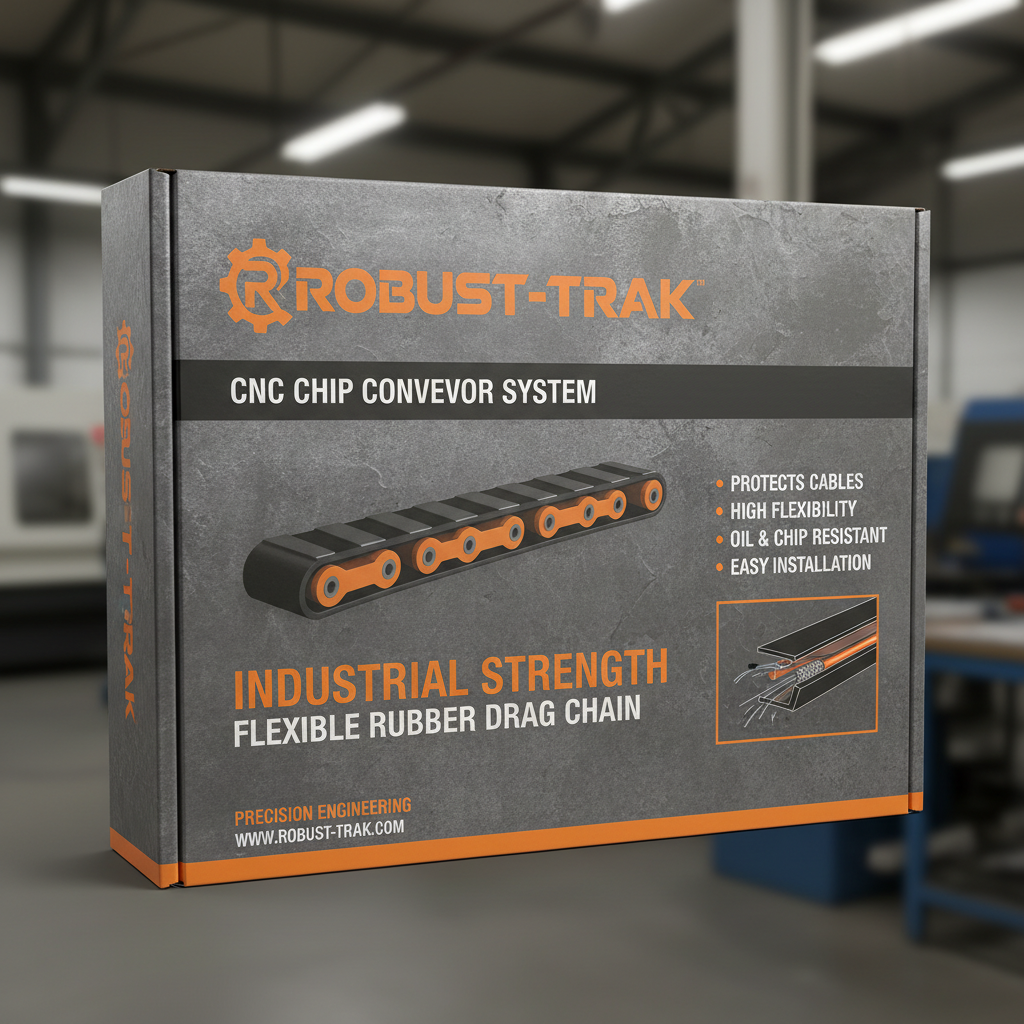
Chip conveyors aren't one-size-fits-all. Several types are available, each with its strengths and weaknesses. The most common include: Belt conveyors, which are versatile and suitable for a wide range of chip sizes; Drag chain conveyors, ideal for handling long, stringy chips; Screw conveyors (also known as auger conveyors), best for smaller chips and coolant mixtures; and Fluid conveyors, efficient at removing fine chips and swarf. The best choice depends on the types of materials you machine, the volume of chips produced, and the available space around your CNC machine. Factors like chip shape (long, stringy, granular) and the coolant used will significantly influence the performance of each type.
Key Considerations: Selecting the right chip conveyor requires careful evaluation of your specific machining needs. Consider the chip volume, chip type, coolant type, and available space when making your decision.
Benefits of Using a Chip Conveyor
Implementing a chip conveyor provides numerous benefits. Firstly, it significantly improves the machining environment by removing chips and coolant, reducing the risk of slips and falls. Secondly, it enhances part quality by preventing chips from recirculating and damaging the workpiece. Thirdly, it increases machine uptime by minimizing the need for manual chip removal. Finally, effective chip removal allows for better coolant performance, extending its lifespan and reducing coolant costs. A clean machining area also facilitates easier machine maintenance and inspection.
Key Advantages:
• Enhanced workplace safety
• Improved part quality
• Increased machine uptime
• Reduced coolant costs
Comparing Chip Conveyor Types: A Detailed Look
Choosing the right chip conveyor can be daunting with so many options available. Here’s a comparison of the most popular types:
Selecting the Best Chip Conveyor: Key Considerations
When choosing a chip conveyor, consider the following: chip volume (how much material is generated during machining); chip type (shape, size, and material); machine size and layout (available space); coolant type (compatibility with conveyor materials); and budget (balancing cost with performance). Working with a reputable supplier like Agilechains can provide expert guidance and ensure you select the optimal solution for your specific needs. Proper installation and maintenance are also crucial for maximizing the lifespan and effectiveness of your chip conveyor.
Maintenance and Longevity
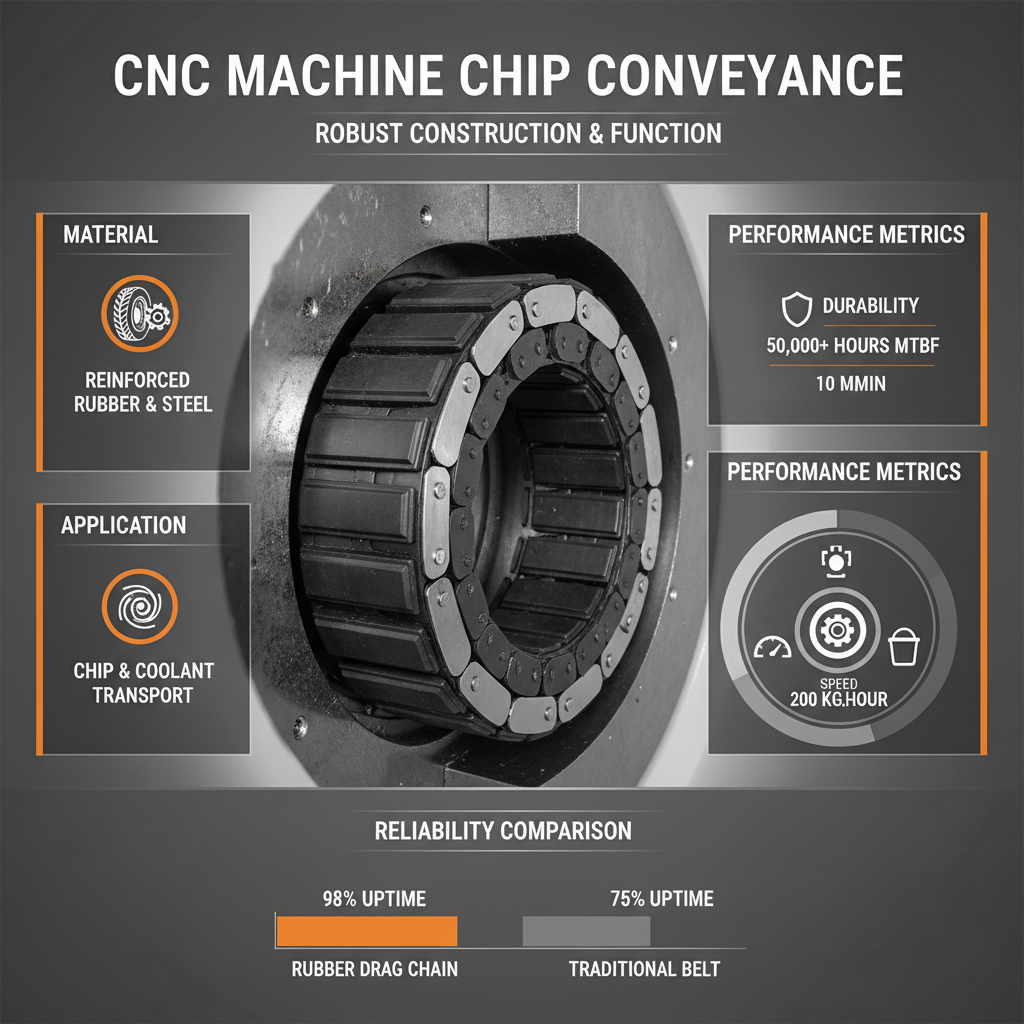
Regular maintenance is essential for ensuring the longevity and optimal performance of your chip conveyor. This includes periodic cleaning to remove accumulated chips and coolant, inspection of belts and chains for wear and tear, and lubrication of moving parts. Following the manufacturer’s recommendations for maintenance schedules is crucial. Addressing minor issues promptly can prevent them from escalating into more significant problems. Proper maintenance not only extends the lifespan of the conveyor but also minimizes downtime and ensures consistent chip removal efficiency.
Conclusion: Investing in Efficient Chip Removal
Investing in a high-quality chip conveyor is a smart move for any CNC machining operation. It improves safety, enhances part quality, increases uptime, and reduces costs. By carefully considering your specific needs and selecting the right conveyor type, you can significantly optimize your machining process. Contact Agilechains today for expert advice and a tailored solution.
Frequently Asked Questions (FAQs)
What size chip conveyor do I need?
Determining the appropriate size chip conveyor involves considering the machining volume and the type of chips produced. Larger machines and higher production rates require conveyors with greater capacity. A general rule of thumb is to choose a conveyor that can handle at least 1.5 times the anticipated chip volume. Consider the length and width of the conveyor bed, as well as the motor horsepower, to ensure it can effectively remove chips without overloading. Consulting with an expert from Agilechains can help you accurately assess your needs and select the right size conveyor.
How often should I clean my chip conveyor?
The frequency of cleaning depends on the volume of chips generated and the type of coolant used. As a general guideline, you should clean your chip conveyor at least weekly, or more frequently if you notice a buildup of chips or coolant residue. Regular cleaning prevents clogging, ensures efficient chip removal, and extends the lifespan of the conveyor components. Disconnect the power supply before cleaning and follow the manufacturer’s instructions carefully.
What is the difference between a wet and dry chip conveyor?
A wet chip conveyor is designed to transport chips mixed with coolant, while a dry chip conveyor handles dry chips only. Wet conveyors are more common in CNC machining applications where coolant is used to lubricate and cool the cutting tool. Dry conveyors are typically used in applications where coolant is not used, such as wood processing or plastic machining. Choosing the right type depends on your specific machining process and the type of chips generated.
Can I install a chip conveyor myself?
While it’s possible to install a chip conveyor yourself, it's generally recommended to have it installed by a qualified technician. Proper installation is crucial for ensuring optimal performance and safety. A professional technician will ensure the conveyor is correctly aligned, securely mounted, and properly connected to the power supply. Improper installation can lead to malfunctions, damage to the machine, and potential safety hazards. Contact Agilechains for professional installation services.


