



Comprehensive Guide to Organ Bellow Covers for Industrial Protection
Understanding Organ Bellow Covers: A Comprehensive Guide
Organ bellow covers are essential protective components used in a wide range of industrial applications, particularly those involving moving parts or sensitive equipment. These covers shield mechanisms from contaminants like dust, dirt, debris, and fluids, while also protecting personnel from potential hazards. Choosing the right organ bellow cover is critical for ensuring optimal performance, extending equipment lifespan, and maintaining a safe working environment. This article delves into the details of organ bellow covers, exploring their benefits, materials, applications, and selection criteria.
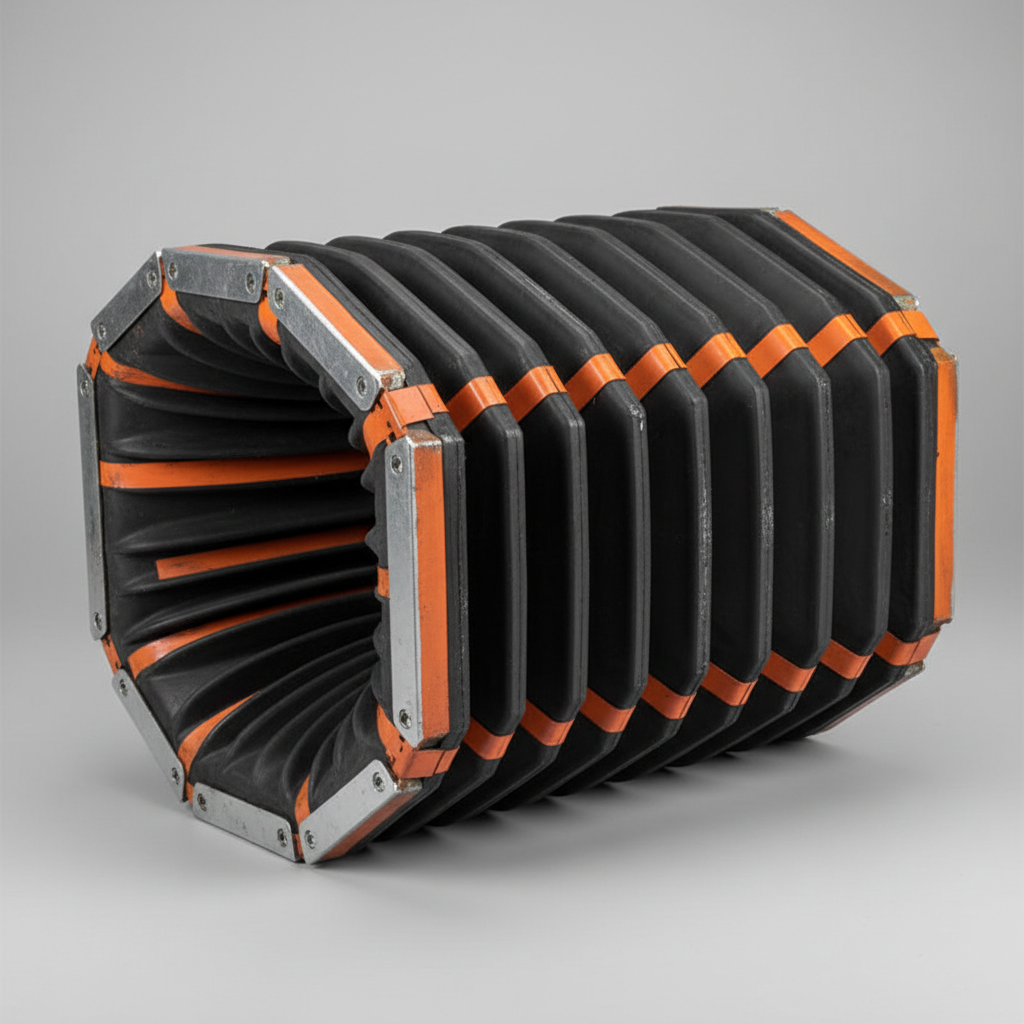
What are Organ Bellow Covers and Why Use Them?
Organ bellow covers, also known as protective bellows or machine bellows, are flexible enclosures designed to protect moving parts of machinery. They effectively prevent the ingress of contaminants that can cause wear, corrosion, and malfunction. Conversely, they also prevent the expulsion of hazardous materials, such as lubricants or chips, protecting operators and the surrounding environment. They are crucial in industries like automotive, robotics, machine tools, and packaging, where precision and reliability are paramount. Using these covers significantly reduces downtime, maintenance costs, and the risk of accidents.
Key Benefits: Reduced contamination, Enhanced safety, Extended equipment life, Minimized maintenance costs, Improved operational efficiency.
Common Materials Used in Organ Bellow Cover Manufacturing
The choice of material for an organ bellow cover depends heavily on the application's specific requirements, including temperature, exposure to chemicals, and the level of flexibility needed. Some of the most common materials include:
- Neoprene: Excellent resistance to oils, chemicals, and abrasion.
- PVC (Polyvinyl Chloride): Cost-effective and provides good general protection.
- PU (Polyurethane): High abrasion resistance, flexibility, and oil resistance.
- Silicone: Superior temperature resistance and flexibility, ideal for extreme environments.
- Rubber: Offers good elasticity and resistance to many chemicals.
Material Selection Considerations:
• Temperature Range: What temperatures will the bellow be exposed to?
• Chemical Exposure: Which chemicals will the bellow come into contact with?
• Abrasion Resistance: How much wear and tear will the bellow endure?
• Flexibility Requirements: How much movement is required from the bellow?
Organ Bellow Covers: Applications Across Industries
The applications for organ bellow covers are incredibly diverse. In the automotive industry, they protect steering racks, ball joints, and other critical components from road debris and moisture. In robotics, they shield sensitive actuators and joints. Machine tools utilize them to protect lead screws, guide rails, and spindles. Packaging machinery benefits from their ability to keep contaminants out of food processing areas. They are also widely used in medical equipment, printing presses, and textile machinery. The key is providing a protective barrier in environments with moving parts and potential contamination risks. You can find high-quality, custom-designed bellow covers at Agilechains.
Key Considerations When Selecting an Organ Bellow Cover
Selecting the optimal organ bellow cover requires careful consideration of several factors. The first is the range of motion; the cover needs to accommodate the full travel distance of the protected component without binding or tearing. Second, the environmental conditions—temperature, humidity, chemical exposure—must be factored into the material selection. Third, the size and shape of the component being protected will dictate the dimensions and configuration of the bellow. Finally, consider the mounting method and ensure it provides a secure and reliable connection.
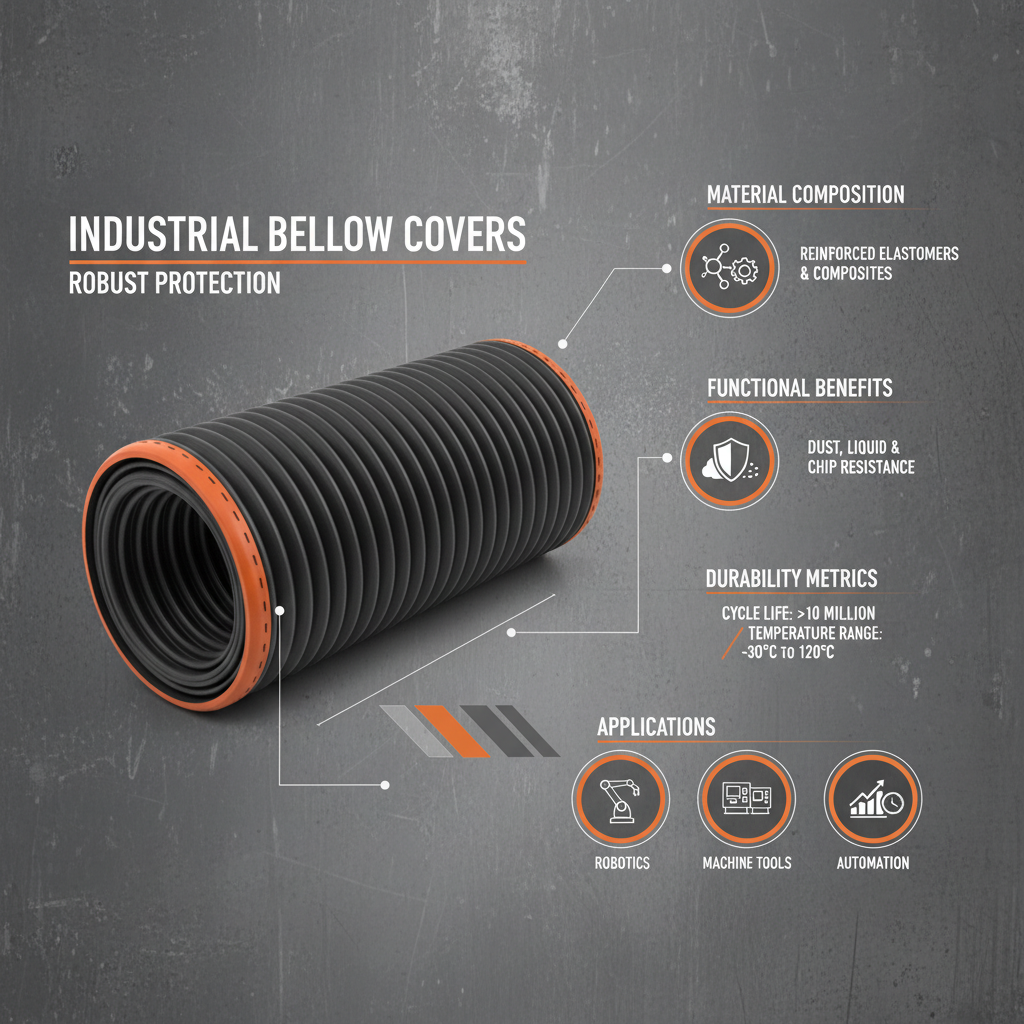
Customization Options and Working with a Supplier
Many applications require custom-designed organ bellow covers. This might involve specific dimensions, materials, or mounting configurations. Working with a reputable supplier who offers customization services is essential. They can provide engineering support to ensure the cover meets your exact requirements. Agilechains specializes in creating tailored solutions. Discuss your application in detail with their team to receive expert guidance and a precisely engineered organ bellow cover for your needs.
Conclusion: Protecting Your Investment with Quality Organ Bellow Covers
Investing in high-quality organ bellow covers is a proactive step towards ensuring the longevity, reliability, and safety of your equipment. By carefully considering your application's specific needs and partnering with a trusted supplier, you can optimize performance and minimize costly downtime. Don't compromise on protection – choose a solution designed for lasting performance.
Frequently Asked Questions (FAQs)
What is the typical lifespan of an organ bellow cover?
The lifespan of an organ bellow cover varies significantly based on the operating environment, frequency of movement, and material used. Generally, a well-maintained bellow can last between 2 to 5 years. However, factors such as exposure to harsh chemicals, extreme temperatures, and UV radiation can shorten this lifespan. Regular inspections for cracks, tears, and material degradation are crucial. It's advisable to replace the bellow if any signs of damage are detected to prevent potential failures and protect the underlying components.
Can organ bellow covers be used in high-temperature environments?
Yes, but the material selection is critical. While materials like neoprene and PVC have temperature limitations, silicone rubber is specifically designed for high-temperature applications. Silicone can withstand temperatures ranging from -60°C to +230°C without significant degradation. When choosing a bellow for high-temperature environments, always verify the material's temperature rating and ensure it's appropriate for the specific application. Consulting with a supplier like Agilechains can help determine the best material for your needs.
What are the advantages of custom-designed organ bellow covers?
Custom-designed organ bellow covers offer several advantages, including a precise fit, optimal performance, and enhanced protection. Standard bellows may not perfectly match the shape or dimensions of the component being protected, leading to reduced effectiveness and potential failure. A custom design ensures a secure and reliable seal, maximizing the cover's protective capabilities. Additionally, custom designs allow for the selection of the most appropriate material and features for the specific application, resulting in a longer lifespan and reduced maintenance costs.
How do I properly install an organ bellow cover?
Proper installation is essential for ensuring the effective performance of an organ bellow cover. Begin by thoroughly cleaning the mounting surfaces to remove any dirt, grease, or debris. Ensure the cover is properly aligned and seated correctly before securing it with the appropriate fasteners. Avoid over-tightening the fasteners, as this can damage the bellow or the mounting surface. Refer to the manufacturer's instructions for specific installation guidelines. If you are unsure about any aspect of the installation process, consult with a qualified technician.


