



Maximize Efficiency with a Professional chip conveyor cnc machine
Maximizing Efficiency with a Chip Conveyor CNC Machine
In the high-precision world of metalworking, waste management is just as critical as the machining process itself. A high-performance chip conveyor cnc machine is the unsung hero of the workshop, ensuring that metal shavings and coolants are removed efficiently to prevent machine downtime. Without an automated system, operators face the tedious and hazardous task of manual chip removal, which disrupts production flow and increases safety risks. By integrating a professional conveyor system, manufacturers can maintain a cleaner workspace and extend the lifespan of their CNC equipment. In this guide, we will explore how to choose the right system and the impact it has on overall operational productivity.
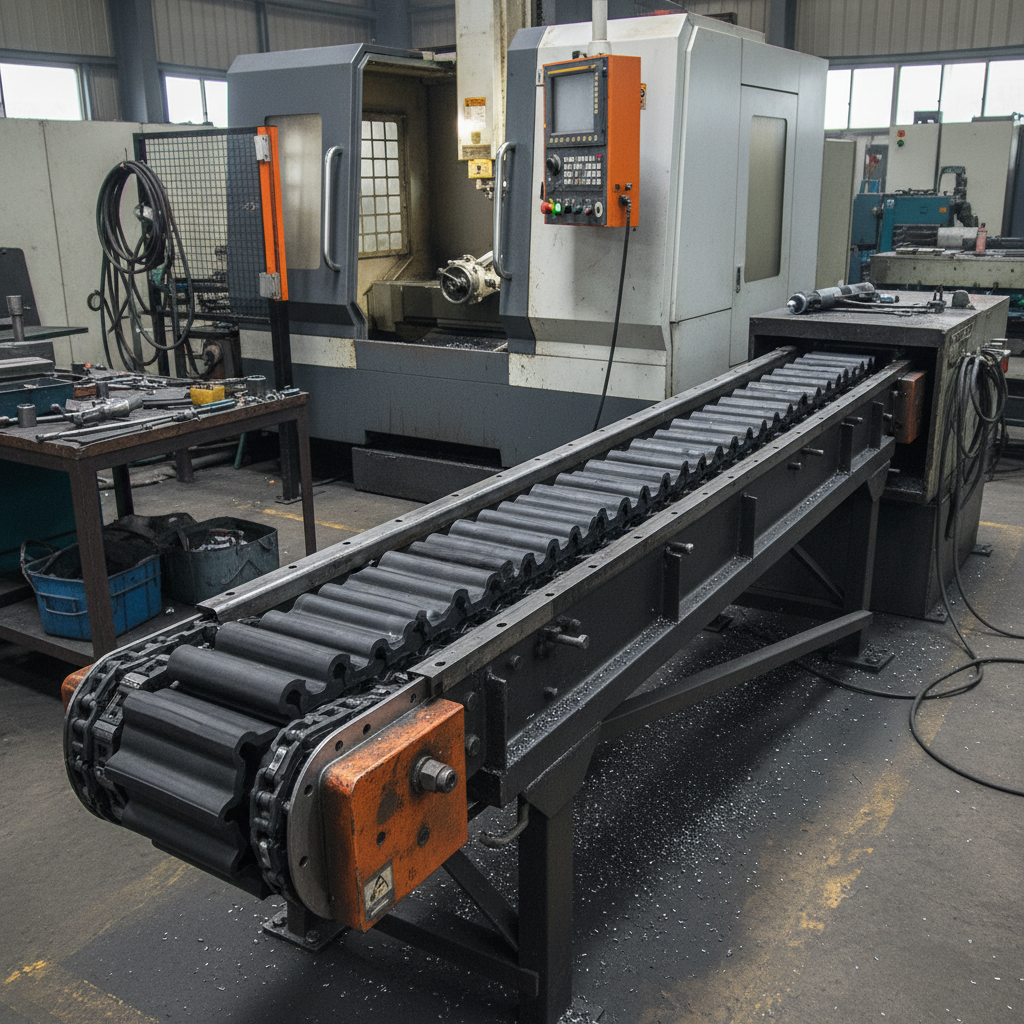
How a Chip Conveyor CNC Machine Improves Workflow
The primary role of a chip conveyor cnc machine is to transport swarf—the waste material created during cutting—away from the work zone. When chips accumulate, they can interfere with the tool path, scratch the finished workpiece, or even cause the machine to jam. Automation transforms this process by continuously moving debris into bins or recycling systems. This not only reduces labor costs but also enables "lights-out" manufacturing, where machines can run for hours without human intervention. Furthermore, integrated conveyors often include filtration systems that separate coolant from the chips, allowing for the recycling of expensive cutting fluids.
Operational Impact: Automated chip removal can reduce machine idle time by up to 15-20%, directly increasing the number of parts produced per shift while significantly improving shop floor safety.
Types of Conveyors for Different CNC Applications
Not all waste is created equal; a lathe produces long, stringy chips, while a milling machine generates small, granular fragments. Therefore, choosing the specific type of chip conveyor cnc machine is vital. Hinge-belt conveyors are popular for their versatility and ability to handle a wide variety of chip sizes. In contrast, scraper-type conveyors are better suited for heavy-duty industrial applications where bulk volume is the priority. Understanding the material being cut—whether it is aluminum, steel, or titanium—will dictate the required durability and motor power of the conveyor system.
Common Conveyor Categories:
• Hinge-Belt: Best for long chips and flexible routing.
• Scraper/Chain: Ideal for heavy, dense metallic waste.
• Screw/Auger: Effective for small, granular particles and powders.
Comparing Manual Removal vs. Chip Conveyor CNC Machine
Transitioning from manual cleaning to an automated system is a turning point for any machine shop. While the initial investment for a chip conveyor cnc machine may seem significant, the Return on Investment (ROI) is realized quickly through reduced downtime and improved worker safety. Manual removal exposes staff to sharp edges and chemical coolants, whereas an automated system encapsulates the waste. The following table highlights the stark differences in operational efficiency.
Maintenance Tips for Your CNC Conveyor System
To ensure your chip conveyor cnc machine operates at peak performance, a proactive maintenance schedule is essential. Because these machines operate in harsh environments filled with abrasive metal shards and corrosive coolants, wear and tear are inevitable. Regularly lubricating the drive chains and checking the tension of the belts can prevent sudden failures. Additionally, operators should inspect the conveyor's trough for any "built-up" material that might obstruct the flow. Cleaning the sensors that signal when a bin is full will prevent overflows and maintain the automation logic of the system.
Technical Specifications of Modern Chip Conveyors
When selecting a chip conveyor cnc machine, you must look beyond the basic function and examine the technical specs. The motor power (kW) must be sufficient to move the maximum weight of the chips produced by your specific CNC machine. Material choice is also critical; stainless steel is preferred for environments using aggressive coolants to prevent rust. Modern systems also feature PLC (Programmable Logic Controller) integration, allowing the conveyor to start and stop automatically based on the CNC machine's cycle. Below are the standard specifications typically found in industrial-grade conveyors.
Integration and Installation Best Practices
Proper installation is the difference between a seamless system and a constant headache. When integrating a chip conveyor cnc machine, ensure the angle of the discharge is optimized to prevent chips from sliding back into the machine. The conveyor should be perfectly leveled to avoid uneven wear on the belt or chain. Furthermore, consider the proximity of the collection bin; if the bin is too far, you may need a longer conveyor or a secondary transport system. Finally, ensure that the electrical wiring is shielded from the electromagnetic interference (EMI) typically generated by the CNC's servo motors.
Conclusion: Optimizing Production with Agile Solutions
Investing in a professional chip conveyor cnc machine is a strategic move for any modern machine shop. By automating the removal of waste, manufacturers can ensure higher precision, better safety, and significantly increased uptime. Whether you are dealing with heavy-duty steel machining or delicate aluminum parts, the right conveyor system transforms a messy workspace into a streamlined production line. Elevate your manufacturing efficiency today by choosing a system that grows with your business.
Frequently Asked Questions (FAQs)
What is the most common cause of chip conveyor failure?
The most common cause of failure is "chip jamming," which occurs when oversized or stringy chips wrap around the drive sprocket or get wedged in the belt. This can lead to motor burnout if the system lacks an automatic overload protection switch. To prevent this, we recommend using a chip breaker on your tooling to ensure chips are produced in manageable sizes. Regular inspection and cleaning of the drive mechanism are also essential to avoid premature wear and tear on the chain and belt.
Can I retrofit a chip conveyor onto an old CNC machine?
Yes, most chip conveyor cnc machine systems are designed to be adaptable. Retrofitting usually involves modifying the machine's chip tray or adding a collection hopper that feeds into the conveyor. While older machines may not have the native PLC ports for automatic synchronization, a simple external timer or a manual switch can still provide the benefits of automated waste removal. It is advisable to consult with a technical expert to ensure the conveyor dimensions match the machine's discharge area.
How do I choose between a hinge-belt and a scraper conveyor?
The choice depends on the "form" of your waste. Hinge-belt conveyors are highly versatile and are the industry standard for a wide range of chip types, especially when the conveyor needs to be routed around obstacles. Scraper conveyors (chain type) are typically more robust and are better for heavy, dense chips that would otherwise damage a flexible belt. If you are processing large volumes of heavy cast iron or steel, a scraper system is generally more durable. For aluminum or mixed materials, the hinge-belt is often the more efficient choice.
Does a chip conveyor help in recycling cutting fluids?
Absolutely. A significant amount of expensive coolant is often carried away with the metal chips. Many professional chip conveyor cnc machine systems include a "drip tray" or a perforated belt that allows the coolant to drain back into the machine's reservoir before the chips are dumped into the waste bin. This not only reduces the cost of purchasing new fluids but also minimizes the environmental impact of disposing of coolant-soaked metal waste.


