



Comprehensive Guide to Dust Bellow Covers for Industrial Protection
Understanding Dust Bellow Covers: A Comprehensive Guide
Dust bellow covers, also known as protective bellows, are crucial components in various industrial applications. These flexible enclosures safeguard sensitive machinery and components from dust, debris, and other contaminants. This article will delve into the world of dust bellow covers, exploring their types, materials, applications, benefits, and selection criteria. Protecting your equipment with the right dust bellow cover extends its lifespan, reduces maintenance costs, and ensures optimal performance. Let's explore how these often-overlooked components contribute to operational efficiency.
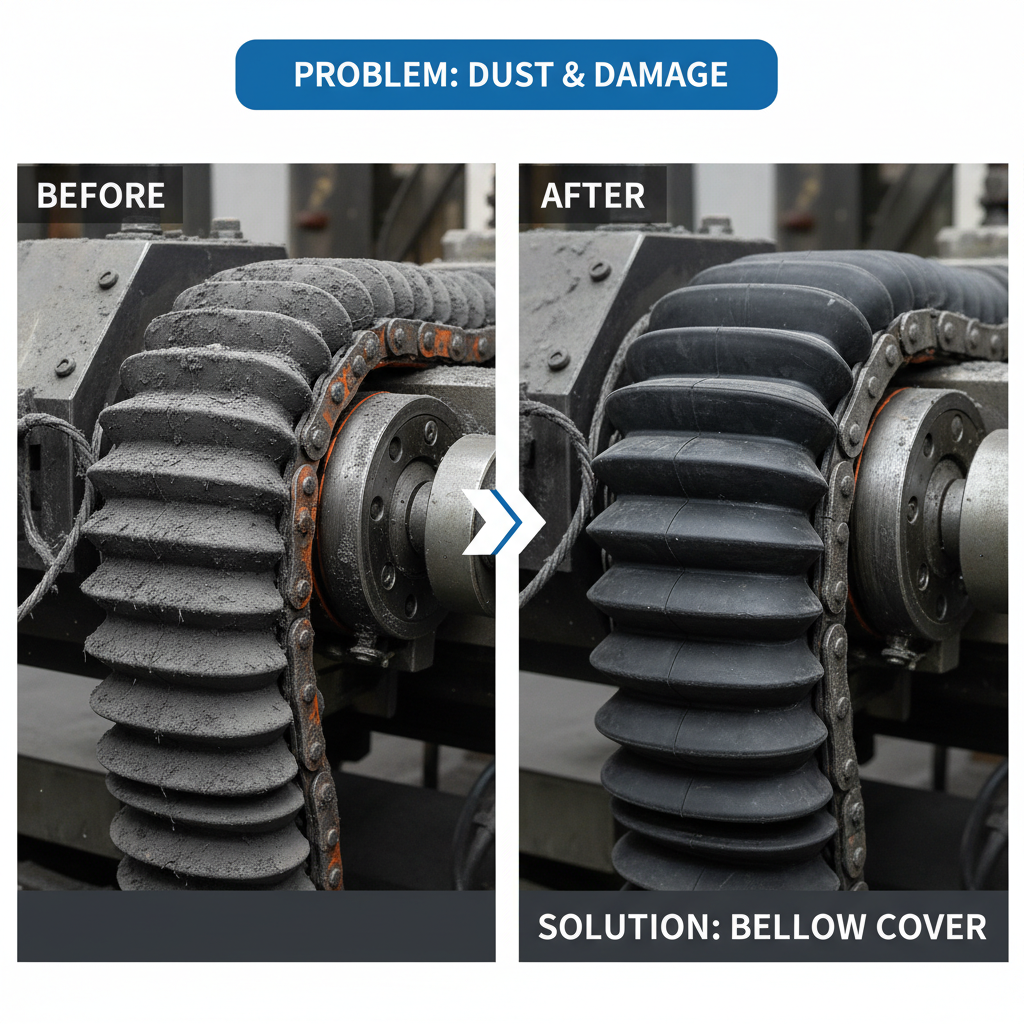
What are Dust Bellow Covers and Why are They Important?
Dust bellow covers are typically constructed from flexible materials, designed to expand and contract with the movement of machinery. They act as a barrier, preventing abrasive particles from entering critical areas such as ball screws, lead screws, guide rails, and other precision components. The importance of these covers stems from their ability to minimize wear and tear, maintain accuracy, and reduce the frequency of repairs. In environments with high dust levels, such as woodworking, metalworking, and printing, dust bellow covers are indispensable for maintaining operational efficiency. Without them, the lifespan of equipment can be significantly reduced, leading to costly downtime and replacements. Agilechains specializes in designing and manufacturing high-quality dust bellow covers to meet diverse industrial needs.
Key Benefits: Minimize wear and tear, maintain accuracy, reduce repair frequency, and extend equipment lifespan.
Types of Dust Bellow Covers
Dust bellow covers come in various designs to suit different applications. Common types include:
- Convoluted Bellows: These offer excellent flexibility and are ideal for applications with large travel distances.
- Folded Bellows: Designed for compact spaces and provide good protection.
- Epicyclic Bellows: Known for their high durability and ability to handle complex movements.
- Universal Bellows: Versatile and adaptable to a wide range of applications.
The selection of the appropriate type depends on factors such as the stroke length, space constraints, operating environment, and desired level of protection.
Choosing the Right Type:
• Stroke Length: Consider the maximum distance the cover needs to extend.
• Space Constraints: Choose a design that fits within the available area.
• Operating Environment: Select a material that can withstand the specific conditions.
• Level of Protection: Determine the necessary degree of contamination resistance.
Materials Used in Dust Bellow Cover Manufacturing
The material used to construct a dust bellow cover is critical to its performance and longevity. Common materials include:
Applications of Dust Bellow Covers
Dust bellow covers are utilized across a broad spectrum of industries:
- CNC Machinery: Protecting ball screws and lead screws from metal chips and debris.
- Robotics: Ensuring smooth and reliable movement of robotic arms and joints.
- Printing Industry: Shielding rollers and other components from ink and paper dust.
- Medical Equipment: Maintaining sterility and preventing contamination in sensitive instruments.
- Packaging Machinery: Protecting moving parts from dust and product residue.
The specific application will dictate the material, design, and size of the dust bellow cover.
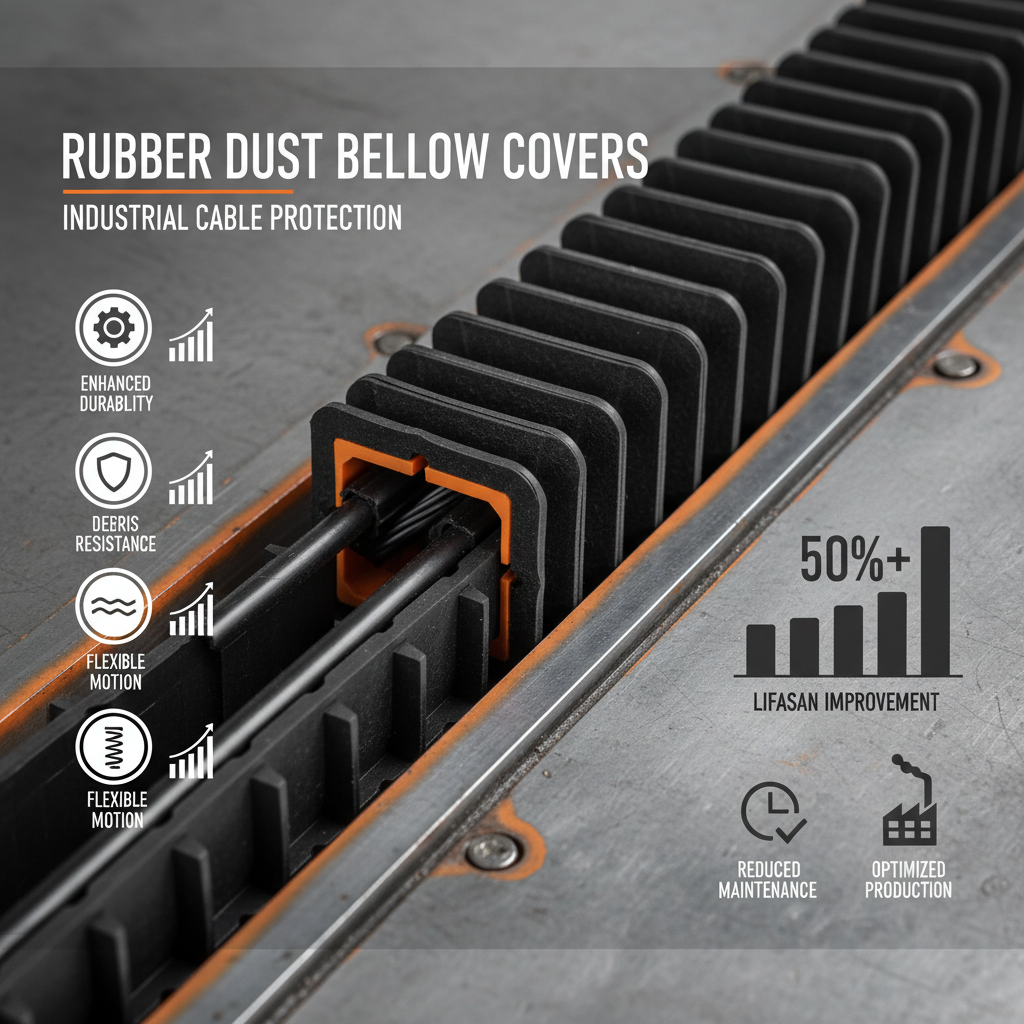
Choosing the Right Dust Bellow Cover: Key Considerations
Selecting the ideal dust bellow cover involves careful consideration of several factors. These include the operating environment (temperature, humidity, exposure to chemicals), the type of contamination present, the stroke length and speed of the moving parts, and the available space. Partnering with a reputable manufacturer like Agilechains can provide expert guidance and customized solutions to meet your specific requirements.
Conclusion: Protecting Your Investment with Quality Dust Bellows
Investing in high-quality dust bellow covers is a proactive step towards safeguarding your equipment and maximizing operational efficiency. By preventing contamination and minimizing wear, these protective components contribute to reduced maintenance costs, extended equipment lifespan, and improved overall performance. Don't compromise on quality – choose a reliable partner like Agilechains for your dust bellow cover needs.
Frequently Asked Questions (FAQs)
What is the expected lifespan of a dust bellow cover?
The lifespan of a dust bellow cover depends heavily on the operating environment and the frequency of use. Factors like exposure to UV radiation, harsh chemicals, extreme temperatures, and abrasive particles can accelerate wear and tear. Generally, a well-maintained dust bellow cover can last between 1 to 5 years. Regular inspection for cracks, tears, and deterioration is crucial for ensuring optimal performance and preventing unexpected failures. Replacing the cover proactively can avoid costly downtime and damage to sensitive machinery.
How do I determine the correct size for a dust bellow cover?
Accurate sizing is critical for ensuring proper protection. You’ll need to measure the stroke length (the maximum distance the moving part travels), the diameter of the component being protected, and the available space for the cover. It’s also important to consider the mounting method and ensure sufficient overlap for a secure fit. Agilechains offers assistance with sizing and can provide custom-designed covers to meet your exact specifications.
Can dust bellow covers be cleaned? If so, how?
Yes, dust bellow covers can be cleaned to maintain their effectiveness. The cleaning method depends on the material. For most materials, a mild soap and water solution is sufficient. Avoid using harsh chemicals or abrasive cleaners, as these can damage the material. Gently wipe the cover with a soft cloth and allow it to air dry completely before reinstalling. Regular cleaning helps prevent buildup of contaminants and prolongs the cover's lifespan.


