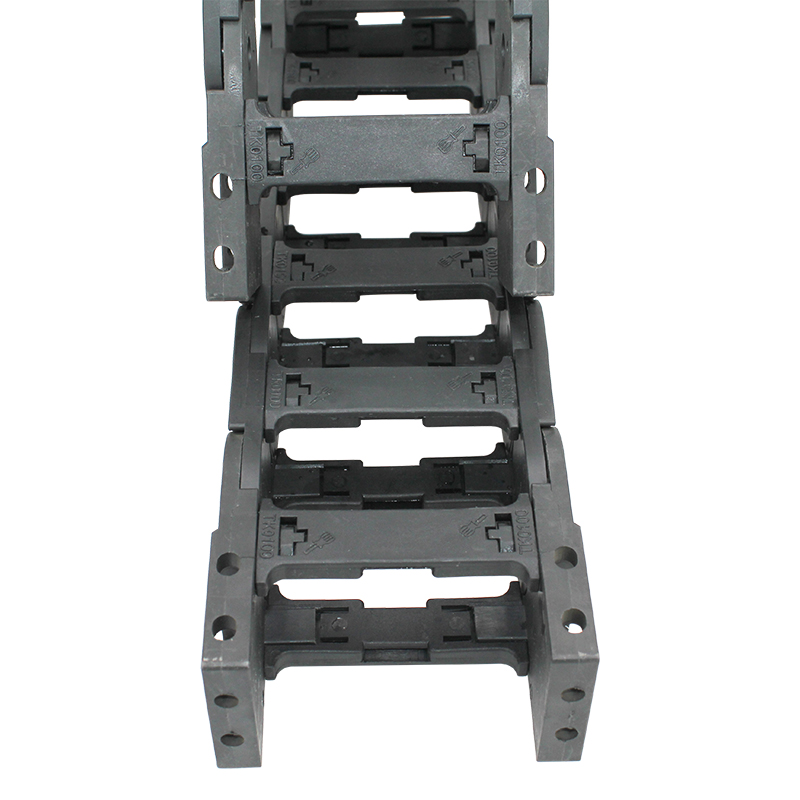
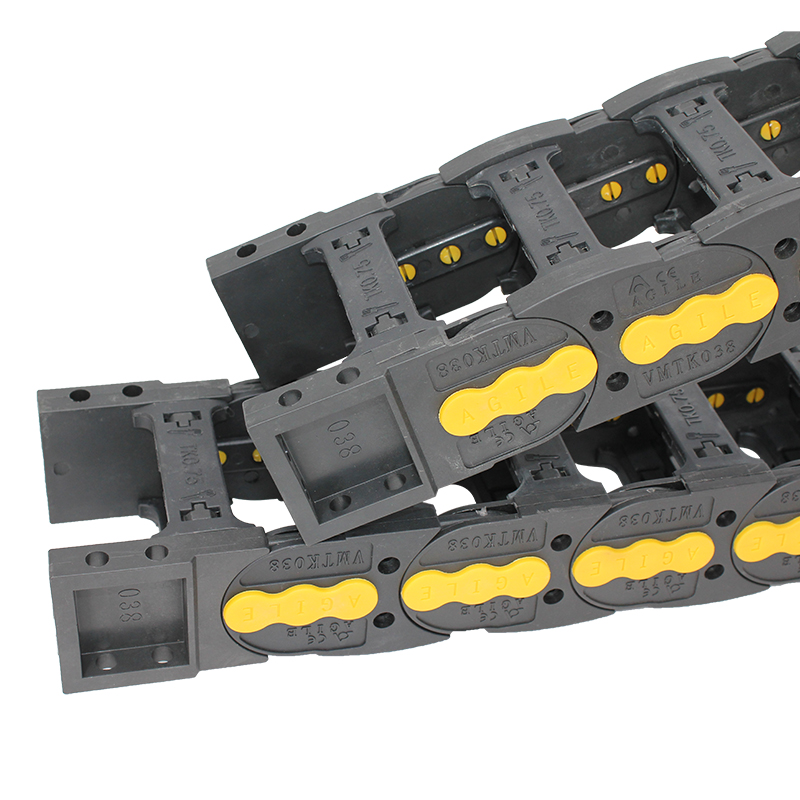
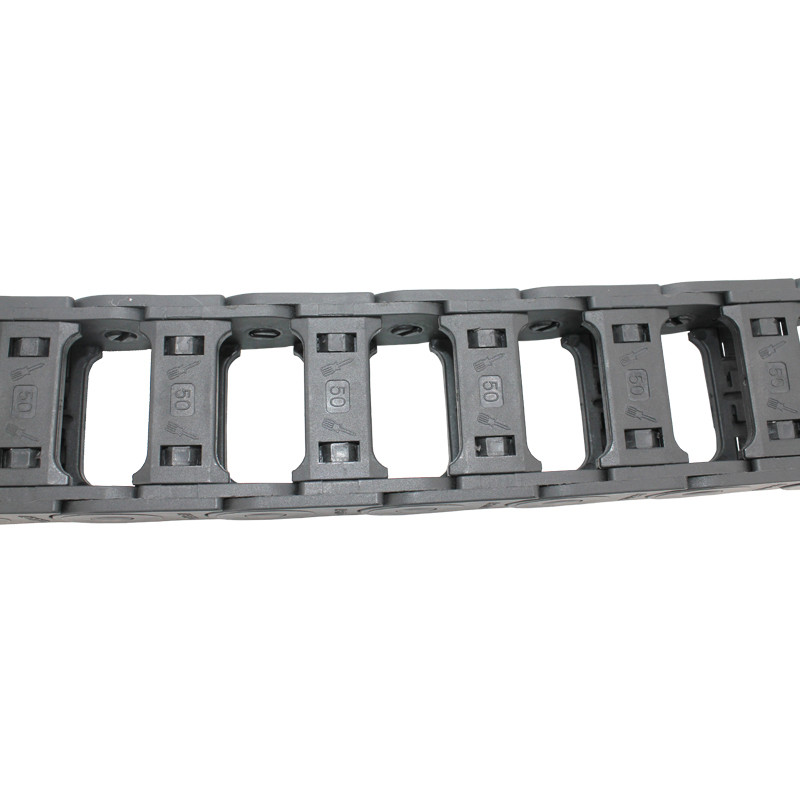
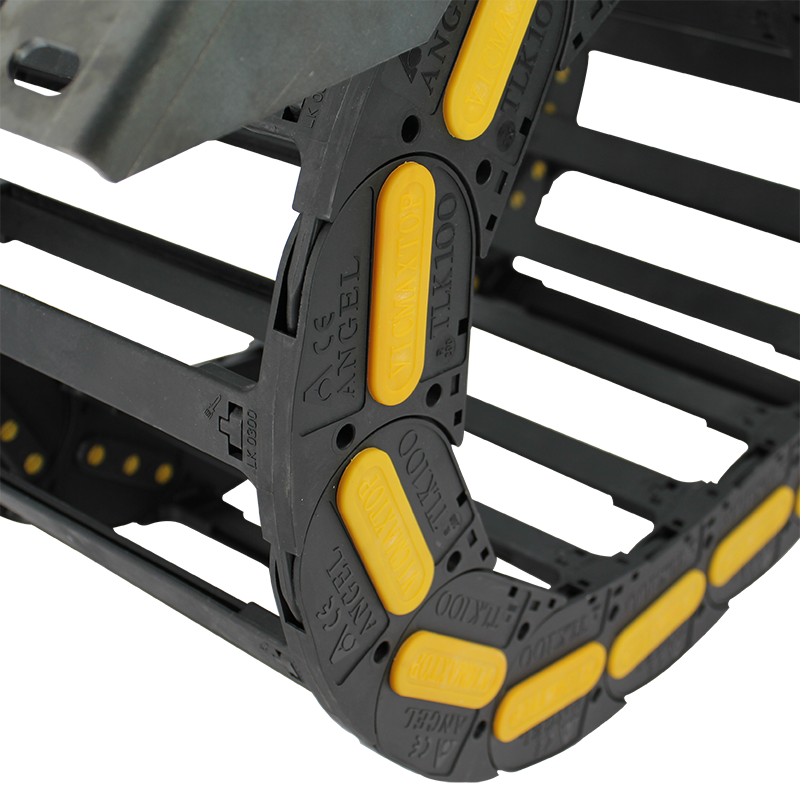
Industrial Drag Chain Solutions for Argentina Manufacturing

High-performance cable management systems engineered for the demanding industrial landscape of South America, ensuring maximum uptime and cable longevity.

Industrial Drag Chain Solutions for Argentina Manufacturing

Providing the most durable and precise cable protection systems for Argentina's growing machinery sector, optimizing operational efficiency through advanced energy chain technology.

Current State of Cable Management in Argentina

Analyzing the intersection of geographical challenges and industrial demands in the Argentine market.

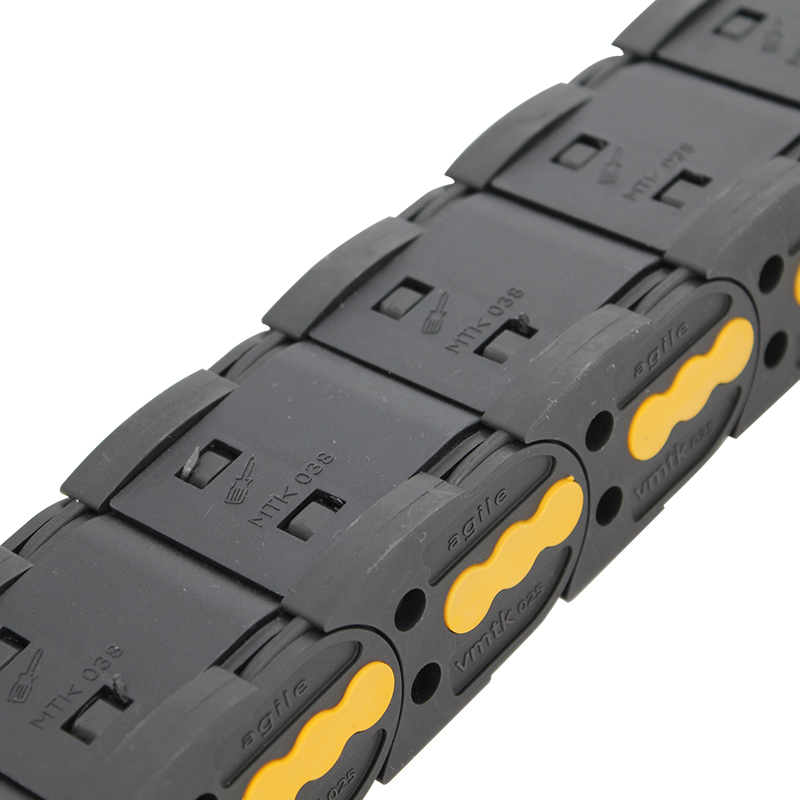
The manufacturing landscape in Argentina is characterized by a strong concentration of automotive and agricultural machinery production. In these environments, the use of a high-quality cable carrier is essential to protect power and data lines from the dust and debris common in Pampa-region workshops.

Economic fluctuations in South America have led local firms to prioritize "maintenance-free" components. There is a significant shift toward importing modular systems that can be easily repaired without replacing the entire assembly, reducing long-term operational costs for Argentine factories.

Furthermore, the diverse climate—from the humid subtropical north to the colder Patagonia region—requires materials that resist thermal expansion. This makes the selection of a robust cable track critical for maintaining consistent precision in CNC and automated assembly lines across the country.
Evolution and Trajectory of Conveyance Systems

From rigid pipes to intelligent, flexible cable guidance systems.

Market Development History

In the late 20th century, Argentine industry relied primarily on fixed conduits and manual cable routing. These systems were prone to rapid wear and frequent downtime, especially in the heavy-duty lifting sectors.

Around 2010, the introduction of the modular drag chain conveyor revolutionized the movement of materials. This transition allowed for tighter bend radii and higher speeds, aligning with the global trend of Lean Manufacturing.

By 2020, the integration of composite polymers replaced heavy steel chains, offering corrosion resistance that is vital for Argentina's chemical and food processing plants, significantly extending the lifecycle of moving cables.

Future Development Trends

Integration of Smart Sensors

The next phase involves embedding wear-sensors within the chain to predict failure before it occurs, utilizing IoT data to schedule maintenance during planned shutdowns.

Eco-Friendly Bio-Polymers

Driven by South American sustainability goals, we are seeing a rise in the demand for recyclable materials in the production of the drag conveyor components.

Ultra-High-Speed Dynamics

As automation speeds increase, the industry is moving toward low-friction, lightweight alloys to minimize the inertia of the moving carrier systems.

Industry Outlook and Future Prospects

Strategic projections for the transport and lifting machinery accessories market.

Predictive Maintenance
Shifting from reactive repairs to AI-driven forecasting for cable system health.
Hyper-Customization
Using 3D scanning to create bespoke carriers for legacy Argentine machinery.
Modular Scaling
Standardized components that allow rapid expansion of conveyor lines.
Energy Efficiency
Reducing friction coefficients to lower the energy consumption of motor drives.

Industry Outlook

Based on Google search trends for "Industrial Automation Argentina," there is a 25% year-on-year increase in queries regarding automated material handling. This indicates a strong shift toward integrating high-speed cable carriers into existing production lines.

We expect the next 3-5 years to be dominated by "Hybrid Guidance" systems, combining the strength of steel with the flexibility of advanced polymers, specifically tailored for the heavy-duty agricultural machinery exports of the region.

Localized Application Scenarios in Argentina

Real-world implementations of our cable management solutions across key Argentine sectors.

01. Automotive Assembly Lines (Córdoba)

Implementing high-flex cable tracks in robotic welding cells to ensure seamless movement without cable fatigue during 24/7 production cycles.

02. Grain Processing Facilities (Rosario)

Utilizing dust-proof drag chain conveyors to transport sensor cables in high-particle environments, preventing ingress and premature failure.

03. Wine Production Automation (Mendoza)

Installing corrosion-resistant carriers in bottling plants where frequent wash-downs with chemical agents are required.

04. Steel Mill Heavy Lifting (San Nicolás)

Deploying reinforced steel drag chains for overhead cranes to handle extreme heat and heavy mechanical loads.

05. Pharmaceutical Packaging (Buenos Aires)

Using clean-room certified, low-emission cable carriers to meet strict hygiene standards for medical equipment manufacturing.

Brand Story

Global Development Journey of Shijiazhuang Agile Electrical Co., Ltd.

Engineering Foundations

Founded with a vision to solve the most complex cable fatigue issues in heavy machinery, we started by mastering precision polymer molding.

Global Expansion

Expanding our reach to South America, we adapted our designs to meet the rugged requirements of Argentine industrial environments.

Innovation Breakthroughs

Developing a proprietary friction-reducing alloy that increased the lifespan of conveyor chains by 40% in high-dust settings.

Quality Certification

Achieving international standards for safety and durability, ensuring every component shipped to Argentina meets global benchmarks.

Sustainable Future

Committing to a greener planet by integrating biodegradable materials into our next generation of cable management products.

Argentina Industrial Cable Management FAQ

Answers to the most common technical queries from our local partners.

How to choose the right bend radius for a cable carrier in CNC machines?

The bend radius should be calculated based on the outermost cable's minimum allowable bend radius. For most industrial applications in Argentina, a 10x cable diameter rule is recommended to avoid core breakage.

Are drag chains suitable for the extreme temperatures of Patagonia?

Yes, we offer specialized low-temperature polymers that remain flexible down to -40°C, preventing the brittleness typically seen in standard plastics in cold regions.

What is the difference between a drag chain conveyor and a standard drag conveyor?

A drag chain conveyor specifically utilizes the chain logic to protect and guide cables/hoses in a reciprocating motion, whereas a general drag conveyor is typically used for bulk material transport.

How often should a cable track be inspected for wear in a dusty environment?

In high-dust environments like Argentine grain silos, we recommend a visual inspection every 3 months and a full lubrication check every 6 months to prevent abrasive wear.

Can modular drag chains be customized for specific industrial layouts?

Absolutely. Our modular systems allow for the addition or removal of links on-site, making them ideal for the evolving production lines common in Argentine automotive plants.

What material is best for a cable carrier in a chemical processing plant?

For chemical resistance, we recommend high-grade polyamide or stainless steel options, depending on the specific corrosive agents present in the facility.

Optimize Your Production Today

Get expert technical consultation for your cable management needs in Argentina. Our engineers are ready to help you reduce downtime.

Contact Us Now

If you are interested in our products, you can choose to leave your information here, and we will be in touch with you shortly.