



Comprehensive Guide to Chip Conveyors for CNC Machining Applications
Understanding Chip Conveyors for CNC Machines
In the world of CNC machining, efficient chip removal is critical for productivity, tool life, and surface finish. A chip conveyor is an essential component, automatically removing chips from the machining area. This article delves into the functionality, types, benefits, and selection criteria for chip conveyors for CNC machines, providing a comprehensive guide for manufacturers and machinists. Effective chip management isn't just about cleanliness; it directly impacts the quality and efficiency of your operations.
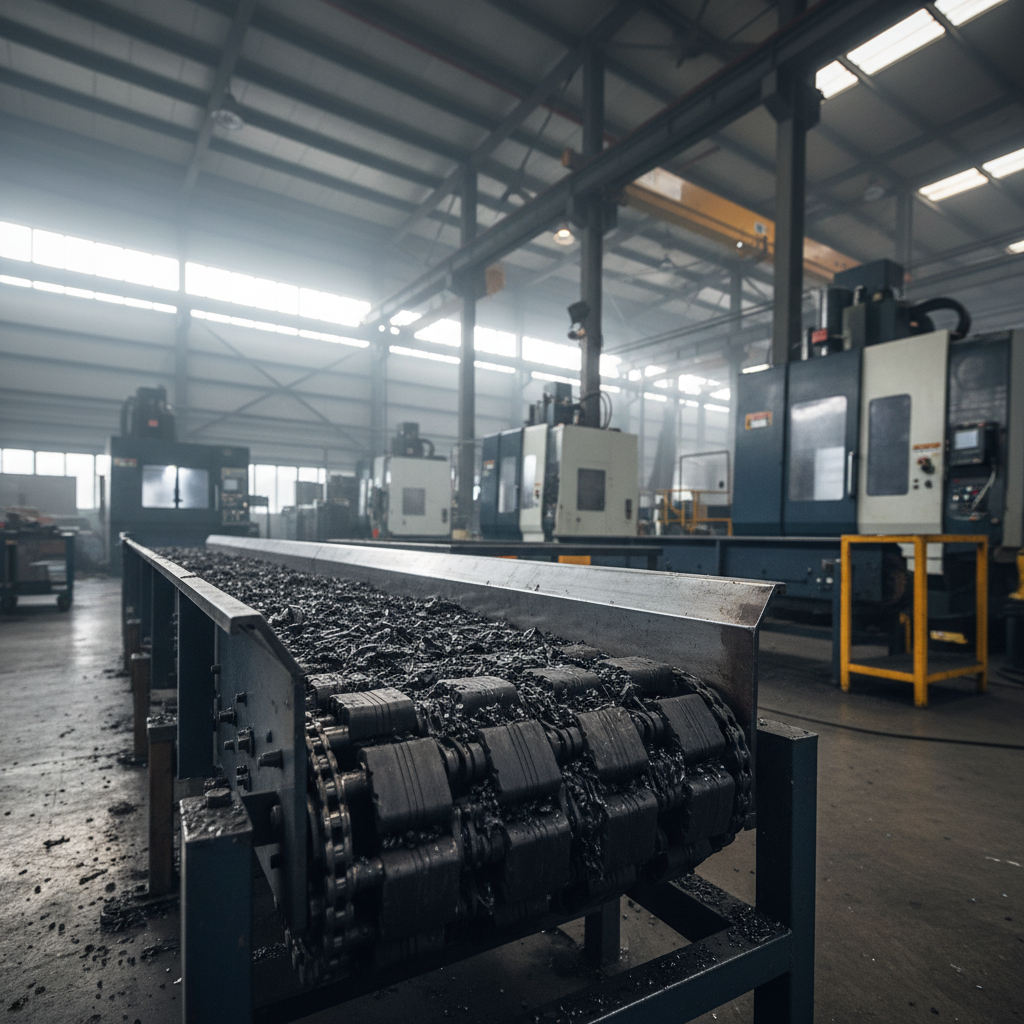
How Do Chip Conveyors Work?
A chip conveyor utilizes a moving belt or chain system to gather and transport chips away from the CNC machine. The chips fall onto the conveyor, and the mechanism carries them to a collection point – typically a bin or auger for further disposal. Different conveyor types employ varying methods for chip movement, impacting their efficiency and suitability for different materials and chip volumes. The fundamental principle, however, remains consistent: continuous and reliable removal of machining debris.
Key Benefit: Automated chip removal reduces downtime, enhances workplace safety, and improves the overall efficiency of CNC machining operations.
Types of Chip Conveyors for CNC Machines
Several types of chip conveyors are available, each suited for specific applications. The most common include:
- Belt Conveyors: Utilize a continuous belt to transport chips. Ideal for dry and semi-dry machining.
- Chain Conveyors: Employ a chain with flights to scoop up and move chips. Effective for handling large, bulky chips and swarf.
- Auger Conveyors (Screw Conveyors): Use a rotating screw to move chips. Compact and suitable for limited space applications.
- Drag Chain Conveyors: Feature a chain that drags chips along a trough. Good for a wide range of chip types.
Choosing the right type depends on the material being machined, the chip volume, and the available space around the CNC machine. Agilechains offers a wide selection of these options to meet your specific needs.
Chip Conveyor CNC: A Comparison
Understanding the strengths and weaknesses of each conveyor type is crucial for optimal selection. Here’s a comparative overview:
Benefits of Implementing a Chip Conveyor
Investing in a chip conveyor offers numerous advantages, including:
- Increased Productivity: Reduced downtime for chip removal allows for continuous machining.
- Improved Tool Life: Removing chips prevents re-cutting, extending tool life.
- Enhanced Surface Finish: Efficient chip removal prevents chip buildup, leading to better surface finishes.
- Safer Work Environment: Eliminates the hazard of manually removing chips.
- Reduced Labor Costs: Automates chip removal, freeing up personnel for other tasks.
Selecting the Right Chip Conveyor: Key Considerations
Choosing the ideal chip conveyor requires careful consideration of several factors. These include the type of material being machined, the chip volume, the available space, the machine's coolant type (dry, wet, or flood), and the budget.
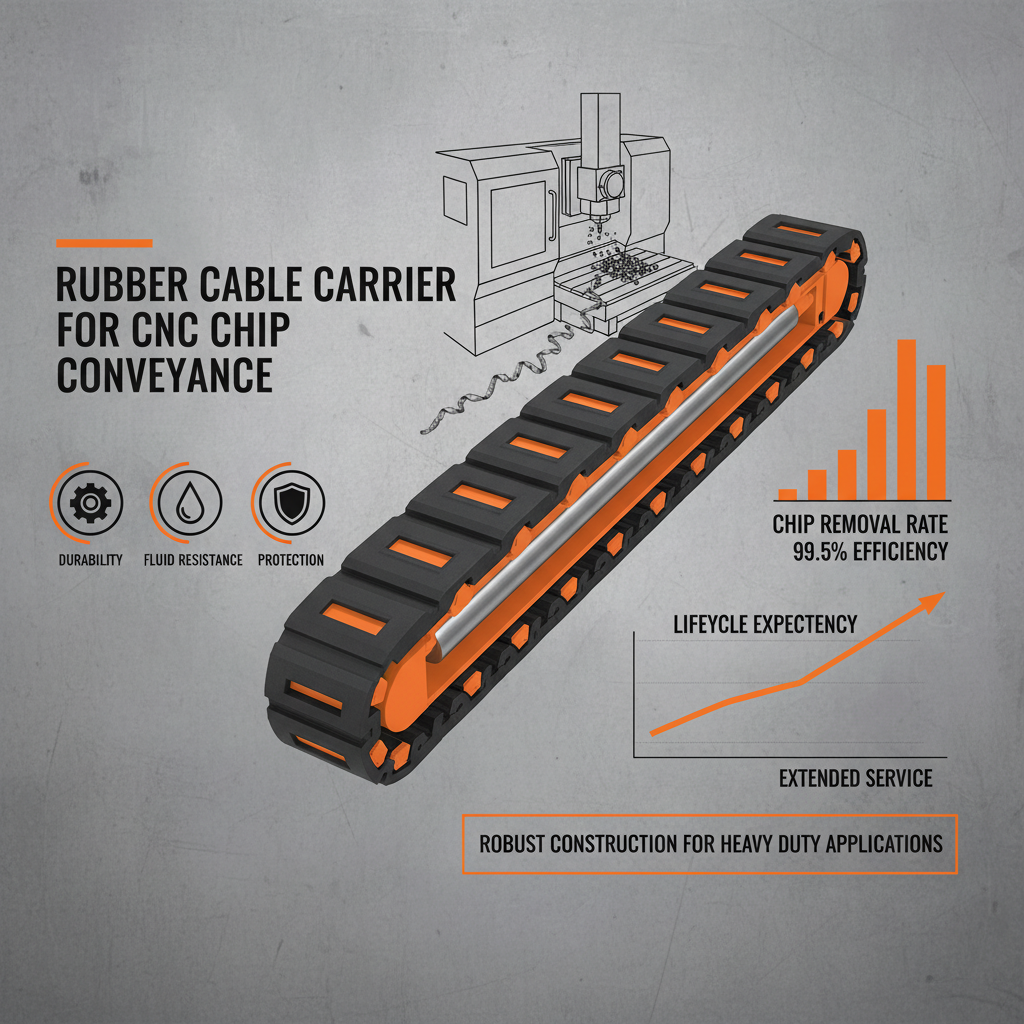
Conclusion: Optimize Your CNC Operations with the Right Chip Conveyor
Investing in a high-quality chip conveyor from Agilechains is a smart move for any CNC machining operation. By choosing the right system, you can significantly improve productivity, reduce costs, and enhance workplace safety. Don't let chip removal be a bottleneck – streamline your process with the right conveyor solution.
Frequently Asked Questions (FAQs)
What maintenance is required for a chip conveyor?
Regular maintenance is essential for reliable operation. This includes daily visual inspections for damage, cleaning the conveyor to prevent chip buildup, lubricating moving parts according to the manufacturer's recommendations, and periodically checking the belt or chain tension. More extensive maintenance, such as replacing worn belts or chains, may be required annually or based on usage. Refer to the specific model's manual for detailed maintenance instructions. Proper maintenance extends the lifespan of the conveyor and minimizes downtime.
Can chip conveyors handle different types of coolants?
Yes, but the compatibility depends on the conveyor's materials of construction. Some conveyors are designed for dry machining only, while others are suitable for use with water-based or oil-based coolants. It's crucial to select a conveyor with materials that are resistant to the specific coolant being used to prevent corrosion or damage. Agilechains provides conveyors built with materials compatible with a wide range of coolants.
How do I determine the right chip conveyor size for my CNC machine?
Determining the appropriate size involves considering the chip volume generated by your CNC machine during a typical machining cycle, the type of material being machined, and the available space around the machine. Factors like the cutting speed, feed rate, and depth of cut all contribute to chip volume. It's generally recommended to select a conveyor with a capacity slightly higher than the expected chip volume to ensure efficient removal and prevent overloading. Consult with a chip conveyor specialist like Agilechains to get expert guidance.
What is the typical payback period for a chip conveyor investment?
The payback period varies depending on factors like the CNC machine's utilization rate, labor costs, and the cost of the chip conveyor. However, many manufacturers experience a payback period of less than one year due to reduced labor costs, increased productivity, and improved tool life. The savings from these factors often outweigh the initial investment in the conveyor.


